Blessed Louise of Savoy
Having become a widow at twenty-seven, Louise of Savoy dedicated herself to charity and penance before joining the Franciscan monastery of Orbe in Switzerland. She died in 1503 at the age of forty-two, after a life marked by humility and service to the sick. Her cult was officially recognized by Pope Gregory XVI in 1839.
Contemporaries

Figures and markers around the normalized period for this entry.
Guided reading
4 reading sections
BLESSED LOUISE OF SAVOY, WIDOW.
Influence and married life
Louise exerted a salutary influence on the customs of the city of Chalon and led her husband toward evangelical perfection.
Her example was very salutary and very effective for the correction of customs in the city of Ch alon; and her husband himself, whom she loved extremely in God, allowed himself to be inflamed with the desire for evangelical perfection.
Widowhood and works of charity
Having become a widow at twenty-seven, she refused to remarry in order to devote herself to prayer, penance, and the service of the most destitute.
Having become a widow at the age of twenty-seven, she gave herself entirely to God. She could never be persuaded to a second marriage. Content with a very modest household, frugal food, and very simple clothing under which she wore the rough Franciscan tun ic, occupying hersel f with the meditation of heavenly things and with works of penance and piety, she made new progress in perfection every day. Of boundless charity and liberality, she gave all her income for the food of the poor, of nuns, and of clerics, and visited and served the sick, even those who were afflicted with the most repulsive diseases.
Monastic commitment and passing
She entered the Franciscan monastery of Orbe in Switzerland, where she led a life of humility before dying in 1503, as she had predicted.
She eventually detached herself entirely from the entanglements of the world and embraced the reli gious life at the Franciscan monastery of Orbe, a town in Switzerland, in the canton of Vaud. The humblest of the nuns and the most submissive to the rule, she burned with an extraordinary love for the suffering Jesus and for the Virgin Mother of God. Her soul was at times flooded with the graces of heaven. She was taken from this world by a violent illness, at the age of forty-two, on July 24, just as she had predicted, in 1503. Her holiness shone forth through several miracles.
Cult and translation of relics
Her remains were transferred to Nozeroy and her cult was officially approved by Pope Gregory XVI in 1839.
Her body was buried with great honors at the monastery of Orbe, then transferred shortly after to Noze roy, a canton seat in the Jura, in the arrondissement of Poligny, and placed in the choir of the Cordeliers' church. Gregory XVI approved her cult in 1839 in all the State s of the King of Sardinia .
Proper of Chambéry .
Iconography
Signs and attributes
Entities
Narrative network
The names, places, and concepts most present in the entry, weighted by centrality in the text.
The supernatural in their life
The miracles of Blessed Louise of Savoy
Frequently asked questions about Blessed Louise of Savoy
Who was Blessed Louise of Savoy?
Having become a widow at twenty-seven, Louise of Savoy dedicated herself to charity and penance before joining the Franciscan monastery of Orbe in Switzerland. She died in 1503 at the age of forty-two, after a life marked by humility and service to the sick. Her cult was officially recognized by Pope Gregory XVI in 1839.
How is Blessed Louise of Savoy depicted in Christian art?
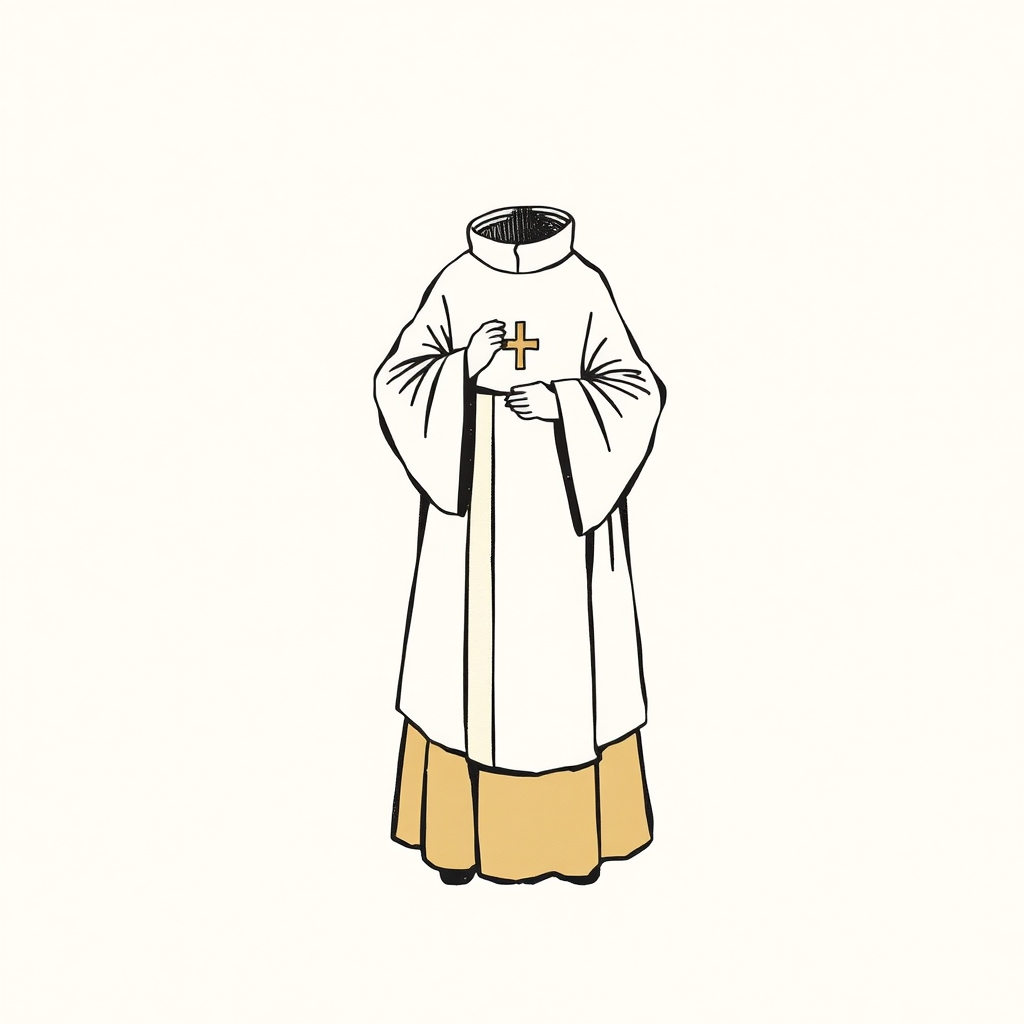
In iconography, Blessed Louise of Savoy is recognizable by: Franciscan habit.
What miracles are attributed to Blessed Louise of Savoy?
2 miracles are attributed to this saint, notably: Prophecy / infused knowledge and Sign / wonder.
Which saints were contemporaries of Blessed Louise of Savoy?
Contemporaries include: Blessed John of Jesus-Mary, Ana de Jesús, Venerable Anne of Jesus and Saint Francis de Sales (Bishop and Prince of Geneva).
When did Blessed Louise of Savoy die?
Blessed Louise of Savoy died around 1503.
Who are the relatives of Blessed Louise of Savoy?
Relatives of Blessed Louise of Savoy: Inconnu (husband).
Annexes & related entities
Structured data for exploration: events, miracles, quotes, places, attributes, patronages, and important entities cited in the text.
Key Events
- Marriage and spiritual influence on her husband in Chalon
- Widowed at the age of twenty-seven
- Entered religious life at the Franciscan monastery of Orbe
- Died at the age of forty-two in 1503
- Approval of cult by Gregory XVI in 1839