Saint Firmus of Thagaste
BISHOP OF TAGASTE, IN AFRICA, AND MARTYR (4th century).
Bishop of Tagaste in the 4th century, Firme distinguished himself by his firmness of character and charity. He preferred to endure the tortures of idolatrous emperors rather than surrender Octavian, a man who had taken refuge under his protection. His courage eventually inspired the prince's admiration, thus saving his protégé.
Contemporaries

Figures and markers around the normalized period for this entry.
Guided reading
4 reading sections
SAINT FIRME,
BISHOP OF TAGASTE, IN AFRICA, AND MARTYR (4th century).
Sources and testimonies
Presentation of historical and theological sources, notably the Annals of Baronius and the writings of Saint Augustine.
Baronius, in his Annals, praised our generous bishop. Before him, Saint Augustin e, in his book On Lying, addressed to Cons entius, had spoken of him in these terms:
Portrait of the Bishop
Description of the character of Firmus, Bishop of Tagaste, whose name reflects the firmness of his will and faith.
A man was found whom his virtues and his learning raised to the episcopal see of Tagaste (today Tagift or Souk Ahras, a ruined city of Numidia and the homeland of Saint Augustine). Firmus was h is name: he bore it well and his Acts always corresponded to it. It was customary to repeat in his praise: Our bishop is firm in name, but even firmer in will: Firmus nomine, firmius voluntate.
The Act of Charity and Martyrdom
Firme refuses to hand over Octavian to the imperial authorities, suffering martyrdom to protect his neighbor and remain faithful to his word.
An occasion arose where one could see this proverbial firmness of the pious and learned bishop shine in all its light. A man, pursued by the hatred of the idolatrous emperors who were the predecessors of the great Constantine, of happy memory, came to take refuge in the house of Firme: the latter covered him with his aegis and declared himself his protector. This man was name d Octavi an. An order from the emperor soon arrived, which enjoined the pious and compassionate bishop to hand over his protégé. Firme replied to the imperial agents: I can neither lie nor hand over a man: now, I have promised this man to shield him from the cruelty of your master. The emperor's envoys reported the Saint's words to their leader. Firme's charity cost him his life: there were no tortures that he did not endure at the hands of the idolatrous emperor; but his generous confession covered him with glory, and his memory will live throughout all centuries. Brought before the emperor, he inspired such admiration in the prince that he obtained the pardon of his protégé without difficulty.
Documentary References
Mention of the Acta Sanctorum and conclusion of the hagiographic notice.
Acta Sanctorum, July 8.
END OF THE MONTH OF JULY.
Iconography
Signs and attributes
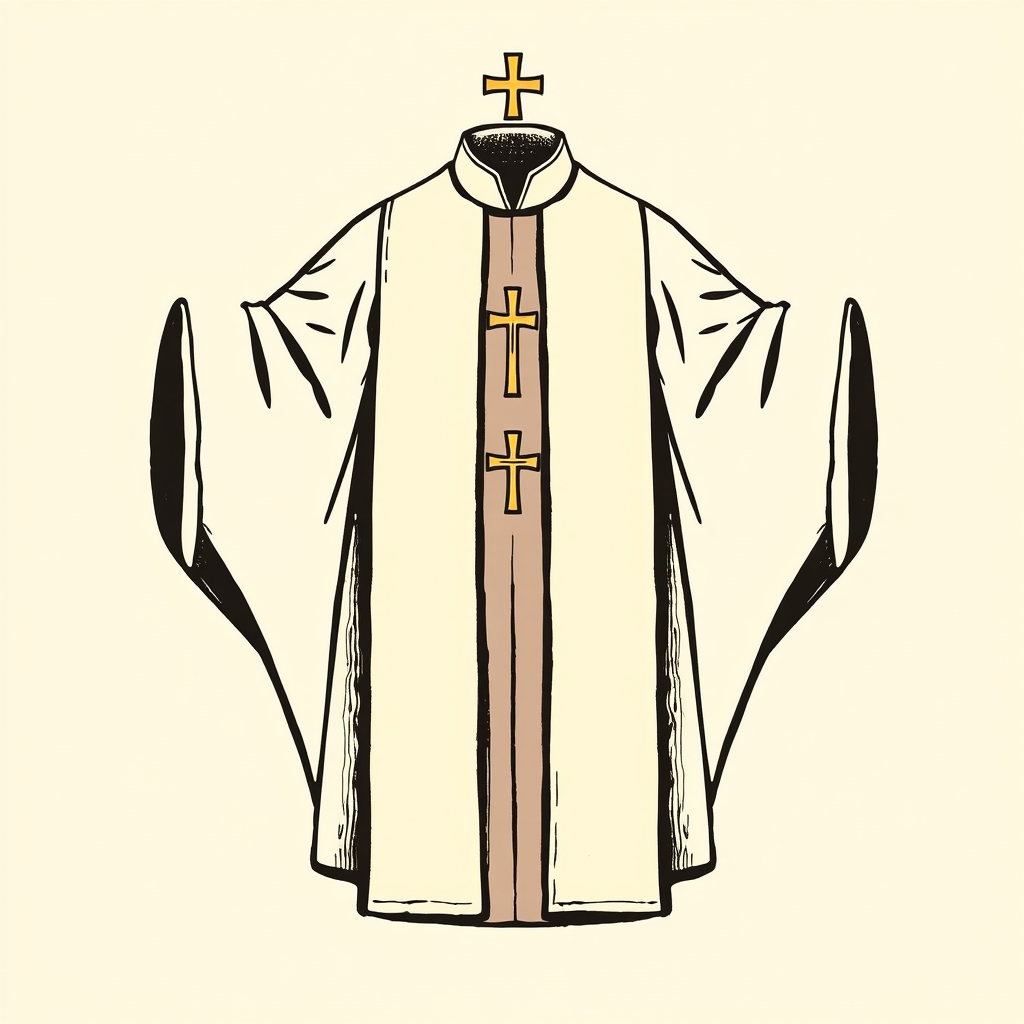
Entities
Narrative network
The names, places, and concepts most present in the entry, weighted by centrality in the text.
Frequently asked questions about Saint Firmus of Thagaste
Who was Saint Firmus of Thagaste?
Bishop of Tagaste in the 4th century, Firme distinguished himself by his firmness of character and charity. He preferred to endure the tortures of idolatrous emperors rather than surrender Octavian, a man who had taken refuge under his protection. His courage eventually inspired the prince's admiration, thus saving his protégé.
How is Saint Firmus of Thagaste depicted in Christian art?
In iconography, Saint Firmus of Thagaste is recognizable by: episcopal vestments.
How did Saint Firmus of Thagaste die?
Saint Firmus of Thagaste suffered martyrdom for the Christian faith (4th century).
Which saints were contemporaries of Saint Firmus of Thagaste?
Contemporaries include: Saint Blaise, Saint Hilary of Poitiers, Saint Basil the Great (Archbishop of Caesarea) and Saint Baudilus.
What are the other names of Saint Firmus of Thagaste?
Other forms of the name: Firmus.
Annexes & related entities
Structured data for exploration: events, miracles, quotes, places, attributes, patronages, and important entities cited in the text.
Key Events
- Elevation to the episcopal see of Tagaste
- Refuge granted to Octavian, who was being pursued by idolatrous emperors
- Refusal to surrender his protégé to imperial agents
- Endured multiple tortures
- Appearance before the emperor and obtaining a pardon for Octavian
Quotes
-
Firmus nomine, firmius voluntate
Proverb cited by Saint Augustine -
I can neither lie nor betray a man: now, I have promised this man to shield him from the cruelty of your master.
Firme's response to the imperial agents