Formerly a cantor at the court of Emperor Lothair, John became Bishop of Cambrai and Arras in 866 after a long vacancy of the see. A zealous prelate and friend of Hincmar of Reims, he participated in numerous councils and protected the property of the Church against pillaging. He died in 879, leaving a reputation for holiness confirmed by miraculous healings.
Contemporaries

Figures and markers around the normalized period for this entry.
Guided reading
4 reading sections
S. JOHN XIX, BISHOP OF CAMBRAI AND ARRAS
Context and episcopal election
After a three-year vacancy due to the intrigues of Emperor Lothair, John, a priest and cantor at the court, is elected bishop of Cambrai and Arras.
Quid, o homo, in omnibus es prudens, et circa te ipsum es insipiens?
O man! why be prudent in all things, and be foolish regarding yourself?
St. Bernard, Serm. de Miseria humana.
The Churches of Cambrai and Arras had been without a pastor for nearly three years, due to the intrigues of Emperor Lothair who sought to place unworthy men there, when at last God put an end to this calamity. It was within the very palace of this prince that He went to seek the man after His own heart, who was to govern these two dioceses and edify them by his virtues. This was the priest John, attached to th e court in the capacity of cantor of the chapel. He had known how to preserve, in this then-important office, a holy independence and the most inviolable fidelity. Thus he was received in Cambrai and Arras with testimonies of joy and respect. Hincmar, Archbishop of Reims, assisted by Bertulf of Trier and Odo of B eauvais, gave him e piscop al consecration (866). The new Pontiff discharged with zeal all the duties of his ministry, and repaired by his prudence the evils that the obstinacy of Lothair and the long vacancy of the see had caused. Afflicted by the scandalous disorders of the young emperor, with whom he had lived for several years, he groaned bitterly over them before the Lord and asked, for this soul led astray by passions, the grace of a sincere conversion.
Conciliar activity and defense of the Church
John participated in numerous regional councils and firmly opposed the spoliation of ecclesiastical property, particularly that of the Abbey of Lobbes.
This venerable bishop, during his episcopate, attended several councils where he distinguished himself by his spirit of conciliation and charity. He is found at Soissons in 866, at Troyes in 867, at Verberie in 869, at Douzi in 871, at Chalon-sur-Saône in 875, and finally at Ponthion in 876. As zealous for the defense of the rights of his Church as for the sanctification of souls, Saint John energetically opposed the enterprises of certain violent men who took advantage of public unrest to seize ecclesiastical property, and in particular that of the Abbey of Lobbes. He a lso took care of the relics that the sacrilegious greed of the Normans forced to be enclosed within the strongholds of the kingdom.
Relations with Hincmar of Reims
The bishop maintained a close friendship and intellectual collaboration with Archbishop Hincmar, exchanging texts by Saint Augustine and Bede the Venerable.
Flodoard , in his History of the Church of Reims, and other ancient authors, point out the intimate relations that existed between Archbishop Hincmar and the venerable John, who was one of his suffragans. They were united by a close friendship and had an equal ardor for working toward the sanctification of the people and the glory of the Church. We see, in a letter reported by Balderic in his chronicle of Cambrai and Arras, that Hincmar thanks Bishop John for the services he rendered him, and asks him to send him a sermon by Saint Augustine a s well as Bede 's commentary on the Proverbs.
Death, miracles and translation
John died in 879 after thirteen years of episcopate; his holiness was confirmed by miracles and his remains were later transferred to Notre-Dame de Cambrai.
After an episcopate of thirteen years, filled with tribulations and merits, this worthy bishop returned his soul to his Creator on August 5, 879, leaving his people a reputation for holiness that miracles have confirmed. It is reported, among other extraordinary facts, that a man, afflicted since childhood with a contraction of the nerves, and who had been brought on a cart near the Saint's tomb, found the healing of his infirmity there.
The body of Saint John was first deposited in the church of Sainte-Croix, in Cambrai; but, subse quently, Gerard I of F lorines transported it to the church of Notre-Dame, which had been repaired and enlarged.
Taken from the Lives of the Saints of the dioceses of Cambrai and Arras, by Abbé Destembes.
Iconography
Signs and attributes
Entities
Narrative network
The names, places, and concepts most present in the entry, weighted by centrality in the text.
The supernatural in their life
The miracles of Saint John XIX (Bishop of Cambrai and Arras)
Frequently asked questions about Saint John XIX (Bishop of Cambrai and Arras)
Who was Saint John XIX (Bishop of Cambrai and Arras)?
Formerly a cantor at the court of Emperor Lothair, John became Bishop of Cambrai and Arras in 866 after a long vacancy of the see. A zealous prelate and friend of Hincmar of Reims, he participated in numerous councils and protected the property of the Church against pillaging. He died in 879, leaving a reputation for holiness confirmed by miraculous healings.
What is Saint John XIX (Bishop of Cambrai and Arras) the patron saint of?
Patronage of Saint John XIX (Bishop of Cambrai and Arras): Cambrai and Arras.
What is Saint John XIX (Bishop of Cambrai and Arras) invoked for?
Saint John XIX (Bishop of Cambrai and Arras) is invoked for: nerve contraction and physical infirmities.
How is Saint John XIX (Bishop of Cambrai and Arras) depicted in Christian art?
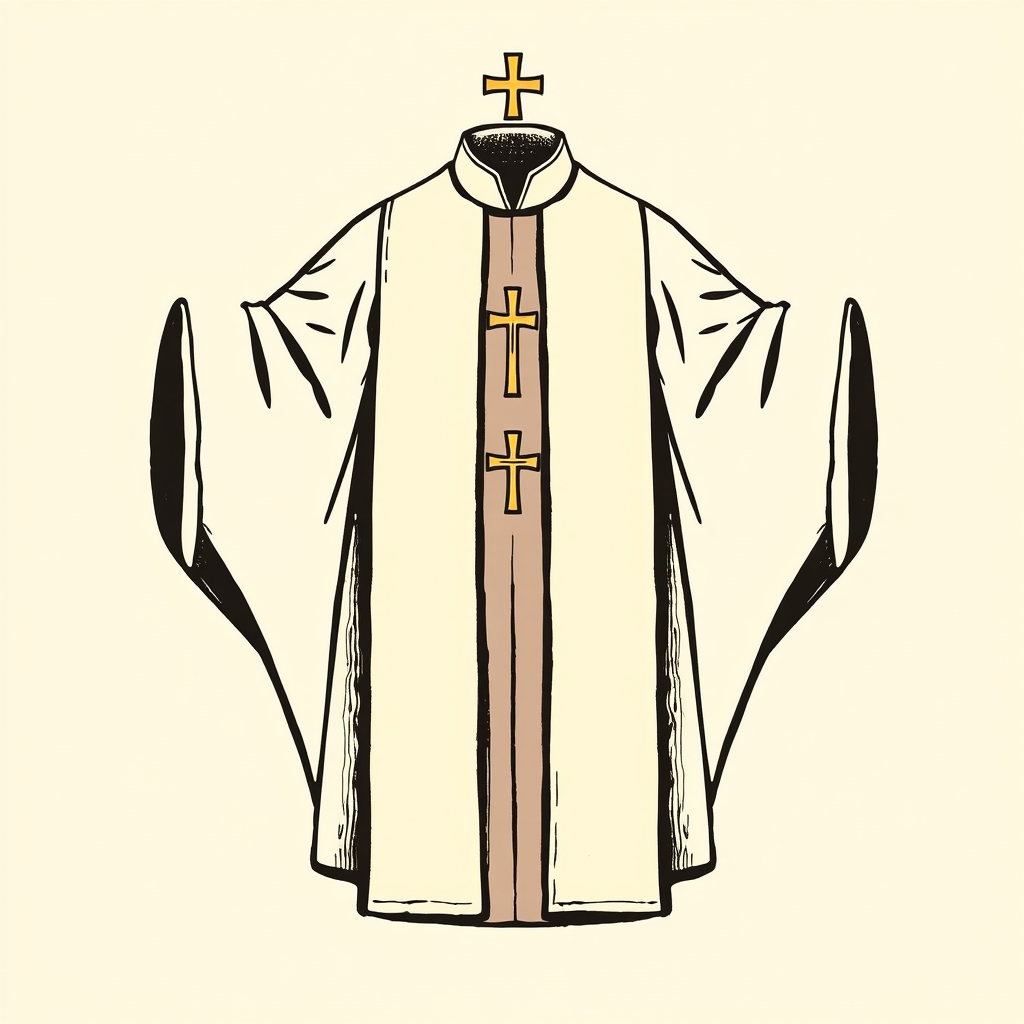
In iconography, Saint John XIX (Bishop of Cambrai and Arras) is recognizable by: episcopal vestments.
What miracles are attributed to Saint John XIX (Bishop of Cambrai and Arras)?
1 miracle are attributed to this saint, notably: Healing.
Which saints were contemporaries of Saint John XIX (Bishop of Cambrai and Arras)?
Contemporaries include: Saint Ansgar (Apostle of the North), Saint Bernard of Menthon (Apostle of the Alps), Saint Rumold (Rombaud) and Saint Zachary, Pope.
When did Saint John XIX (Bishop of Cambrai and Arras) die?
Saint John XIX (Bishop of Cambrai and Arras) died around 900.
What are the other names of Saint John XIX (Bishop of Cambrai and Arras)?
Other forms of the name: Jean.
Annexes & related entities
Structured data for exploration: events, miracles, quotes, places, attributes, patronages, and important entities cited in the text.
Key Events
- Chanter of the chapel at the court of Emperor Lothair
- Episcopal consecration by Hincmar of Reims in 866
- Participation in the councils of Soissons (866), Troyes (867), Verberie (869), Douzy (871), Chalon-sur-Saône (875), and Ponthion (876)
- Opposition to the spoliation of the property of Lobbes Abbey
- Protection of relics against the Normans
Quotes
-
Quid, o homo, in omnibus es prudens, et circa te ipsum es insipiens?
St. Bernard, Serm. de Miseria humana (as an epigraph)