Saint Leobald
Liebault
Born into a wealthy family, Saint Liébault renounced his possessions to become a monk at Saint-Aignan d'Orléans. With the consent of King Clovis II, he founded the famous monastery of Fleury (Saint-Benoît-sur-Loire) around 650. His relics were venerated in Troyes and Estissac before the French Revolution.
Contemporaries

Figures and markers around the normalized period for this entry.
Guided reading
4 reading sections
SAINT LIÉBAULT OR LÉOBALD, CONFESSOR,
FOUNDER OF THE MONASTERY OF FLEURY OR SAINT-BENOÎT-SUR-LOIRE, IN THE DIOCESE OF ORLÉANS (650).
Vocation and monastic life
Coming from a wealthy family, Liébault renounced the world to enter the Benedictine monastery of Saint-Aignan in Orléans, of which he became the superior.
Saint Liébault (Leobaldus) was from a rich and opulent family. The goods of the earth were not, however, able to keep him in the world, and he bade them a generous farewell to retire to the Benedictine convent of Saint-Aigna n in Orléans. He did n ot take long to be noticed there for his admirable patience and his rare virtues, and he deserved to be chosen to govern the community.
Foundation of the Abbey of Fleury
With the agreement of King Clovis II, Liébault founded the monastery of Fleury in exchange for his personal property and entrusted its direction to Saint Mommole.
However, God called him to be the spiritual father of another religious family; He inspired in him the desire to found a monastery. Liébault therefore went to find the King of F rance, Cl ovis II, begging him to allow him to build a monastery on the territory of Fl eury (Loiret), and offering him in exchange all the goods he had inherited from his parents. The King consented, and Liébault began the work, which, promptly completed, gave rise to a large number of religious. He placed at their head the illustrious Mo mmole, whose life we present on this day. Liébault, full of days and merits, finally went to receive the eternal reward, around the year 650.
Cult and translation of the relics
The text traces the history of the saint's relics between Saint-Mesmin, Troyes, and Estissac, until their dispersal during the Revolution.
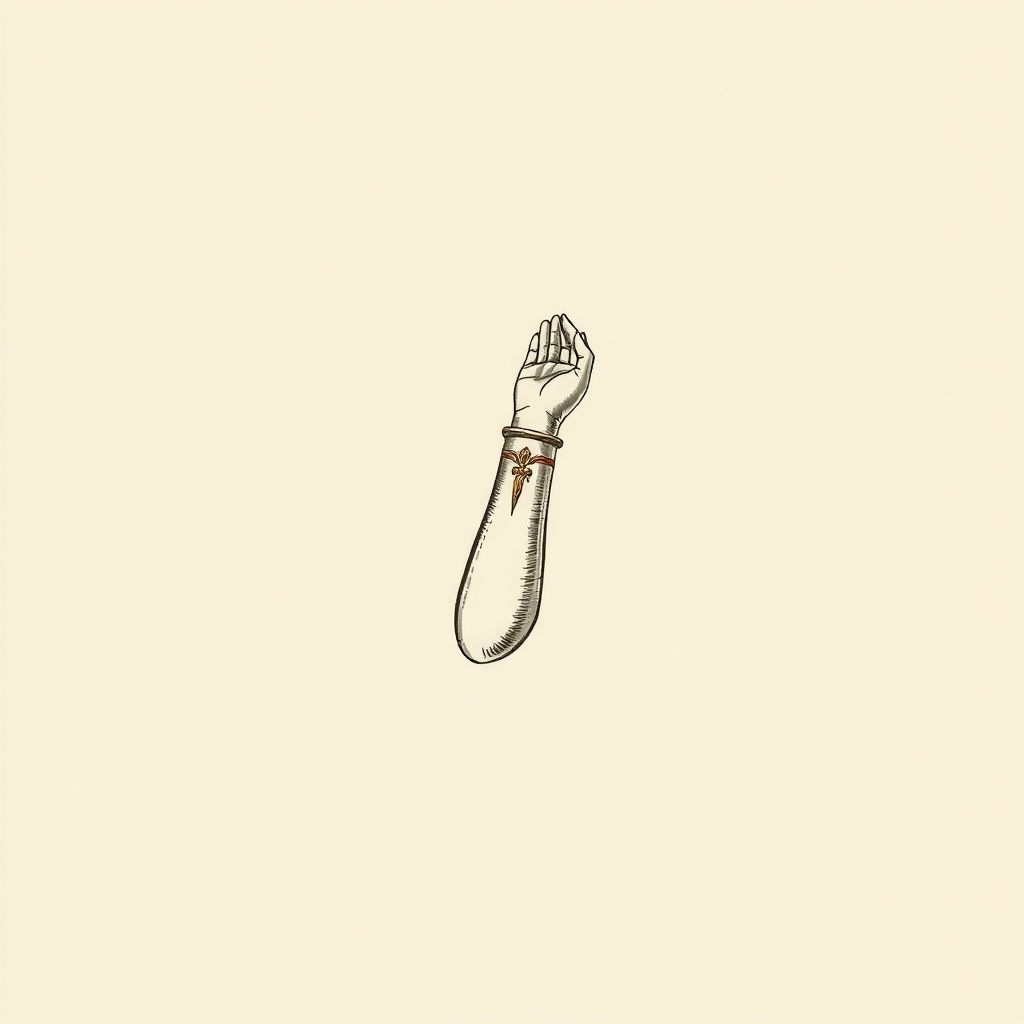
His head rested for a long time in the chur ch of Saint- Mesmin, at the priory of th at name, and Mgr Loui s de Lorraine visited it on April 15, 1554. The nuns of Notre-Dame aux Nonnains in Troyes possessed a significant bone which they had enclosed in a silver arm. In the year 1612, a fragment was detached from it and given to the church of the village of Saint-Liébault (today Estiss ac). The greater part of these precious relics must have been dispersed by the revolutionary storm.
Hagiographic sources
Mention of the reference work used for this biography, written by Abbé Dofer.
Les Saints de Troyes, by Abbé Dofer.
Iconography
Signs and attributes
Entities
Narrative network
The names, places, and concepts most present in the entry, weighted by centrality in the text.
Frequently asked questions about Saint Leobald (Liebault)
Who was Saint Leobald (Liebault)?
Born into a wealthy family, Saint Liébault renounced his possessions to become a monk at Saint-Aignan d'Orléans. With the consent of King Clovis II, he founded the famous monastery of Fleury (Saint-Benoît-sur-Loire) around 650. His relics were venerated in Troyes and Estissac before the French Revolution.
What is Saint Leobald (Liebault) the patron saint of?
Patronage of Saint Leobald (Liebault): Estissac and Fleury Abbey.
How is Saint Leobald (Liebault) depicted in Christian art?
In iconography, Saint Leobald (Liebault) is recognizable by: silver arm (reliquary).
Which saints were contemporaries of Saint Leobald (Liebault)?
Contemporaries include: Saint Priest (Prix), Saint Gregory the Great (Pope and Doctor of the Church), Saint Die (Didier, Deodat) and Saint Augustine of Canterbury.
When did Saint Leobald (Liebault) die?
Saint Leobald (Liebault) died around 650.
What are the other names of Saint Leobald (Liebault)?
Other forms of the name: Léobald and Leobaldus.
Annexes & related entities
Structured data for exploration: events, miracles, quotes, places, attributes, patronages, and important entities cited in the text.
Key Events
- Entered the Benedictine monastery of Saint-Aignan in Orléans
- Election as superior of the Saint-Aignan community
- Donation of his personal assets to King Clovis II to found a monastery
- Foundation of the monastery of Fleury (Saint-Benoît-sur-Loire)
- Installation of Mommole as head of the new monastery