Our Lady of Beaune
Virgin of Good Succor
Venerated in Beaune since the 10th century, this wooden Black Madonna is famous for her numerous miracles, notably in 1290 and during the cholera epidemics of the 19th century. She is depicted on the city's coat of arms holding a bunch of grapes. Her sanctuary, the Insigne Collégiale Notre-Dame, remains a major center of devotion in the Diocese of Dijon.
Contemporaries

Figures and markers around the normalized period for this entry.
Guided reading
4 reading sections
OUR LADY OF BEAUNE, IN THE DIOCESE OF DIJON.
Origins and description of the statue
The church of Notre-Dame de Beaune, heir to Saint-Baudèle, houses a carved wooden Black Madonna, patroness of the city, honored by Pope Sixtus IV.
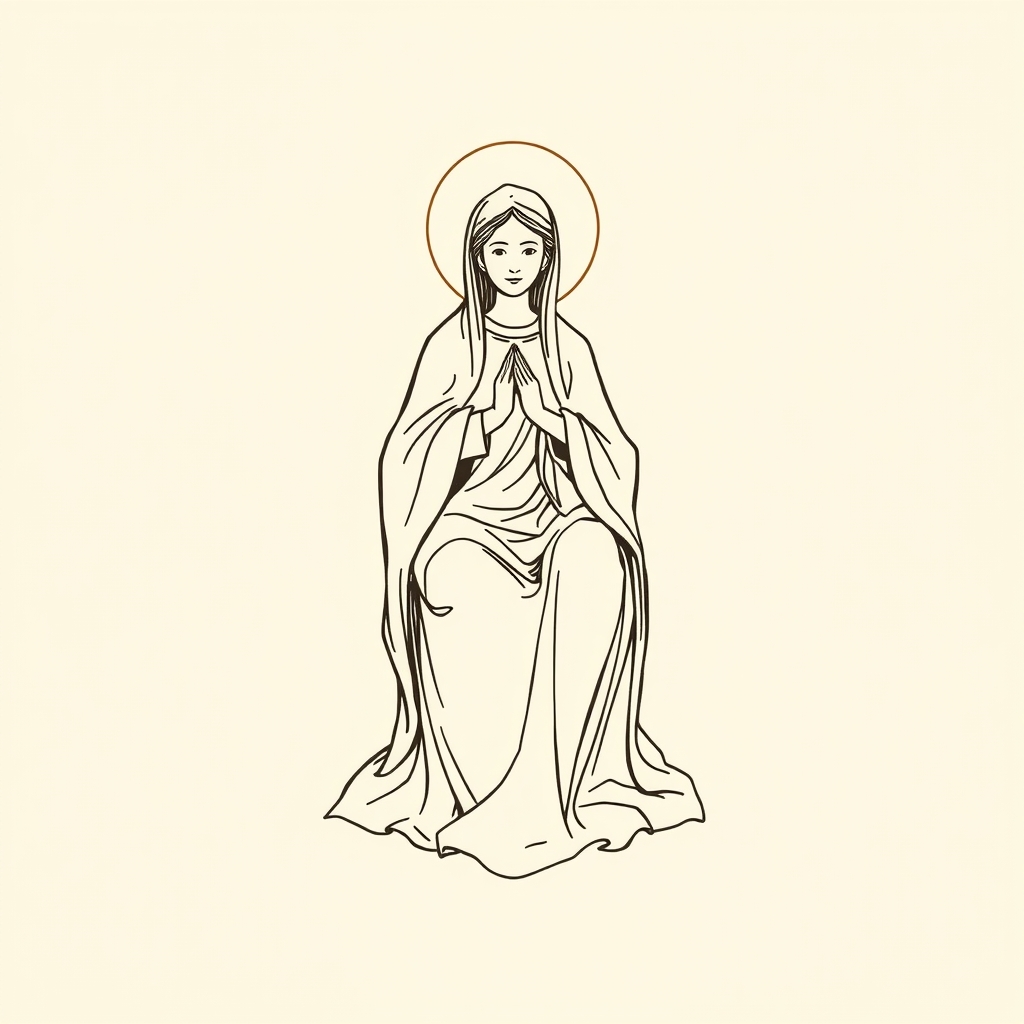
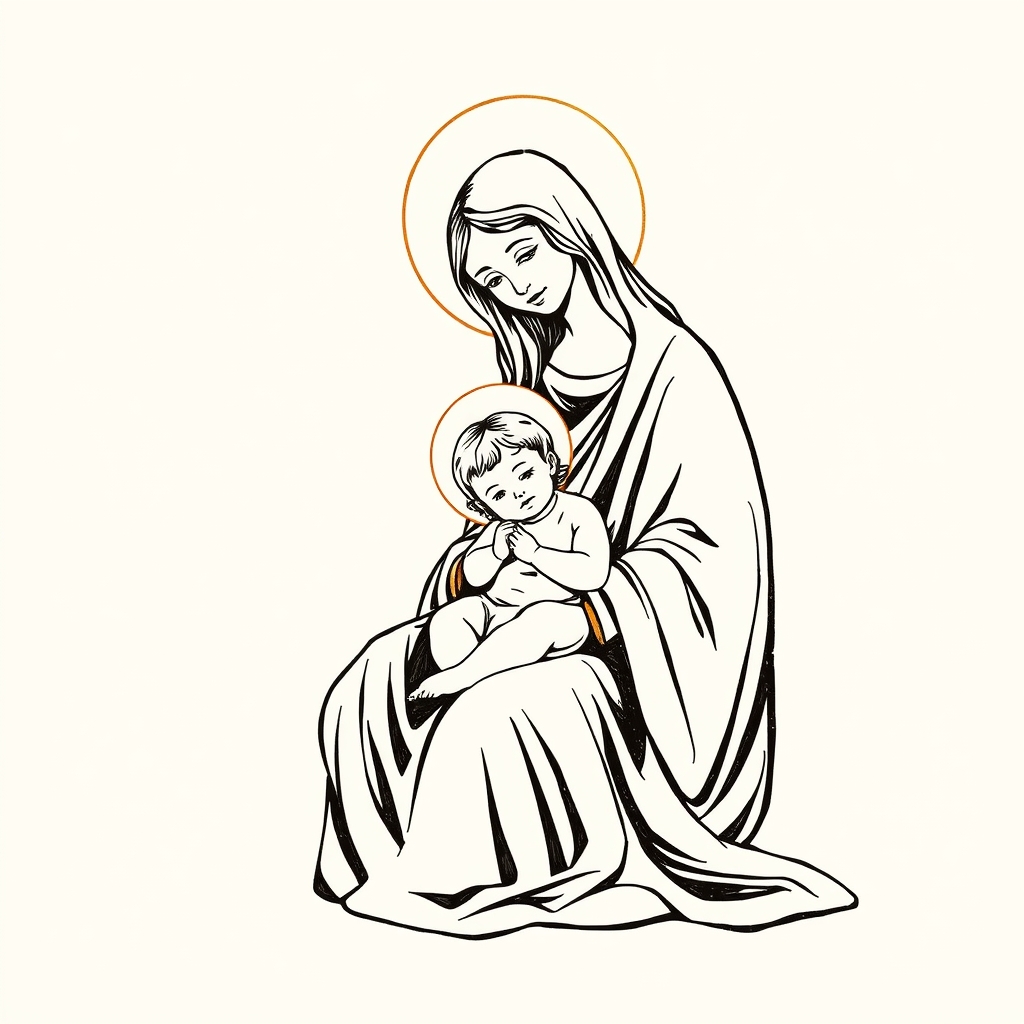
The churc h of Notre-Dame de B eaune, daughter and heir of Saint-Baudèle, the primitive parish, built but not completed in 976, was decorated by Pope Sixtus IV with the title and prerogatives of an Illustrious Collegiate Church. At its apse opens the largest of the many chapels that radiate around its naves. It was once the most venerable: under its austere vault rested the image of the Virgin of Good Succor , patroness and glory of the city. This image, in black wood, carved by an unskilled hand, represents the Blessed Virgin seated with the Child God on her knees.
Miracles and medieval influence
A 13th-century legendary reports numerous miraculous healings, attracting pilgrims from distant regions such as Lorraine.
There, every day, the faithful pressed forward to implore the protection of the Queen of Heaven, and the Queen of Heaven poured out her graces and favors there in abundance. A 13th-century legendary, wri tten by Pierre de Marcilly, dean of the collegiate chapter, doctor of theology, and censor, contains the account of twenty-four miracles performed during the single year of 1290. These are, for the most part, healings of paralysis or incurable contractions, and almost all took place on a Saturday.
It was not only from Beaune and the surrounding area that the sick flocked to the feet of Our Lady: one of the miracles in the legendary is in favor of a poor woman who came from the dep ths of Lorraine.
Stillborn children were also brought to the altar of the Black Virgin so that they might return to life and receive holy Baptism; the sick confined to their beds requested the ornaments that surrounded the holy image, in order to touch them and be healed; and, in gratitude for the graces obtained, many made rich offerings: precious fabrics, gold crowns, and rings enhanced with gemstones.
Protection of the city and historical survival
Saved during the Revolution, the statue was successfully invoked against cholera in the 19th century and appears on the coat of arms of Beaune.
Time has not weakened the piety of the people of Beaune: the image, saved during the Revolution by a pious schoolteacher, is now placed in the transept, to the right of the high altar, and there, as in the past, the cry of love and hope is repeated to her: Marie, mater gratiæ.
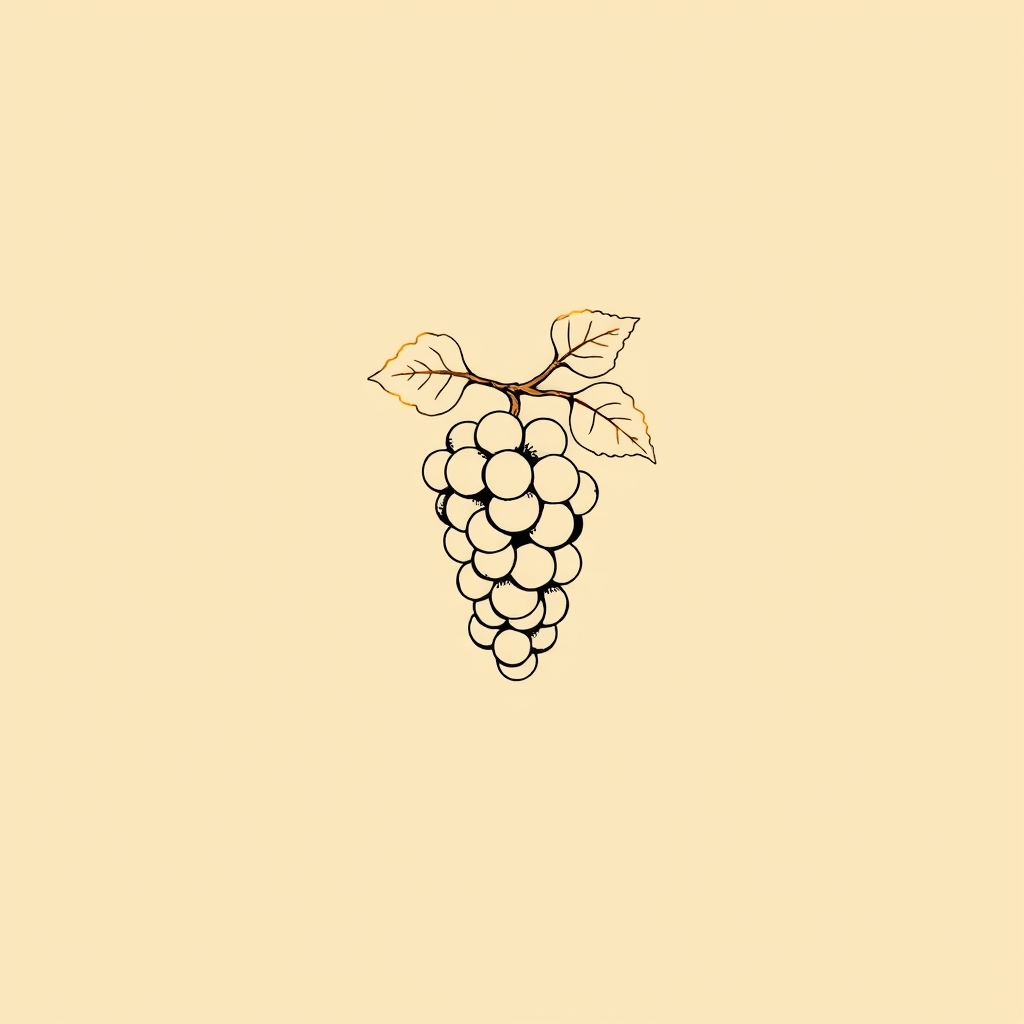
In 1832, B eaune, threatened b y chole ra, had recourse to its august patroness and was delivered from the scourge. In gratitude, the faithful erected a new altar to Mary and had the testimony of this signal favor engraved on marble in letters of gold. Likewise, in 1854, the city pressed to the feet of its "safeguard," carried her venerated image in procession, and escaped the danger. "Honor of the city and of the world, orbis et urbis honor," she is represented on the city's coat of arms, standing with her brow haloed in gold, carrying her son on her left arm, and holding in her right hand a vine branch with a grape.
Bibliographic source
The text is extracted from the work of Abbé Duplus on the lives of the saints of the diocese of Dijon.
Excerpt from the Life of the Saints of the diocese of Di jon, by Abb é Duplus.
Iconography
Signs and attributes

Entities
Narrative network
The names, places, and concepts most present in the entry, weighted by centrality in the text.
The supernatural in their life
The miracles of Our Lady of Beaune (Virgin of Good Succor)
Frequently asked questions about Our Lady of Beaune (Virgin of Good Succor)
Who was Our Lady of Beaune (Virgin of Good Succor)?
Venerated in Beaune since the 10th century, this wooden Black Madonna is famous for her numerous miracles, notably in 1290 and during the cholera epidemics of the 19th century. She is depicted on the city's coat of arms holding a bunch of grapes. Her sanctuary, the Insigne Collégiale Notre-Dame, remains a major center of devotion in the Diocese of Dijon.
What is Our Lady of Beaune (Virgin of Good Succor) the patron saint of?
Patronage of Our Lady of Beaune (Virgin of Good Succor): Beaune.
What is Our Lady of Beaune (Virgin of Good Succor) invoked for?
Our Lady of Beaune (Virgin of Good Succor) is invoked for: healing of paralysis, incurable contractions, stillborn children (baptism), cholera and protection of the city.
How is Our Lady of Beaune (Virgin of Good Succor) depicted in Christian art?
In iconography, Our Lady of Beaune (Virgin of Good Succor) is recognizable by: black wood, Seated Virgin, Christ Child on her lap, vine branch with a grape and forehead with a golden nimbus.
What miracles are attributed to Our Lady of Beaune (Virgin of Good Succor)?
4 miracles are attributed to this saint, notably: Healing, Resurrection and Protection / deliverance.
Which saints were contemporaries of Our Lady of Beaune (Virgin of Good Succor)?
Contemporaries include: Saint Bernard of Menthon (Apostle of the Alps), Saint Ansgar (Apostle of the North), Saint Stephen of Hungary and Saint Anselm of Canterbury.
What are the other names of Our Lady of Beaune (Virgin of Good Succor)?
Other forms of the name: Vierge de Bon Secours, Vierge-Noire and Sauvegarde.
Who are the relatives of Our Lady of Beaune (Virgin of Good Succor)?
Relatives of Our Lady of Beaune (Virgin of Good Succor): Enfant-Dieu (son).
Annexes & related entities
Structured data for exploration: events, miracles, quotes, places, attributes, patronages, and important entities cited in the text.
Key Events
- Construction of the church in 976
- Compilation of a legendary by Pierre de Marcilly in the 13th century
- Twenty-four miracles performed in 1290
- Rescue of the image during the Revolution by a schoolteacher
- Deliverance from cholera in 1832
- Protection of the city in 1854
Quotes
-
Marie, mater gratiæ
Local liturgical tradition -
Orbis et urbis honor
Coat of arms of the city of Beaune