Saint Hunegund
A noblewoman from Vermandois baptized by Saint Eligius, Hunegonde refused marriage to dedicate herself to God. During a pilgrimage to Rome, she received the veil from Pope Martin I before becoming Abbess of Homblières. She died in 690 after transforming her former fiancé into the temporal protector of her monastery.
Contemporaries

Figures and markers around the normalized period for this entry.
Guided reading
5 reading sections
SAINT HUNEGONDE, VIRGIN, ABBESS OF HOMBLIÈRES,
Youth and Vocation
Born into a noble family of the Vermandois, Hunegonde was baptized by Saint Eligius and refused marriage to dedicate herself to God.
IN THE DIOCESE OF SOISSONS (690 ). Saint Hunegon de, born of a noble family, was born in the village of Lambay, in the Vermandois; she was held at the baptismal font by Sai nt Eligius , Bishop of Noyon. After the death of this holy bishop (659), who supported her in the firm resolution she had taken to remain a virgin all her life, her parents wanted her to enter into the state of marriage. Knowing that Eudalde, who was proposed to her as a husband, possessed piety, she obtained his agreement that they would make a pilgrimage to Rome together before the celebration of their wedding. But when she arrived in that city, she received the veil from th e hands of Pope Martin I. Eudalde, irritated by such conduct, departed for France. As for the Saint, she spent some time in Rome, in the practice of the greatest mortifications.
The pilgrimage to Rome
Under the pretext of a pilgrimage before her wedding, she traveled to Rome where she received the veil from the hands of Pope Martin I.
She then returned to the Vermandois and went to enclose herself in the Benedictine monastery of Homblières (Humolaria), located a league from the city of Saint-Quentin (Aisne), in the diocese o f Soiss ons. Eudalde, filled with admiration for the virtues of Hunegonde, devoted himself to the service of the church of Homblières. He even left all his property to the monastery. Hunegonde having become abbess, he took charge of the affairs that the nuns had outside, and was like their procurator. After his death, he was buried in the cloister. Hunegonde was in prayer when she was struck by the illness from which she died. Feeling close to her final hour, she had the Extreme Unction and the Holy Viaticum administered to her. She expired on the ashes on August 25, around the year 690. Her body was raised from the ground because of the miracles that were occurring at her tomb, on October 6, 946. Since then, there have been several translations of her relics.
Monastic life at Homblières
Upon returning to France, she became abbess of the monastery of Homblières, joined by her former suitor Eudalde, who dedicated himself to the service of the abbey.
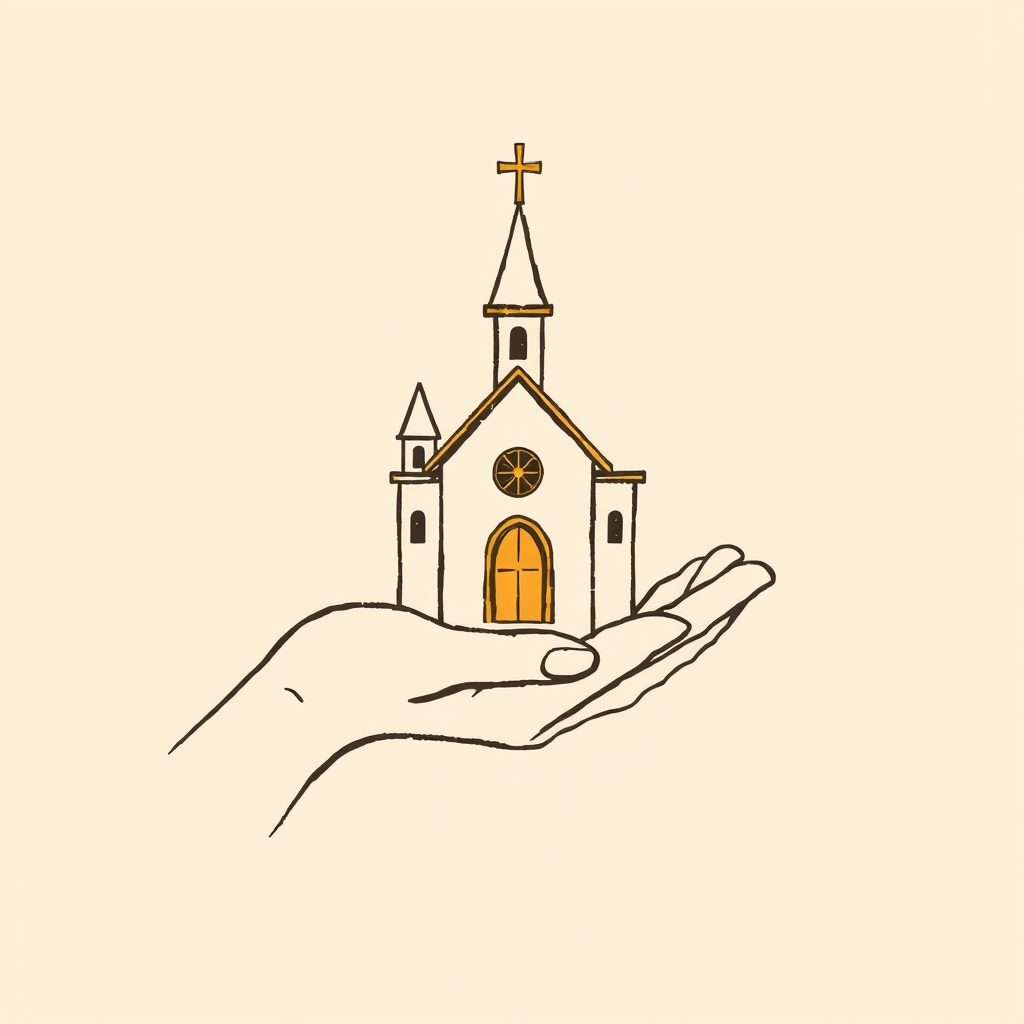
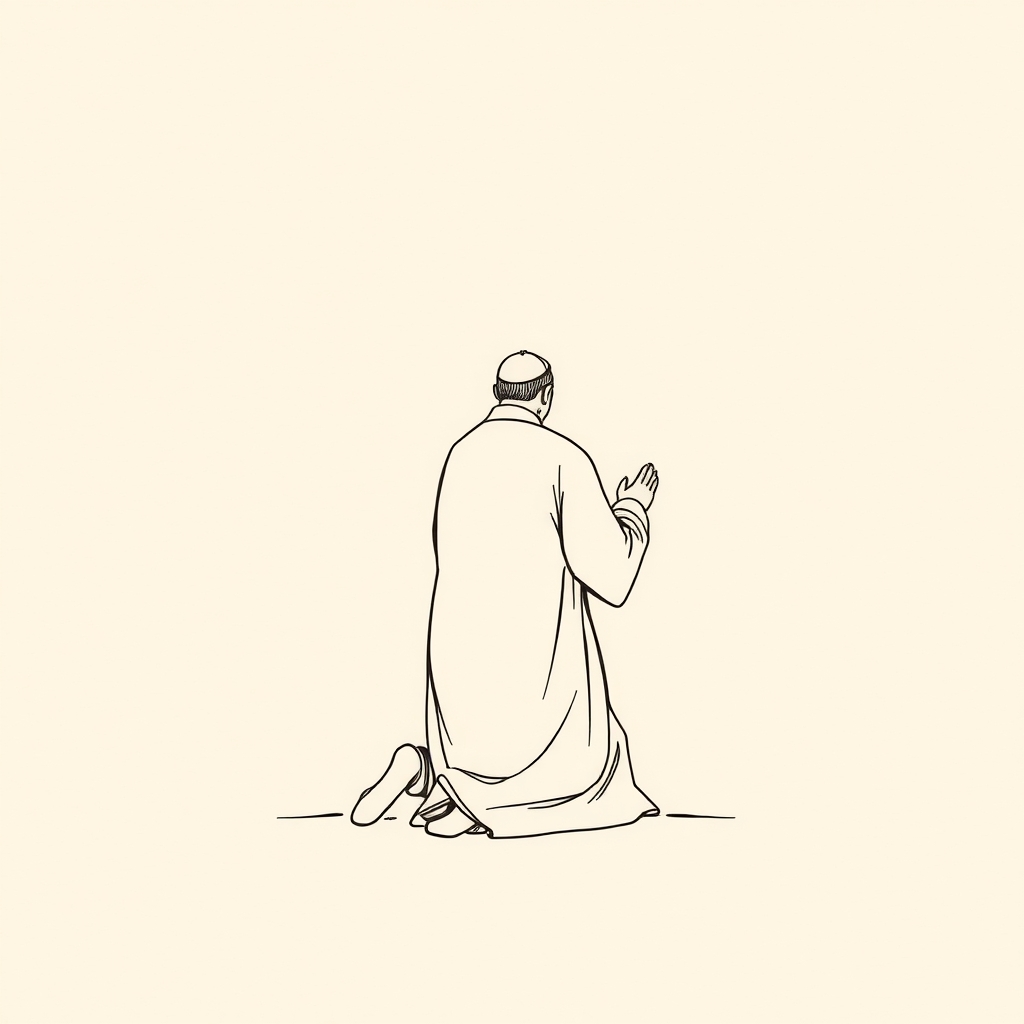
Saint Hunegonde is depicted carrying a church in her hand. This image serves as a reminder that she used her entire fortune to build a monastery. In other images, she is seen kneeling at the feet of a Pope, to recall that while in Rome with the man she was intended to marry, she prayed to the Sovereign Pontiff to grant her the religious veil.
Death and posterity
Hunegund died around 690; her cult is marked by miracles and an iconography representing her with a church or at the feet of the Pope.
She is, along w ith Saint Ste phen and Saint Eligius, the patron saint of Homblières.
Hagiographic sources
The information comes from the works of Godescard and the Proper of the Diocese of Soissons.
Godescard and Proper of Soissons.
Iconography
Signs and attributes
Entities
Narrative network
The names, places, and concepts most present in the entry, weighted by centrality in the text.
The supernatural in their life
The miracles of Saint Hunegund
Frequently asked questions about Saint Hunegund
Who was Saint Hunegund?
A noblewoman from Vermandois baptized by Saint Eligius, Hunegonde refused marriage to dedicate herself to God. During a pilgrimage to Rome, she received the veil from Pope Martin I before becoming Abbess of Homblières. She died in 690 after transforming her former fiancé into the temporal protector of her monastery.
What is Saint Hunegund the patron saint of?
Patronage of Saint Hunegund: Homblières.
How is Saint Hunegund depicted in Christian art?
In iconography, Saint Hunegund is recognizable by: church in her hand and kneeling at the feet of a Pope.
What miracles are attributed to Saint Hunegund?
1 miracle are attributed to this saint, notably: Sign / wonder.
Which saints were contemporaries of Saint Hunegund?
Contemporaries include: Saint Priest (Prix), Saint Gregory the Great (Pope and Doctor of the Church), Saint Die (Didier, Deodat) and Saint Augustine of Canterbury.
When did Saint Hunegund die?
Saint Hunegund died around 700.
Annexes & related entities
Structured data for exploration: events, miracles, quotes, places, attributes, patronages, and important entities cited in the text.
Key Events
- Baptism by Saint Eligius
- Pilgrimage to Rome with her fiancé Eudalde
- Received the veil from the hands of Pope Martin I
- Entered the Benedictine monastery of Homblières
- Election as abbess
- Elevation of the body on October 6, 946