Saint Julian of Brioude
SAINT MOSES THE ETHIOPIAN,
A high-ranking soldier in Vienne under Diocletian, Julian retired to Brioude to escape the early persecutions. Driven by a desire for martyrdom, he surrendered himself to the soldiers and was beheaded. His tomb was miraculously identified by Saint Germanus of Auxerre in the 5th century.
Contemporaries

Figures and markers around the normalized period for this entry.
Guided reading
5 reading sections
SAINT JULIAN OF BRIOUDE, SOLDIER AND MARTYR (4th century).
SAINT MOSES THE ETHIOPIAN,
Origins and military context
Julien, from a noble family of Vienne, serves as an officer in Diocletian's army while secretly practicing his faith.
There is no profession, however antipathetic to religion as human prejudices may suppose it to be, in which one cannot be saved: Saint Julien of Brioude is an admirabl e proof of this. He belonged to one of the best families of Vienne, in Dauphiné (Isère), and he held a high rank in the army of the Emperor Diocletian. He encouraged himself in the faith by the example of the tribune Ferré ol, who had of fered him hospitality and who also worshipped Jesus Christ. When the persecution was declared in the Gauls and Crispin, governor of the Viennese province, had promulgated the imperial decrees against the Christians, Julien left the house of Saint Ferréol and withdrew to Brioude (Haute-Loi re), to the home of a pious widow who hid him from the searches of the persecutors.
The voluntary martyrdom
Refusing to hide any longer, Julian gives himself up to the imperial soldiers and dies by beheading out of a desire to join Christ.
However, Julian had not left Vienne for fear of death: on the contrary, he desired nothing so much as the glory of martyrdom. Thus, informed that the emperor's satellites were searching for him everywhere, he went to meet them and said to them with intrepidity: "It is remaining too long in this world, I burn with an ardent desire to be reunited with Jesus Christ." He had barely finished speaking when the soldiers cut off his head. This was at the beginning of the 4th century.
Discovery of the burial place
The burial place of Julian, which had remained secret, was miraculously revealed to Saint Germanus of Auxerre around the year 431.
The location of the Saint's burial remained unknown for a long time. God revealed it miraculo usly to Saint Germanus of Auxerre when he passed through Brioude on his return from Arles, around the year 431.
Expansion of the cult and relics
The cult of the saint spread widely, notably in the dioceses of Troyes and Nevers, through churches and relics.
The Acts of his life and martyrdom are reproduced in a magnificent stained-glass window that the parish priest of Saint-Julien, near Troyes, has just had installed in the sanctuary of the church. Several chur ches in the dioce se of Nevers, Mars-sur-Allier, Mesves, Dornes, and Fleury-sur-Loire, honor him as their patron. The cathedral possesses an arm of Saint Julian, encased in a silver reliquary; the parish of Mesves also possesses a portion of his relics. The parishes of Dierrey, Saint-Nabord, and Saint-Julien, near Troyes, also recognize our Saint as their patron.
Documentary sources
The biography is based on the works of Abbé Defor and Monseigneur Crosnier concerning the saints of Troyes and Nevers.
Taken from the Saints of Troyes, by Abbé Defor; and from the Hagiology of Neve rs, by Mgr Crosnier.
Iconography
Signs and attributes

Entities
Narrative network
The names, places, and concepts most present in the entry, weighted by centrality in the text.
The supernatural in their life
The miracles of Saint Julian of Brioude
Frequently asked questions about Saint Julian of Brioude
Who was Saint Julian of Brioude?
A high-ranking soldier in Vienne under Diocletian, Julian retired to Brioude to escape the early persecutions. Driven by a desire for martyrdom, he surrendered himself to the soldiers and was beheaded. His tomb was miraculously identified by Saint Germanus of Auxerre in the 5th century.
What is Saint Julian of Brioude the patron saint of?
Patronage of Saint Julian of Brioude: Mars-sur-Allier, Mesves, Dornes, Fleury-sur-Loire, Dierrey, Saint-Nabord and Saint-Julien near Troyes.
How is Saint Julian of Brioude depicted in Christian art?
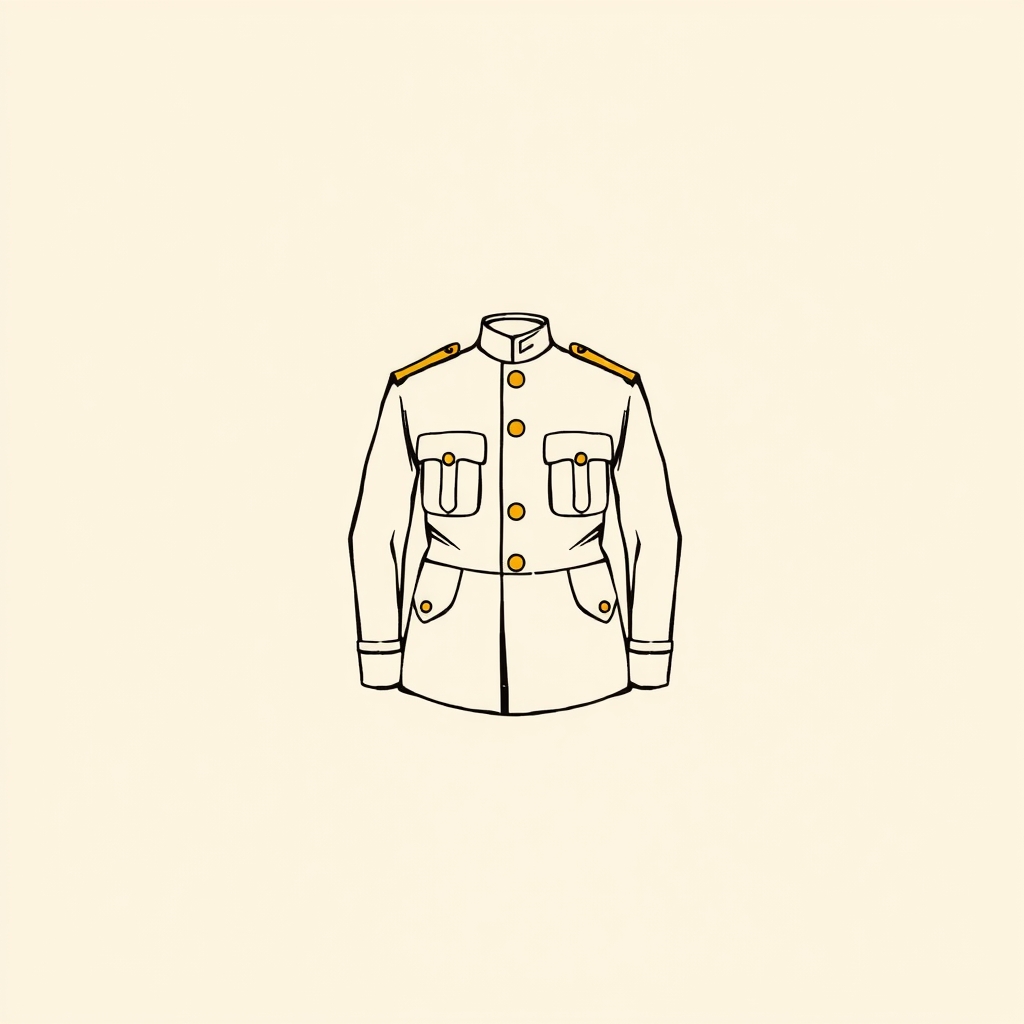
In iconography, Saint Julian of Brioude is recognizable by: severed head and soldier's uniform.
How did Saint Julian of Brioude die?
Saint Julian of Brioude suffered martyrdom for the Christian faith (4th century).
What miracles are attributed to Saint Julian of Brioude?
1 miracle are attributed to this saint, notably: Sign / wonder and Prophecy / infused knowledge.
Which saints were contemporaries of Saint Julian of Brioude?
Contemporaries include: Saint Blaise, Saint Hilary of Poitiers, Saint Basil the Great (Archbishop of Caesarea) and Saint Baudilus.
Annexes & related entities
Structured data for exploration: events, miracles, quotes, places, attributes, patronages, and important entities cited in the text.
Key Events
- High-ranking military service under Diocletian
- Hospitality at the home of the tribune Ferréol in Vienne
- Fled to Brioude during the persecution of Crispin
- Took refuge with a pious widow
- Voluntarily surrenders to imperial soldiers
- Decapitation
- Miraculous discovery of his tomb by Saint Germanus of Auxerre around 431
Quotes
-
It is staying too long in this world; I burn with an ardent desire to be reunited with Jesus Christ
Words reported at the time of his arrest