Saint Cadoc
A Welsh prince who became a monk, Saint Cadoc founded the abbey of Llancarvan before exiling himself to Armorica to flee the Saxons. After evangelizing the Morbihan, he returned to Great Britain where he was assassinated by a spear thrust from a Saxon chieftain while celebrating Mass at Weedon.
Contemporaries

Figures and markers around the normalized period for this entry.
Guided reading
5 reading sections
SAINT CADOC OR CADOC,
Youth and monastic formation
Son of King Gundliew in Cambria, Cadoc renounced the throne for a life of study and asceticism, training in Ireland at Lismore before returning to Britain.
IN GREAT BRITAIN (490). Gundliew or Guen-Liou, nickna med the Warrior, one of the petty kings of southern Cambria, was the father of Saint Cadoc: he was baptized by a pious Irish hermit who took charge of his education. After spending twelve years with him, the young prince, preferring the solitary life to his father's throne, went to train for three years at Lismore, a monastic s chool a lready famous, then returned to Cambria to continue his studies with a famous Breton rhetorician. Soon resolved to embrace the monastic life, Cadoc went deep into a forest where he founded the famous abbey of Llancarvan (Ecclesia Cervo rum), whic h takes its name from the famous legend according to which two stags from the nearby forest had come one day to replace two lazy and unruly monks who had refused to go to the work required for the construction of the monastery.
Foundation of Llancarvan
The saint founded the abbey of Llancarvan, illustrated by the legend of stags coming to replace rebellious monks at work.
However, the invasion of the idolatrous S axons, with all the horrors and profanations that accompanied it, successively reached the banks of the Severn and the Usk, which bounded Cadoc's monastic domains. He felt obliged to leave Cambria and set sail for Armorica, where so many illustrious refugees had preceded him, having become the apostles and legendary patrons of that glorious land. There, he founded a new monastery on a small, deserted island in the Morbihan Archipelago, which is still shown near the Ilhuys peninsula; he trained numerous disciples there. This island is in the current parish of Belz (arrondissement of Lorient); it is still called *Saint-Cadoc Island*, and its chapel is the destination of a pil grimage.
Exile and Apostolate in Armorica
Fleeing the Saxon invasion, Cadoc settled in Armorica in the Morbihan, where he founded a monastery on an island that bears his name today.
After a stay of several years in Armorica, Cadoc left his flourishing new community under the governance of another pastor, and returned to Great Britain to console the many Christians who had survived the massacres of the conquest and were living under the yoke of a pagan race. He settled in Weedon (Northamptonshire): martyrdom awaited him there. One morning, as he was celebrating the divine sacrifice, a marauding band of Saxon warriors on h orseback entered the temple and rushed toward the altar. The Saint continued the sacrifice: a Saxon chief, spurring his horse and brandishing his spear, went straight to him and struck him in the heart. Cadoc fell to his knees, and his last wish, his last thought, were still for his dear compatriots. He is honored as a Martyr, in Vannes, on September 21.
Return to Great Britain and martyrdom
Having returned to support the Christians under the Saxon yoke, he is murdered by a barbarian chieftain while celebrating Mass at Weedon.
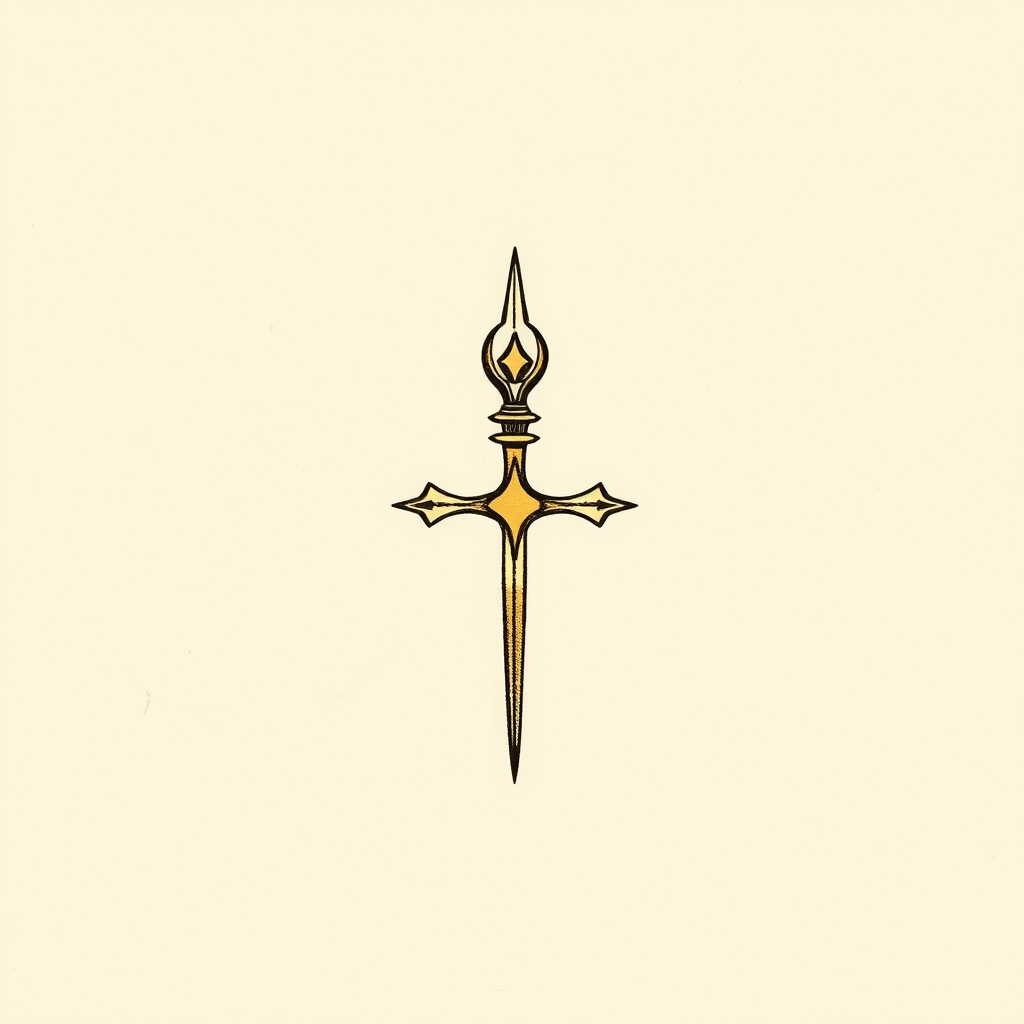
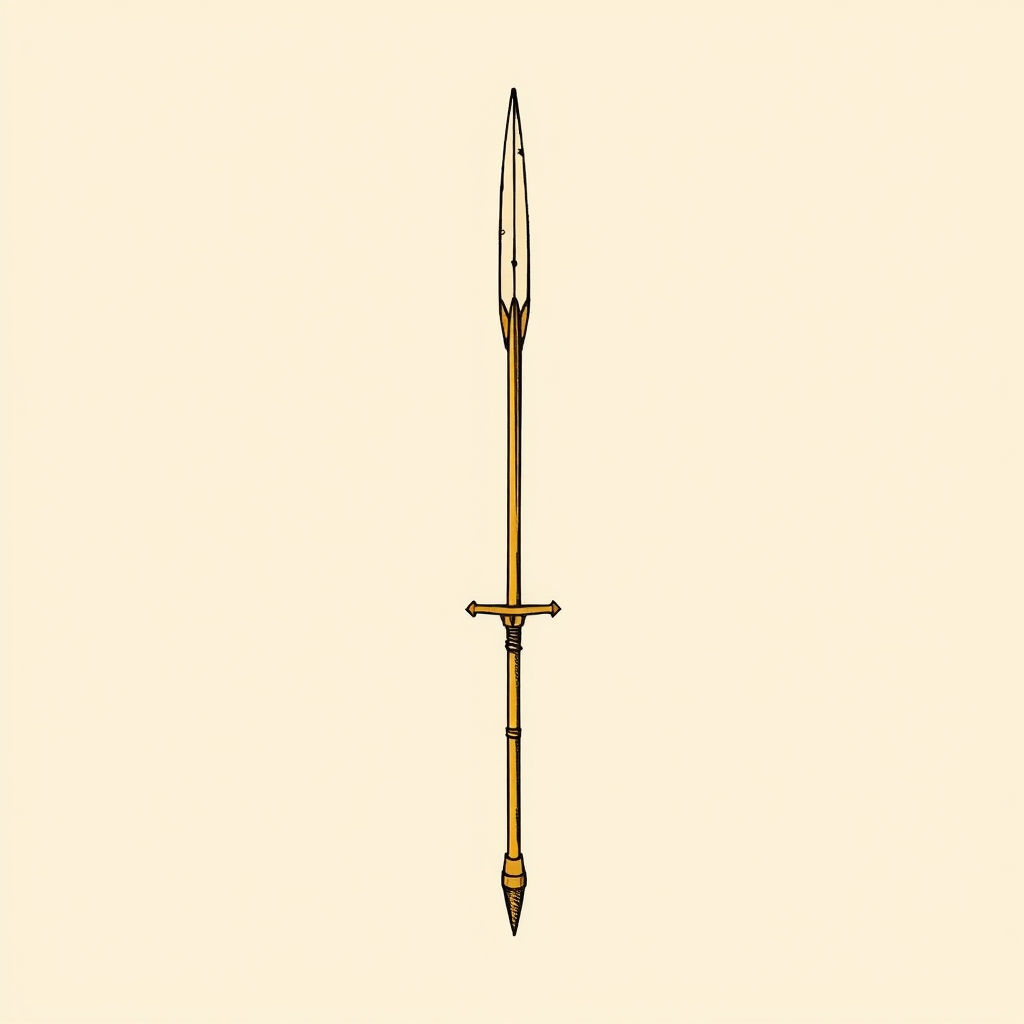
He is depicted: 1° driving away the snakes that infested the coasts of Morbihan and disturbed his solitude; 2° pierced by a lance by a Saxon soldier, at the moment he was offering the holy sacrifice of the Mass.
Iconography and sources
The saint is depicted driving away snakes or pierced by a spear; his life is documented by Montalembert.
Excerpt from The Monks of the West, by t he Count of Montalemb ert, and from Local Notes.
Iconography
Signs and attributes
Entities
Narrative network
The names, places, and concepts most present in the entry, weighted by centrality in the text.
The supernatural in their life
The miracles of Saint Cadoc
Frequently asked questions about Saint Cadoc
Who was Saint Cadoc?
A Welsh prince who became a monk, Saint Cadoc founded the abbey of Llancarvan before exiling himself to Armorica to flee the Saxons. After evangelizing the Morbihan, he returned to Great Britain where he was assassinated by a spear thrust from a Saxon chieftain while celebrating Mass at Weedon.
What is Saint Cadoc the patron saint of?
Patronage of Saint Cadoc: Saint-Cadoc Island and Belz.
How is Saint Cadoc depicted in Christian art?
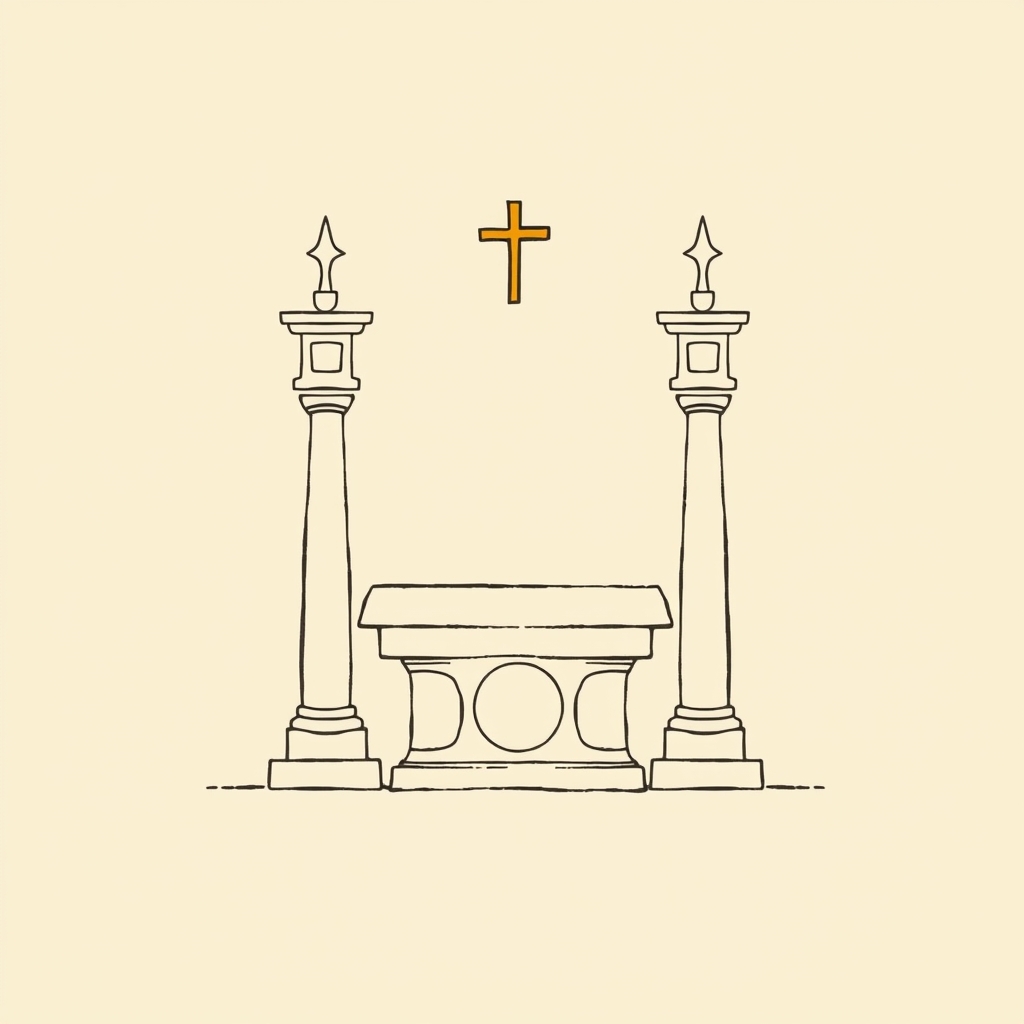
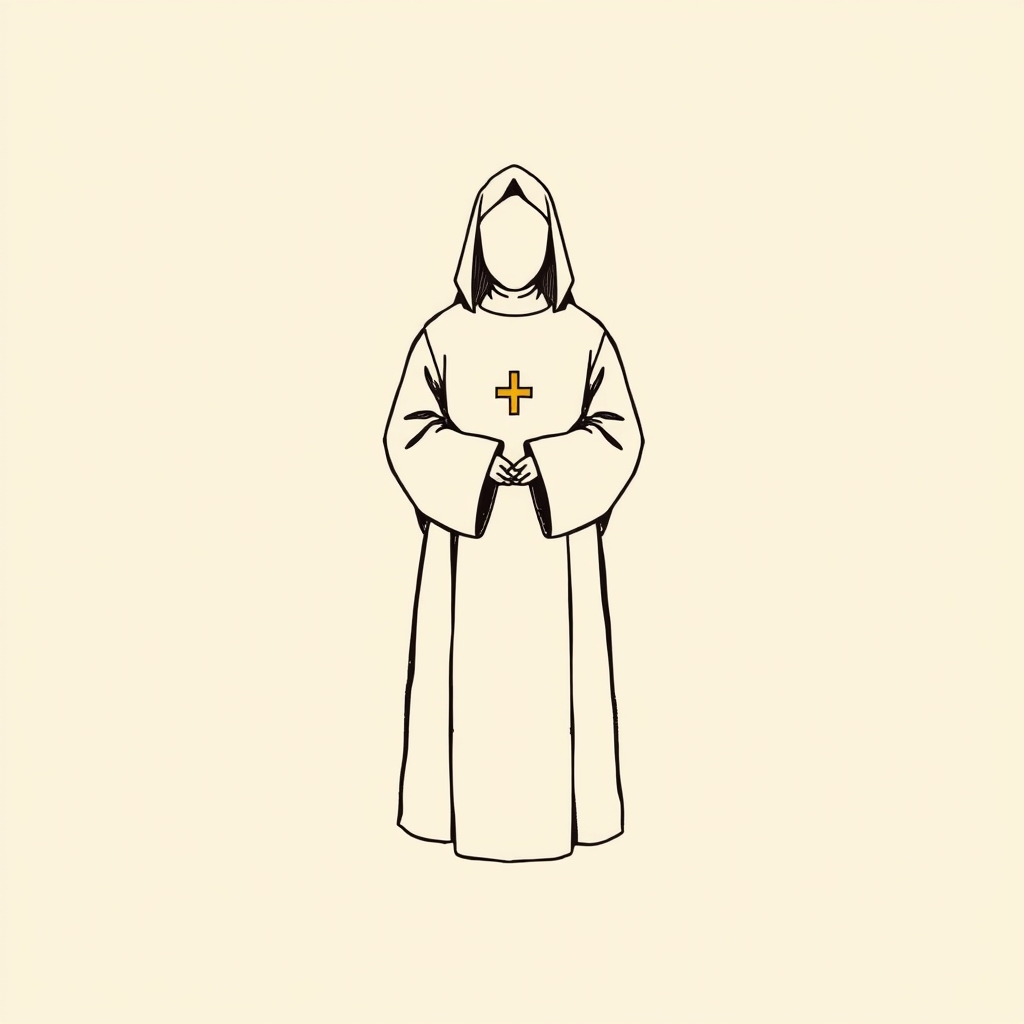
In iconography, Saint Cadoc is recognizable by: expelling snakes, lance, altar and monastic habit.
How did Saint Cadoc die?
Saint Cadoc suffered martyrdom for the Christian faith (5th century).
What miracles are attributed to Saint Cadoc?
2 miracles are attributed to this saint, notably: Sign / wonder and Mastery of the elements.
Which saints were contemporaries of Saint Cadoc?
Contemporaries include: Saint Augustine of Hippo, Saint Honoratus of Arles, Saint James of Tarentaise and Saint Jerome of Stridon.
What are the other names of Saint Cadoc?
Other forms of the name: Cadoc.
Who are the relatives of Saint Cadoc?
Relatives of Saint Cadoc: Gundliew (Guen-Liou) (father).
Annexes & related entities
Structured data for exploration: events, miracles, quotes, places, attributes, patronages, and important entities cited in the text.
Key Events
- Education by an Irish hermit
- Studies at the monastic school of Lismore
- Foundation of Llancarfan Abbey in Cambria
- Exile to Armorica due to the Saxon invasion
- Foundation of a monastery on an island in Morbihan
- Return to Great Britain at Weedon
- Martyred by a Saxon chieftain during Mass