Saint Linus of Volterra
The first successor of Saint Peter, Saint Linus governed the Church with zeal for over a year before suffering martyrdom. He is notably known for mandating that women wear veils in churches and for his miracles of resurrection and exorcism. His tomb was rediscovered at the Vatican in 1630 next to that of the Apostle Peter.
Contemporaries

Figures and markers around the normalized period for this entry.
Guided reading
4 reading sections
SAINT LINUS OF VOLTERRA, POPE AND MARTYR
Succession and ecclesiastical discipline
Saint Linus succeeds Saint Peter as bishop of Rome, demonstrating great pastoral zeal and establishing the obligation for women to wear a veil in church.
functions which were committed to him, that after the deat h of this prince o f the Apostles he was judged worthy to fill his place where he gave excellent testimonies of his zeal and his pastoral vigilance. In the two times that he held Ordinations in the month of December, he created fifteen bishops and eighteen priests.
He forbade women from entering the church without having their heads covered with a veil: which Saint Peter had also forbidden. And Saint Paul judged this so necessary for the edification of the faithful, that he made it an express law, as one sees in chapter XI of his first Epistle to the Corinthians.
Writings and historical testimonies
Accounts concerning the apostles and Simon Magus are attributed to him, although the authenticity of certain texts is debated by historians such as Bellarmine.
It is also from Saint Linus that we hold the story of the dispute of the Prince of the Apostle s with Simon Magu s, although the original has disappeared. He also wrote two books on the martyrdom of Saint Peter and Saint Paul, which are in the seventh volume of the Library of the Fathers; but the errors with which they are filled, in certain places, sufficiently show that we do not have them in their purity, and one may see what Cardinal Bell armine says about them in his Treatise on Ecclesiastical Writers.
Miracles, death, and burial
Renowned for his miracles and exorcisms, he died a martyr after a short pontificate and was buried in the Vatican near Saint Peter.
The Roman Breviary states that the faith and holiness of this blessed Pope were so great that he raised the dead and cast out demons from the bodies of many possessed persons. Finally, after having governed the Church for one year, three months, and twelve days, he shed his blood to serve as seed for new believers.
The body of this blessed Pontiff was buried in the Vatican, near t hat of Saint Peter, on the 9th of the Kalen ds of October. The Apostle Saint Paul mentions him in chapter IV of his second Epistle to Timothy, and places him among the first and principal Christians of the city of Rome; and the Roman Martyrology, along with those of Usuard and Ado, and the Book of the Sovereign Pontiffs, also speak of him very honorably.
Posterity and archaeology
His tomb was rediscovered in the 17th century under Urban VIII; Christian iconography preserves the memory of his miraculous healings.
In 1630, when Pope Urban VIII had the work on the Confession of Saint Peter completed in the Vatican Basilica, a tomb was discovered on which this inscription could be read: Linus. It was t he fi rst successor of Saint Peter, whose burial place appeared, after so many centuries, next to that of his glorious master.
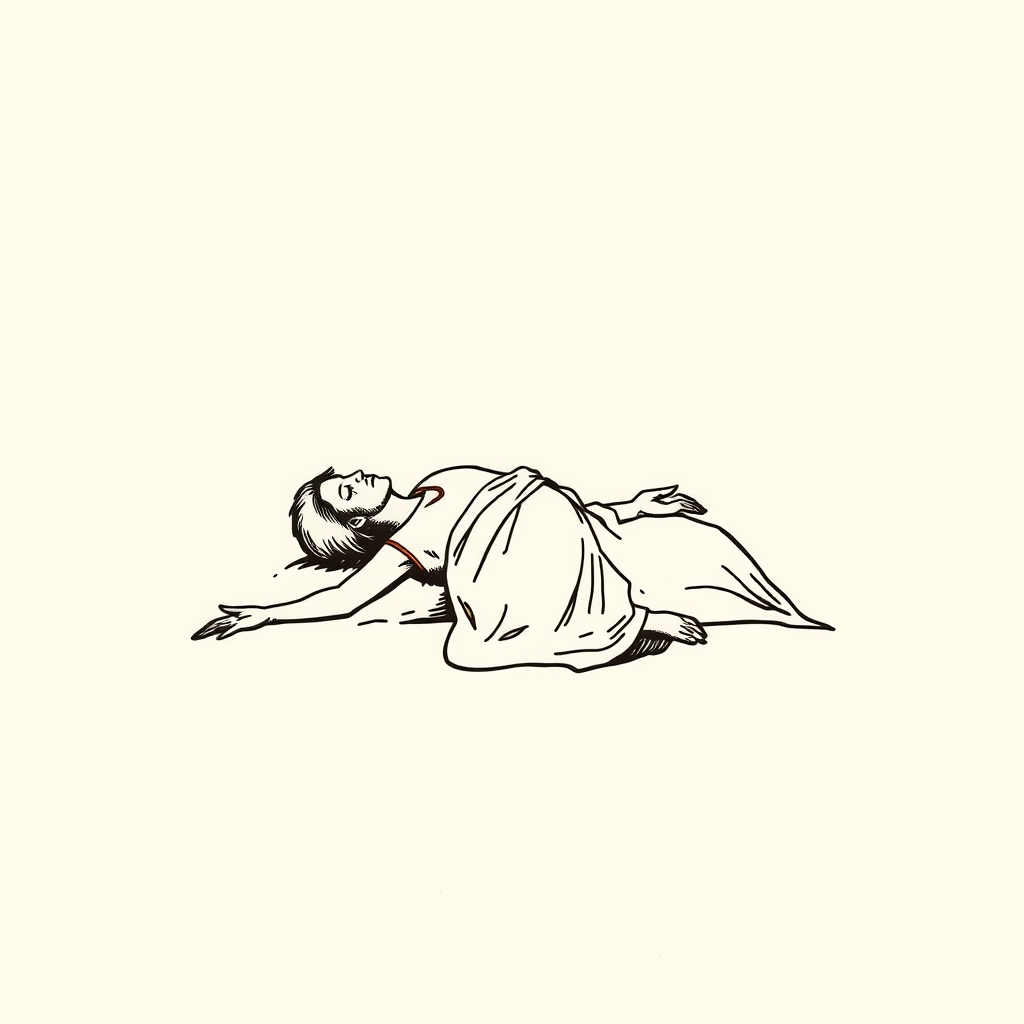
Saint Linus is depicted delivering the possessed and raising a dead person: it is indeed reported that he delivered the daughter of the consul Saturninu s from the demon.
Acta Sanctorum and Liber Pontificalis .
Iconography
Signs and attributes
Entities
Narrative network
The names, places, and concepts most present in the entry, weighted by centrality in the text.
The supernatural in their life
The miracles of Saint Linus of Volterra
Frequently asked questions about Saint Linus of Volterra
Who was Saint Linus of Volterra?
The first successor of Saint Peter, Saint Linus governed the Church with zeal for over a year before suffering martyrdom. He is notably known for mandating that women wear veils in churches and for his miracles of resurrection and exorcism. His tomb was rediscovered at the Vatican in 1630 next to that of the Apostle Peter.
What is Saint Linus of Volterra the patron saint of?
Patronage of Saint Linus of Volterra: Volterra.
What is Saint Linus of Volterra invoked for?
Saint Linus of Volterra is invoked for: deliverance of the possessed (energumens).
How is Saint Linus of Volterra depicted in Christian art?
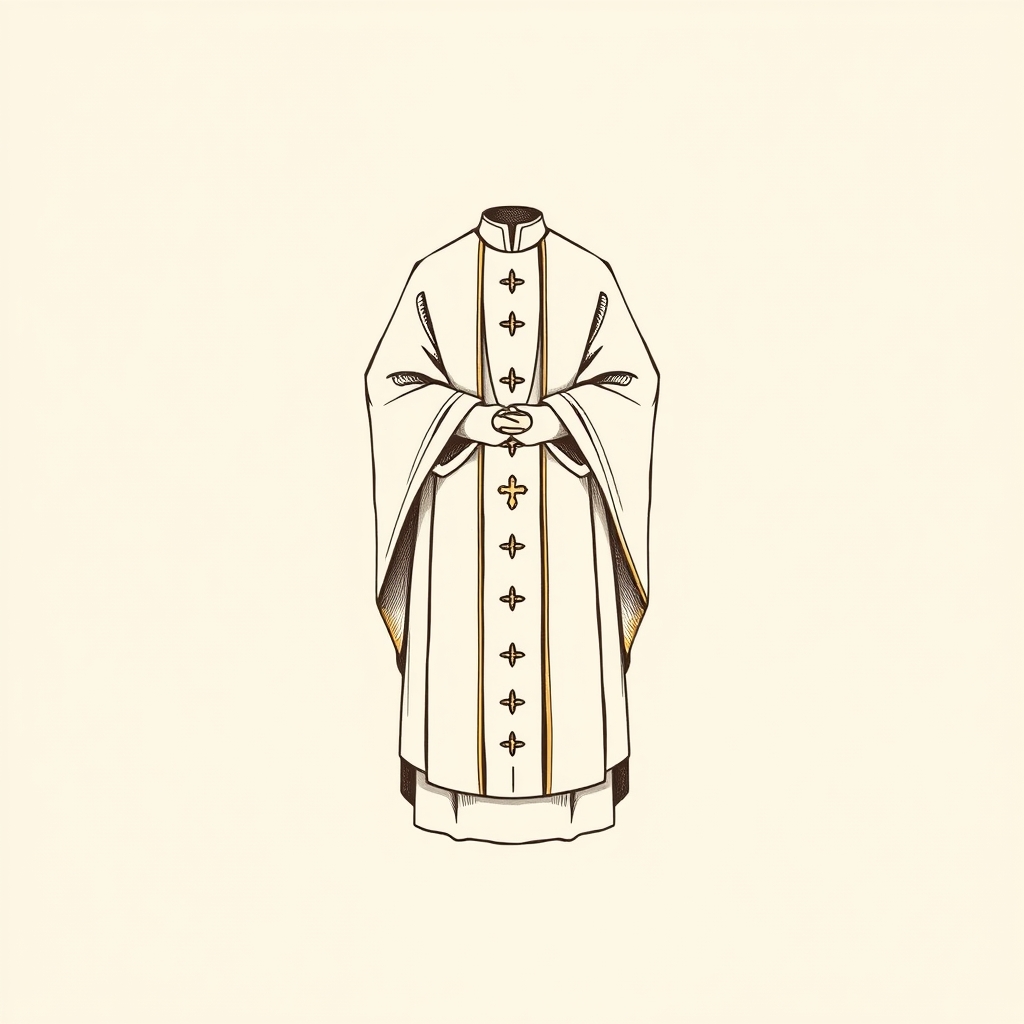
In iconography, Saint Linus of Volterra is recognizable by: pontifical vestments, delivering the possessed and resurrecting a dead person.
How did Saint Linus of Volterra die?
Saint Linus of Volterra suffered martyrdom for the Christian faith (1st century).
What miracles are attributed to Saint Linus of Volterra?
3 miracles are attributed to this saint, notably: Resurrection and Exorcism.
Which saints were contemporaries of Saint Linus of Volterra?
Contemporaries include: Saint Martial, Apostle of Aquitaine, Saint James the Greater (Apostle), Saint George of Velay and Jesus Christ (Relics of the Passion).
What are the other names of Saint Linus of Volterra?
Other forms of the name: Linus.
Annexes & related entities
Structured data for exploration: events, miracles, quotes, places, attributes, patronages, and important entities cited in the text.
Key Events
- Successor of Saint Peter as head of the Church
- Creation of fifteen bishops and eighteen priests during two ordinations
- Prohibition for women to enter the church without a veil
- Writing of the history of the dispute between Saint Peter and Simon Magus
- Governance of the Church for one year, three months, and twelve days
- Martyrdom for the faith
Quotes
-
Linus
Funerary inscription discovered in 1630