Saint Urion of Isle-Aumont
IN THE DIOCESE OF TROYES, AND ABBOT OF THE MONASTERY OF THAT PLACE (circa 375).
In the 4th century, Saint Urion was the parish priest of Isle-Aumont and the abbot of its monastery, which he led with a holiness reminiscent of the Desert Fathers. After his death around 375, numerous miracles were recorded at his tomb. His relics, including fragments of sacred vestments, are preserved today at Saint-André near Troyes.
Contemporaries

Figures and markers around the normalized period for this entry.
Guided reading
4 reading sections
SAINT URION, PARISH PRIEST OF ISLE-AUMONT,
IN THE DIOCESE OF TROYES, AND ABBOT OF THE MONASTERY OF THAT PLACE (circa 375).
The spiritual setting of Isle-Aumont
Presentation of the village of Isle-Aumont, a renowned former monastic retreat near Troyes, placed under the protection of Our Lady.
A few kilometers from Troyes is the village of Is le-Aumont, which can remember with holy pride having once been the retreat and the reminiscence of a great number of Saints. The monastery, witness to their virtues hidden from the eyes of men, but precious before the Lord, was happily placed under the invocation of Our Lady.
The leadership of Saint Urion
Originally from Troyes, Urion governed the monastery and the parish with a rigor comparable to the desert fathers, prioritizing contemplation and manual labor.
One of the first holy priests who governed it at the same time as the parish of Isle was named Urion , a n ative of the dio cese of Troyes. U nder his direction, as zealous as it was prudent, this blessed land had nothing to envy the deserts of the Thebaid and the East. The religious men it bore, like the Christians of the primitive Church, all had but one heart and one soul, and led the most edifying life in the recollection of contemplation and in the exercise of manual labor.
The Gospel with its counsels and precepts, the orders of the abbot who presided over them, such was the unique rule that they followed with exemplary punctuality. Fasting, psalmody, contempt for the world and its delights, the bearing of insults, the benefits of every kind multiplied in their path, made them regarded as angels descended among men.
Recognition and miracles
Upon his death, Urion was proclaimed blessed by the popular voice and the clergy, while miracles occurred at his tomb.
It is understood that if the disciples were so perfect, the leader must have been of eminent holiness. Thus, when, after long years spent in the exercise of the most sublime virtues, it pleased God to give Saint Ur ion the wel l-deserved reward for his labors, the voice of the people united with that of the clergy to proclaim him Blessed, and the miracles that occurred at his tomb, by confirming these tributes, came to reveal to his brothers on earth the glory he enjoyed with his brothers in heaven.
A church was built under his patronage, near the Hozain stream, and his feast was celebrated annually on September 29, which is believed to be the day of his death.
Translation and preservation of the relics
The body of the saint is transferred to Moutier-la-Celle before his remains and ornaments are finally preserved at the church of Saint-André.
Later, the body was transported to the mona stery of Moutier-la-Celle, an d the memory of this translation was celebrated on April 26.
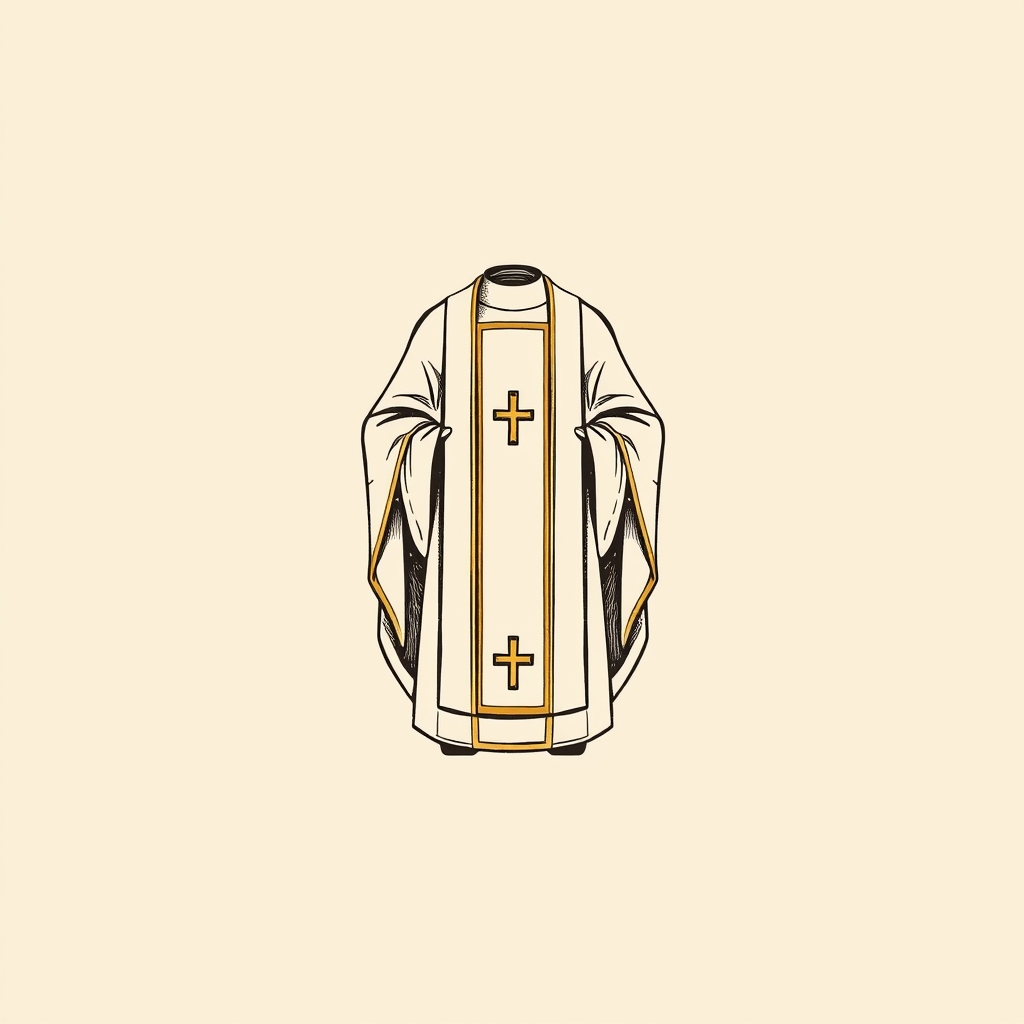
Nothing remains of the pious abbot, save for a few fragments of sacred ornaments and a precious fabric that wrapped his mortal remains. This fabric, or rather this remnant, which still allows one to discern magnificent designs, appears to belong to the textile work of the 13th century. In 170 0, the Benedictines of Moutier- la-Celle wished to ensure the veneration of these relics for centuries to come, with the following inscription: *Sudariorum et ornamentorum sacrorum fragmenta Sancti Ureionis*. 1700.
These objects are preserved with as much care as pie ty in the beautiful c hurch of Saint-André, near Troyes.
Excerpt from So irées de Troyes , by Abbé Defer.
Iconography
Signs and attributes

Entities
Narrative network
The names, places, and concepts most present in the entry, weighted by centrality in the text.
The supernatural in their life
The miracles of Saint Urion of Isle-Aumont
Frequently asked questions about Saint Urion of Isle-Aumont
Who was Saint Urion of Isle-Aumont?
In the 4th century, Saint Urion was the parish priest of Isle-Aumont and the abbot of its monastery, which he led with a holiness reminiscent of the Desert Fathers. After his death around 375, numerous miracles were recorded at his tomb. His relics, including fragments of sacred vestments, are preserved today at Saint-André near Troyes.
What is Saint Urion of Isle-Aumont the patron saint of?
Patronage of Saint Urion of Isle-Aumont: Isle-Aumont.
How is Saint Urion of Isle-Aumont depicted in Christian art?
In iconography, Saint Urion of Isle-Aumont is recognizable by: sacred vestments and precious fabric (13th century).
What miracles are attributed to Saint Urion of Isle-Aumont?
1 miracle are attributed to this saint, notably: Sign / wonder.
Which saints were contemporaries of Saint Urion of Isle-Aumont?
Contemporaries include: Saint Blaise, Saint Hilary of Poitiers, Saint Basil the Great (Archbishop of Caesarea) and Saint Baudilus.
When did Saint Urion of Isle-Aumont die?
Saint Urion of Isle-Aumont died around 400.
What are the other names of Saint Urion of Isle-Aumont?
Other forms of the name: Ureionis.
Annexes & related entities
Structured data for exploration: events, miracles, quotes, places, attributes, patronages, and important entities cited in the text.
Key Events
- Governance of the parish of Isle and the local monastery
- Exemplary spiritual direction compared to the Thebaid
- Death after many long years of practicing virtues
- Translation of the relics to the monastery of Moutier-la-Celle on April 26
- Authentication of relics by the Benedictines in 1700
Quotes
-
Sudariorum et ornamentorum sacrorum fragmenta Sancti Ureionis
Inscription of the Benedictines of Moutier-la-Celle, 1700