Saint Arnulf of Cysoing
MARTYR IN FLANDERS (8th century).
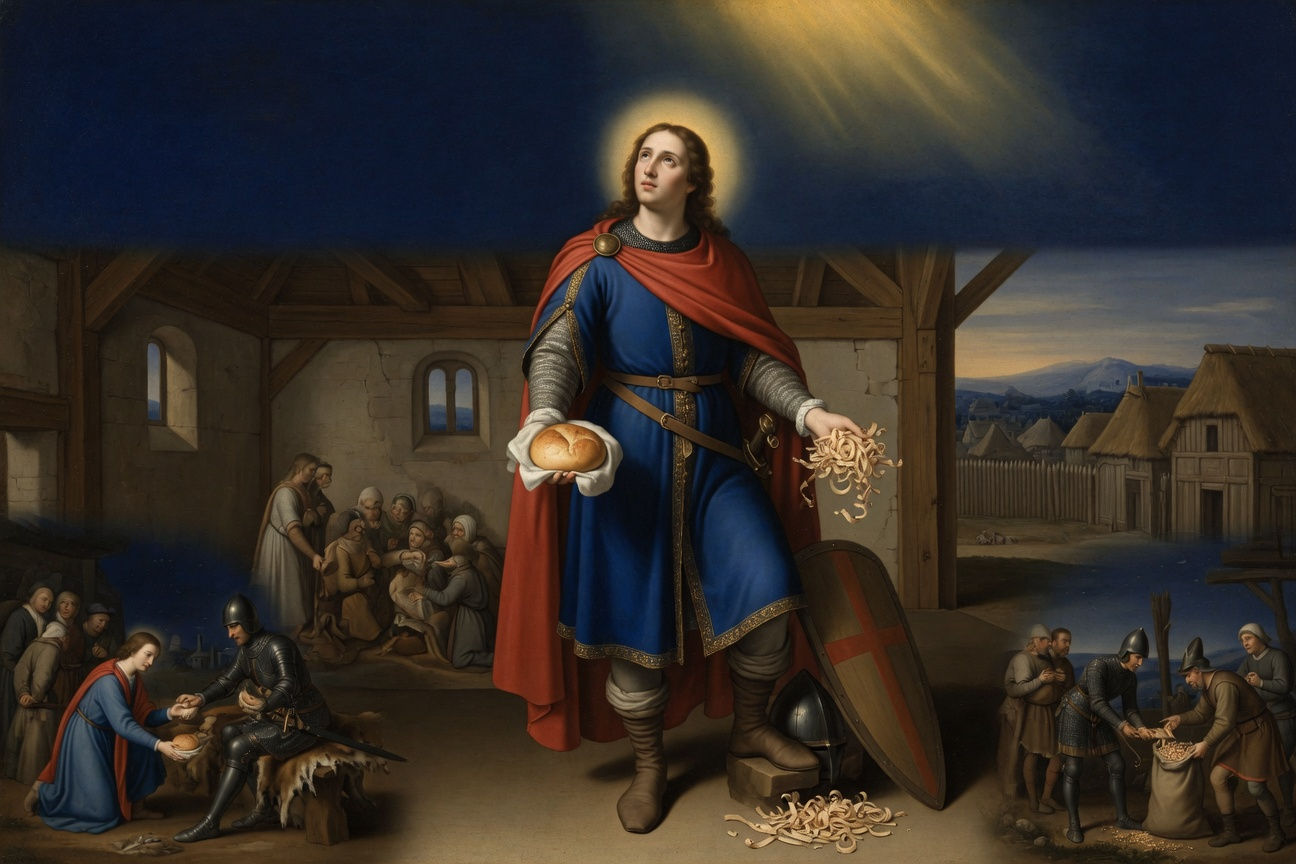
A knight and squire in Flanders during the 8th century, Arnoul was distinguished by his charity toward the poor, going so far as to steal his master's goods to feed them. A miracle transformed the bread he was carrying into wood shavings to protect him from an accusation of theft. Despite his promotion to governor, he continued to draw from the seigneurial reserves to help the people before suffering martyrdom.
Contemporaries

Figures and markers around the normalized period for this entry.
Guided reading
4 reading sections
HISTORY OF THE KNIGHT SAINT ARNOUL OF CYSOING,
MARTYR IN FLANDERS (8th century).
Spiritual Portrait and Virtues
Arnoul is presented as a pious, chaste, and charitable man, living in the world while remaining spiritually detached from it.
« Of Arnoul, God-bear er and faithful soldier, here is the story:
« In the flower of his youth, he served God devoutly, letting himself be led by grace.
« Irreproachable and amiable to all, such was how he strove to appear.
« Without any care for the morrow, for the love of God he clothed and fed the beggars.
« A noble gravity and purity, these were what distinguished him: temperance was his rule.
« While living, he was dead to the world; his holiness shone forth, but his prudence caused him to hide.
« He watched over himself, never forgot the presence of God, and strove to please Him.
« His innocence never knew anything of the foolish wisdom of the world.
« Praying and fasting, he sowed in tears to reap in joy.
« Above all, he had kept himself from being encumbered by the preoccupations of the earth.
The lord's squire
Arnoul serves with vigor and fidelity a powerful military leader to whom he is bound by blood and great trust.
« Now, he was the faithful squire of a rich and powerful military le ader.
« Tall of stature, full of vigor and health, he was a truly brave man.
« The purity of his morals, as much as their kinship, made him dear to his lord.
The miracle of the wood shavings
Accused of theft for feeding the poor, Arnoul sees the bread he is hiding transform into wood shavings before his accusers, before returning to its original form.
« But that which is graceful, that which exceeds the common level, excites the envy of the crowd that is below.
« Through furtive thefts, it is said, he stole not a little of his master's goods.
« It was a salutary theft, since in this way he relieved the indigence of the poor.
« One day, as he was carrying bread under his garment, the servants stopped him.
« He is accused, he is dragged away, he is condemned, he is pulled about, his garment is torn.
« For his justification, wood shavings fall from his bosom before everyone.
« The suspicion s vanish. Hi s lord entrusts him with the governance of his house.
« But knowing well within himself what the truth of the matter is, he departs as so on as p ossible, taking his shavings with him.
« While he was distributing them, he saw them return to their original form.
« Without in any way becoming proud, he continued, as before, his good works.
Defense of the poor and accusation
Arnoul refuses to despoil his master's subjects and draws from the seigneurial reserves, which provokes new anger and threats of sanctions.
« He avoided harming anyone and had constantly kept the thought of the Last Judgment in his mind.
« When sometimes his master gave him the order to despoil his subjects,
« He preferred to spare the poor people and draw for their needs from the lord's granaries.
« But by dint of drawing from them, the grain little by little decreased.
« It is reported to the lord that his military pay will barely suffice for the next day.
« They assemble, they decree penalties aga inst A rnoul as guilty of this misdeed.
« But God, witness to the good works of his servant, goes to take his defense.
Iconography
Signs and attributes

Entities
Narrative network
The names, places, and concepts most present in the entry, weighted by centrality in the text.
The supernatural in their life
The miracles of Saint Arnulf of Cysoing
Frequently asked questions about Saint Arnulf of Cysoing
Who was Saint Arnulf of Cysoing?
A knight and squire in Flanders during the 8th century, Arnoul was distinguished by his charity toward the poor, going so far as to steal his master's goods to feed them. A miracle transformed the bread he was carrying into wood shavings to protect him from an accusation of theft. Despite his promotion to governor, he continued to draw from the seigneurial reserves to help the people before suffering martyrdom.
What is Saint Arnulf of Cysoing the patron saint of?
Patronage of Saint Arnulf of Cysoing: Cysoing.
How is Saint Arnulf of Cysoing depicted in Christian art?
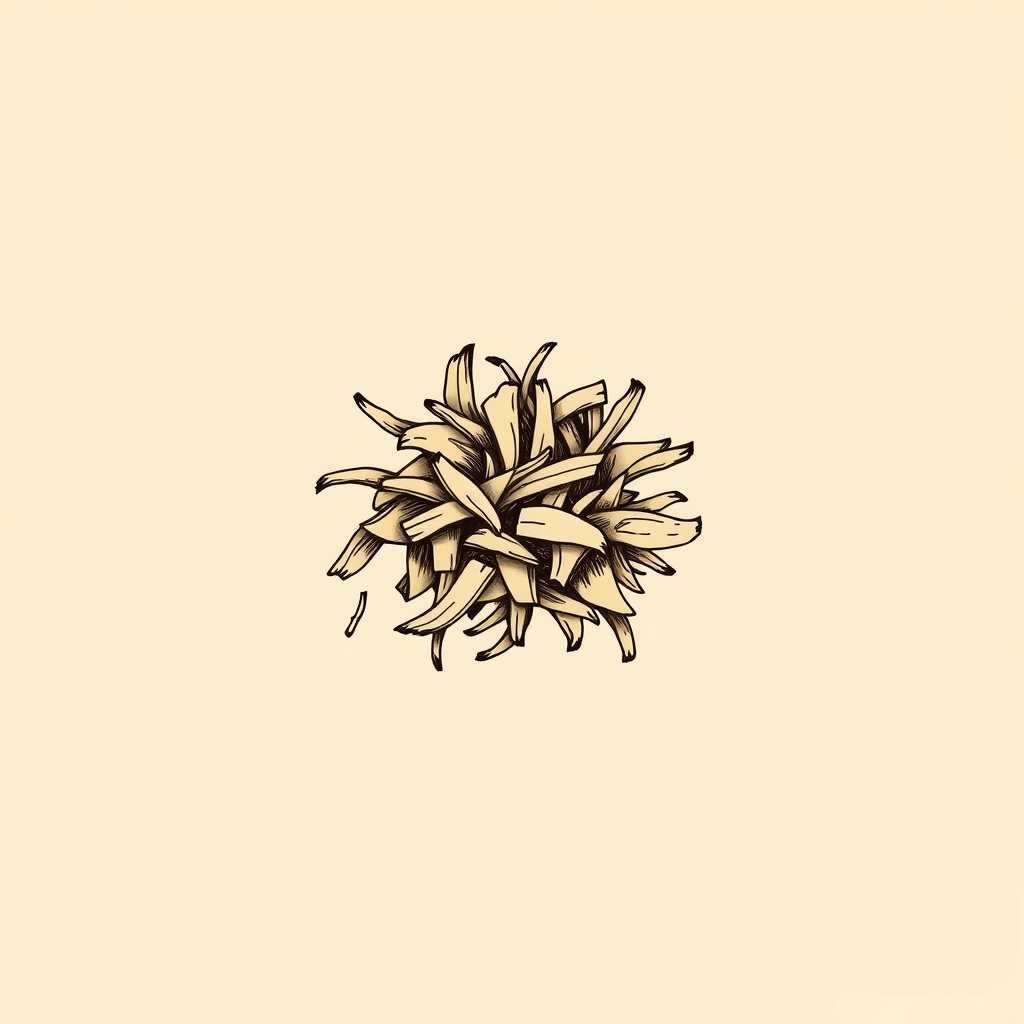
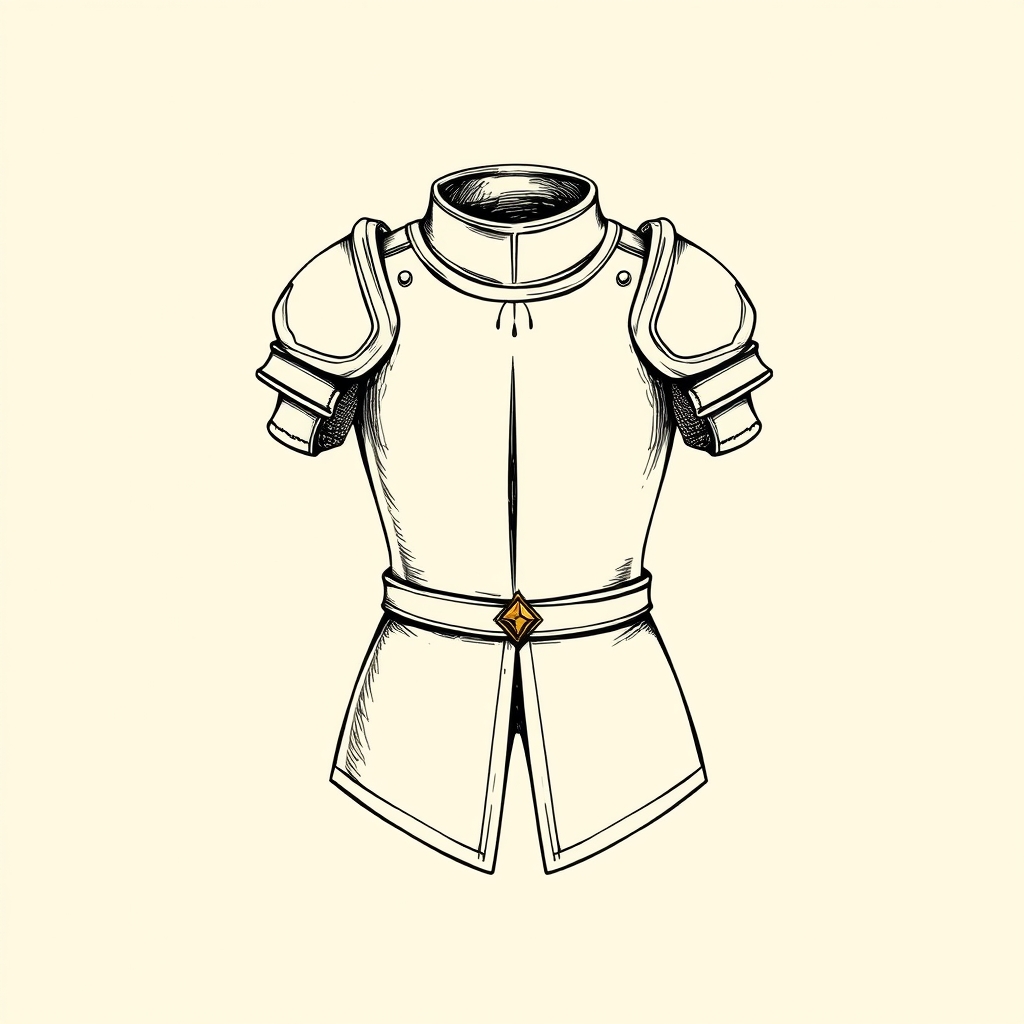
In iconography, Saint Arnulf of Cysoing is recognizable by: wood shavings, bread and knight's clothing.
How did Saint Arnulf of Cysoing die?
Saint Arnulf of Cysoing suffered martyrdom for the Christian faith (8th century).
What miracles are attributed to Saint Arnulf of Cysoing?
2 miracles are attributed to this saint, notably: Sign / wonder.
Which saints were contemporaries of Saint Arnulf of Cysoing?
Contemporaries include: Saint Hidulph of Trier, Saint Ghislain (Guillain), Saint Lambert (Landebert) and Saint Amand of Maastricht.
What are the other names of Saint Arnulf of Cysoing?
Other forms of the name: Arnoul Porte-Dieu.
Annexes & related entities
Structured data for exploration: events, miracles, quotes, places, attributes, patronages, and important entities cited in the text.
Key Events
- Served as squire to a powerful military leader
- Secret distribution of bread to the poor
- Miracle of bread transformed into wood shavings during an excavation
- Appointed governor of his lord's household
- Distribution of wheat from the seigneurial granaries to the needy
Quotes
-
While alive, he was dead to the world; his holiness shone forth, but his prudence led him to hide.
Source text