An abbot in Touraine in the 6th century, Saint Senoch lived a life of extreme austerity, wearing chains and dedicating himself to prayer. A friend of Saint Gregory of Tours, he distinguished himself by his charity towards the poor, redeeming slaves and building bridges. He died in 579 after manifesting deep repentance for a fleeting moment of vanity.
Contemporaries

Figures and markers around the normalized period for this entry.
Guided reading
6 reading sections
SAINT SENOCH OR SENOU OF TIFFAUGES,
ABBOT IN TOURAINE
Ascetic life and the redemption of slaves
Senoch led a life of great austerity, chained in his cell, and devoted the gifts of the faithful to the relief of the poor and the redemption of slaves.
barefoot and wore heavy iron chains around his neck, feet, and hands. Wishing to lead an even more solitary life, he deprived himself of the sight of his brothers and shut himself in his cell, where he spent days and nights in continuous vigils and prayers. Soon the fragrance of his holiness spread far and wide, and a multitude of the faithful came to ask him for advice or consolation. They frequently brought him money; but the Saint, often remembering this oracle from th e mouth of Our Lord: "Do not store up for yourselves treasures on earth, because where your treasure is, there your heart will be also," placed all these gifts of charity into the hands of the needy. It is said that during his life he redeemed, with the money coming from these offerings of the faithful, a great number of slaves.
Spiritual direction of Gregory of Tours
After a fit of vanity during a visit to his parents, Senoch accepts the reproaches of Bishop Gregory of Tours and modifies his solitary way of life.
Saint Gregory of Tours informs us that when he came to take possession of the episcopal see of that city, Seno ch lef t his cell and went to Tours to see him; then, after greeting him and giving him the kiss of peace, he immediately returned to the place of his retreat. However, there was a moment of weakness in this life so admirable. Having yielded to the thought of seeing his parents again in the land of his birth, vanity took hold of this soul hitherto so detached from itself, so desirous of the forgetfulness of men, and he brought back from this visit an arrogant pride that did not escape the vigilant eye of Saint Gregory of Tours. After a severe reprimand from him, Senoch accepted with humility and gratitude the reproaches and advice of his bishop, and exclaimed: "I now recognize the truth of the words that came out of the sacred mouth of the Apostle: Let him who glories, glory in the Lord." To show the sincerity of his repentance, he consented to no longer sequester himself from the society of men, except from Saint Martin's Day until Christmas, and fr om Septuages ima until Easter.
Thaumaturgy and beneficence
The saint performs numerous healings through the sign of the cross and invests himself in works of public utility such as the construction of bridges.
As the Lord performed many miraculous healings through his intercession, pilgrims came in crowds to his cell. Saint Gregory of Tours recounts several of the many miracles performed by the servant of God by means of the sign of the cross. The blind, the lame, children crippled in all their limbs or deformed, bodies swollen following the bite of some reptiles, and the demon-possessed obtained their healing from him. For those he healed who were poor, he gave them food and clothing with great joy, and provided for all their needs, after inquiring with a truly paternal solicitude about their means of living, their present resources, their plans, and their hopes for the future. He had so much care and foresight for the needy that he took the trouble to build bridges for them to cross rivers, for fear that anyone might have to lament one of those misfortunes that happen all too often due to the rising of the waters.
Death and funeral
Senoch died on October 24, 579, in the arms of Gregory of Tours, surrounded by the crowd of those he had helped.
After a life illustrated by so many wonders, Saint Senoch was seized by a fever that kept him in bed for three days, and warned him that his final hour was approachi ng. Saint Gregory of To urs, informed by his disciples of his condition, hastened to his side; but an hour after his arrival, he saw him expire in his arms. It was October 24, 579.
The body of the holy abbot was placed in the sepulcher that had been prepared for him. An innumerable crowd, composed of all those he had redeemed from slavery, or delivered from their debts, whom he had restored to health, or clothed and fed in their misery, attended his funeral. Saint Gregory of Tours having come, thirty days after his funeral at which
Cult and representations
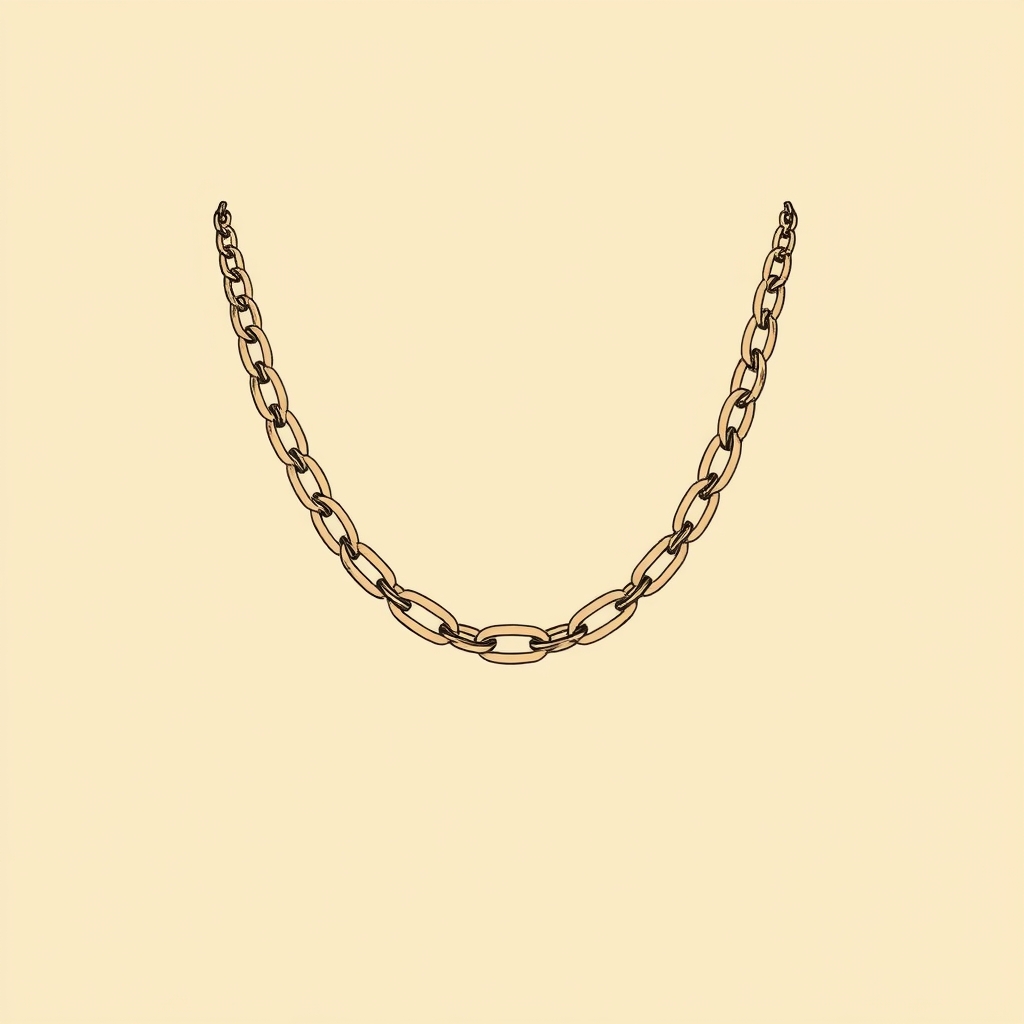
His cult developed in Tours and Brittany following posthumous miracles; he is traditionally represented with a chain around his neck.
LIVES OF THE SAINTS. — VOLUME XII. 37 he had presided, to offer the holy sacrifice upon his tomb, according to the custom of the first centuries, a man who was completely crippled recovered the use of his limbs. Numerous wonders having been performed at his tomb, it was not long before a public cult was rendere d to him. In the diocese of Tours, and even in Brittany, his feast was celebrated with great devotion on October 24.
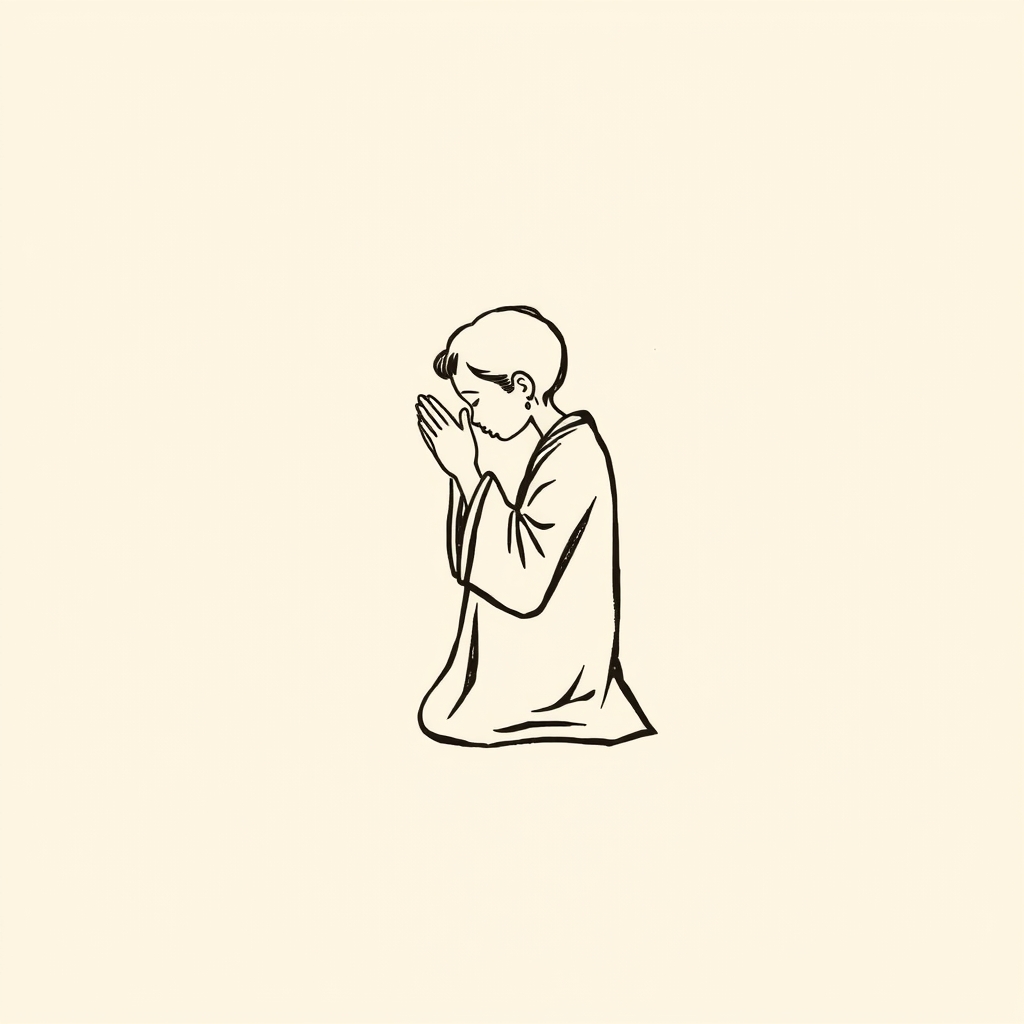
He is represented with a large chain around his neck, and praying.
Documentary Sources
The saint's life is primarily documented by Gregory of Tours and more recent regional hagiographical works.
Taken from the Life of the Saint, written by Saint Gregory, Bishop of Tours. — Cf. Lives of the Holy Personages of Anjou, by the Re v. Fr. Du c, Ch amard; and Hagiological Annals of France.
Iconography
Signs and attributes
Entities
Narrative network
The names, places, and concepts most present in the entry, weighted by centrality in the text.
The supernatural in their life
The miracles of Saint Senoch (Senou) of Tiffauges
Frequently asked questions about Saint Senoch (Senou) of Tiffauges
Who was Saint Senoch (Senou) of Tiffauges?
An abbot in Touraine in the 6th century, Saint Senoch lived a life of extreme austerity, wearing chains and dedicating himself to prayer. A friend of Saint Gregory of Tours, he distinguished himself by his charity towards the poor, redeeming slaves and building bridges. He died in 579 after manifesting deep repentance for a fleeting moment of vanity.
What is Saint Senoch (Senou) of Tiffauges the patron saint of?
Patronage of Saint Senoch (Senou) of Tiffauges: Tiffauges.
What is Saint Senoch (Senou) of Tiffauges invoked for?
Saint Senoch (Senou) of Tiffauges is invoked for: healing of the blind, healing of the lame, healing of the possessed and reptile bites.
How is Saint Senoch (Senou) of Tiffauges depicted in Christian art?
In iconography, Saint Senoch (Senou) of Tiffauges is recognizable by: large chain around the neck and in prayer.
What miracles are attributed to Saint Senoch (Senou) of Tiffauges?
4 miracles are attributed to this saint, notably: Healing and Exorcism.
Which saints were contemporaries of Saint Senoch (Senou) of Tiffauges?
Contemporaries include: Saint Remigius (Apostle of the Franks), Saint Antide of Besançon, Saint Eugene of Carthage and Saint Nicaise of Reims.
When did Saint Senoch (Senou) of Tiffauges die?
Saint Senoch (Senou) of Tiffauges died around 600.
What are the other names of Saint Senoch (Senou) of Tiffauges?
Other forms of the name: Senou.
Who are the relatives of Saint Senoch (Senou) of Tiffauges?
Relatives of Saint Senoch (Senou) of Tiffauges: Inconnu (parents).
Annexes & related entities
Structured data for exploration: events, miracles, quotes, places, attributes, patronages, and important entities cited in the text.
Key Events
- Life of solitude and austerity, including the wearing of iron chains
- Redemption of numerous slaves with donations from the faithful
- Visit to Saint Gregory of Tours upon his accession to the episcopal see
- Episode of vanity during a visit to his parents followed by public repentance
- Construction of bridges for the needy
- Died in the arms of Saint Gregory of Tours
Quotes
-
I now recognize the truth of the words that came from the sacred mouth of the Apostle: Let him who boasts, boast in the Lord.
Text cited by the author