Saint Licinius of Angers
A noble leude at the court of Clotaire I, Lezin became Duke of the Angevins before renouncing the world following his fiancée's illness. Elected Bishop of Angers, he distinguished himself through his charity and the founding of monasteries. He died in 616 and remains the patron saint of the slate workers of Angers.
Contemporaries

Figures and markers around the normalized period for this entry.
Guided reading
5 reading sections
SAINT LEZIN, BISHOP OF ANGERS AND CONFESSOR (616).
Youth and political career
Born around 530 into a noble family, Lezin became constable under Chlothar I before being appointed count and duke of the Angevins.
Lezin was born around the year 530 into a princely family; Garnier, his father, was one of the most powerful leudes at the court of Chl othar I. As soon as his age allowed his son to begin the study of letters, he entrusted him to the most skilled masters of the palace school; the young student soon surpassed all his fellow pupils in his penetration and knowledge. His studies completed, he was solemnly presented to Chlothar who, charmed by the nobility and beauty of his features, the wisdom and prudence of his conduct, the maturity and prudence of his morals, the affability of his behavior, and the lively faith that dominated all his actions, wished to give him a proof of his esteem by conferring upon him, along with the military baldric, the dignity of constable. Then, before dying (561), he honored him with the government of the Armorican provinces, with the title of count and duke of the Angevins. Lezin then came to live in the capital of Anjou: he was thirty-one years old.
Conversion and monastic life
Refusing an arranged marriage after his fiancée was struck with leprosy, he distributed his goods and retired to the abbey of Chalonnes.
A high-minded and conciliatory spirit, Lezin immediately understood the extent of his duties and knew how to fulfill them with as much skill as if he had had long experience with men and things. Chilperic wished to reward the loyalty of this worthy magistrate by giving him a wife worthy of him. Lezin, who had always cherished virginity, was strongly averse to this resolution. God helped him in these difficult circumstances: the young fiancée was suddenly struck with leprosy. Immediately, Lezin prepared to execute a plan he had been meditating on for a long time: he sold everything he owned personally, and, after having distributed everything to the poor, to the churches, and to t he monasteries, he retired to th e abbey of Cha lonnes (founded by Saint Maurilius, Bishop of Angers) where he gave the example of all virtues.
Episcopate and foundations
Elected Bishop of Angers around 566, he was consecrated by Gregory of Tours and founded the monastery of Saint-Jean-Baptiste to welcome his disciples.
God soon drew him from the obscurity of the cloister. Andoin, Bishop of Angers, having died (around 566), the lords of the province cast their eyes upon their former companion-in-arms, whose reputation proclaimed his eminent holiness everywhere. Lezin, elected by a unanimous voice and acclaimed with enthusiasm, was invested with the episcopal charact er by the famous Saint Gregory of Tours. We renounce describing the works of his episcopate: let us only say that they responded perfectly to the program he had set for himself: to instruct his people, to give them the example of all virtues, to relieve indigence, and to serve as a support to the oppressed. Attracted by the fragrance of his virtues, a great number of gentlemen entered under his guidance into the narrow path of the evangelical counsels. This influx forced the holy bishop to have built, not far from the gates of the city of Angers, a vast monastery which he placed under the pat ronage of Saint John the Baptist and which subsequently took the name of the collegiate church of Saint-Julien.
Death and destiny of the relics
Died in 616, his body underwent several translations to escape the Normans before being placed in a reliquary until the Revolution.
The day came when this valiant athlete had to succumb under the weight of labors and years. During the heat of August 616, a violent fever seized him. He rejoiced in it as a happy omen, for he sighed incessantly after the heavenly homeland: its doors were opened to him on November 1st of the same year. He was buried in the church of his monastery of Saint-Jean-Baptiste: on the day of his funeral, two blind men recovered their sight, and a great number of the infirm recovered the most perfect health. Some time later, Saint Maimboeuf, on e of his succe ssors, transferred his body to a chapel, on the right side of the choir of this same church. It remained in its new burial place until the middle of the 12th century, at which time it was necessary to hide it from the fury of the Normans. It was only after the siege of Ange rs (573) that it cou ld be transported again to the basilica of the monastery of Saint-Jean-Baptiste. On June 21, 1109, there was a third translation of the holy body: it was placed in a magnificent reliquary where it remained until the Revolution.
Patronages and modern cult
Patron of the University of Angers and of slate workers, he is also honored in Normandy at Blosville-ès-Plains.
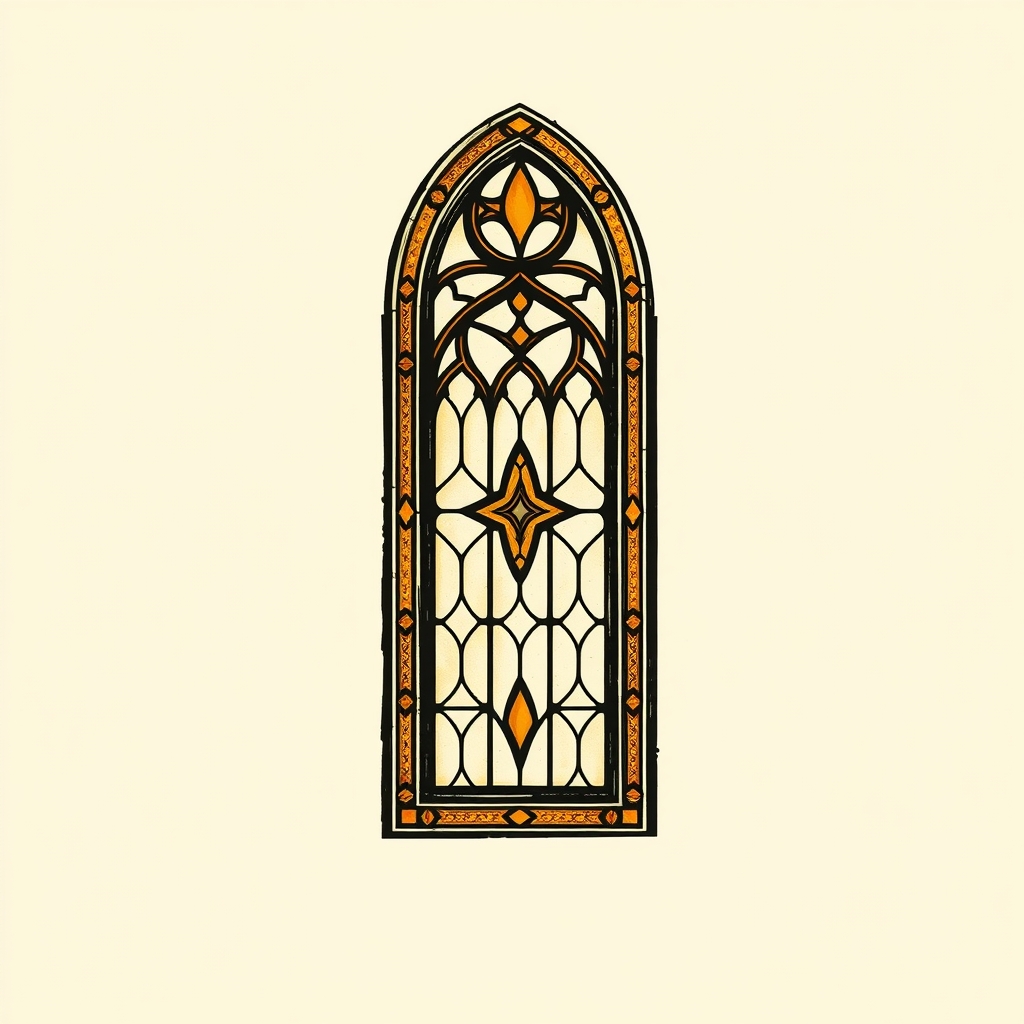
Formerly, Saint Lezin was the patron of several parish churches in Anjou, and of the University of Angers. Nowadays, the workers of the slate quarries of this city honor him as their patron. Saint Lezin is also the patron of Blosvill e-ès-Plains (Seine- Inférieure, arrondissement of Yvetot): two stained glass windows in the parish church depict his legend. His feast is celebrated there with pomp on February 13.
Cf. See Saintly Personages of Anjou, by the Rev. Fr. Jean François Chamard; and The Churches of the Arrondissement of Yvetot, by M. Fabbri Cochat.
Iconography
Signs and attributes
Entities
Narrative network
The names, places, and concepts most present in the entry, weighted by centrality in the text.
The supernatural in their life
The miracles of Saint Licinius of Angers
Frequently asked questions about Saint Licinius of Angers
Who was Saint Licinius of Angers?
A noble leude at the court of Clotaire I, Lezin became Duke of the Angevins before renouncing the world following his fiancée's illness. Elected Bishop of Angers, he distinguished himself through his charity and the founding of monasteries. He died in 616 and remains the patron saint of the slate workers of Angers.
What is Saint Licinius of Angers the patron saint of?
Patronage of Saint Licinius of Angers: University of Angers, Workers of the Angers slate quarries and Blosville-ès-Plains.
What is Saint Licinius of Angers invoked for?
Saint Licinius of Angers is invoked for: healing of blindness and health of the infirm.
How is Saint Licinius of Angers depicted in Christian art?
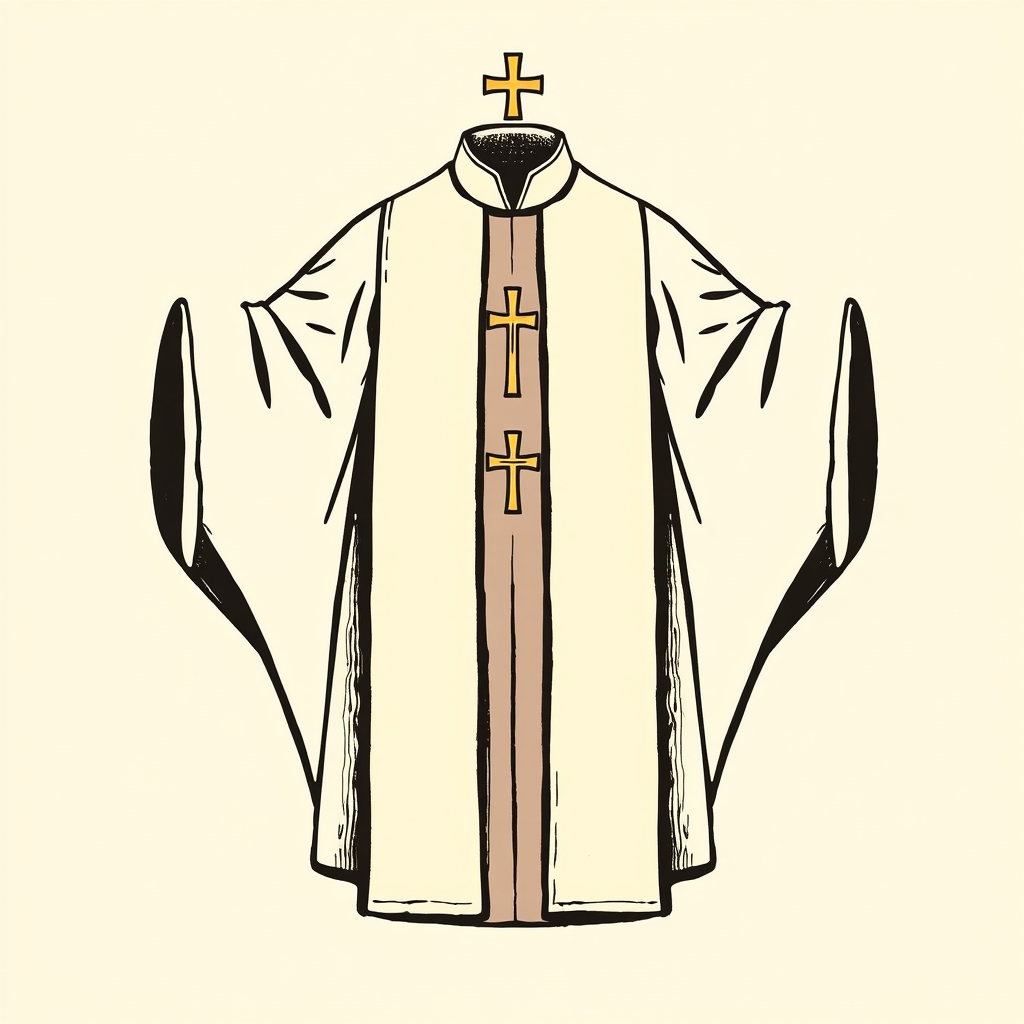
In iconography, Saint Licinius of Angers is recognizable by: episcopal vestments and legendary stained glass.
What miracles are attributed to Saint Licinius of Angers?
2 miracles are attributed to this saint, notably: Conversion and Healing.
Which saints were contemporaries of Saint Licinius of Angers?
Contemporaries include: Saint Priest (Prix), Saint Gregory the Great (Pope and Doctor of the Church), Saint Die (Didier, Deodat) and Saint Augustine of Canterbury.
When did Saint Licinius of Angers die?
Saint Licinius of Angers died around 616.
What are the other names of Saint Licinius of Angers?
Other forms of the name: Licinius.
Who are the relatives of Saint Licinius of Angers?
Relatives of Saint Licinius of Angers: Garnier (father).
Annexes & related entities
Structured data for exploration: events, miracles, quotes, places, attributes, patronages, and important entities cited in the text.
Key Events
- Born around 530 into a princely family
- Education at the palace school of Chlothar I
- Appointed Constable and Governor of the Armorican provinces
- Retreat to the Abbey of Chalonnes following the miraculous leprosy of his fiancée
- Election to the bishopric of Angers around 566
- Consecrated by Saint Gregory of Tours
- Foundation of the Saint-Jean-Baptiste monastery
- Died on November 1, 616