Saint Dalmas of Rodez
Elected Bishop of Rodez at the age of 25, Saint Dalmas governed his diocese for 65 years with great charity and austerity. Known for his miracles, notably the liberation of prisoners in Narbonne and the resurrection of an executed man in Brioude, he was respected by kings Amalaric and Theodebert. He died in 581, leaving the image of an exemplary pastor.
Contemporaries

Figures and markers around the normalized period for this entry.
Guided reading
6 reading sections
SAINT DALMAS, BISHOP OF RODEZ (581).
Election and accession to the see of Rodez
Born around 491, Dalmas was elected bishop of Rodez unanimously by the clergy and the people at only twenty-five years of age, succeeding Saint Quintian.
Saint Dalmas was born in Ro dez around 491, and he was elected its bishop, by unanimous vote, by the clergy and by the people, although he had only reached about his twenty-fifth year, to succeed Sa int Quintian, who had just been raised to the see of Clermont.
Pastoral virtues and relations with Amalaric
Recognized for his asceticism and active charity, Dalmas earned the esteem of the Arian Visigothic king Amalaric despite the religious persecutions of the time.
On the episcopal see of Rodez, Dalmas displayed the qualities and fulfilled all the grave and holy obligations of a good and true pastor. He was a man of prayer; he fasted habitually; he took only a short rest during the night. His charity, in coming to the aid of the poor and the unfortunate, was so lively and so generous that he was not content to relieve them with a simple pecuniary alms: he provided them with help that was often even more precious, sometimes good counsel, sometimes the moral support of his influence, sometimes very active personal efforts to do them good. The prudence of his conduct, the wisdom of his administration, the regularity of his entire life, filled Gaul with admiration; and, from all sides, such a holy bishop was praised and blessed. Amalaric himself, that king of the Visi goths, s o ardent in persecuting Catholic bishops and priests, felt animated with esteem and benevolence for him, despite his extreme attachment to Arianism, to the point of welcoming him with favor and listening, without showing himself offended, to the just complaints that Saint Dalmas believed it his episcopal duty to present to him on behalf of God.
The liberation of prisoners in Narbonne
During a visit to Narbonne, Dalmas obtains the miraculous liberation of prisoners of war after King Amalaric refused to pardon them.
At that time, Amalaric reigned in Narbonne, and he was the witness of a striking miracle that Saint Dalmas performed during one of those visits that the interests of his flock had led him to make. Touched by the profound misery in which the unfortunate prisoners whom Amalaric had taken in his warlike expeditions were plunged at the bottom of their dungeons, Saint Dalmas did not fear to reproach the Arian king f or his ha rshness, and he even begged him to restore their freedom. His request was not heeded at all. Then Saint Dalmas began to pray before God; and, an admirable thing: behold, immediately the bonds that held the prisoners broke..., the doors of the prisons opened, and all these poor unfortunates were able to escape.
Council of Orléans and resurrection at Brioude
After attending the Council of Orléans, the bishop manifested his power over demons and resurrected a man condemned to the gallows at Brioude.
Saint Dalmas was favored with a marvelous power over demons. It sufficed for him to address his prayer to God so that, from afar as well as near, the possessed would immediately feel the happy effect and be healed. Returning from Orléans, where he had gone to attend the fourth cou ncil held in that city, having stopped at Brioude, in Auve rgne, h e recalled to life, through his prayers, an unfortunate man who had been attached to the gallows for several hours.
Support of King Theodebert
The Frankish King Theodebert, admiring his virtues, restores to the church of Rodez the goods lost during the wars.
King Theodebert s ought to celebrate the virtues of Saint Dalmas, and the report of his miracles reached his court. We immediately see the King of the Franks showering the holy bishop of Rodez with testimonies of the most sincere esteem and a particular friendship. The wars and troubles that marked these difficult times had stripped the church of Rodez of its goods. King Theodebert restored them to it, in consideration of its holy bishop.
End of life and veneration of relics
Dalmas died in 581 after 65 years of episcopate. His remains, notably his head, are venerated in Rodez alongside Saint Amans and Saint Naamas.
After having holily governed the church of Rodez for sixty-five years, and having reached, with a vigorous old age, a very advanced age, Saint Dalmas ended his long career and an episcopate that recalled the great wonders of that of Saint Amans, with a holy death, on November 13, 581. His body was honorably buried in the church dedicated to Saint Amans, in the city of Rodez.
T oday, his vene rable head is exposed on the high altar with those of Saint Amans and Saint Naamas.
We owe this notice to th e kindness of Father Bousquet, canon of Rodez.
Iconography
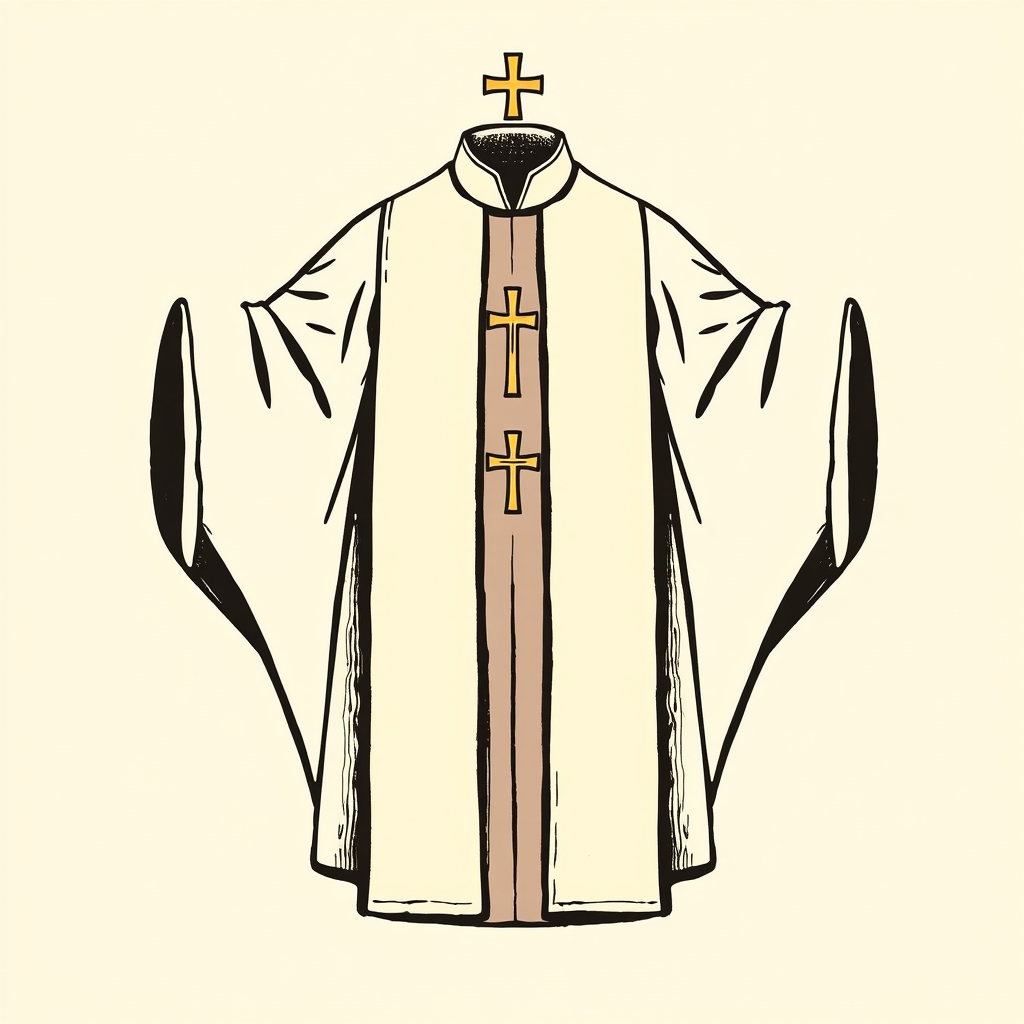
Signs and attributes

Entities
Narrative network
The names, places, and concepts most present in the entry, weighted by centrality in the text.
The supernatural in their life
The miracles of Saint Dalmas of Rodez
Frequently asked questions about Saint Dalmas of Rodez
Who was Saint Dalmas of Rodez?
Elected Bishop of Rodez at the age of 25, Saint Dalmas governed his diocese for 65 years with great charity and austerity. Known for his miracles, notably the liberation of prisoners in Narbonne and the resurrection of an executed man in Brioude, he was respected by kings Amalaric and Theodebert. He died in 581, leaving the image of an exemplary pastor.
What is Saint Dalmas of Rodez the patron saint of?
Patronage of Saint Dalmas of Rodez: Rodez.
What is Saint Dalmas of Rodez invoked for?
Saint Dalmas of Rodez is invoked for: deliverance of prisoners and healing of the possessed.
How is Saint Dalmas of Rodez depicted in Christian art?
In iconography, Saint Dalmas of Rodez is recognizable by: head (relic) and episcopal vestments.
What miracles are attributed to Saint Dalmas of Rodez?
3 miracles are attributed to this saint, notably: Protection / deliverance, Exorcism and Resurrection.
Which saints were contemporaries of Saint Dalmas of Rodez?
Contemporaries include: Saint Remigius (Apostle of the Franks), Saint Antide of Besançon, Saint Eugene of Carthage and Saint Nicaise of Reims.
When did Saint Dalmas of Rodez die?
Saint Dalmas of Rodez died around 581.
Annexes & related entities
Structured data for exploration: events, miracles, quotes, places, attributes, patronages, and important entities cited in the text.
Key Events
- Born in Rodez around 491
- Election to the bishopric of Rodez at the age of 25
- Meeting with King Amalaric in Narbonne
- Participation in the Fourth Council of Orléans
- Restitution of church property by King Theodebert
- Died after 65 years of episcopate