Saint Thomas
Apostle
After his martyrdom in India, the body of Saint Thomas was kept at Mylapore before being partially transferred to Edessa and then to Ortona. In 1522, the Portuguese rediscovered his remains and transported them to Goa. Notable relics, such as his right hand, were also venerated in France at Saint-Denis and Chartres.
Contemporaries

Figures and markers around the normalized period for this entry.
Guided reading
6 reading sections
CULT AND RELICS.
Burial and sacred objects
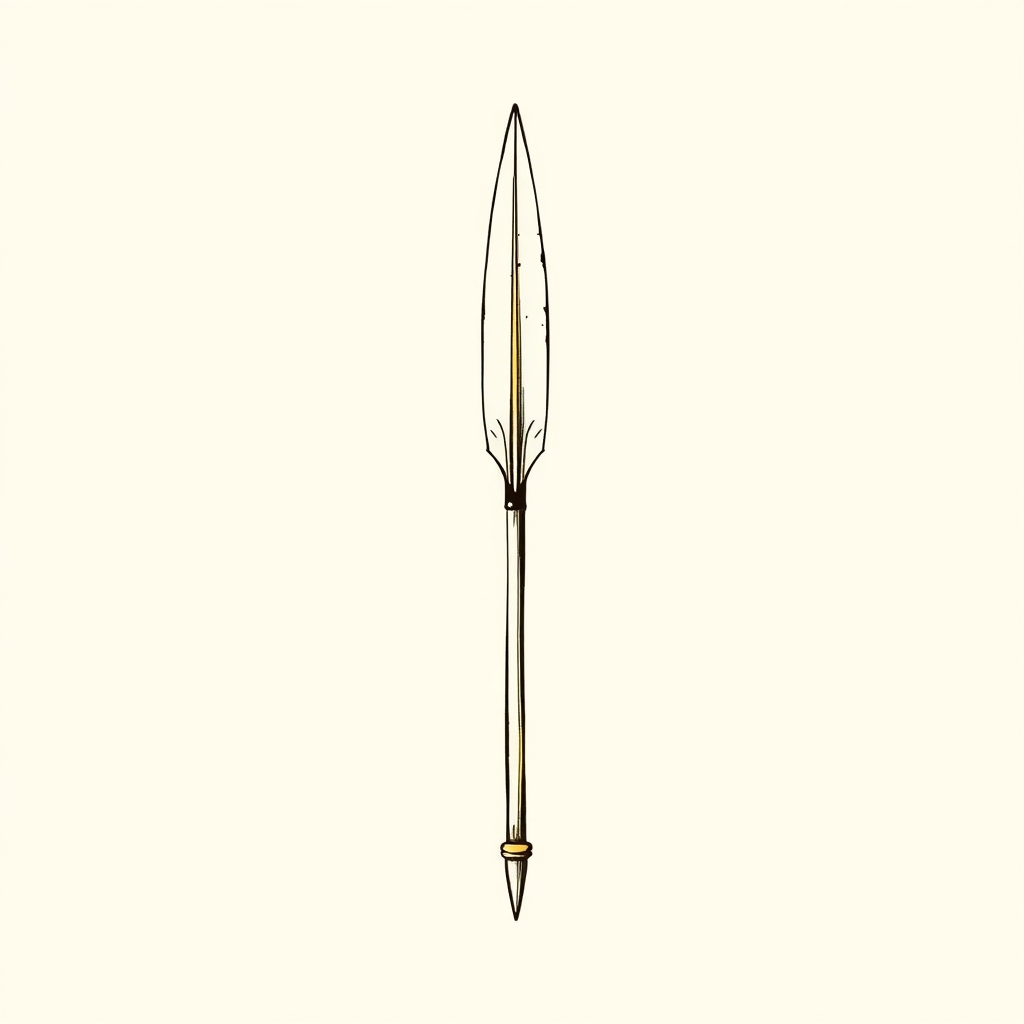
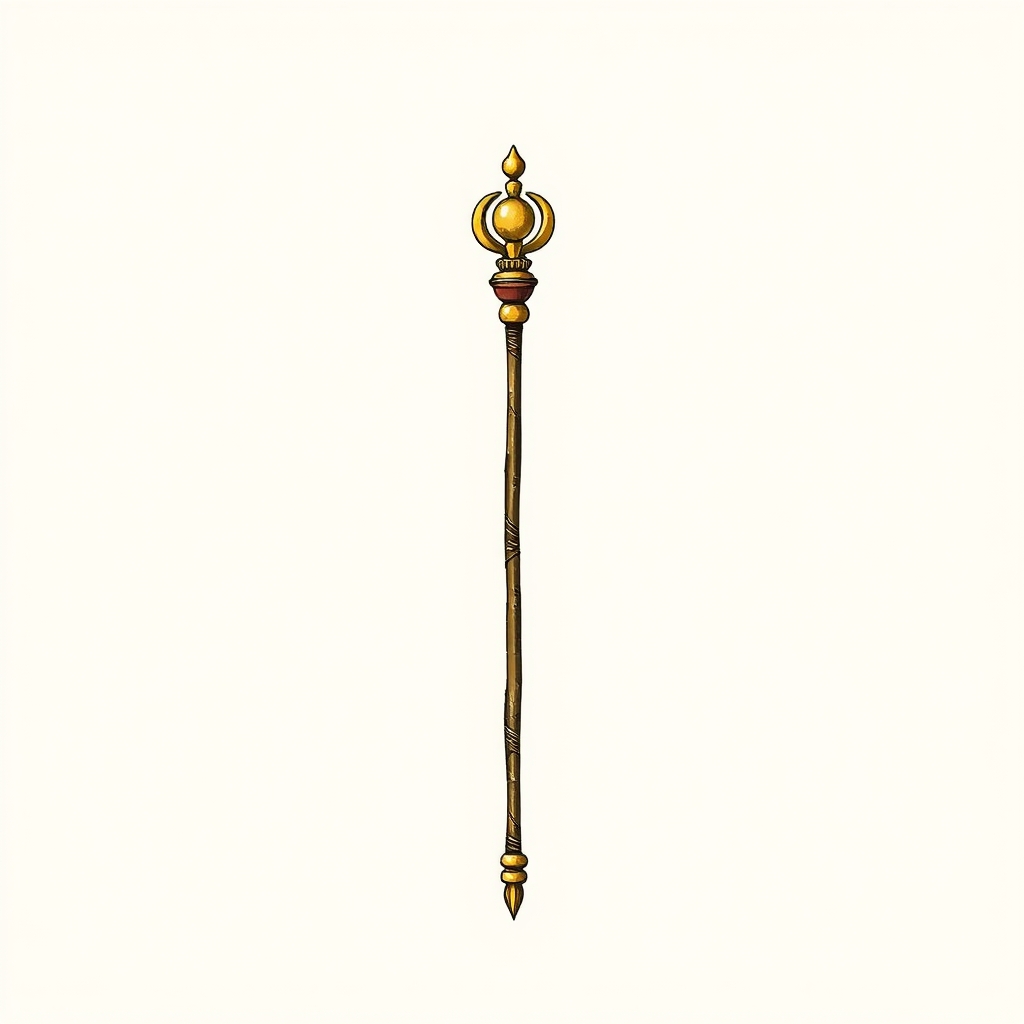
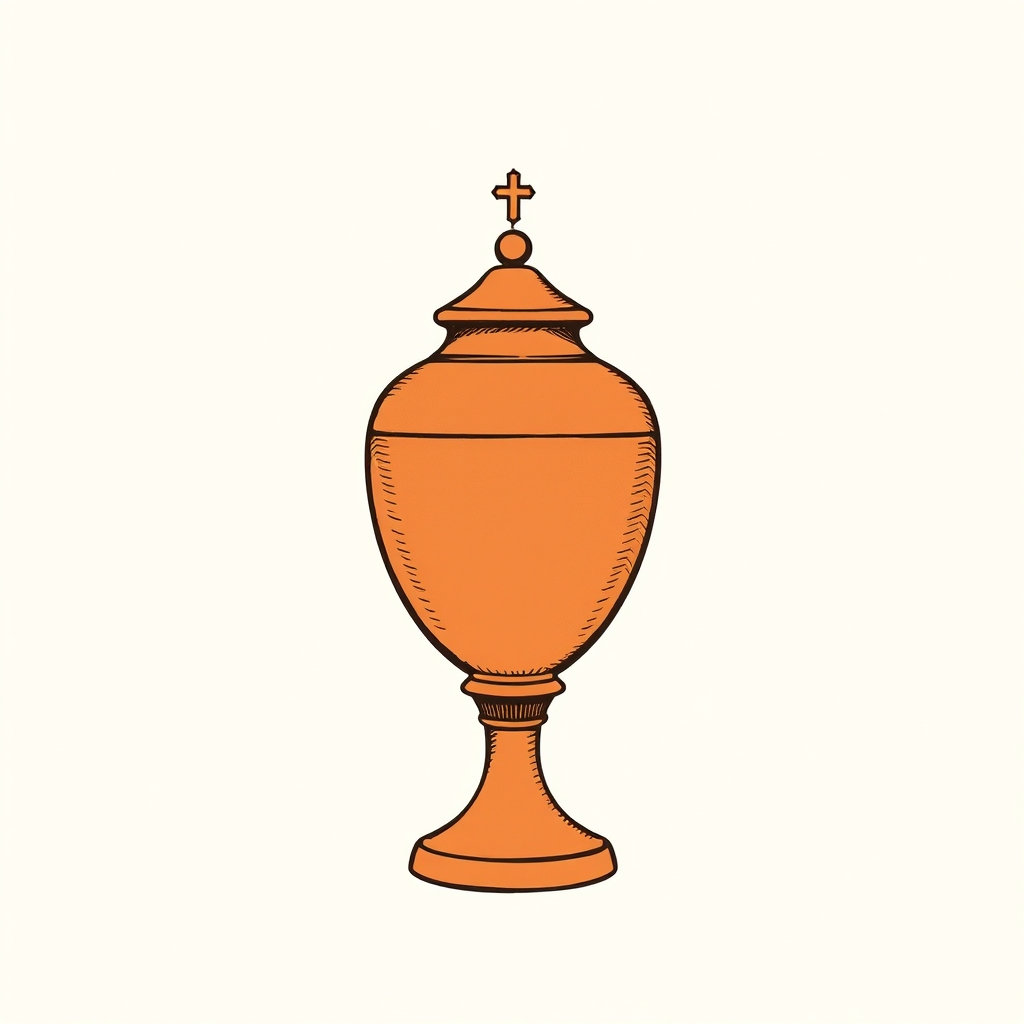
The disciples of Saint Thomas buried his body in the church he had built, placing therein the iron of the spear of his martyrdom, his traveler's staff, and an urn of blood-stained earth.
The disciples of Saint Thomas took his body and buried it in the church he had caused to be built; they placed in his sepulcher the iron of the spear with which he had been pierced, the staff he used in his travels, and an urn full of earth stained with blood.
Decline and restoration of the faith in the Indies
After a period of fervor, the faith declined in the Indies before being restored by a Syrian named Maritome, allowing for a new missionary expansion toward the Orient.
Since that time, the faith was preserved for a very long time in the country, such that the bishops of the Indies were even called to the General Councils of the Church. But, in the following centuries, it weakened so much and admitted so many errors that it was in danger of being entirely ruined, had not a Syrian of great merit, nam ed Marit ome, that is to say Lord Thomas, traveled there by an inspiration of God, and re-established the almost abolished religion there.
The good he did there was marvelous, and Christianity became so flourishing through his means that missionaries went forth from it for the conversion of other oriental nations; and this is what gave the name of Patriarch of the Indies to the metropolitan of India and China. However, Nesto rianism later entered these Churches, and with Nestorianism a strange mixture of all its errors, which gave cause in the 16th century for the kings of Portugal to send missionaries there to purge the Lord's threshing floor.
Discovery and transfer of the relics by the Portuguese
In 1522, Portuguese missionaries discovered the bones of the Apostle in Mylapore and solemnly transferred them to Goa under the authority of King John III.
In 1522, they found there the sacred bones of the holy Apostle, in an ossuary that still remained among the ruins of the city of Mylapor e, and th ey transported them to Goa wit h m arvelous pomp and solemnity. The city of Mylapore then changed its name by the order of King John III, and took that of Saint Thomas. The stone upon which he had been massacred was placed in his chapel, at the back of the altar.
Historical translations to Edessa and Ortona
The text explains the presence of relics in different locations through ancient translations to Edessa and then Ortona, suggesting a division of the Apostle's remains.
As we find in all martyrologies two much older translations of the body of Saint Thomas: one, from the Indies to Edessa, in Syria; the other, from Edessa to Ortona (Abruzzo Citeri ore), which gave cause to build very magnificent churches for him, and whose pilgrimage has always been very famous, it must be said, with Cardinal Baronius, t hat the holy reli cs of this Apostle were divided, and that one part remained in the Indies where it was discovered in 1523, and the other transferred very anciently to Edessa. And these different parts have led to the claim that the body of Saint Thomas was in these different places.
Presence of relics in France
France possessed notable relics, notably an arm at Chartres and the right hand of the Apostle at Saint-Denis, gifted by the Duke of Berry.
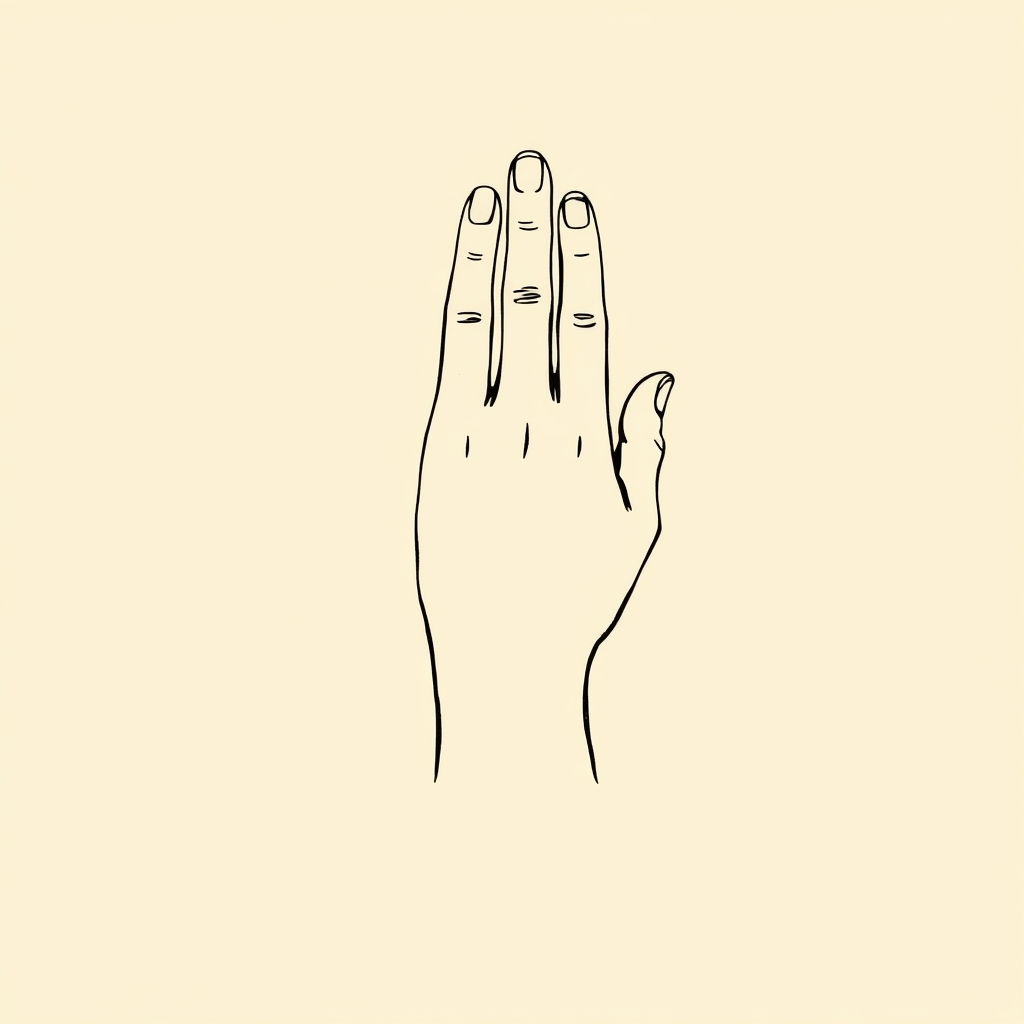
France was not entirely deprived of such a great treasure: for before the Revolution, there was shown at Notre-Dame de Chartres a notable bone from an arm of this Apostle; and at Saint-Denis, the right hand which he placed in the side of Our Lord. The reliquary in which it was enclosed was given by J ohn, Duke of Berry , third son of King John; the following inscription was engraved upon it: Hæc est manus beati Thomæ, apostoli, quam posuit in latus Domini nostri Jesu Christi.
Source of the narrative
The narrative is based on the work of Father Giry, revised and completed by the author.
This narrative i s by Fath er Giry; but we have revised and completed it.
Iconography
Signs and attributes
Entities
Narrative network
The names, places, and concepts most present in the entry, weighted by centrality in the text.
Frequently asked questions about Saint Thomas (Apostle)
Who was Saint Thomas (Apostle)?
After his martyrdom in India, the body of Saint Thomas was kept at Mylapore before being partially transferred to Edessa and then to Ortona. In 1522, the Portuguese rediscovered his remains and transported them to Goa. Notable relics, such as his right hand, were also venerated in France at Saint-Denis and Chartres.
What is Saint Thomas (Apostle) the patron saint of?
Patronage of Saint Thomas (Apostle): India and Mylapore (Saint Thomas).
How is Saint Thomas (Apostle) depicted in Christian art?
In iconography, Saint Thomas (Apostle) is recognizable by: spearhead, traveling staff, urn of blood and right hand.
How did Saint Thomas (Apostle) die?
Saint Thomas (Apostle) suffered martyrdom for the Christian faith (1st century).
Which saints were contemporaries of Saint Thomas (Apostle)?
Contemporaries include: Saint Martial, Apostle of Aquitaine, Saint James the Greater (Apostle), Saint George of Velay and Jesus Christ (Relics of the Passion).
What are the other names of Saint Thomas (Apostle)?
Other forms of the name: Maritome and Seigneur Thomas.
Annexes & related entities
Structured data for exploration: events, miracles, quotes, places, attributes, patronages, and important entities cited in the text.
Key Events
- Burial by his disciples in a church he had built
- Restoration of religion by Maritome
- Discovery of the relics in 1522 in Mylapore
- Translation of relics to Goa by the Portuguese
- Ancient translation to Edessa then to Ortona
Quotes
-
Hæc est manus beati Thomæ, apostoli, quam posuit in latus Domini nostri Jesu Christi
Inscription on the reliquary of Saint-Denis