Saint Delphinus of Bordeaux
Bishop of Bordeaux at the turn of the 4th and 5th centuries, Saint Delphin was a staunch defender of orthodoxy against the Priscillianist heresy. He is famous for having baptized and instructed Saint Paulinus of Nola and for his close friendship with Saint Phoebadius and Saint Ambrose. He died in Bordeaux on December 24th after an episcopate marked by prudence and zeal.
Contemporaries

Figures and markers around the normalized period for this entry.
Guided reading
4 reading sections
SAINT DELPHIN, BISHOP OF BORDEAUX (5th century).
Introduction and reputation
Although his origins are unknown, Delphin is presented as a bishop of Bordeaux famous for his piety and erudition, respected by his peers.
The Church had in this great prelate not only an enlightened and intrepid defender of orthodox truths, but also a vigilant protector who supported it against the enterprises of heretics. We know neither his country nor the names of his parents; we do not even know in what year he was raised to the episcopal see of Bordeaux. All that w e can sa y of him is that his piety and erudition made him so famous that the holiest bishops of the Church considered themselves honored to be his friends and to have a correspondence with him.
Struggle against Priscillianism
Delphin actively participated in the condemnation of the Priscillianist heresy during the councils of Zaragoza and Bordeaux, protecting Aquitaine from their influence.
In 380, he was called to the Council of Zarag oza, in Spain, where he contributed greatly to the condemnation of the h eretics Pri scillian, Belvide, Salvian, and Instantius. He then withdrew to his diocese to prevent these monsters, who had not wished to appear at the council, from spreading the poison of their errors there. This precaution and diligence were absolutely necessary; for the heretics, resolved to go and implore the protection of the emperor, passed through France and infected the city of Eauze and the entire diocese (the current diocese of Auch) with their pernicious doctrine. From there, they went to Bordeaux to spread their venom there as well. Delphin did not sleep, but, like a good shepherd, he watched over his flock; thus, he discovered their disastrous design and reduced them so much that they were forced to abandon all of Aquitaine and fle e to Ital y. He was not content with taking away their means of harming his sheep: he also assembled (in 385) in his episcopal city a council where Priscillian and Instantius, whom those of their party had made bishops, were declared unworthy, stripped of all ecclesiastical dignity, and condemned again. Our holy prelate displayed admirable prudence and firmness there, and if others had imitated his zeal, they would have cut the root of many evils that this uprising of the heretics produced in the Church.
Spiritual influence and friendships
The saint played a crucial role in the conversion of Saint Paulinus of Nola and maintained close ties with Saint Phoebadius of Agen and Saint Ambrose of Milan.
What makes Saint Delphin further illustrious is that he entirely persuaded Saint Paulinus (la ter Bishop of Nola) to undertake a perfect life, that he catechized him, baptized him, and gave him the first instructions of the spiritual life. These benefits obliged Saint Paulinus to be grateful to him all his life; indeed, one cannot add anything to the testimonies of esteem, respect, and gratitude that he offers him in the five epistles he wrote to him.
Saint Delphin was also extremely united with Saint Phoebadius, Bishop of A gen, and both were also very much so with Saint Ambrose of Milan. They both had an ordinary exchange o f letters with this holy doctor, but only one addressed to both of them has been preserved for us. One sees there that their union was so close that they preferred that one write to them by a common letter rather than to each in particular, their mutual affection not being able to suffer that one should even separate their names.
End of life and sources
After founding a church in Langon, Delphin died in Bordeaux at the beginning of the 5th century. The biography is based on the Gallia christiana.
It is believed that Saint Delphin built a church in Langon (Gironde, arrondissement of Bazas). Full of days and merits, he passed away in Borde aux, on a December 24th, at the beginning of the 5th century.
Father Gury supp lemented with the Gall ia christiana nova.
Iconography
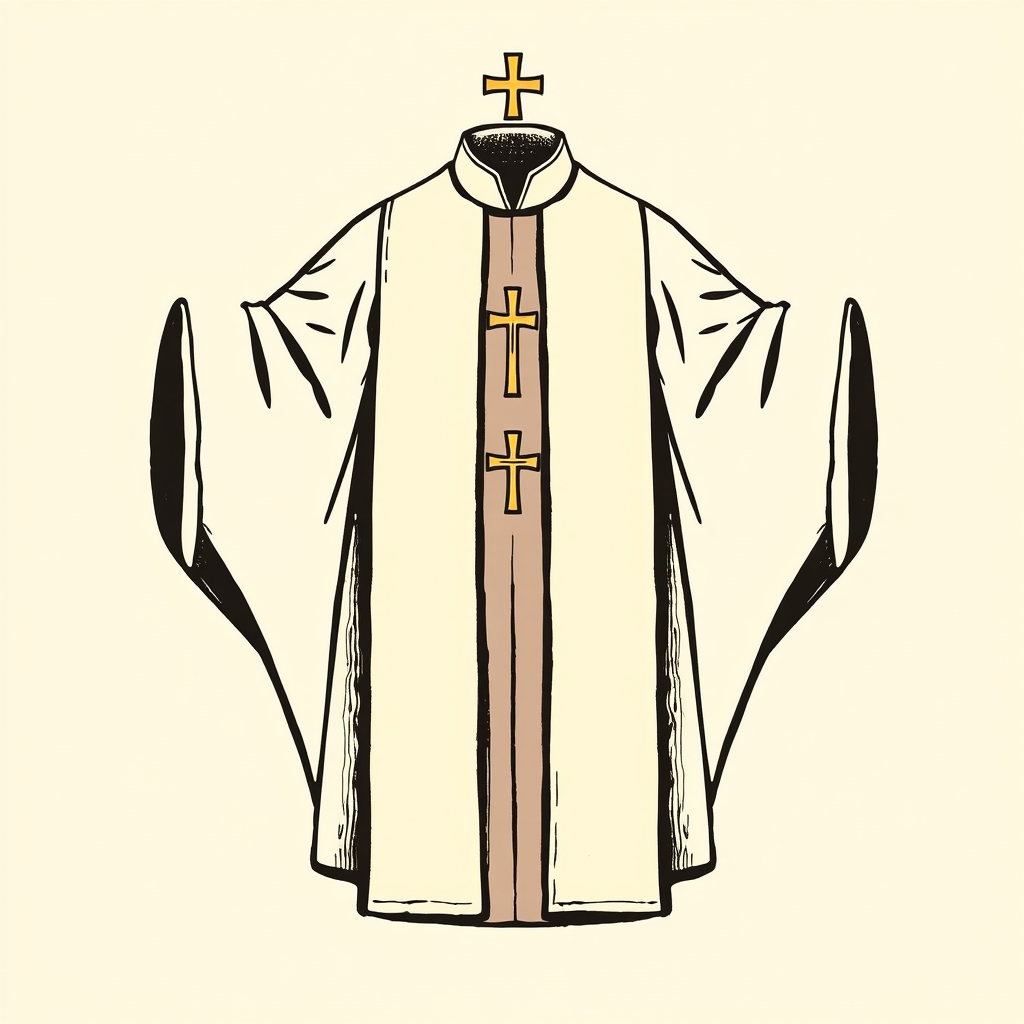
Signs and attributes

Entities
Narrative network
The names, places, and concepts most present in the entry, weighted by centrality in the text.
Frequently asked questions about Saint Delphinus of Bordeaux
Who was Saint Delphinus of Bordeaux?
Bishop of Bordeaux at the turn of the 4th and 5th centuries, Saint Delphin was a staunch defender of orthodoxy against the Priscillianist heresy. He is famous for having baptized and instructed Saint Paulinus of Nola and for his close friendship with Saint Phoebadius and Saint Ambrose. He died in Bordeaux on December 24th after an episcopate marked by prudence and zeal.
What is Saint Delphinus of Bordeaux the patron saint of?
Patronage of Saint Delphinus of Bordeaux: Bordeaux.
How is Saint Delphinus of Bordeaux depicted in Christian art?
In iconography, Saint Delphinus of Bordeaux is recognizable by: episcopal vestments and crozier.
Which saints were contemporaries of Saint Delphinus of Bordeaux?
Contemporaries include: Saint Augustine of Hippo, Saint Honoratus of Arles, Saint James of Tarentaise and Saint Jerome of Stridon.
When did Saint Delphinus of Bordeaux die?
Saint Delphinus of Bordeaux died around 500.
What are the other names of Saint Delphinus of Bordeaux?
Other forms of the name: Delphinus.
Annexes & related entities
Structured data for exploration: events, miracles, quotes, places, attributes, patronages, and important entities cited in the text.
Key Events
- Participation in the Council of Zaragoza in 380
- Struggle against the Priscillianist heresy in Aquitaine
- Organization of a council in Bordeaux in 385
- Catechesis and baptism of Saint Paulinus of Nola
- Construction of a church in Langon