Sister Mary of St. Peter
A 19th-century Carmelite nun of Tours, Sister Marie de Saint-Pierre received divine communications requesting the creation of an association to make reparation for blasphemies and the profanation of the Sunday. This work, established in Saint-Dizier in 1847 and erected as an Archconfraternity by Pope Pius IX, aimed to obtain divine pardon for France and the world.
Contemporaries

Figures and markers around the normalized period for this entry.
Guided reading
6 reading sections
THE REPARATORY ARCHCONFRATERNITY OF SAINT-DIZIER
First supernatural communications
In 1843, Sister Mary of St. Peter received a divine revelation denouncing the sins of blasphemy and the profanation of the Sunday.
In 1843, Our Lord deigned to make this supernatural communication to a soul of proven virtue, Sister M ary of St. Peter, a Carmelite nun:
"Until now I ha ve shown you only little by little the design of my heart, but today I want to reveal it to you entirely. The earth is covered with crimes; and the breaking of the first three commandments has irritated my Father: the holy name of God blasphemed and the Sunday profaned fill the measure of iniquity to the brim."
Call for reparation for France
Christ asks for the creation of an association to honor the Name of God and promises to forgive France if the reparation becomes public.
On November 24, 1845, Our Lord communicated openly to this soul, and said to her: "These sins have risen to the throne of God and provoke His justice; at no time have crimes risen so high. I desire, with a vivid desire, that an Association be formed, well-approved and well-organized, to honor the Name of my Father." — And Our Lord made her understand that by this means He wished to forgive a great number of sinners. Later, He promised her to forgive France once more, provided that the reparation for bla sphemies was public and extended throughout all the cities of the kingdom.
Establishment and ecclesial recognition
The Reparatory Association was founded in Lanoue in 1847, approved by Bishop Parisis, and then erected as an Archconfraternity by Pope Pius IX.
In the month of January 1847, God inspired the pious parish priest of Lanoue, in Saint-Dizier, diocese of Langres, with the thought of establishing a Reparatory Association in his parish. Bishop Parisis approved the Association by episcopal ordinance dated June 28, 1847. Finally , the Sovereign Pontiff Pius IX granted it precious indulg ences, erected it as an Archconfraternity by a brief of July 27, 1847, and deigned to have himself inscribed among the associates. The Holy Father, speaking later of this Archconfraternity, pronounced these memorable words: It is a divine work destined to save Society.
Realization of the Work and Dissemination
The Archconfraternity spread worldwide, confirming the religious sister's visions as a divine work to save society.
Thus was fulfilled the word of Our Lord to the pious Carmelite: "I want an Association to be formed that is well approved and well organized." Sister Mary of St. Peter declared that the R eparatory Archconfraternity was the work of God, and that it responded admirably to the merciful designs of Our Lord for France.
The Reparatory Archconfraternity spread in a truly prodigious manner, not only in France, but in all parts of the Catholic world.
Objectives and iconography
The association aims at the extirpation of scandals and adopts a specific cross representing the name of God and the Holy Face.
The Associati on has as its goal: 1° to make reparation for the outrage done to God by blasphemies and by the profanation of the holy days of Sunday and feast days; 2° to work for the extirpation of these scandals.
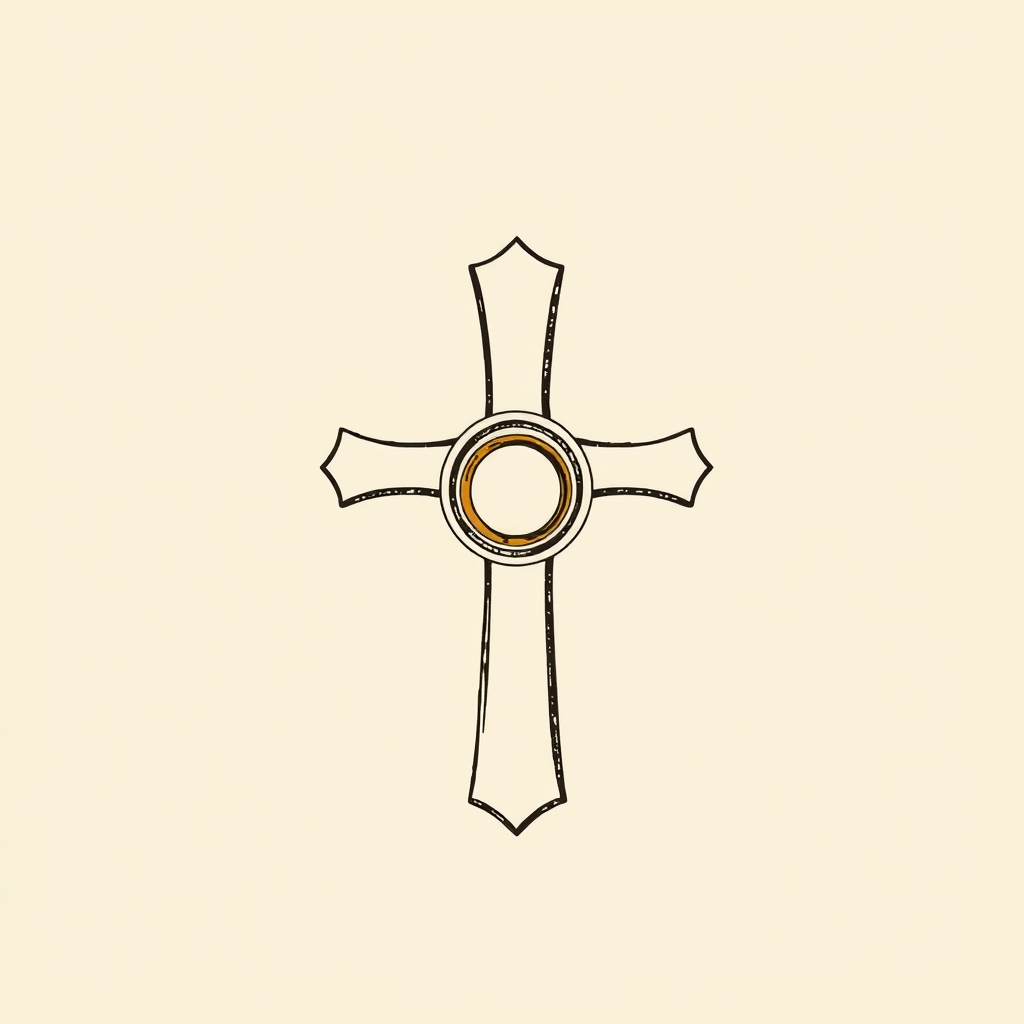
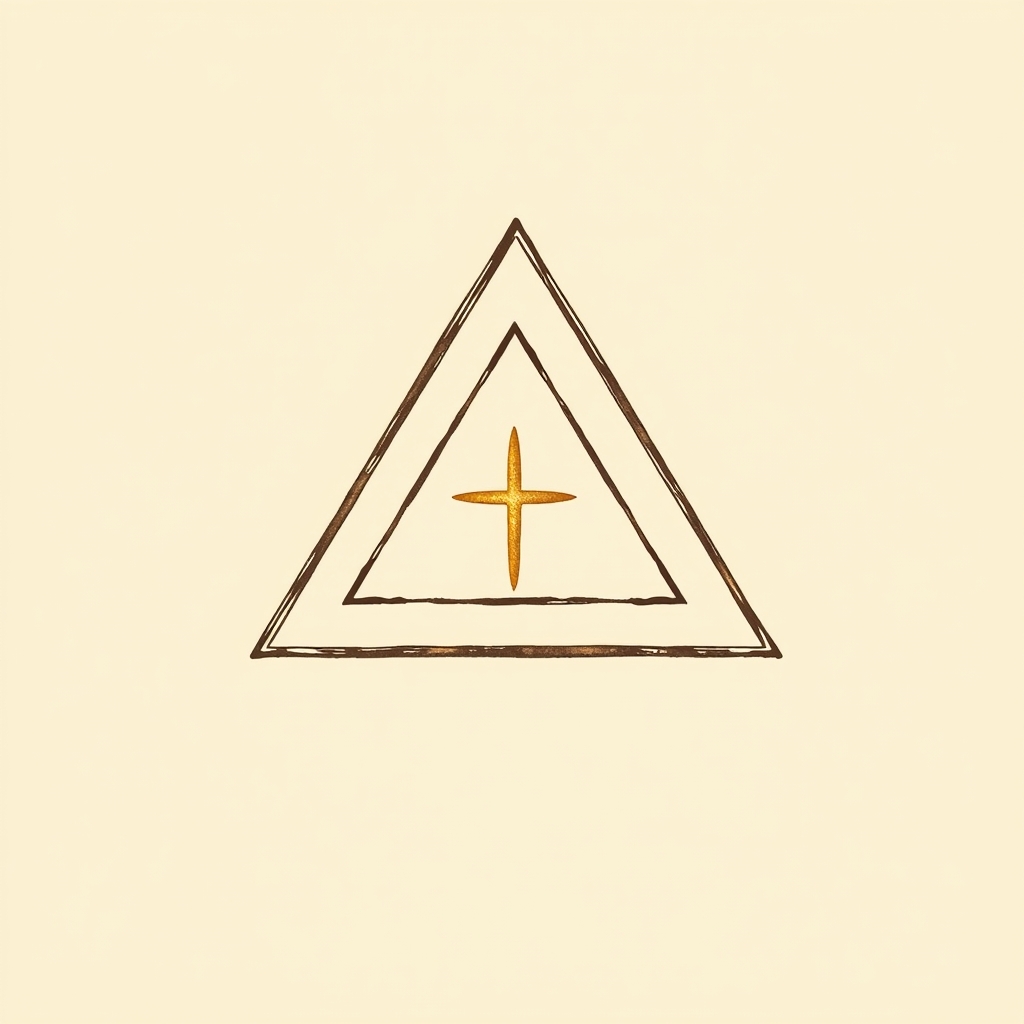
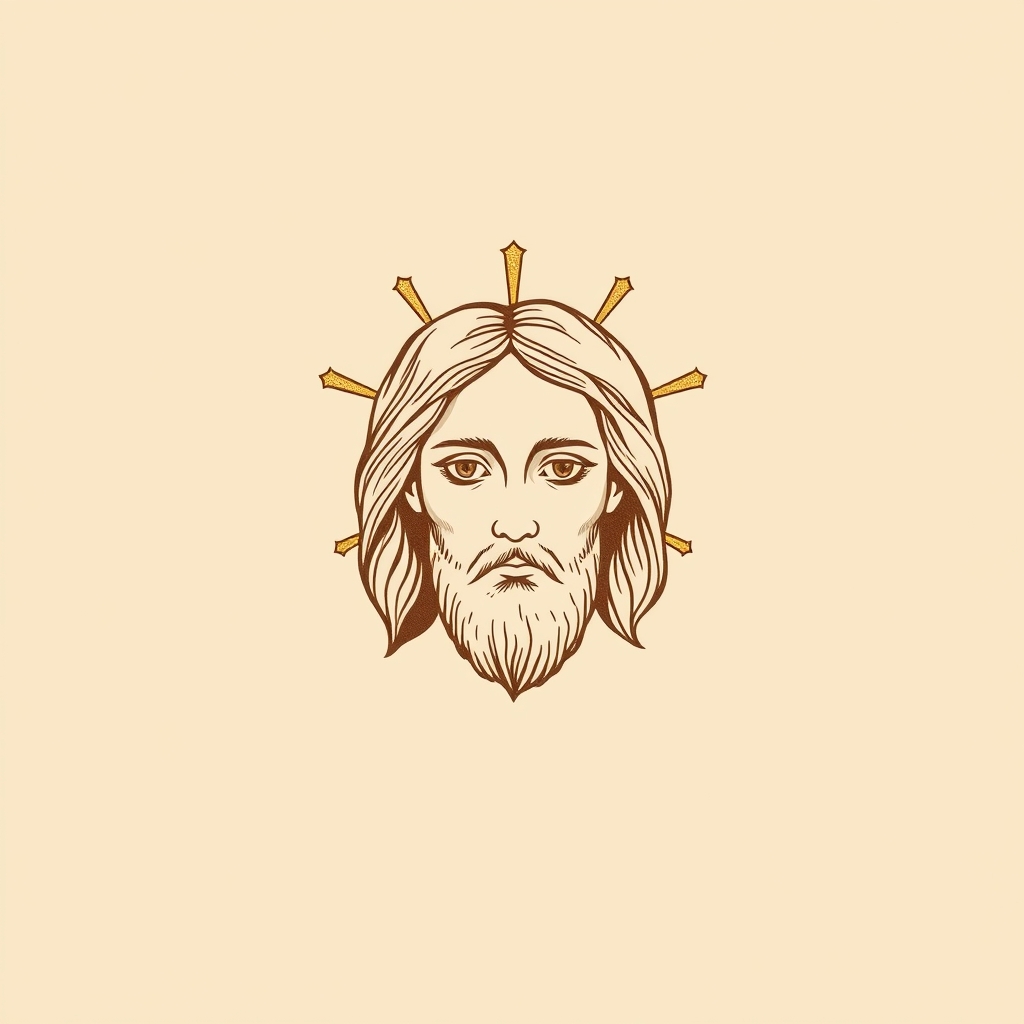
It has adopted as its sign a cross having in the center a medallion, on which is found on one side the Jehovah in a triangle, and on the other the Holy Face of the Savior.
Sources of the biography
The account is based on authentic documents from the Carmelites of Tours and the Ordinary of Tours dating from 1848.
We have extracted this biography from a Circular emanating from the Carmelite nuns of Tours , in 1848; and from an authentic Document published under the eyes and with the assent of the Ordinary of Tours.
Iconography
Signs and attributes
Entities
Narrative network
The names, places, and concepts most present in the entry, weighted by centrality in the text.
The supernatural in their life
The miracles of Sister Mary of St. Peter
Frequently asked questions about Sister Mary of St. Peter
Who was Sister Mary of St. Peter?
A 19th-century Carmelite nun of Tours, Sister Marie de Saint-Pierre received divine communications requesting the creation of an association to make reparation for blasphemies and the profanation of the Sunday. This work, established in Saint-Dizier in 1847 and erected as an Archconfraternity by Pope Pius IX, aimed to obtain divine pardon for France and the world.
What is Sister Mary of St. Peter the patron saint of?
Patronage of Sister Mary of St. Peter: Reparation Archconfraternity.
What is Sister Mary of St. Peter invoked for?
Sister Mary of St. Peter is invoked for: reparation for blasphemy, reparation for the profanation of Sunday, salvation of society and forgiveness of sinners.
How is Sister Mary of St. Peter depicted in Christian art?
In iconography, Sister Mary of St. Peter is recognizable by: cross with medallion, triangle with Jehovah and Holy Face of the Savior.
What miracles are attributed to Sister Mary of St. Peter?
2 miracles are attributed to this saint, notably: Vision / apparition, Prophecy / infused knowledge and Sign / wonder.
Which saints were contemporaries of Sister Mary of St. Peter?
Contemporaries include: Jesús María Echavarría Aguirre, Pauline of the Agonizing Heart of Jesus, Narcisa de Jesús and Juan de Jesús López y González.
Annexes & related entities
Structured data for exploration: events, miracles, quotes, places, attributes, patronages, and important entities cited in the text.
Key Events
- Supernatural communication from Our Lord in 1843
- Revelation of November 24, 1845, on the necessity of an Association to honor the Name of God
- Inspiration of the parish priest of Lanoue in January 1847
- Episcopal approval on June 28, 1847
- Erection into an Archconfraternity by Pius IX on July 27, 1847
Quotes
-
The holy name of God blasphemed and the Sunday profaned fill the measure of iniquity to the brim.
Words of Our Lord to Sister Mary of St. Peter -
It is a divine work destined to save Society.
Pius IX