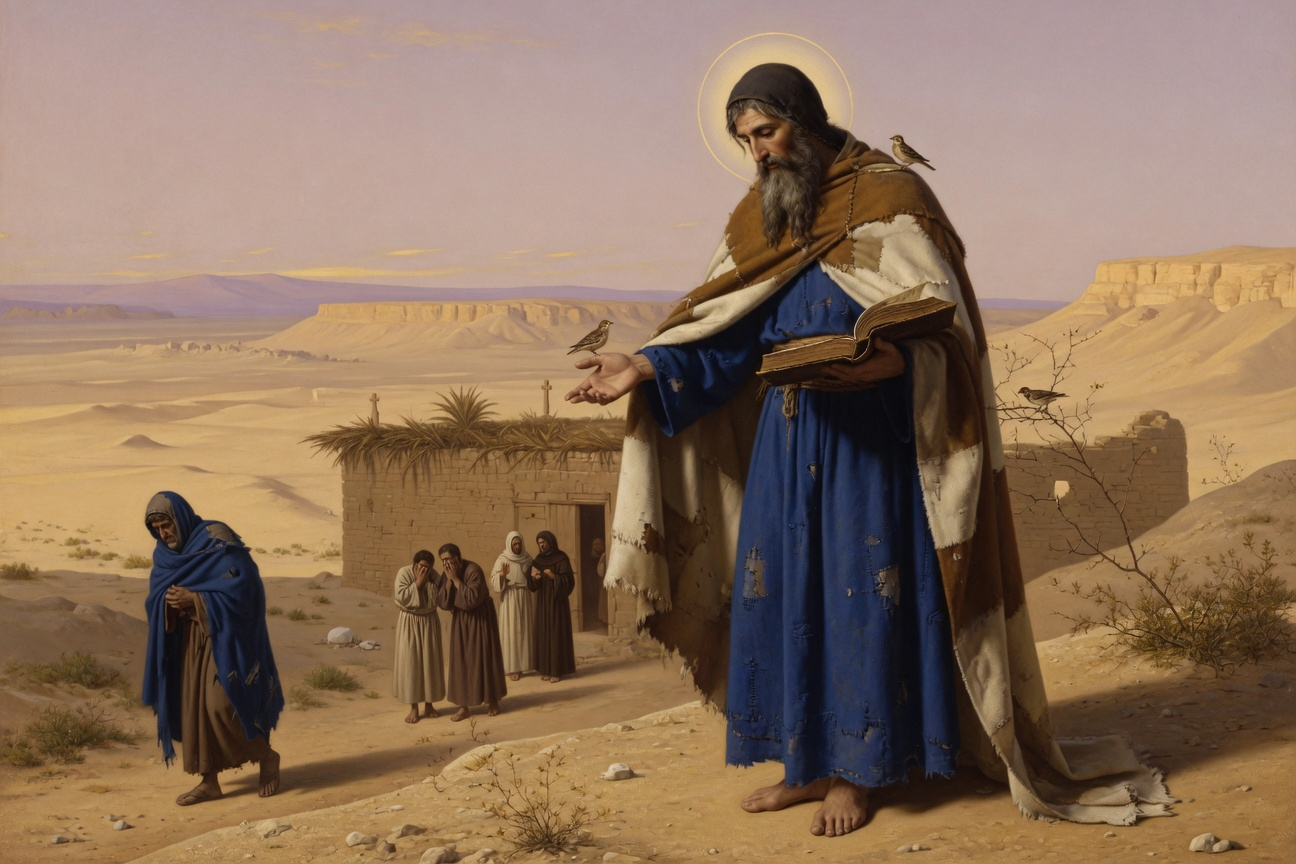
Saint Bessarion the Solitary of Scetis
A solitary of the Scetis desert in the 4th century, Bessarion was distinguished by his radical humility and charity, living without a fixed dwelling. Renowned for his miracles, he turned bitter water into sweet water and healed the possessed as well as a paralyzed child. He refused to judge sinners, identifying himself with them despite his recognized innocence.
Contemporaries

Figures and markers around the normalized period for this entry.
Guided reading
5 reading sections
SAINT BESSARION, SOLITARY OF SCETIS (End of the 4th century).
Asceticism and charity
Saint Bessarion led a life of wandering and absolute poverty, illustrated by the gift of his cloak and his radical fidelity to the Gospel.
Illustrious for his charity, his humility, and the gift of miracles, he lived like the birds of the air, without a fixed dwelling.
One day, having given his cloak to a poor man, the steward of justice happened to pass by. "Who has stripped you so, Father?" he asked him.
— "It is this one," replied the Saint, poi nting to the book of the Gospels.
Humility at Scetis
In the desert of Scetis, Bessarion manifests a profound solidarity with sinners, refusing to judge a brother excluded from the community.
The priest of Scet is had wanted to separate from the community a brother guilty of a certain fault: as he was being driven out of the church, the Saint stood up and went out, saying: 'I too am a sinner!' And yet, his historian assures us that he had preserved his baptismal innocence. But what sincere humility! What delicate charity!
Miracles and Divine Omnipresence
Bessarion performs a miracle of transforming water for his disciple Dulas, while teaching him that God is present everywhere.
His disciple Dulas , for whom he had one day changed bitter water into sweet, wanted to take a supply of it for the road. 'The God who is here,' he told him, 'is everywhere; do not burden yourself unnecessarily.'
Healings and discretion
The saint performs healings of the possessed and the paralyzed, often by surprise or inadvertently, fleeing the brilliance of his own wonders.
One had to use surprise to obtain from him some wonder that would manifest before others. Possessed people were brought asleep into the church. He was asked to wake them, and at the same time he would heal them.
A father brought his paralyzed son before Bessarion's cell and went away. The abandoned child began to cry. The Saint came out, and unaware of his ailment, told him to go and find his father: which he did immediately.
Sources
The account is based on the hagiographic traditions of the Desert Fathers.
Iconography
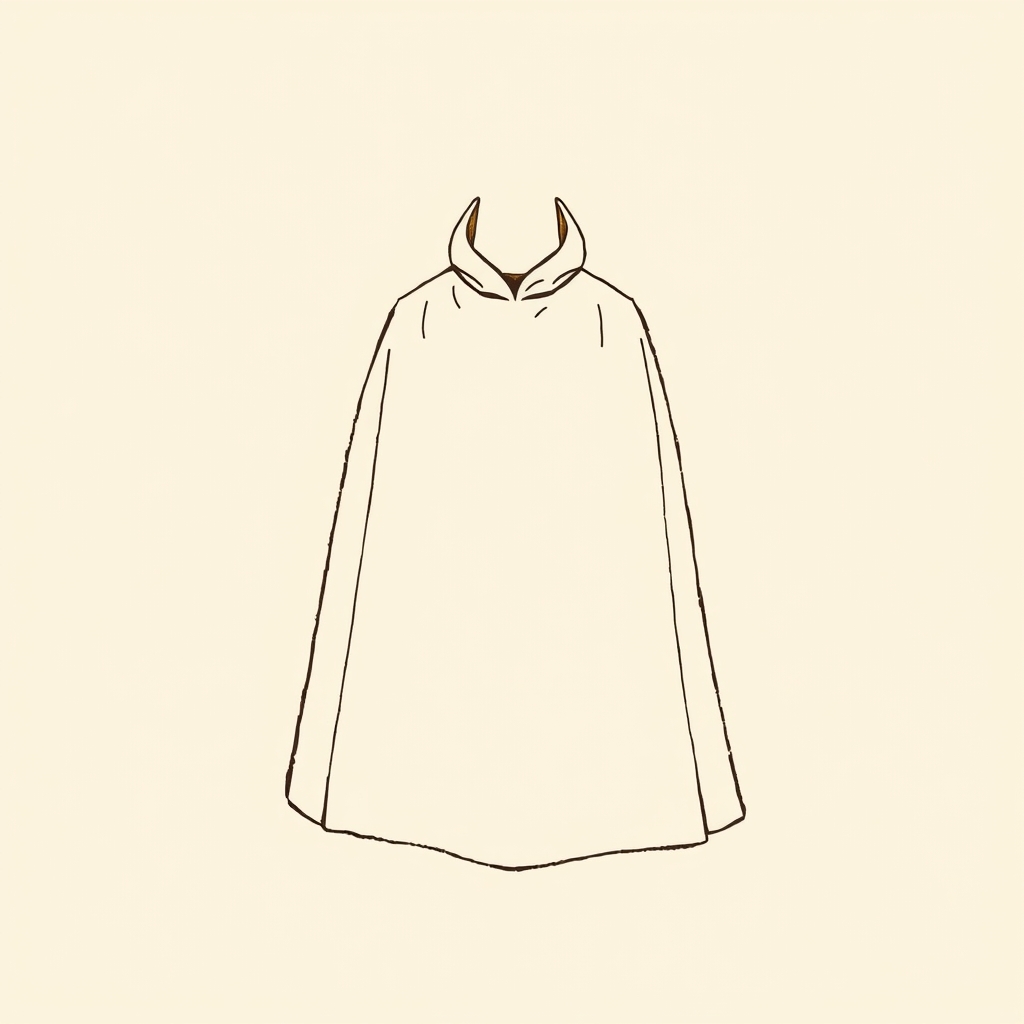
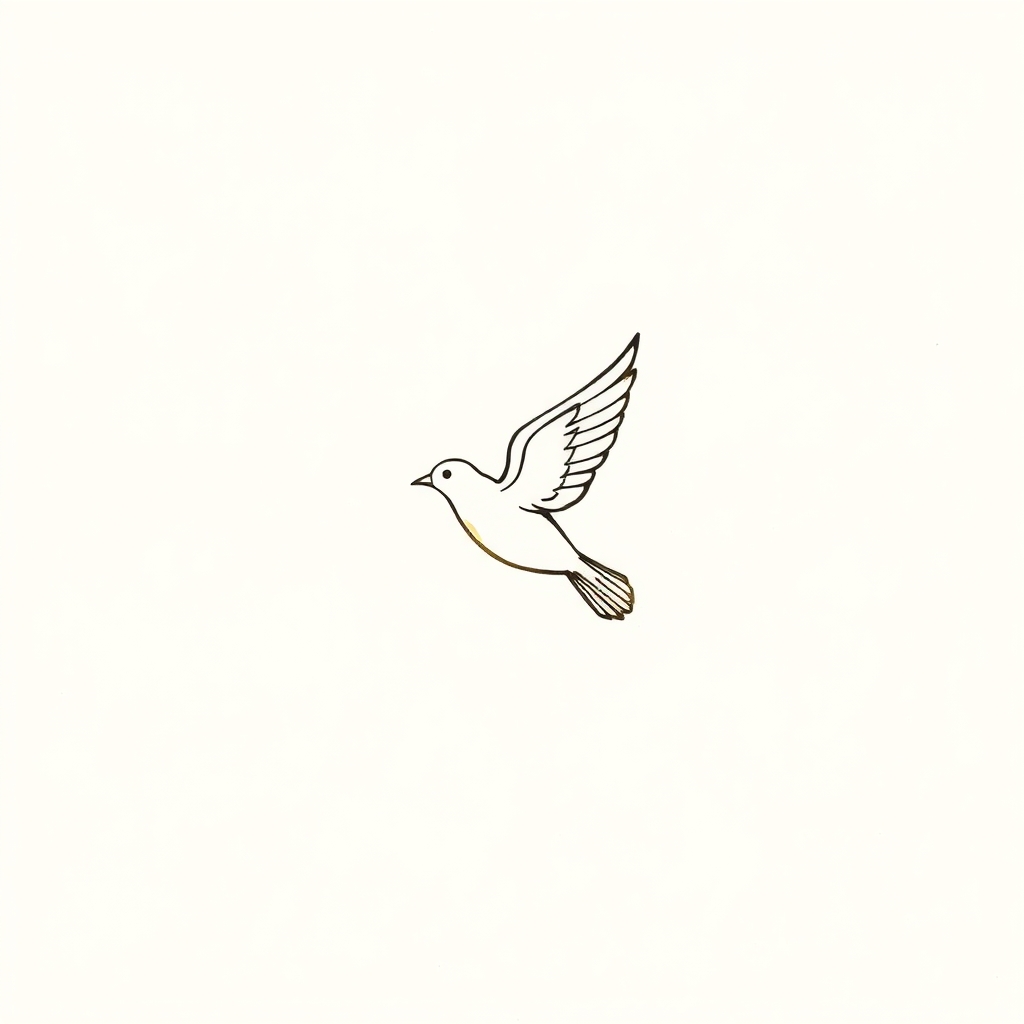
Signs and attributes

Entities
Narrative network
The names, places, and concepts most present in the entry, weighted by centrality in the text.
The supernatural in their life
The miracles of Saint Bessarion the Solitary of Scetis
Frequently asked questions about Saint Bessarion the Solitary of Scetis
Who was Saint Bessarion the Solitary of Scetis?
A solitary of the Scetis desert in the 4th century, Bessarion was distinguished by his radical humility and charity, living without a fixed dwelling. Renowned for his miracles, he turned bitter water into sweet water and healed the possessed as well as a paralyzed child. He refused to judge sinners, identifying himself with them despite his recognized innocence.
What is Saint Bessarion the Solitary of Scetis invoked for?
Saint Bessarion the Solitary of Scetis is invoked for: healing of the possessed and healing of paralysis.
How is Saint Bessarion the Solitary of Scetis depicted in Christian art?
In iconography, Saint Bessarion the Solitary of Scetis is recognizable by: Book of the Gospels, Cloak (given) and Birds of the air (symbol).
What miracles are attributed to Saint Bessarion the Solitary of Scetis?
3 miracles are attributed to this saint, notably: Mastery of the elements, Exorcism and Healing.
Which saints were contemporaries of Saint Bessarion the Solitary of Scetis?
Contemporaries include: Saint Blaise, Saint Hilary of Poitiers, Saint Basil the Great (Archbishop of Caesarea) and Saint Baudilus.
When did Saint Bessarion the Solitary of Scetis die?
Saint Bessarion the Solitary of Scetis died around 400.
Annexes & related entities
Structured data for exploration: events, miracles, quotes, places, attributes, patronages, and important entities cited in the text.
Key Events
- Eremitic life without a fixed dwelling
- Giving his cloak to a poor man
- Solidarity with a sinful brother cast out of the church
- Changing bitter water into sweet water
- Healing of a paralyzed child
Quotes
-
I, too, am a sinner!
Source text (response to the priest of Scetis) -
The God who is here is everywhere; do not burden yourself unnecessarily
Source text (to his disciple Dulas)