Saint Tarcice of Rodez
Born of Frankish nobility and granddaughter of Clotaire I, Saint Tarcice left opulence to live as a hermit in a cave in Rodelle. Miraculously nourished by a goat, she died in the odor of sanctity around the year 600. Her relics, kept at the Cathedral of Rodez, and her miraculous fountain remain the object of great devotion.
Contemporaries

Figures and markers around the normalized period for this entry.
Guided reading
4 reading sections
SAINT TARCICE, VIRGIN IN RODEZ (circa 600).
Origins and genealogy
Saint Tarcice comes from an illustrious lineage, daughter of Ambert, lord of Aquitaine, and of Blitilde, a direct descendant of kings Clovis and Clotaire I.
Saint Tarcice was, according to genealogists, the daugh ter of Ambert and Bli tilde. A wealthy lord of Aquitaine, Ambert is the stem of the second race of our kings. As for Blitilde, her mother, she was the da ughter of Cl otaire I, son of Clovis and Saint Clot ilde.
Vocation and eremitic life
After renouncing her fortune, she settled in an isolated cave in Rodelle, in Rouergue, where she led a life of prayer miraculously nourished by a goat.
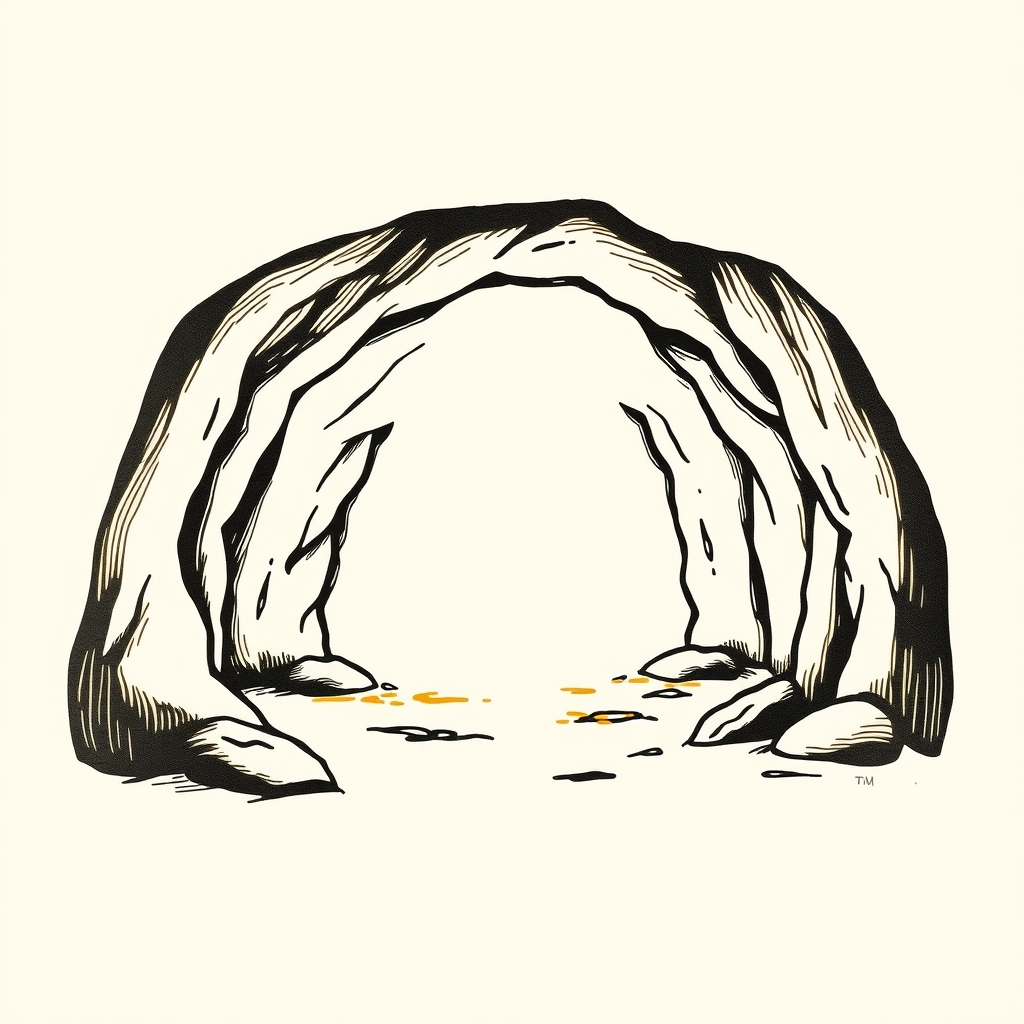
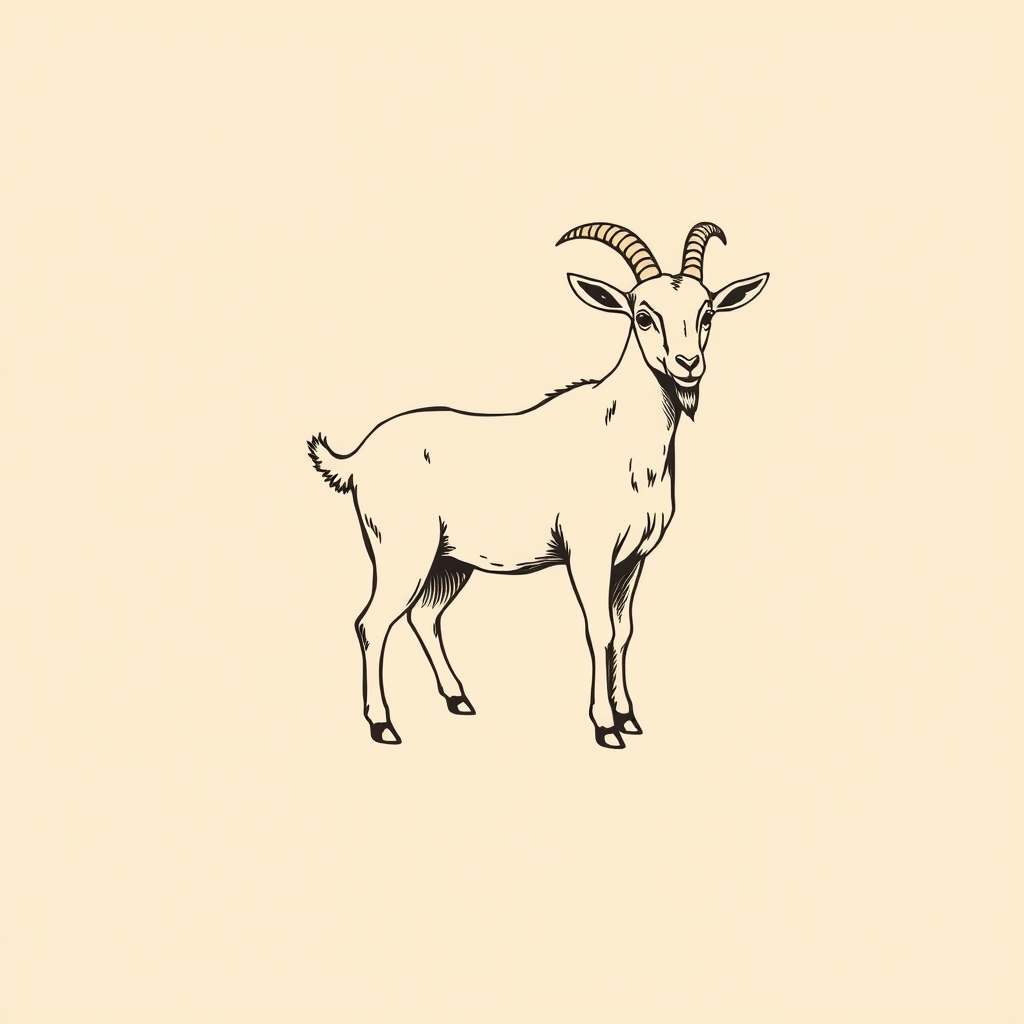
Saint Tarcice had three brothers: Arnoul , treasurer of Charlemagne; Sa int Ferréol, Bishop of Uzès; and S aint Modéric, who was the second Bishop of Larzac, a diocese o f Rouerg ue, around the 7th century, of which only the memory remains. The first years of Tarcice were spent in the service of God. To be freer to serve Him, she even renounced the advantages of an opulent house and left her country by a particular inspiration of the Holy Spirit. After various pilgrimages, she came to Rouergue, and settled in the parish of Rodelle, in the middle of the woods, in deep solitude, isolated from all contact with the world. There, like another Mary, she chose the better part. Her habitual occupation was to converse with her God through prayer, living alone in a cave that is still visited today, the entrance of which was as if closed by brushwood. The Lord wished to provide for her sustenance Himself and miraculously supply her food: it is said that a goat came to offer her its milk at fixed hours.
Passing and Veneration of Relics
Upon her death, her body was discovered thanks to a celestial light and transferred to Rodez. Her relics, preserved from the Revolution, rest today in the cathedral.
Saint Tarcice spent several years in this solitude. Then, one day, an extraordinary light was seen shining over the cave; people rushed there and found the holy body of Tarcice, inanimate, exhaling a celestial fragrance. Transported to Rodez by th e bis hop assisted by his clergy, amidst an immense gathering of people, the relics of Saint Tarcice were the object of universal veneration, especially in the monastery of Saint- Sernin, below Rodez, wher e, until 1791, the nuns, almost all from noble families, took pride in invoking her as the source of their patronesses and honored her with a particular cult. The relics of Saint Tarcice, which escaped the revolutionary turmoil, are today kept in one of the rich reliquaries of the cathedral, and are surrounded, as in the past, by the trust and love of the pious faithful. — Hagiographers wrongly place the relics of Saint Tarcice in the church of Saint-Vincent, in Rodez; this church no longer exists, if it ever existed.
The Fountain of Rodelle
A fountain located near her former cave is renowned for healing eye ailments thanks to the saint's blessings.
Not far from the cave where the holy life of our blessed Tarcice flowed, in the woods of Rodelle, is a fountain whose water is regarded as very effective against eye ailments, thanks to the blessings that Tarcice had given to this fountain, which was a witness to the merits of her life.
Iconography
Signs and attributes

Entities
Narrative network
The names, places, and concepts most present in the entry, weighted by centrality in the text.
The supernatural in their life
The miracles of Saint Tarcice of Rodez
Frequently asked questions about Saint Tarcice of Rodez
Who was Saint Tarcice of Rodez?
Born of Frankish nobility and granddaughter of Clotaire I, Saint Tarcice left opulence to live as a hermit in a cave in Rodelle. Miraculously nourished by a goat, she died in the odor of sanctity around the year 600. Her relics, kept at the Cathedral of Rodez, and her miraculous fountain remain the object of great devotion.
What is Saint Tarcice of Rodez the patron saint of?
Patronage of Saint Tarcice of Rodez: Nuns of Saint-Sernin.
What is Saint Tarcice of Rodez invoked for?
Saint Tarcice of Rodez is invoked for: eye ailments.
How is Saint Tarcice of Rodez depicted in Christian art?
In iconography, Saint Tarcice of Rodez is recognizable by: cave, goat and celestial light.
What miracles are attributed to Saint Tarcice of Rodez?
4 miracles are attributed to this saint, notably: Multiplication / provision, Sign / wonder and Healing.
Which saints were contemporaries of Saint Tarcice of Rodez?
Contemporaries include: Saint Priest (Prix), Saint Gregory the Great (Pope and Doctor of the Church), Saint Die (Didier, Deodat) and Saint Augustine of Canterbury.
When did Saint Tarcice of Rodez die?
Saint Tarcice of Rodez died around 700.
Who are the relatives of Saint Tarcice of Rodez?
Relatives of Saint Tarcice of Rodez: Ambert (father), Blitilde (mother), Clotaire Ier (maternal grandfather), Arnoul (brother), Saint Ferréol (brother) and Saint Modéric (brother).
Annexes & related entities
Structured data for exploration: events, miracles, quotes, places, attributes, patronages, and important entities cited in the text.
Key Events
- Renunciation of an opulent house
- Departure from native land by divine inspiration
- Settled in a cave in Rodelle
- Eremitic life sustained by a goat
- Discovery of the body by a miraculous light
- Translation of relics to Rodez