Saint Marus of Trier
Bishop of Trier in the 5th century and successor to Exametus, Saint Marus distinguished himself by rebuilding religious edifices ruined by the Huns, notably the temple of the Mother of God. Although details of his life are little known, his tomb in the Basilica of Saint Paulinus became a place of pilgrimage famous for its miraculous healings.
Contemporaries

Figures and markers around the normalized period for this entry.
Guided reading
2 reading sections
SAINT MARUS, BISHOP OF TRIER AND CONFESSOR (479).
Episcopate and reconstructions
Successor to Exametus at Trier under the pontificate of Hilary, Marus dedicated himself to the restoration of the basilicas and the temple of the Mother of God destroyed by the Huns.
Saint Marus , successor to Bishop Exa metus o n the see of Trie r, flo urished, it is said, under Pop e Hilary, su ccessor to Saint Leo the Great. The injury of time has stolen from posterity the knowledge of his life; however, some traces of his virtues remain to us, entrusted by the tradition of our fathers to the faithful memory of generations. His primary occupation consisted of rebuilding and embellishing the basilicas and the tombs of the martyrs; he displayed his zeal particularly in the reconstruction of a temple of the most holy Mother of God, built formerly by Saint Felix, and which the Huns h ad j ust burned and ruined along with the rest of the city. He merited having a place there for his burial among the numerous bodies of the holy martyrs and holy bishops who were there, notably that of Saint Paulinus, bisho p and martyr .
Cult and posthumous miracles
Buried in the Basilica of Saint-Paulin, his tomb became a place of pilgrimage famous for its miraculous healings, particularly of gout and paralysis.
The miracles that took place at his tomb and which rendered him glorious in the ages that followed, showed how eminent this man had been in holiness and purity, and how precious his soul was found before God. He was once the object of eager devotion on the part of both natives and foreigners, and the sick afflicted with gout or paralysis, or nervous convulsions, particularly experienced the effect of his protection. The gathering of pilgrims was considerable in the Basilica of Saint-Paulin, where the people of Trier annually celebrated his solem n feas t, and the stone of the threshold of his tomb appeared quite worn by the knees of the suppliants.
Iconography
Signs and attributes
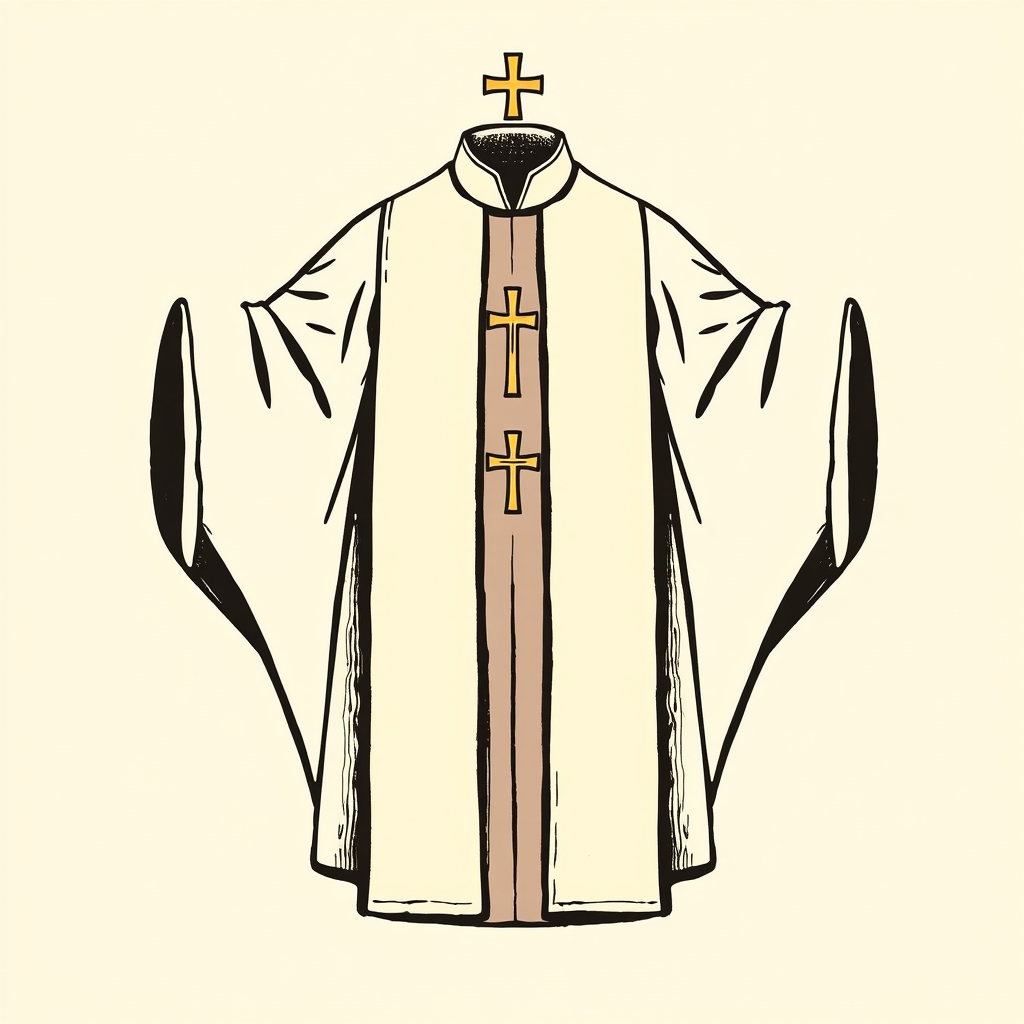
Entities
Narrative network
The names, places, and concepts most present in the entry, weighted by centrality in the text.
The supernatural in their life
The miracles of Saint Marus of Trier
Frequently asked questions about Saint Marus of Trier
Who was Saint Marus of Trier?
Bishop of Trier in the 5th century and successor to Exametus, Saint Marus distinguished himself by rebuilding religious edifices ruined by the Huns, notably the temple of the Mother of God. Although details of his life are little known, his tomb in the Basilica of Saint Paulinus became a place of pilgrimage famous for its miraculous healings.
What is Saint Marus of Trier the patron saint of?
Patronage of Saint Marus of Trier: Trier.
What is Saint Marus of Trier invoked for?
Saint Marus of Trier is invoked for: gout, paralysis and nervous convulsions.
How is Saint Marus of Trier depicted in Christian art?
In iconography, Saint Marus of Trier is recognizable by: episcopal vestments.
What miracles are attributed to Saint Marus of Trier?
1 miracle are attributed to this saint, notably: Healing.
Which saints were contemporaries of Saint Marus of Trier?
Contemporaries include: Saint Augustine of Hippo, Saint Honoratus of Arles, Saint James of Tarentaise and Saint Jerome of Stridon.
When did Saint Marus of Trier die?
Saint Marus of Trier died around 479.
Annexes & related entities
Structured data for exploration: events, miracles, quotes, places, attributes, patronages, and important entities cited in the text.
Key Events
- Succeeded Bishop Exametus to the see of Trier
- Exercised his episcopate under Pope Hilarius
- Reconstruction and embellishment of basilicas and martyrs' tombs
- Reconstruction of the temple of the Mother of God destroyed by the Huns