Saint Pelade of Embrun
Archbishop of Embrun in the 5th century, Pelade was trained by Saint Catalin and distinguished himself by his charity toward the poor and his struggle against Arianism. Gifted with prophetic and thaumaturgical powers, he built five basilicas before dying on January 6th. His relics, transported to Catalonia and then partially returned to Montgardin, are the object of great devotion.
Contemporaries

Figures and markers around the normalized period for this entry.
Guided reading
6 reading sections
SAINT PELADE, ARCHBISHOP OF EMBRUN (5th century).
Youth and exile in Vienne
Born in Embrun to a noble family, Pelade was trained by Archbishop Catalin, whom he followed into exile in Vienne to flee Arian persecutions.
Pelade, Archbishop of Embru n, was born in Embrun to noble and Catholic parents, at a time when the Arian heresy was wreaking great havoc in that city and throughout Burgundy. While st ill a child, he was trained in virtue by Cata lin, archbishop of that city: from an early age, his thoughts and affections turned toward virtue. Catalin, driven from his see by the heretics, having taken refuge in Vienne with the b lessed Avitu s, Pelade accomp anied him in his flight and sought to imitate him through his good works. Catalin died in his exile and was replaced by Gallican, the fir st of that name. After a very short pontificate, he rested in Christ through a premature and pious death, and then the unanimous voice of the clergy and the people called Pelade to come and serve as a pillar for the church of Embrun, which was threatening to collapse. He used his wealth to relieve the indigence of the poor and the abandonment of widows and orphans. Assiduous in prayer, applied incessantly to the reading of sacred texts, diligent in visiting his diocese, subduing his body through maceration, holding the praises of men in horror, he led a truly heavenly life.
Episcopate and virtues
After the death of Catalin and Gallican, Pelade was elected Archbishop of Embrun by acclamation, distinguishing himself by his charity and asceticism.
From the angels, his constant companions, he received knowledge of things to come and hidden things: he pre dicted to Sigismund, King o f Burgundy, his death and the ruin of his kingdom. With a sign of the cross, he often thwarted the rage of demons and their vain terrors; once, among other times, he warded off in this way the enormous mass of a rock that was falling upon him. The only son of a widow was afflicted with paralysis: he restored his health through holy anointing. In the space of five years that he was bishop, he built five basilicas. Finally, illustrious for his virtues and miracles, and having announced the day of his death, he departed to the Lord on January 6. His relics, long preserved in Embrun, then taken away by a monk of the family of Sain t Benedic t to Catalonia, were depos ited in the monastery of Saint-Pierre-d e-Champrodon, of the same Order.
Miracles and end of life
Endowed with prophetic and thaumaturgical gifts, he predicted the fall of King Sigismund and built five basilicas before dying on a January 6th.
This deposit had been there for a long time, enclosed in a silver reliquary adorned with gold carvings representing the principal miracles of the Saint, when, at the end of the 15th century, Catalonia having been conquered by French arms, the monastery was delivered to the victors to be pillaged, and the reliquary of Saint Pelade was taken. But God, who is admirable in His Saints, had willed that in the French army there should be Je an Richier, bailiff of Montgardin, a religious man, who redeemed the reliquary at his own expense and returned it to the monastery, asking as the price of such a great good deed only a portion of the holy relics. A considerable fragment of the forearm bone was indeed ceded at his request, with the authentic attestation of what had occurred. Deposited, from that time on, at Montgardin, this precious memento was examin ed in 1764 by Bernardin François, Archb ishop of Embrun, and provided all the marks of an incontestable authenticity. The successor of the pious Richier donated half of his treasure to the church of Embrun, where this sacred pledge is still honored today.
Translation of relics to Catalonia
His remains were transferred by a Benedictine monk to the monastery of Saint-Pierre-de-Champrodon in Catalonia, where they remained for several centuries.
In Spain, Saint Pelade was invoked for eye ailments and headaches.
The rescue of Jean Richier
During the conquest of Catalonia in the 15th century, Jean Richier purchased the saint's reliquary and obtained a relic for the church of Montgardin.
Authentication and devotions
The relics were authenticated in 1764 by Archbishop Bernardin François; the saint is invoked in Spain for headaches and eye ailments.
This deposit had been there for a long time, enclosed in a silver reliquary adorned with gold carvings representing the principal miracles of the Saint, when, at the end of the 15th century, Catalonia having been conquered by French arms, the monastery was given over to the victors to be pillaged, and the reliquary of Saint Pélade was taken. But God, who is admirable in His Saints, had willed that in the French army there should be Jean Richier, bailiff of Montgardin, a religious man, who redeemed the reliquary at his own expense and returned it to the monastery, asking as the price for such a great benefaction only a portion of the holy relics. A considerable fragment of the forearm bone was indeed ceded at his request, with the authentic attestation of what had occurred. Deposited, from that time on, at Montgardin, this precious memento was examined in 1764 by Bernardin François, Archbishop of Embrun, and provided all the marks of incontestable authenticity. The successor of the pious Richier donated half of his treasure to the church of Embrun, where this sacred pledge is still honored today.
In Spain, Saint Pélade was invoked for eye ailments and headaches.
Prappe of Gap.
Iconography
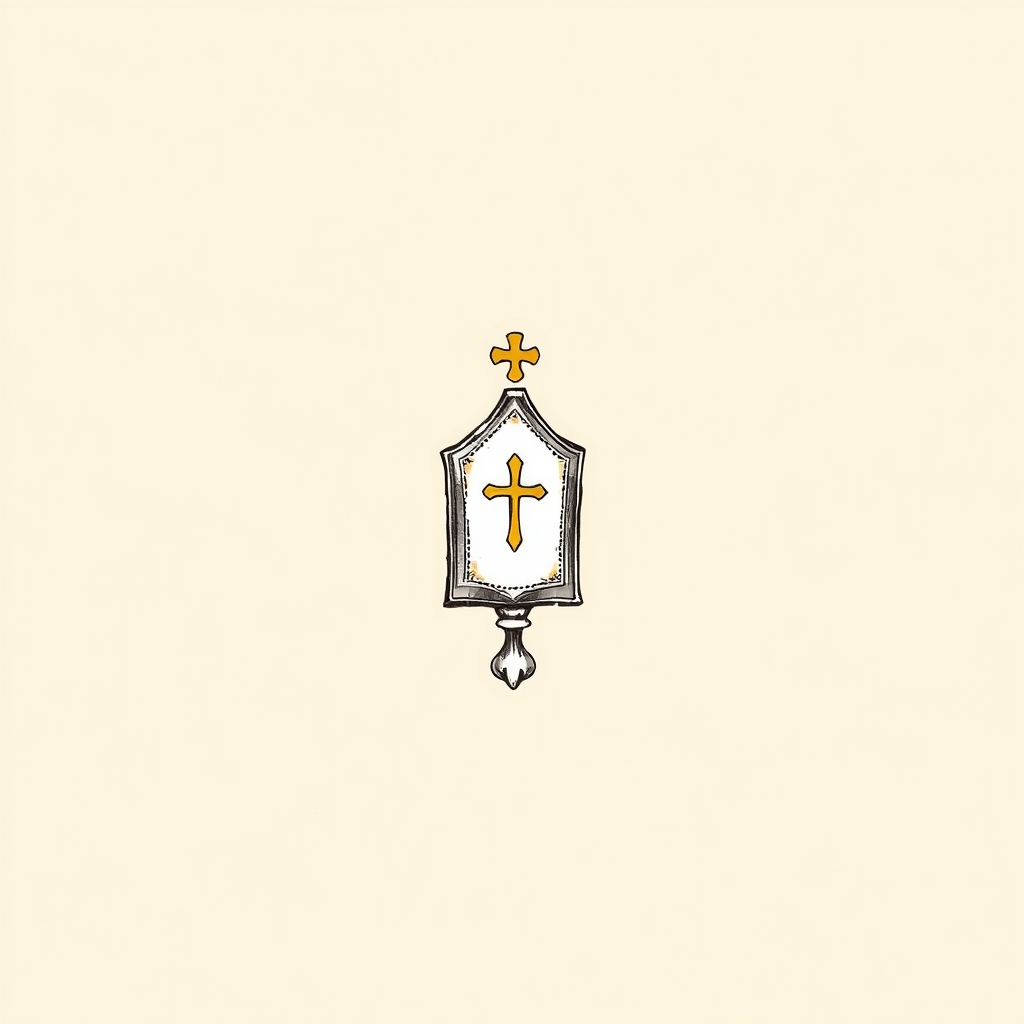
Signs and attributes

Entities
Narrative network
The names, places, and concepts most present in the entry, weighted by centrality in the text.
The supernatural in their life
The miracles of Saint Pelade of Embrun
Frequently asked questions about Saint Pelade of Embrun
Who was Saint Pelade of Embrun?
Archbishop of Embrun in the 5th century, Pelade was trained by Saint Catalin and distinguished himself by his charity toward the poor and his struggle against Arianism. Gifted with prophetic and thaumaturgical powers, he built five basilicas before dying on January 6th. His relics, transported to Catalonia and then partially returned to Montgardin, are the object of great devotion.
What is Saint Pelade of Embrun the patron saint of?
Patronage of Saint Pelade of Embrun: Embrun and Montgardin.
What is Saint Pelade of Embrun invoked for?
Saint Pelade of Embrun is invoked for: eye ailments and headaches.
How is Saint Pelade of Embrun depicted in Christian art?
In iconography, Saint Pelade of Embrun is recognizable by: silver and gold reliquary, sign of the cross and episcopal insignia.
What miracles are attributed to Saint Pelade of Embrun?
3 miracles are attributed to this saint, notably: Mastery of the elements, Sign / wonder, Healing and Prophecy / infused knowledge.
Which saints were contemporaries of Saint Pelade of Embrun?
Contemporaries include: Saint Augustine of Hippo, Saint Honoratus of Arles, Saint James of Tarentaise and Saint Jerome of Stridon.
When did Saint Pelade of Embrun die?
Saint Pelade of Embrun died around 500.
Who are the relatives of Saint Pelade of Embrun?
Relatives of Saint Pelade of Embrun: Parents nobles et catholiques (parents).
Annexes & related entities
Structured data for exploration: events, miracles, quotes, places, attributes, patronages, and important entities cited in the text.
Key Events
- Formation under Archbishop Catalin
- Exile in Vienne with Catalin alongside Saint Avitus
- Unanimous election as Archbishop of Embrun
- Predicted the death of Sigismund and the ruin of his kingdom
- Construction of five basilicas in five years
- Translation of relics to Catalonia by a Benedictine monk