A former bandit leader who spared the Holy Family during the Flight into Egypt, Dismas was crucified alongside Jesus. He obtained his conversion in extremis by confessing the divinity of Christ, becoming the first to enter Paradise. He is the protector of the condemned and is invoked against theft.
Contemporaries

Figures and markers around the normalized period for this entry.
Guided reading
5 reading sections
SAINT DISMAS, THE PENITENT THIEF (33).
Origin and legend of the encounter
Presentation of the hagiographic tradition linking Dismas to an encounter with the Holy Family during the flight into Egypt.
According to a pious tradition, Saint D ismas was t he good thief converted by our divine Savior, shortly before his death, while he was still attached to the cross. Saint Anselm, proposing to one of his sisters a meditation on the childhood of Jesus, recounts the following story, not as a certain fact, but as a very widespread legend of his time.
« Dismas lived in a forest near Egypt, when Mary, fleeing the wrath of He rod, was traveling th ere he rself, carrying with her the child Jesus. He was an assassin by profession, and the son of the leader of a band of evildoers. Now, one day while he was in ambush, seeing an old man, a young woman, and a small child arrive, judging with reason that they could offer no resistance, he headed toward them with his companions, with the intention of mistreating them; but he was suddenly enraptured by the supernatural grace that embellished the face of Jesus, so that instead of doing them any harm, he gave them hospitality in the cave he inhabited, and prepared for them everything that was necessary. Mary was happy seeing the caresses and care that this thief lavished upon her beloved Son; she thanked him with all her heart, and she assured him that he would be rewarded for it before his death. The promise of the Most Holy Virgin was realized later: Dismas was crucified with the Redeemer of the world, and he obtained at his last moment the grace to repent of his faults, and, having publicly confessed the divinity of Jesus Christ while the Apostles had taken flight, he had the happiness of receiving the first fruits of redemption, and of entering, shortly after with Jesus Christ, into possession of the kingdom of heaven ».
Relics and preservation
Mention of the preservation of the cross of the Good Thief on the island of Cyprus.
The cross upon which the Good Thief died was long preserved on the island of Cyprus.
Representations in art
Analysis of the representations of Saint Dismas by great masters such as Titian, Michelangelo, and Callot.
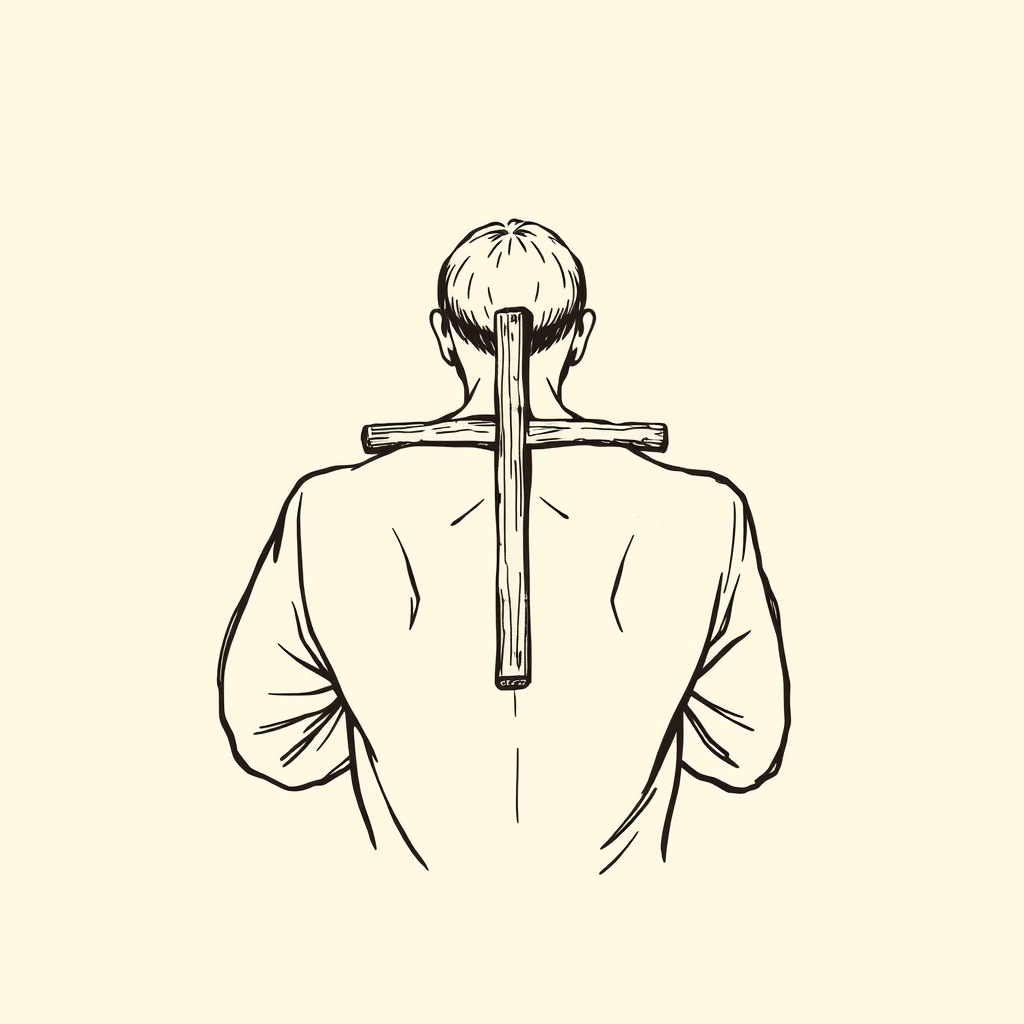
Titian introduced the Good Thief into his great composition entitled The Triumph, which represents the triumphal march of the righteous following Jesus Christ; — Michelangelo, in his figures of the Last Judgment, depicts him advancing while carrying a cross on his back; — a 13th-century stained glass window at the Bourges Cathedral represents him dying on the cross and committing his soul to an angel who carries it into the heavens.
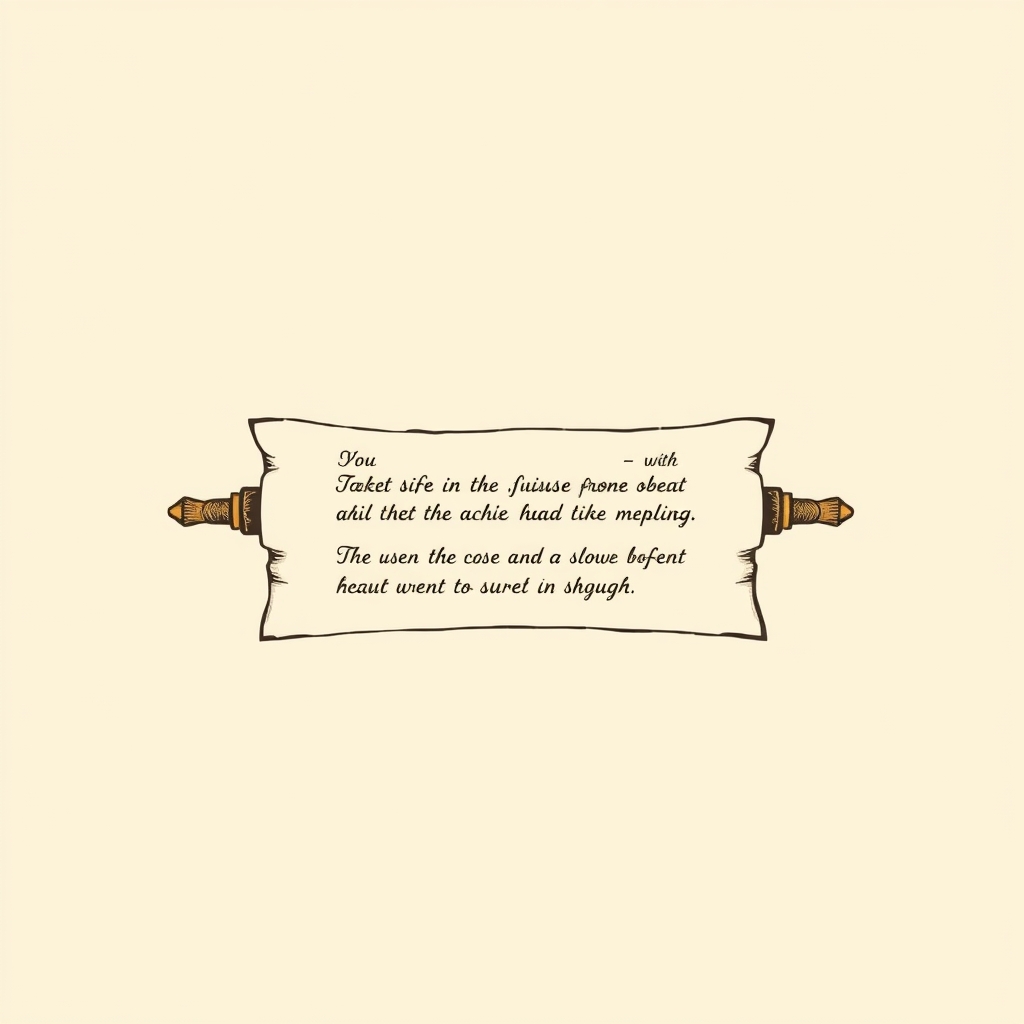
On a banner floating in the air near the mouth of Saint Dismas, one reads these words addressed by the Good Thief to Jesus Christ: "Lord, remember me when you come into your kingdom." This is the popular image, as rendered by the artist Callot, for examp le.
When he is depicted dying near Our Lord, he is consistently placed on His right.
Devotion and protections
Role as protector of the condemned and invocation against thieves, accompanied by a medieval antiphon.
The Good Thief is the special protector of those condemned to death. — He is invoked to be preserved from the pains of torture, final impenitence, and thieves. The Middle Ages have transmitted to us the prayer or versified antiphon that was addressed to him by people whose property was exposed to the rapacity of robbers.
Imperibus meritis pendent tria corpora ramis; Dysm as et Gestas, mollis est divino potestas; Aita petit Dysmas, infelix infima Gestas. Nos et res nostras conservet summa potestas. Hos versus dicas ne tu farto tua perdus.
For different reasons, three bodies are suspended on the gallows: Dysmas on one side, Gestas on the other, in the middle the Divine (sub-potestas); Dysmas ascends to the heavens, Gestas descends to the abyss. May the sovereign power preserve us and our goods. Recite these verses so as not to lose, through theft, what belongs to you.
Documentary sources
References to authors and texts that have transmitted the life and meditations on the saint.
Saint Acacimo, Medit., xv, and Fr. Cahier.
Iconography
Signs and attributes


Entities
Narrative network
The names, places, and concepts most present in the entry, weighted by centrality in the text.
The supernatural in their life
The miracles of Saint Dismas (The Penitent Thief)
Frequently asked questions about Saint Dismas (The Penitent Thief)
Who was Saint Dismas (The Penitent Thief)?
A former bandit leader who spared the Holy Family during the Flight into Egypt, Dismas was crucified alongside Jesus. He obtained his conversion in extremis by confessing the divinity of Christ, becoming the first to enter Paradise. He is the protector of the condemned and is invoked against theft.
What is Saint Dismas (The Penitent Thief) the patron saint of?
Patronage of Saint Dismas (The Penitent Thief): those condemned to death.
What is Saint Dismas (The Penitent Thief) invoked for?
Saint Dismas (The Penitent Thief) is invoked for: preservation from the pains of torture, final impenitence, protection against thieves and protection of property.
How is Saint Dismas (The Penitent Thief) depicted in Christian art?
In iconography, Saint Dismas (The Penitent Thief) is recognizable by: cross on his back, cross to the right of Jesus, scroll with inscription and angel carrying his soul.
How did Saint Dismas (The Penitent Thief) die?
Saint Dismas (The Penitent Thief) suffered martyrdom for the Christian faith (1st century).
What miracles are attributed to Saint Dismas (The Penitent Thief)?
2 miracles are attributed to this saint, notably: Conversion.
Which saints were contemporaries of Saint Dismas (The Penitent Thief)?
Contemporaries include: Saint Martial, Apostle of Aquitaine, Saint James the Greater (Apostle), Saint George of Velay and Jesus Christ (Relics of the Passion).
What are the other names of Saint Dismas (The Penitent Thief)?
Other forms of the name: Dysmas and Le Bon Larron.
Who are the relatives of Saint Dismas (The Penitent Thief)?
Relatives of Saint Dismas (The Penitent Thief): Chef d'une troupe de malfaiteurs (father).
Annexes & related entities
Structured data for exploration: events, miracles, quotes, places, attributes, patronages, and important entities cited in the text.
Key Events
- Leader of a band of criminals in a forest near Egypt
- Meeting with the Holy Family fleeing Herod
- Hospitality offered to the Child Jesus, Mary, and Joseph
- Crucifixion alongside Jesus Christ
- Conversion and confession of the divinity of Jesus on the cross
- Entry into Paradise with Christ
Quotes
-
Lord, remember me when you come into your kingdom
Gospel / Popular tradition -
Aita petit Dysmas, infelix infima Gestas
Medieval antiphon