Saint Matthew of Beauvais
A noble knight from Agnetz, Mathieu left for the Crusade at the end of the 11th century. Captured by the Saracens, he refused to renounce his faith and asked to be executed on a Friday to die on the same day as Christ. He was beheaded after having shown exemplary piety throughout his military life.
Contemporaries

Figures and markers around the normalized period for this entry.
Guided reading
4 reading sections
SAINT MATHIEU, MARTYR OF BEAUVAIS (late 11th century).
Origins and youth
Mathieu, a nobleman from Agnetz, is described by his childhood friend Guibert as a knight of irreproachable character, combining martial skill with virtue.
Among those who, in the war against the Saracens, says the venerable Guibert, abbot, preferred to expose their heads to swords rather than betray their faith, I have chosen one whose life I shall report in preference. He followed the profession of arms, was name d Mathi eu, and was noble; but, of all the men of his kin and rank, he is the one I have known to be of the most irreproachable character. I have known him since his childhood: I saw him grow in these holy dispositions. He was from the same parish as I, Agnetz, near Clermon t in B eauvaisis; he, like his parents, held a benefice dependent on my family; we grew up together, which is to say enough that his life and character are entirely known to me. Having been knighted, he distinguished himself among all by his skill in the craft of arms, while always remaining a stranger to the habits of disorder and petulance ordinary to that condition.
Engagement in the Crusade
He joined the crusade to the East with Bishop Roger, distinguishing himself in Constantinople by a piety and charity worthy of a bishop.
However, as a great number of nobles were taking up the cross, he himself departed for the East w ith Bishop Rog er, with Payen, and other men of Beauvais. He was highly esteemed at t he court of Alexios, Emperor of Co nstantinople. His alms were so abundant and his prayers so frequent that his life appeared to be that of a bishop rather than a soldier. When I reflect in my memory upon his assiduity in prayer, the piety of his discourse, and his charity, I greatly admire his perseverance in the practice of good, but I lament no less my own insufficiency. Such was his life that it deserved to be crowned only by martyrdom. I glory, and all those who were able to obtain his friendship may glory, because whoever saw him will recognize that he knew a martyr.
Martyrdom and Fidelity
Taken prisoner by the Saracens, he refused to abjure his faith and chose to be beheaded on a Friday in order to die on the same day as Christ.
Having been taken prisoner by the Saracens, he was summoned to renounce his faith: he then asked them for a delay until the following Friday. It was readily granted to him, in the thought that prolonged reflection would shake his resolve. When the day arrived, the infidels pressed him again; but he said to them: If you thought that by turning away for a little while the sword suspended over my head, I only wished to prolong my life by a few days, and not to secure for myself the happiness and honor of dying on the same day as my Lord Jesus Christ; if you were so mistaken about the sentiments of a Christian, it is time that you learned what they are. Do it, then! And kill me according to your desire; provided that I give my life to Him who gave His for the salvation of the human race, the rest matters little to me. Saying this, he offered his throat to the executioner, and, beheaded, he was sent to the Lord, whose death he had wished to imitate. In this same crusade, another noble child of Beauvais, named Albé ric, wa s likewise crowned with martyrdom.
Liturgical context
Mention of this account's belonging to the Proper of the diocese of Beauvais.
Proper of Beauvais .
Iconography
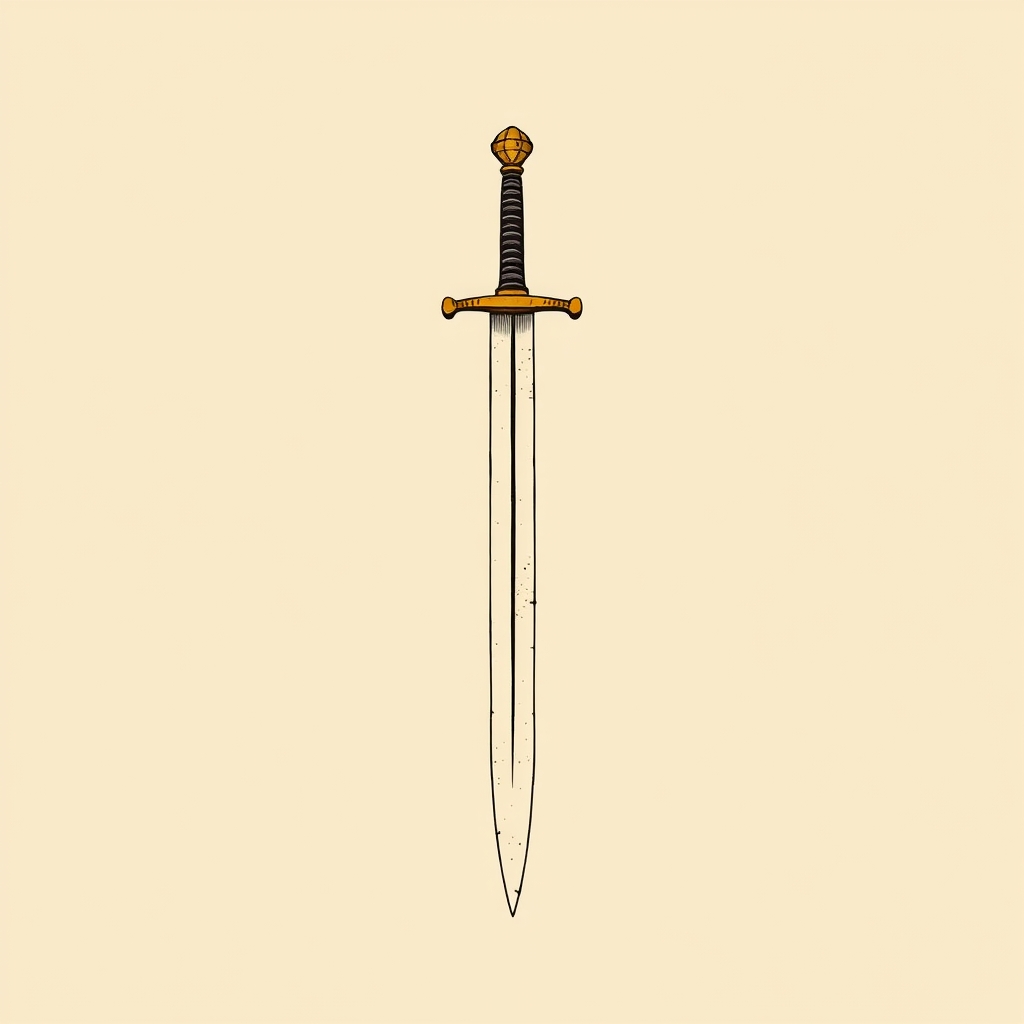
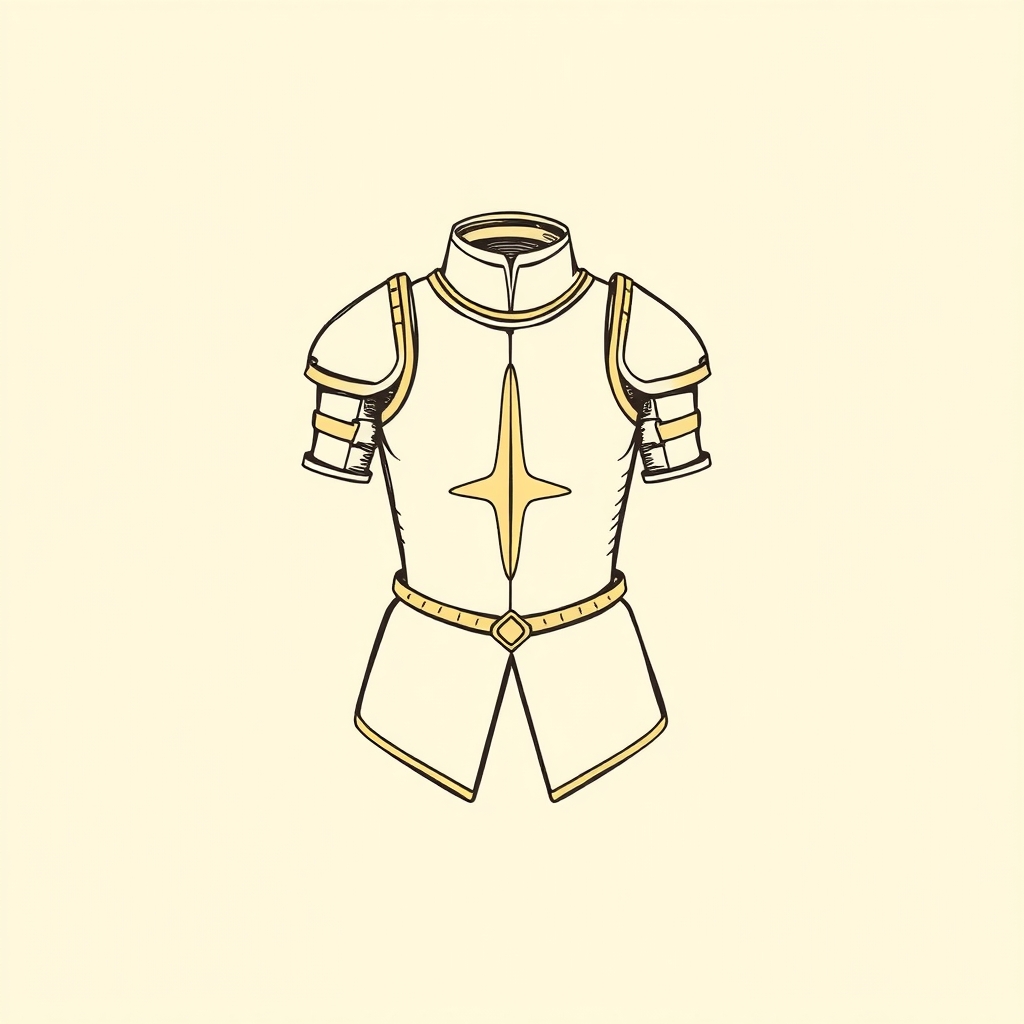
Signs and attributes

Entities
Narrative network
The names, places, and concepts most present in the entry, weighted by centrality in the text.
Frequently asked questions about Saint Matthew of Beauvais
Who was Saint Matthew of Beauvais?
A noble knight from Agnetz, Mathieu left for the Crusade at the end of the 11th century. Captured by the Saracens, he refused to renounce his faith and asked to be executed on a Friday to die on the same day as Christ. He was beheaded after having shown exemplary piety throughout his military life.
What is Saint Matthew of Beauvais the patron saint of?
Patronage of Saint Matthew of Beauvais: Beauvais.
How is Saint Matthew of Beauvais depicted in Christian art?
In iconography, Saint Matthew of Beauvais is recognizable by: sword, knight's attire and palm of martyrdom.
How did Saint Matthew of Beauvais die?
Saint Matthew of Beauvais suffered martyrdom for the Christian faith (11th century).
Which saints were contemporaries of Saint Matthew of Beauvais?
Contemporaries include: Saint Bernard of Menthon (Apostle of the Alps), Saint Stephen of Hungary, Saint Norbert of Magdeburg and Saint Bernard of Clairvaux.
Annexes & related entities
Structured data for exploration: events, miracles, quotes, places, attributes, patronages, and important entities cited in the text.
Key Events
- Christian education in Agnetz
- Dubbing as a knight
- Departure for the First Crusade to the East with Bishop Roger
- Stay at the court of Emperor Alexios in Constantinople
- Captured by the Saracens
- Execution by beheading on a Friday
Quotes
-
If you thought that by turning aside for a little while the sword suspended over my head, I only wanted to prolong my life by a few days, and not to secure for myself the happiness and honor of dying on the same day as my Lord Jesus Christ; if you were so mistaken about the sentiments of a Christian, it is time you learned what they are.
Guibert, Abbot