Saint Africus of Comminges
Bishop of Comminges in the 6th century originally from Burgundy, Saint Affrique dedicated himself to the struggle against Arianism in Rouergue. Despite slander and imprisonment, he converted crowds through his eloquence and miracles. He left his name to the town where he was buried, and his relics were venerated until their dispersal by the Calvinists.
Contemporaries

Figures and markers around the normalized period for this entry.
Guided reading
6 reading sections
SAINT AFFRIQUE, BISHOP OF COMMINGES (6th century).
Origins and historical context
Originally from Burgundy, Saint Affrique became Bishop of Comminges in the 6th century, a period marked by the expansion of Arianism under the influence of the Goths.
It is believed that Saint Affrique was origina lly from Burgundy and that he was born into a noble and illustrious house of that region.
The virtues that first adorned his life placed him in an eminent rank and designated him as worthy to govern, in the capacity of bishop, the churc h of Comm inges. It is in the 6th century that the episcopate of Saint Affrique is situat ed. At th at time, Arianism was still deploying in the south of Gaul a most ardent zeal to sow the perfidious poison of its heretical doctrines. The succe sses that the Goths had obtained by their arms encouraged them to impose upon the conquered peoples the errors of Arianism with which they were infected, at the same time as their domination, and the pure Christian faith suffered numerous and mortal at tacks. The count ry of Ronezgue was one of the provinces of the south of France where the Goths had best established their baleful empire, and where Arianism, asserting itself more strongly, had become the most flourishing.
Struggle against the Arian heresy
The saint leaves his see to evangelize the Rouergue, using debates and conferences to convert populations influenced by Arian doctrines.
Animated by a holy courage to avenge the glory of God, who was unworthily outraged, and the name of Jesus Christ, who was blasphemed, and by a zeal for the salvation of souls, Saint Affrique did not hesitate to devote himself to winning over those peoples whom heresy had torn from t he bosom of the Ch urch. He therefore left the city of Comminges, and, going to place himself in the very places where Arianism was most invasive and most stubborn, he called his adversaries to combat, sometimes through learned discussions on religious matters, sometimes by means of eloquent conferences; there he expounded the orthodox doctrine, highlighted the weakness, the error, and the perfidy of the Arian doctrines, and succeeded in bringing back to the true beliefs of Catholicism all those multitudes who had been deceived or held in error by the evil influence of their conquerors.
Trials and divine signs
Slandered and imprisoned by his adversaries, he continued his work after his release, supported by miracles such as the appearance of a halo of fire during Mass.
Such happy successes were not to leave the Arians indifferent. Thus, they blackened the reputation of the holy missionary Bishop with the most atrocious slanders: they imputed all sorts of crimes to him; they mistreated him; they overwhelmed him with reproaches, outrages, and insults. Like an immovable rock, the man of God was impassive and unshakable: he let these winds pass and the storm calm down, from the depths of the prison into which they had thrown him; and when the hour of deliverance had struck for him, even more intrepid than before, he continued his labors without discouragement. It was then that God, wishing to definitively ensure victory for the campaign that Saint Affrique had undertaken against Arianism, came to his aid in a striking manner through the power of miracles, which he possessed to an eminent degree.
One of the miracles that a pious tradition has transmitted to us took place at the moment when Saint Affrique was celebrating Holy Mass. At communion, a halo of fire shone, like a ravishing crown, around his head; those who were pure enough to receive communion alone had, says the historian of his life, the happiness of contemplating it; *quam qui sanctissima synaxis digni erant, conspicuibant, indignis autem non aspectabilem*.
Burial and fate of the relics
He is buried in a town in the Rouergue that takes his name. His relics, formerly kept in a collegiate church, were dispersed by the Calvinists.
After a life entirely apostolic, Saint Affrique, filled with merits, having died, his body was buried in one of the towns of the Roue rgue which bears his name today, and which was formed following the great gathering of the faithful that the powerful protection of the glorious servant of God attracted to his tomb. His relics were kept in veneration there in the collegiate church established in 1444; the blind fury of the Calvinists dispersed them, and today only a few small fragments remain.
Celebrations and Patronages
His cult extends across several cities in the South of France, notably Rodez and Vabres, of which he is one of the patrons.
The cult of Saint Affrique is celebrated in several cities of the South: in Nîme s, Ro dez, Castres, Comminges, Albi, and Toulouse. The latter two cities possess some of his relics. The feast of Saint Affrique is celebrated in the diocese of Rodez on April 28.
The Magnificat antiphon for Vespers is proper:
*Affricane, speculum et nitor Ecclesiæ, Christi Tabernaculum et superum gratiæ; Pastor, rege populum in virge justitiæ, probeus adminientem in vallo miseriæ. Alleluia!*
Affrique, mirror and glory of the Church. Tabernacle of Christ and of heavenly grace; O Shepherd, guide your people with the rule of justice; support this people in the valley of tears. Alleluia.
Vabres chose hi m as o ne of its patrons, along with Saint Peter.
Popular miracles and iconography
Ancient objects bear witness to famous miracles, such as the rescue of a navigator on the Sorgue and the punishment of a fake paralytic.
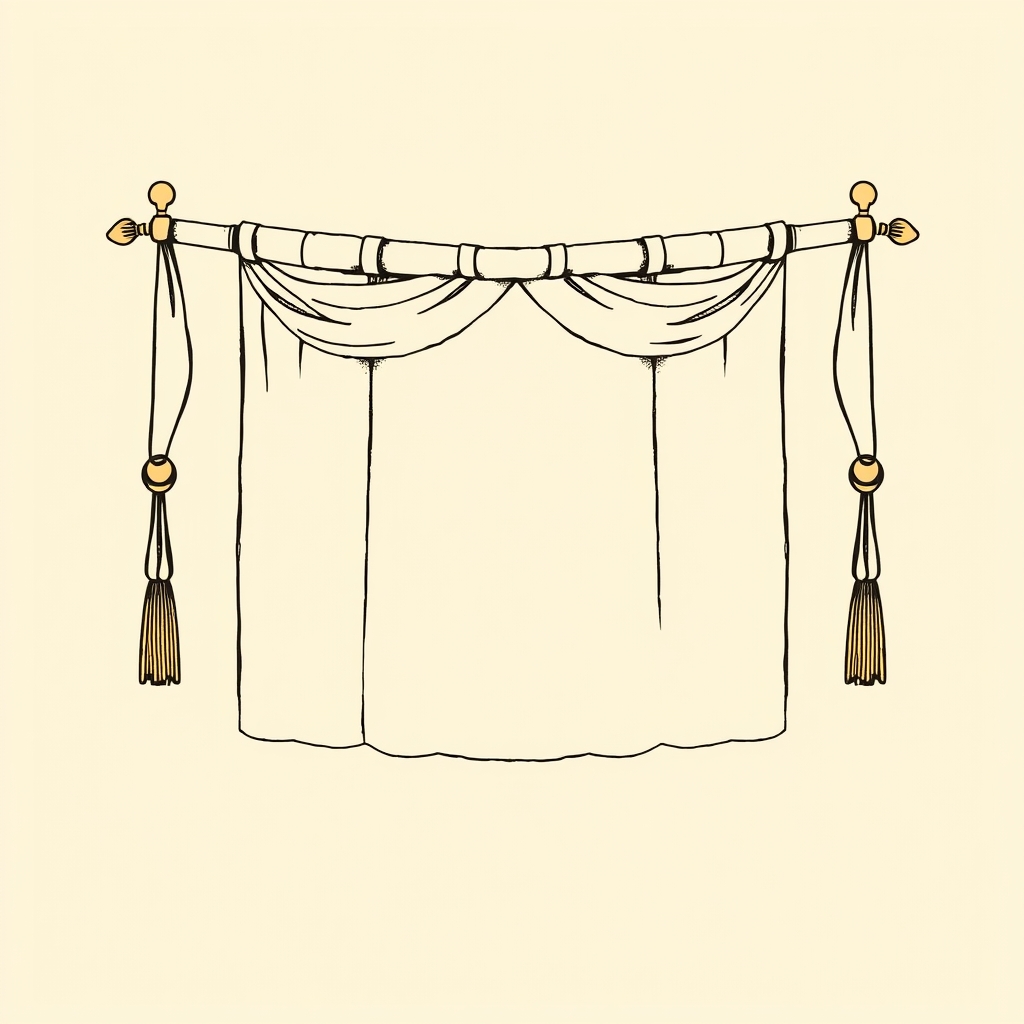
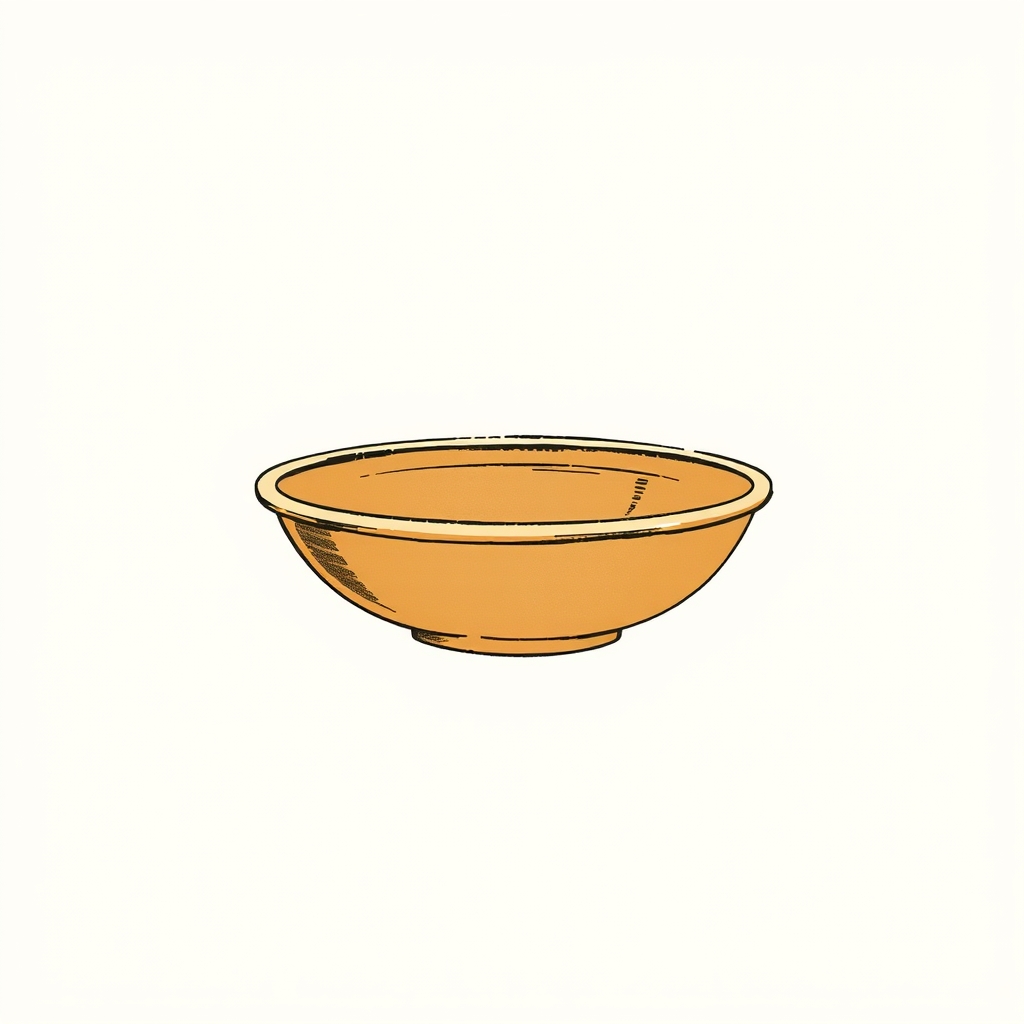
Old tapestries and an antique enamelled copper basin, which were still in possession in the 18th century, recalled some of the miracles that had made Saint Affrique popular. Here, it is an imprudent navigator who wants to cross the Sorgue while i t is o verflowing and who, cast into the waves, is transported by an invisible force to the other bank after having invoked the man of God; there, it is a wretch who, having feigned paralysis to extract alms from Saint Affrique, is truly struck with paralysis and is only healed after having confessed his fault to him. Further on, it is the miracle of the halo shining around his head during the celebration of the Holy Mass.
Excerpt from the Proper of Rodez, by Canon Bousquet; — Cf. Saints of Ro uergue, by Abbé Servièr es; the Saints of Franche-Comté, etc.
Iconography
Signs and attributes

Entities
Narrative network
The names, places, and concepts most present in the entry, weighted by centrality in the text.
The supernatural in their life
The miracles of Saint Africus of Comminges
Frequently asked questions about Saint Africus of Comminges
Who was Saint Africus of Comminges?
Bishop of Comminges in the 6th century originally from Burgundy, Saint Affrique dedicated himself to the struggle against Arianism in Rouergue. Despite slander and imprisonment, he converted crowds through his eloquence and miracles. He left his name to the town where he was buried, and his relics were venerated until their dispersal by the Calvinists.
What is Saint Africus of Comminges the patron saint of?
Patronage of Saint Africus of Comminges: Vabres and Saint-Affrique.
What is Saint Africus of Comminges invoked for?
Saint Africus of Comminges is invoked for: protection against floods and healing of paralysis.
How is Saint Africus of Comminges depicted in Christian art?
In iconography, Saint Africus of Comminges is recognizable by: halo of fire, tapestries and enameled copper basin.
What miracles are attributed to Saint Africus of Comminges?
3 miracles are attributed to this saint, notably: Eucharistic, Sign / wonder, Protection / deliverance and Healing.
Which saints were contemporaries of Saint Africus of Comminges?
Contemporaries include: Saint Remigius (Apostle of the Franks), Saint Antide of Besançon, Saint Eugene of Carthage and Saint Nicaise of Reims.
When did Saint Africus of Comminges die?
Saint Africus of Comminges died around 600.
What are the other names of Saint Africus of Comminges?
Other forms of the name: Affricane.
Annexes & related entities
Structured data for exploration: events, miracles, quotes, places, attributes, patronages, and important entities cited in the text.
Key Events
- Election to the bishopric of Comminges
- Struggle against the Arian heresy in the south of Gaul
- Evangelization mission in Rouergue
- Imprisonment by the Arians
- Deliverance and continuation of his apostolic work
Quotes
-
Affricane, speculum et nitor Ecclesiæ, Christi Tabernaculum et superum gratiæ
Antiphon of the Magnificat for Vespers