Coming from an illustrious family of Aquitaine, Theodulph retired to the monastery of Mont-d'Hor under the direction of Saint Thierry. After twenty-two years of manual labor, he became the third abbot of the place, distinguishing himself by his gentleness and firmness. He died around 590 after having built the church of Saint-Hilaire.
Contemporaries

Figures and markers around the normalized period for this entry.
Guided reading
4 reading sections
SAINT THEODULPH OR THIOU,
Youth and monastic vocation
Coming from an illustrious family of Aquitaine, Theodulph joined the monastery of Mont-d'Hor under the direction of Saint Thierry, where he worked humbly for twenty-two years.
Saint Theodulph, commonly called Saint Thiou, was from an illustrious family of the Se cond Aquitaine. H e left the world in the flower of his youth and retired to M ont-d'Hor, in order to live there among the discip les of the holy ab bot Thierry. He was occupied there for twenty-two years with the most arduous labors of the countryside. After the death of Saint Thier ry's successor, the Archbishop of Reims established him as abbot, at the prayer of the monks, and also raised him to the priesthood.
Abbotship and achievements
Established as abbot by the Archbishop of Reims, he led his monks with firmness and gentleness, and had the church of Saint-Hilaire built within his abbey.
The Saint walked in the footsteps of his blessed father. He practiced great austerities, led his religious with a firmness mingled with gentleness, patiently endured the trials he had to face, and built the church of Saint-Hilaire within the enclosure of his abbey, in order to double his office and his labors. He died at a very advanced age, around the year 590, and was buried in his monastery. His relics were preciously kept in the abbey of Saint-Thierry. During the suppression of this abbey, in 1776, they were transferred to the abbey of Saint-Remi in Reims, with t he exception of the head, richly encased, which the inhabitants of Saint-Thierry obtained, a parish on whose territory the abbey of Mont-d'Hor was located. This head is still preserved in the church of this parish. As for the rest of the body, taken to Saint-Remi, it was profaned and lost during the Revolution.
Death and fate of the relics
Died around 590, his relics underwent several transfers between Saint-Thierry and Saint-Remi of Reims, suffering the profanations of the Revolution.
Sources and references
The life of the saint is documented by major authors and collections such as Flodoard, Mabillon, and the Bollandists.
See Flodoard, Hist. eccl. rom., bk. 267, ch. 28; Mabillon, Act. sanct. Ben., bk. 267, p. 346; the Bollandists, under May 1st, bk. 267, p. 34, and the Gallia christ. nova, vol. XX, p. 168; Godescard, Lille ed.
Iconography
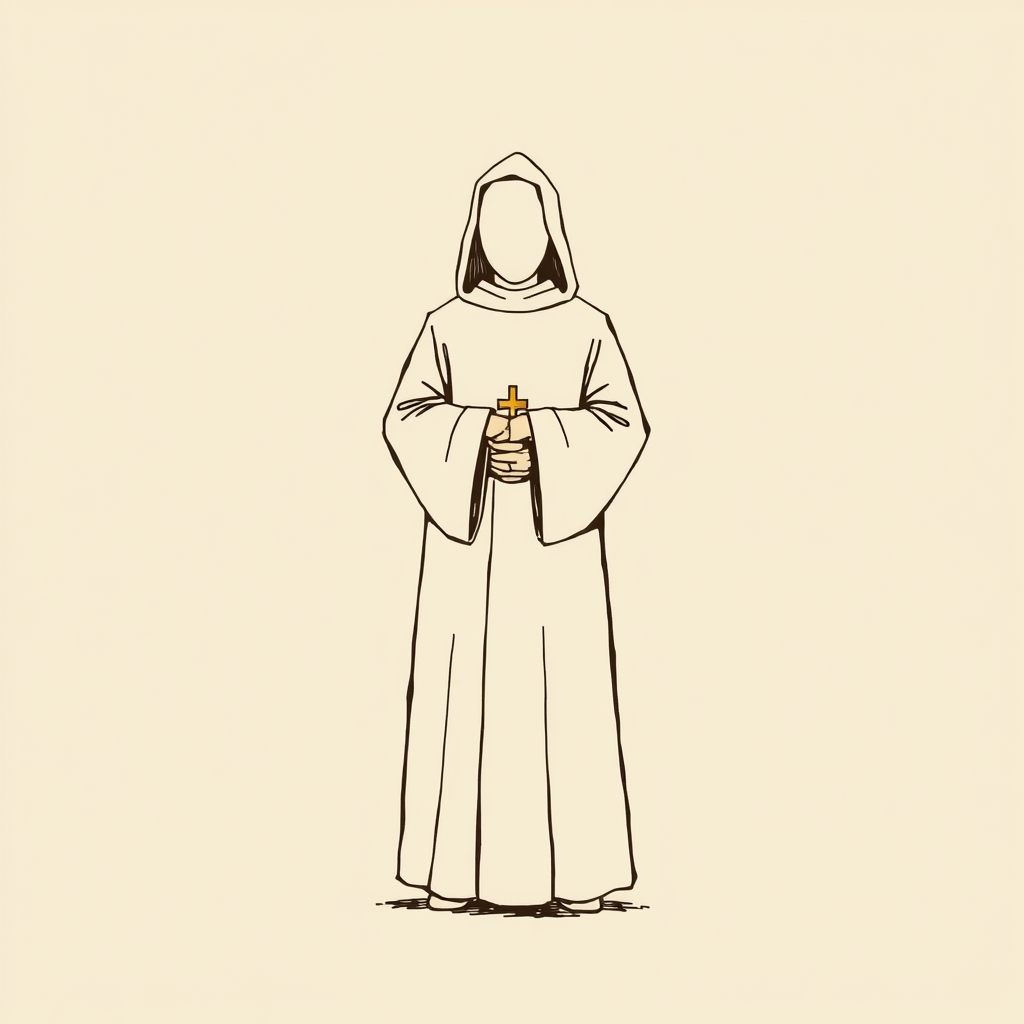
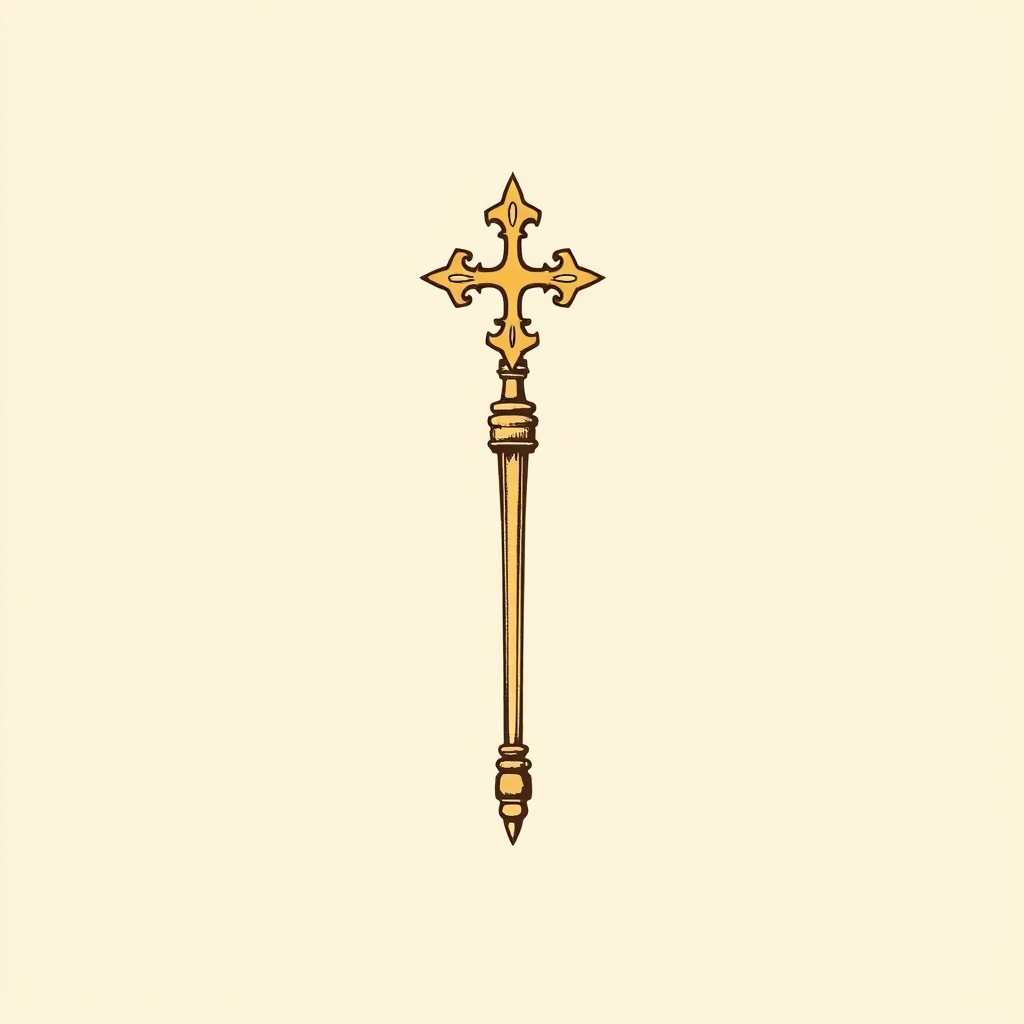
Signs and attributes
Entities
Narrative network
The names, places, and concepts most present in the entry, weighted by centrality in the text.
Frequently asked questions about Saint Theodulf (Thiou)
Who was Saint Theodulf (Thiou)?
Coming from an illustrious family of Aquitaine, Theodulph retired to the monastery of Mont-d'Hor under the direction of Saint Thierry. After twenty-two years of manual labor, he became the third abbot of the place, distinguishing himself by his gentleness and firmness. He died around 590 after having built the church of Saint-Hilaire.
What is Saint Theodulf (Thiou) the patron saint of?
Patronage of Saint Theodulf (Thiou): Saint-Thierry.
How is Saint Theodulf (Thiou) depicted in Christian art?
In iconography, Saint Theodulf (Thiou) is recognizable by: monk's habit and abbot's crosier.
Which saints were contemporaries of Saint Theodulf (Thiou)?
Contemporaries include: Saint Remigius (Apostle of the Franks), Saint Antide of Besançon, Saint Eugene of Carthage and Saint Nicaise of Reims.
When did Saint Theodulf (Thiou) die?
Saint Theodulf (Thiou) died around 600.
What are the other names of Saint Theodulf (Thiou)?
Other forms of the name: Thiou and Theodulphus.
Annexes & related entities
Structured data for exploration: events, miracles, quotes, places, attributes, patronages, and important entities cited in the text.
Key Events
- Retirement to Mont-d'Hor in the prime of his life
- Twenty-two years of field work
- Ordination to the priesthood and appointment as abbot
- Construction of the church of Saint-Hilaire
- Died at a very advanced age