Saint Similien of Nantes
Bishop of Nantes in the 4th century, Similien retired to an oratory during the persecution of Diocletian. He is famous for a miraculous vision in the 15th century where, alongside the martyrs Donatien and Rogatien, he is said to have put to flight the Barbarians besieging the city. His relics, thrown into a well by the Normans, were honored in the Nantes church that bears his name.
Contemporaries

Figures and markers around the normalized period for this entry.
Guided reading
3 reading sections
SAINT SIMILIEN, BISHOP OF NANTES (4th century).
Episcopate and miraculous protection
Saint Similien, Bishop of Nantes, withdrew during the persecutions of Diocletian before being buried in an oratory that became a basilica. A miracle involving celestial processions is said to have put to flight barbarians besieging the city.
Saint Similien , Bishop of Nantes, after having governed his church with all the vigilance and fidelity of an excellent pastor, was buried by the Christians in the place where a church bearing his name was later built, and which is, it is said, situated in the place where it is believed he withdrew during the time of the persecution of Diocletian, and where he built an oratory. It already existed in the time of Clovis I. The Barbarians besieged Nantes towards the end of the 5th century; the siege had already lasted two months, when, according to Gregory of Tours, the people saw around midnight men, dressed in white, coming out of the basilica of the martyrs Donatien and Rogatien with lit candles, and a similar troop coming out of the basilica of the gre at conf essor, the bishop Similès. These two troops appeared to join, greet each other, pray together, and then each withdraw to the place from which it had first departed. It could well be that there was no true vision, and that these were effectively two processions that united their prayers to attract the help of heaven. Be that as it may, the Barbarians were seized with terror, and fled with such precipitation that the next morning not a single one remained at the siege. The same vision produced another effect on the one who commanded this army; he was call ed Chi lon, and was not yet regenerated by water and the Holy Spirit. Touched inwardly, he converted and received Baptism.
Norman ruins and reconstruction
The church dedicated to the saint, ruined by the Normans who desecrated his relics, was restored by Bishop Waltier and the canons of Nantes.
The church of Saint-Similien was subsequently ruined by the N ormans, who, several times, took and sacked the city of Nantes. There was in this church a well, into which they threw the head of the holy bishop; it was later given as property by Bishop W altier to the Canons of Nantes, on the condition that they would repair it. It is apparently to their care that we owe the one that exists today, and which was considerably enlarged and embellished in 1834.
Sources and references
Mentions of the saint are based on the works of Lubineau, the Breviary of Nantes, and the writings of Gregory of Tours.
Name Lubineau, Saints of Brittany; — Cf. Breviary of Nantes; St. Greg. of Tours, On the Glory of the Mart yrs, ch. 40.
Iconography
Signs and attributes
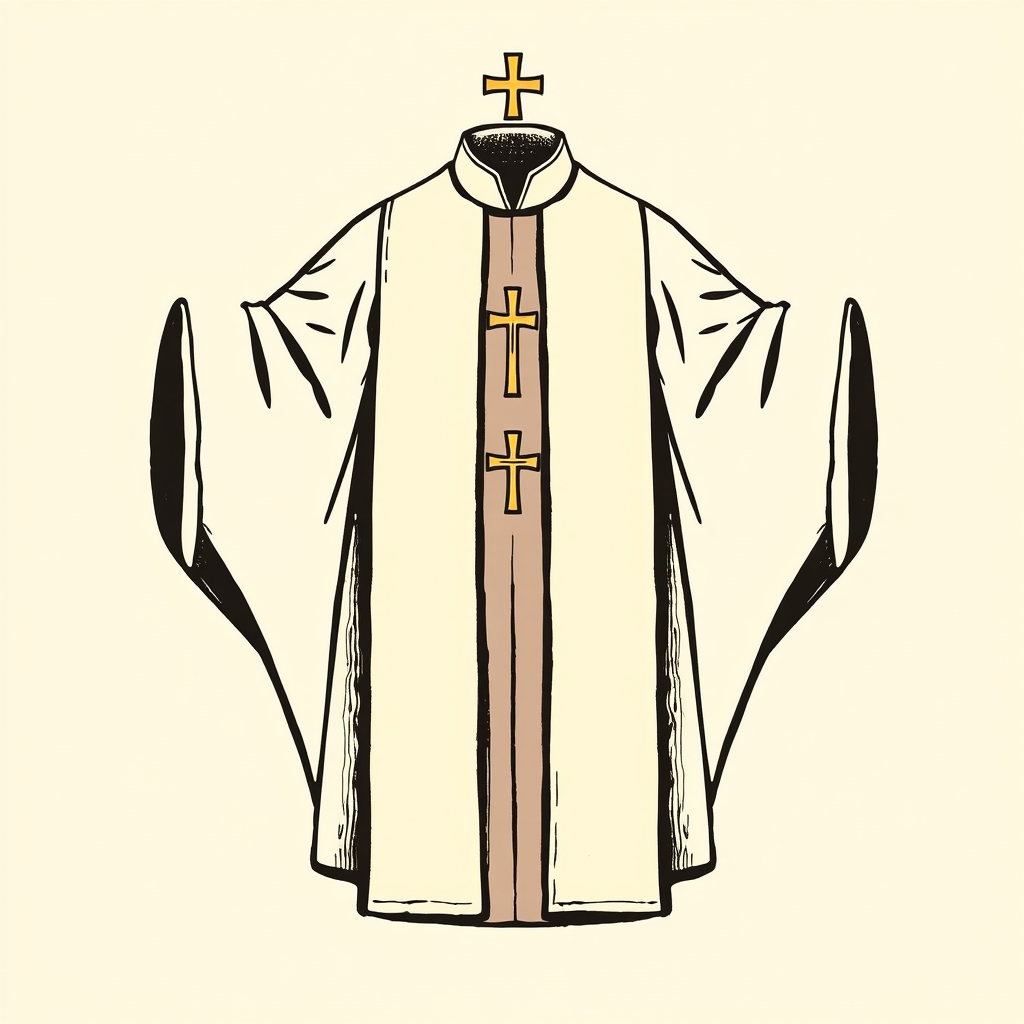

Entities
Narrative network
The names, places, and concepts most present in the entry, weighted by centrality in the text.
The supernatural in their life
The miracles of Saint Similien of Nantes
Frequently asked questions about Saint Similien of Nantes
Who was Saint Similien of Nantes?
Bishop of Nantes in the 4th century, Similien retired to an oratory during the persecution of Diocletian. He is famous for a miraculous vision in the 15th century where, alongside the martyrs Donatien and Rogatien, he is said to have put to flight the Barbarians besieging the city. His relics, thrown into a well by the Normans, were honored in the Nantes church that bears his name.
What is Saint Similien of Nantes the patron saint of?
Patronage of Saint Similien of Nantes: Nantes.
How is Saint Similien of Nantes depicted in Christian art?
In iconography, Saint Similien of Nantes is recognizable by: episcopal vestments and lighted candles (vision).
How did Saint Similien of Nantes die?
Saint Similien of Nantes suffered martyrdom for the Christian faith (4th century).
What miracles are attributed to Saint Similien of Nantes?
2 miracles are attributed to this saint, notably: Vision / apparition, Protection / deliverance and Conversion.
Which saints were contemporaries of Saint Similien of Nantes?
Contemporaries include: Saint Blaise, Saint Hilary of Poitiers, Saint Basil the Great (Archbishop of Caesarea) and Saint Baudilus.
What are the other names of Saint Similien of Nantes?
Other forms of the name: Similès.
Annexes & related entities
Structured data for exploration: events, miracles, quotes, places, attributes, patronages, and important entities cited in the text.
Key Events
- Governance of the Church of Nantes
- Retreat in an oratory during the Diocletian persecution
- Miraculous apparition of a troop in white during the siege of Nantes by the Barbarians (15th century)
- Conversion of the barbarian chieftain Chilon
- Desecration of his relics by the Normans