Saint Gaudens
A thirteen-year-old shepherd in the Nébouzan during the 5th century, Gaudens was beheaded by the Arians under the reign of Evaric for refusing to renounce his Catholic faith. According to tradition, he picked up his head and walked to the church of Mas-Saint-Pierre. His cult gave its name to the city of Saint-Gaudens.
Contemporaries

Figures and markers around the normalized period for this entry.
Guided reading
4 reading sections
SAINT GAUDENS, MARTYR, IN THE DIOCESE OF TOULOUSE (475).
Origins and historical context
In the 5th century, the young shepherd Gaudens was raised by his mother Quiterie in the Catholic faith, amidst the domination of the Arian Visigoths in Toulouse.
The town of Saint-Gaudens , in the Haute-Garonne, took its name from a young martyr who shed his blood for Jesus Christ in this place and who became the patron of the region.
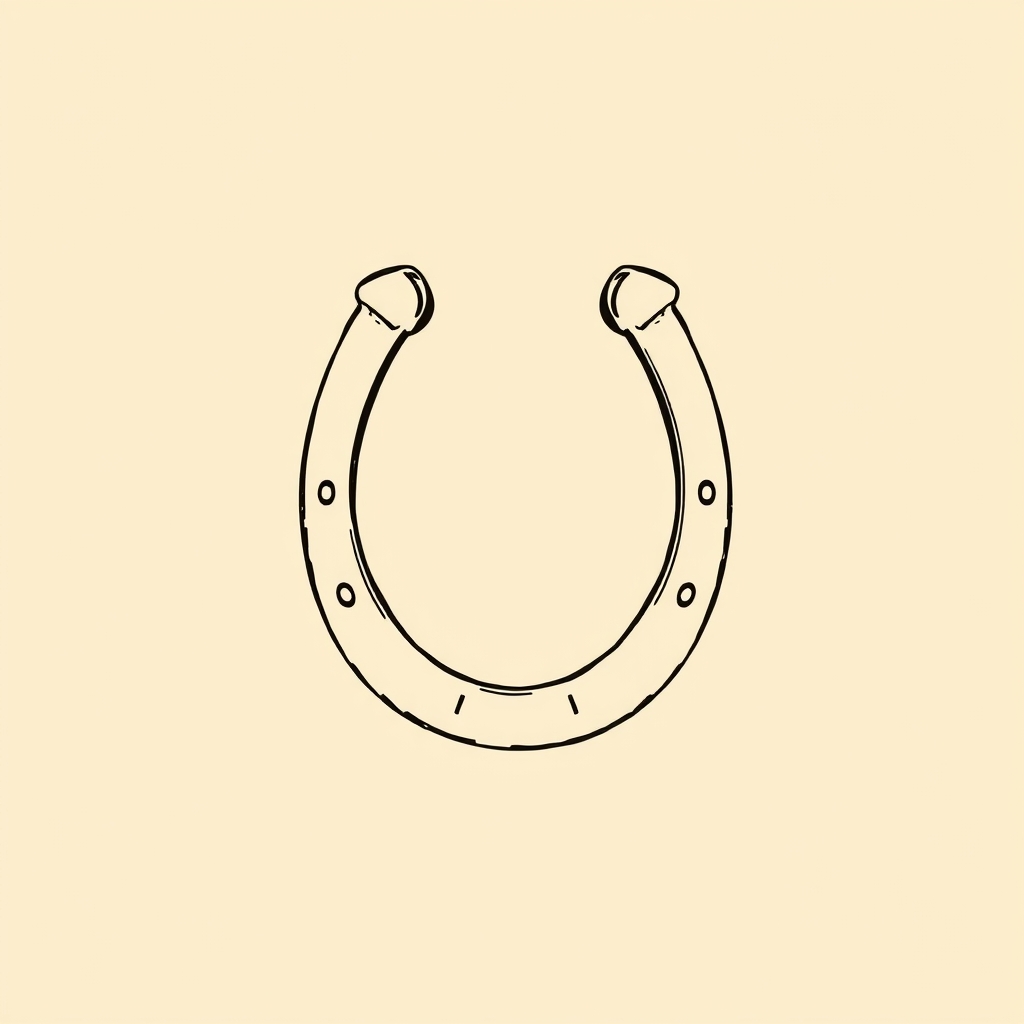
S aint Gaudens, tradition says, was a shepherd or herdsman, a native of a hamlet called Les Nérous, in the Nébouzan. His mother, Quiterie, was a holy widow who took great care to instruct him in the Catholic religion and to protect him against the heresy of the Arians, who were very formidable at that time: it was in the 5th century, when the Visigoths had already established their domination in Toulouse. Evaric, their king, unleashed his fury everywhere against the Catholics and sent his lieutenant, Malet, into the land of the Onobusates, in order to convert the populations to his sect. Many Catholics were victims of the persecution, but tradition has only preserved the name of Gaudens and a few details of his martyrdom. This child, only thirteen years old, was tending his flock at the foot of the Pujament, when Malet's soldiers came to arrest him and lead him before the tribunal of their master. Neither promises nor threats could shake the young shepherd, and he boldly confessed the divinity of Jesus Christ, declaring that he would rather die than renounce this belief. Malet flew into a great rage and ordered that his head be cut off; this sentence was immediately executed: soldiers led Gaudens to the place of execution, and he received the mortal blow there with a smile. But God manifested by a striking miracle how precious this death was in His eyes. As soon as his head had rolled to the ground, the child took it in his hands and headed rapidly toward Mas-Sain t-Pierre. When he had covered half the distance that separated him from the city, he stopped at the side of the road and, placing his head on a stone, he rested for a few moments. However, as he noticed that soldiers on horseback were pursuing him, he soon resumed his run and did not stop again until he reached the city, where the doors of the church opened to let him in and closed immediately behind him. The soldiers sent in pursuit of him tried in vain to enter the basilica; one of them pressed his mount hard, which, rearing its feet against the door of the church, left its horseshoes there. They remained there for several centuries as a testimony to what had just happened.
The martyrdom and the cephalophory
Refusing to abjure his faith before the lieutenant Malet, Gaudens is beheaded at thirteen years old and performs the miracle of carrying his head to the church of the city.
When the Arians had moved away, the faithful entered the church and gathered there with great respect the body of the martyr, in order to shield it from the rage of the persecutors.
Establishment of the cult and posterity
The martyr's tomb became a place of miracles, leading to the renaming of the town and the construction of a Romanesque church on the former site of Saint Saturnin.
From that moment on, miracles multiplied at his tomb, and the cult of Saint Gaudens became popular. The primitive church, built in honor of Saint Peter by Saint Saturn in, the apostl e of Toulouse in the first century, gave way to an oratory in honor of the new patron of the region; the town itself was renewed and took the name it keeps today. Later, a beautiful Romanesque church with three naves replaced the oratory, and it still exists, but it has lost its beautiful cloister.
Destructions and restorations
After the desecration of the relics by the Protestants in 1569, the memory of the saint endured through the reconstruction of the chapel of La Caone in the 19th century.
In 1569, the Protestants consigned the relics of Sa int Gaudens to the flames , of which only a very small portion remains. The feast of the Saint, which was celebrated in the month of May, the time of his martyrdom, is now celebrated on August 30.
The chapel of La Caone, built on the very site of the martyrdom of Saint Gaudens, was demolished in 1794; in our day it has been rebuilt and solemnly blessed on April 9, 1855.
Notice due to the kindness of the Rev. Fr. Carlos, of Toulouse.
---
## XXXIst DAY OF AUGUST
Iconography
Signs and attributes
Entities
Narrative network
The names, places, and concepts most present in the entry, weighted by centrality in the text.
The supernatural in their life
The miracles of Saint Gaudens
Frequently asked questions about Saint Gaudens
Who was Saint Gaudens?
A thirteen-year-old shepherd in the Nébouzan during the 5th century, Gaudens was beheaded by the Arians under the reign of Evaric for refusing to renounce his Catholic faith. According to tradition, he picked up his head and walked to the church of Mas-Saint-Pierre. His cult gave its name to the city of Saint-Gaudens.
What is Saint Gaudens the patron saint of?
Patronage of Saint Gaudens: Saint-Gaudens and Nébouzan.
How is Saint Gaudens depicted in Christian art?
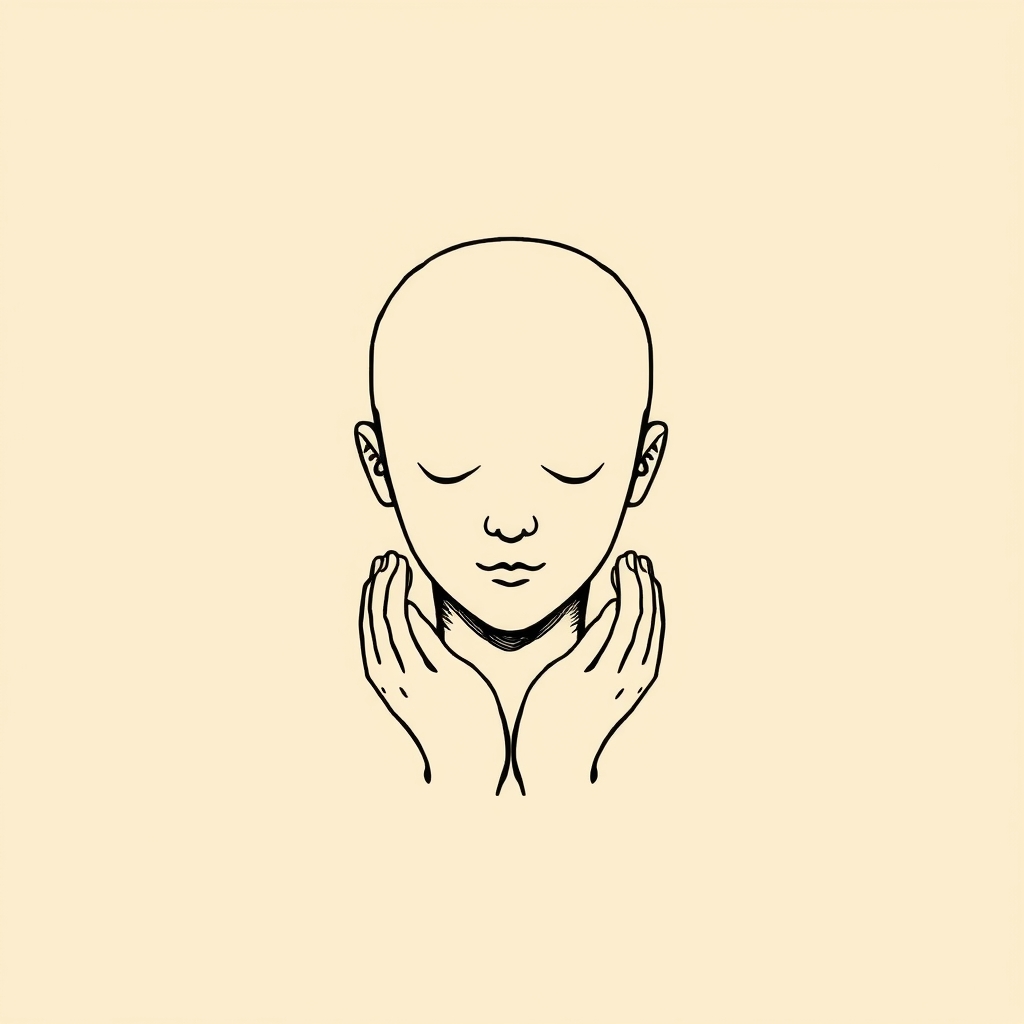
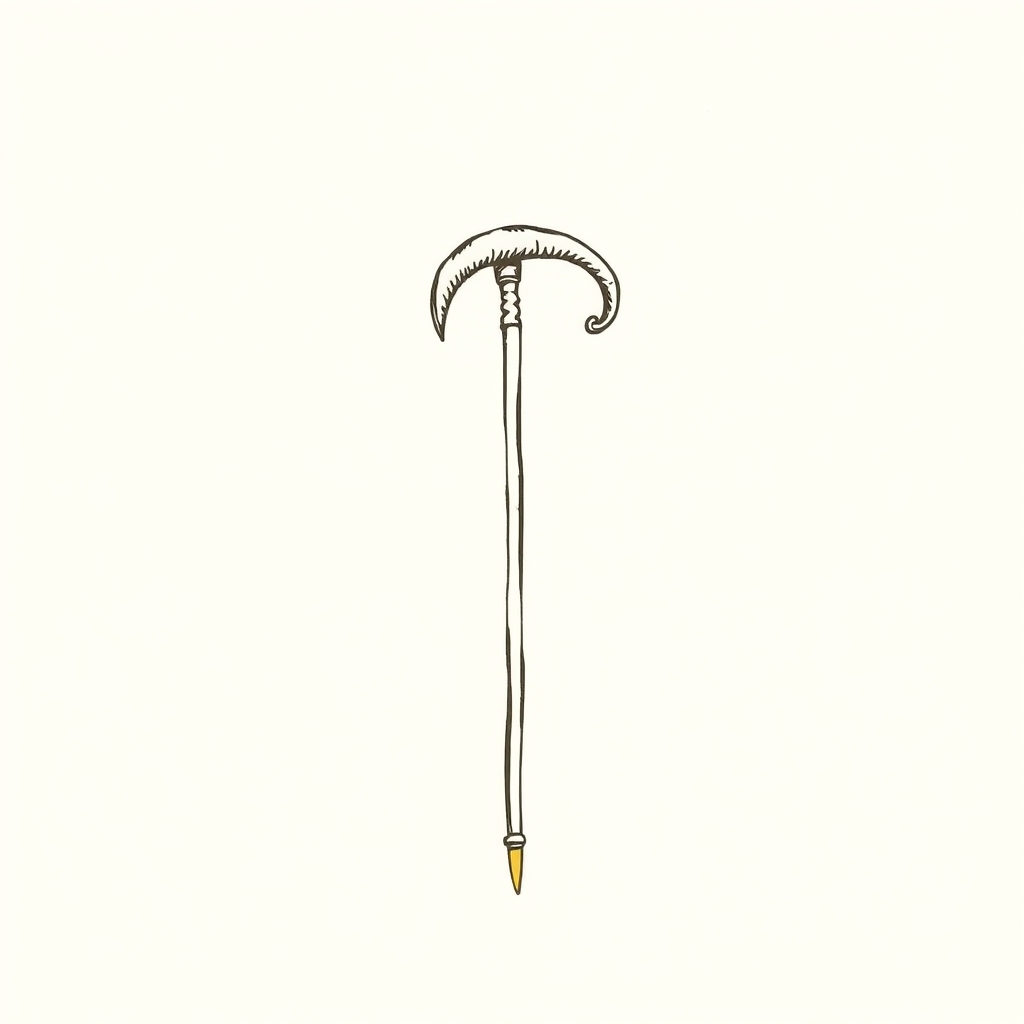
In iconography, Saint Gaudens is recognizable by: head in hands, shepherd's crook and horseshoes on a door.
How did Saint Gaudens die?
Saint Gaudens suffered martyrdom for the Christian faith (5th century).
What miracles are attributed to Saint Gaudens?
3 miracles are attributed to this saint, notably: Sign / wonder.
Which saints were contemporaries of Saint Gaudens?
Contemporaries include: Saint Augustine of Hippo, Saint Honoratus of Arles, Saint James of Tarentaise and Saint Jerome of Stridon.
Who are the relatives of Saint Gaudens?
Relatives of Saint Gaudens: Quiterie (mother).
Annexes & related entities
Structured data for exploration: events, miracles, quotes, places, attributes, patronages, and important entities cited in the text.
Key Events
- Religious instruction by his mother Quiteria against the Arian heresy
- Arrested by Malet's soldiers while tending his flock
- Confession of faith before the tribunal
- Decapitation at the foot of the Pujament
- Cephalophory: carrying his own head to the church of Mas-Saint-Pierre
Quotes
-
Into your hands, O Lord, I commend my spirit
Servite Martyrology (mentioned by analogy in the overall text)