Blessed Bertrand of Grandselve
A 12th-century Cistercian abbot, Bertrand led the Abbey of Grandselve with remarkable holiness for over twenty years. Known for his mystical visions of Christ and the Virgin, he was a model of purity and charity toward the sick. He died in 1149, surrounded by his brothers, after having made his monastery a true 'forest of saints'.
Contemporaries

Figures and markers around the normalized period for this entry.
Guided reading
5 reading sections
BLESSED BERTRAND, ABBOT OF GRANDSELVE,
The Golden Age of Grandselve
Presentation of the Cistercian abbey of Grandselve, described as a center of holiness and a powerful institution in the diocese of Toulouse.
## IN THE DIOCESE OF TOULOUSE (1149).
Blessed Bertrand, abbot of Gr andselve, governed this Cistercian monastery for more than twenty years. It was, in the 13th century, during the most glorious time of the abb ey. Mauri quez, the annalist of Cîteaux, tells us that Grandselve was at that time a forest of Saints, realizing in a marvelous way the meaning of its name. Moreover, public renown said that in this holy house no religious could lose his soul. The abbey was also very powerful in terms of temporal goods; its revenues were more considerable than those of the bishop of Toulouse, and it yielded to no other Cistercian house.
Early years and mystical life
Bertrand began his religious life at the monastery of Tuscon, where he dedicated himself to the meditation of the Gospel and was graced with visions of Christ and the Virgin.
Among the stars of Cîteaux, historians say, Bertrand shone as one of the most magnificent luminaries. He spent the first years of his religious life in the monastery of T uscon (in the prese nt-day departm ent of Charente). His sole study was to meditate upon the pages of the holy Gospel and to increase the treasure of his virtues each day. Upon pronouncing the holy name of Jesus, he could not restrain his tears, and thus he obtained the most extraordinary graces: he saw the Virgin Mary severa l times, and Jesus Christ himself appeared to him, walking through the church during the singing of Vespers, when the psalm *In exitu* was being recited.
The Abbacy and Virtues
Having become Abbot of Grandselve, Bertrand distinguished himself by his humility, his charity toward the sick, and his influence throughout the entire province.
Having become Abbot of Grandselve, he soon regretted the silence and solitude of his first monastery, to the point that he withdrew from the abbey for two years, not wishing to retain his new dignity; but God made him understand that He would assist him in the direction of his house and that He would support him in the midst of his labors and sorrows. The holy abbot gave the example of all virtues; a model of purity, meekness, and mortification, he was charitable to all, humble in his heart, strong in adversity, and incomparable in his ingenuousness; he always showed himself to be a friend of God. He had a particular and affectionate care for the sick and the infirm, to whom he rendered all kinds of services. He did not show himself useful only to his house, but the neighborhood of the abbey and the entire province felt the benefits of his virtues and his holiness.
Last visions and passing
The saint dies in 1149 after further mystical visions; he appears after his death to one of his brothers in heavenly glory.
God often rewarded him with marvelous visions. The Savior appeared to him in glory during the Holy Mass, at the sacred words of consecration and the breaking of the host. Bertrand himself confessed that, while walking, when he raised his eyes to heaven to ask for mercy, he saw the glory of the elect and a great light descending upon him. When the moment of his death arrived (July 11, 1149), another abbot of the same Order, but from a very distant land, came to Grandselve to pay him his final respects. Upon his arrival, the Saint said to him: "The Lord sends you for my burial." Meanwhile, the religious were around his bed; it was nearly midnight, and, after drawing his last breath, he opened his eyes and gazed with great sweetness upon his brothers, who were singing the Office of the Dead for him. Eleven days later, a religious saw him in heavenly glory, vested in the garments of the Mass, but with magnificent adornment, and singing the divine praises with sweetness.
Sources of the entry
References to the works of Mabillon, the Bollandists, and Father Carius for the establishment of this biography.
We owe this entry to the kindness of the Rev. Fr. Carius of Toulouse. — Cf. Mabillo n, *Benedictine Annals*, vol. VI; * Acta Sanctorum *, October 23.
Iconography
Signs and attributes
Entities
Narrative network
The names, places, and concepts most present in the entry, weighted by centrality in the text.
The supernatural in their life
The miracles of Blessed Bertrand of Grandselve
Frequently asked questions about Blessed Bertrand of Grandselve
Who was Blessed Bertrand of Grandselve?
A 12th-century Cistercian abbot, Bertrand led the Abbey of Grandselve with remarkable holiness for over twenty years. Known for his mystical visions of Christ and the Virgin, he was a model of purity and charity toward the sick. He died in 1149, surrounded by his brothers, after having made his monastery a true 'forest of saints'.
What is Blessed Bertrand of Grandselve the patron saint of?
Patronage of Blessed Bertrand of Grandselve: Grandselve Abbey.
How is Blessed Bertrand of Grandselve depicted in Christian art?
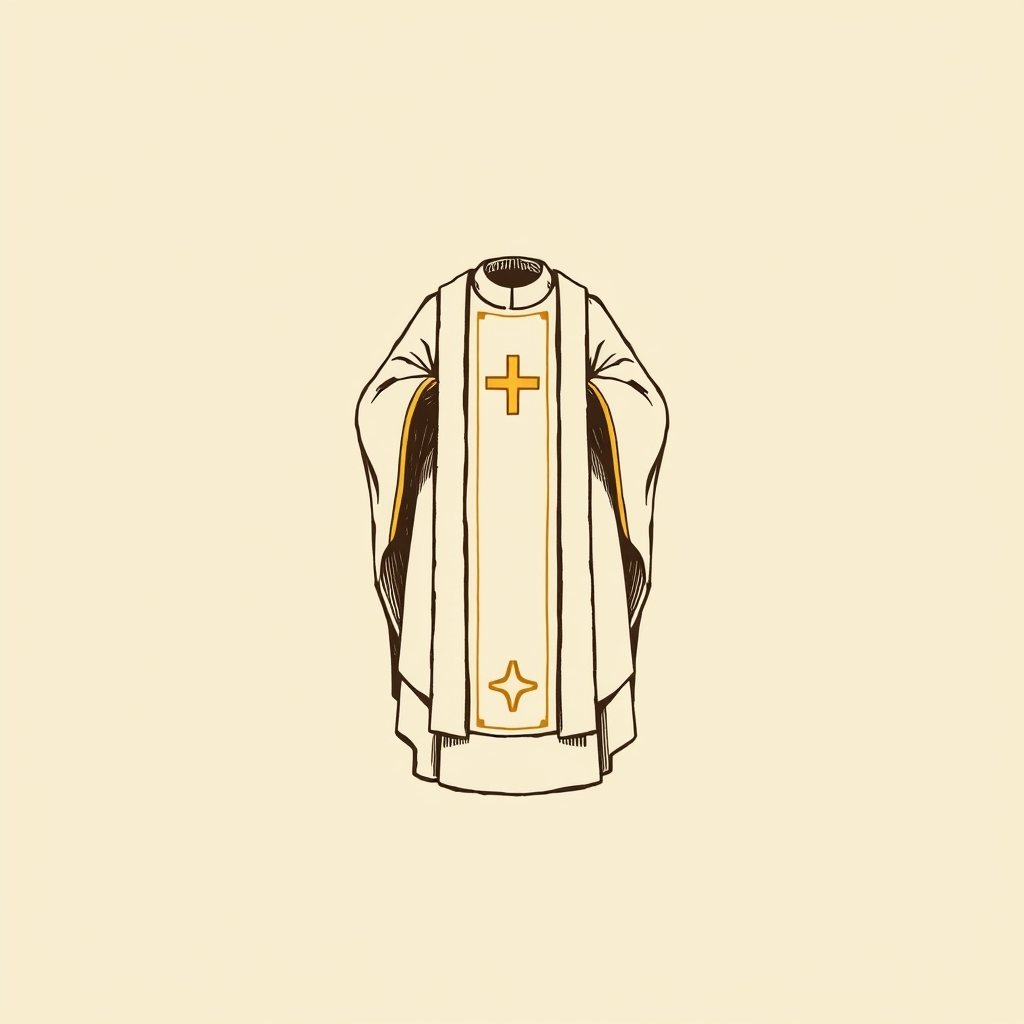
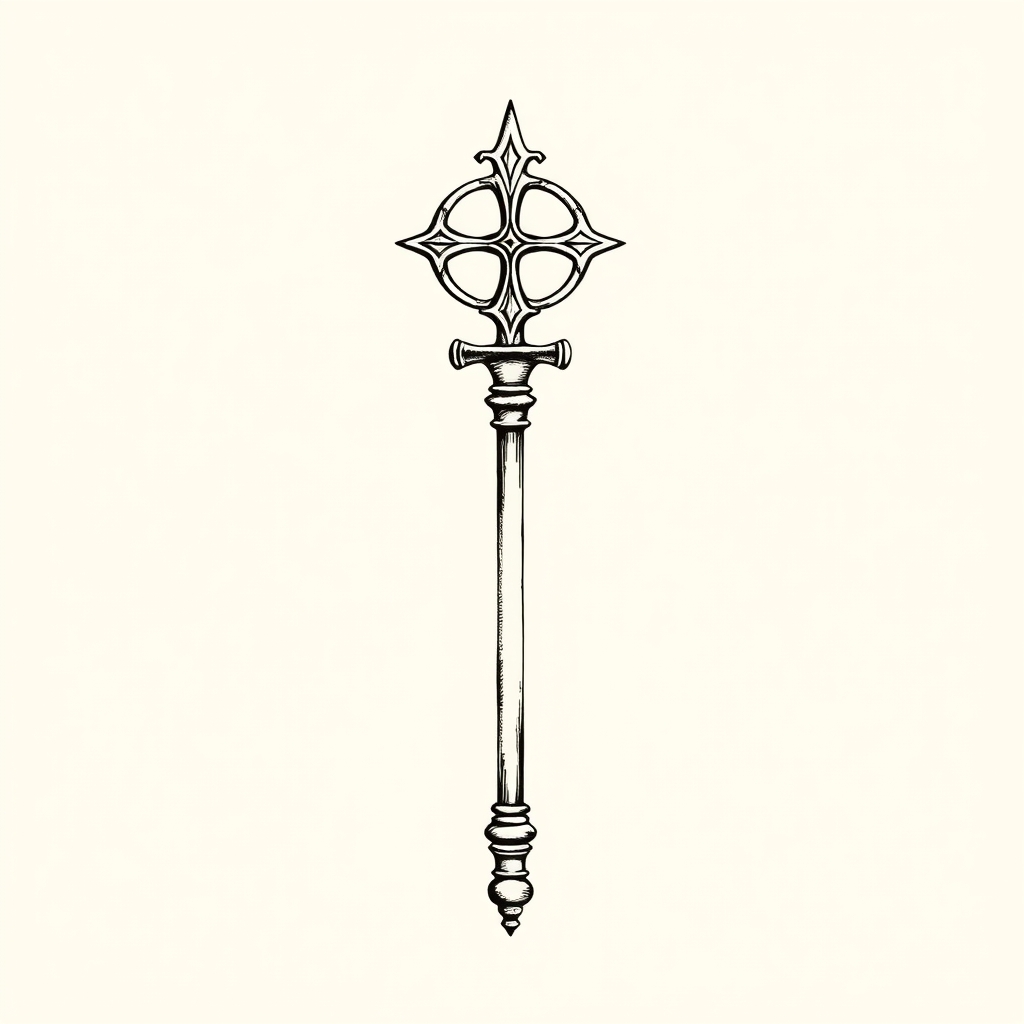
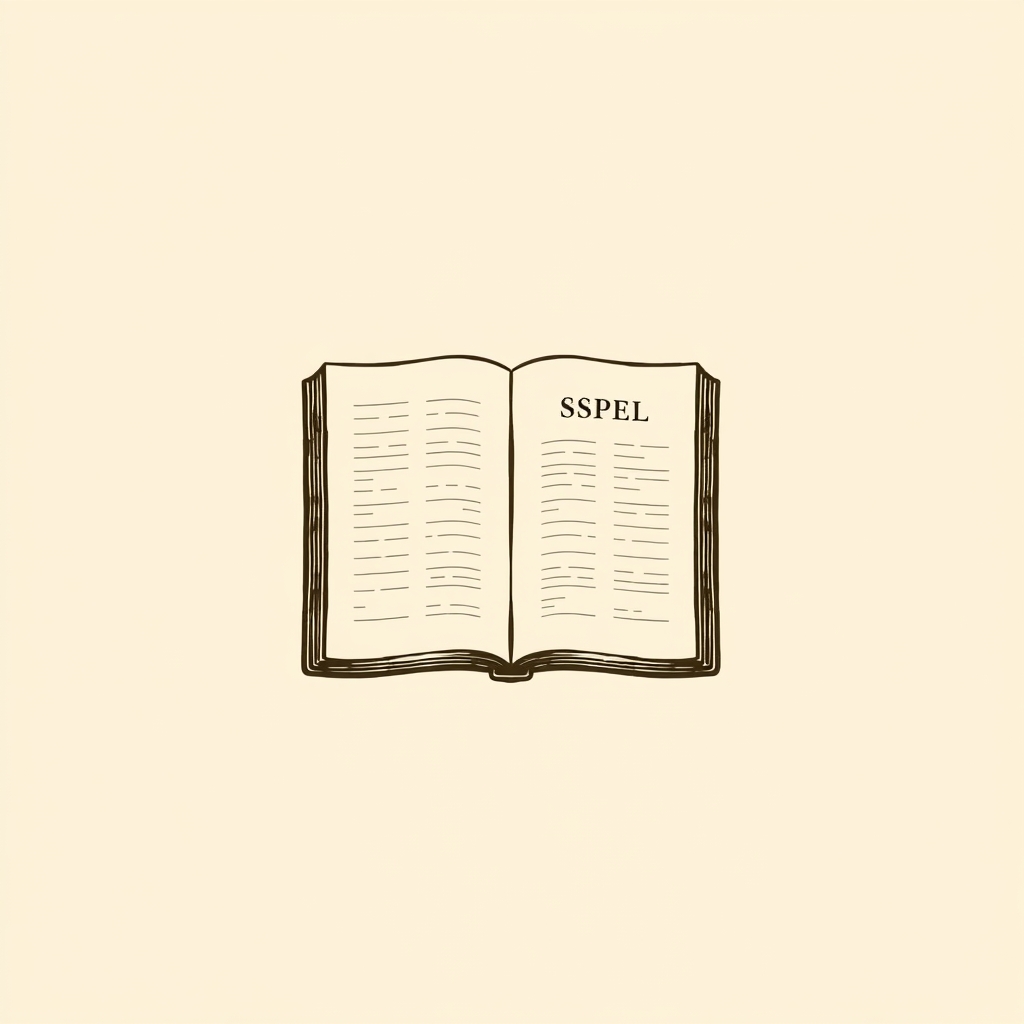
In iconography, Blessed Bertrand of Grandselve is recognizable by: mass vestments, abbot's crosier and book of the Gospels.
What miracles are attributed to Blessed Bertrand of Grandselve?
5 miracles are attributed to this saint, notably: Vision / apparition, Eucharistic and Sign / wonder.
Which saints were contemporaries of Blessed Bertrand of Grandselve?
Contemporaries include: Saint Norbert of Magdeburg, Saint Bernard of Clairvaux, Saint Stephen of Hungary and Saint Arthaud of Belley.
When did Blessed Bertrand of Grandselve die?
Blessed Bertrand of Grandselve died around 1149.
Annexes & related entities
Structured data for exploration: events, miracles, quotes, places, attributes, patronages, and important entities cited in the text.
Key Events
- Early religious years at the monastery of Tuscon
- Election as Abbot of Grandselve
- Withdrew from the abbey for two years out of a desire for solitude before returning
- Governance of the abbey for over twenty years
- Mystical visions of Christ and the Virgin Mary
Quotes
-
The Lord sends you for my burial
Words addressed to a visiting abbot on his deathbed