An Irish prince converted by Saint Patrick, Guigner renounced the throne to lead the life of a hermit in Armorica and later as a missionary. Accompanied by his sister Piale and seven hundred companions, he was massacred in Cornwall by Prince Theodoric around 455. He is honored as a martyr and patron saint of several Breton parishes.
Contemporaries

Figures and markers around the normalized period for this entry.
Guided reading
5 reading sections
SAINT GUIGNER OR FINGAR, MARTYR IN BRITTANY (circa 455).
Conversion and exile from Hibernia
Son of King Clyton of Hibernia, Guigner converted to Christianity under the influence of Saint Patrick, which led to his banishment by his father.
Fingar, otherwise Guigner , was the son of Clyton, one of the kings of Hibernia, to whom Sain t Patrick went to preach the Gospel. The respect that the young prince showed, in a general assembly, for this holy missionary, despised by all the other kings and lords of the island, and the eagerness with which he embraced the faith, led his father to drive him from his states, as an enemy of his person and his gods. Guigner took refuge, with a troop of friends, Christians like him, in Armorica. Audre n, who then reigned in that country, gave him a favorable welcome, and gave him lands for his companions and for himself; he lived there in the exercises of the religious life for some years, imitating, as much as he was able, the life of Saint Patrick, his master. The desire he felt to occupy himself only with God led him to separate from his companions, and to retire into a cave, where he spent all his time meditating on eternal truths, and fed only on acorns. Having then returned to his country, with the design of converting his compatriots to Jesus Christ, he refused there the crown that death had just taken from his father, and which his subjects, converted during his absence by Saint Patrick, presented to him with an eagerness which clearly showed that those who profess the true faith never lack fidelity to their legitimate sovereigns. The love of retreat and the contemplative life led Guigner to leave his country a second time, in the company of more than seven hundred people, among whom were seven bishops, and his sister Piale, as humble and as detached from the world as he was. The goal that this holy troop proposed was to announce the Gospel to the Saxons who had established themselves in a part of Great Britain, and followed the errors of paganism. Arrived in insular Cornwall, Saint Guigner and his companions had no sooner manifested their intentions, than Theodoric, a Breton prince, gathered his soldiers, and fell upon them with such fu ry that h e had them all massacred. This carnage was, it is said, solely the effect of the hatred that the Bretons had against the Irish, without religion having any part in it. However, as the death of these holy personages was very unjust, they have always been honored as martyrs. Saint Guigner, who had not ceased to exhort his own to suffer death with patience, had his head cut off after them. This event occurred around the year 455.
First exile in Armorica
Welcomed by King Audren in Armorica, Guigner led a religious and then eremitic life there before briefly returning to his native land.
Saint Guigner is commemorated in the land of Léon, in the parish of Ploudiry (Finistère), where he is the patron of the succursal church of Loc-Eguiner, named after him. A chapel of the cathedral church of Vannes also has him as its patron, and the diocese celebrates his double office on December 14. This Saint is also the patron of the parish of P luvigner (Morbihan), in the diocese of Vannes; perhaps it was in this place that he first retired.
Mission to Great Britain and martyrdom
Refusing the crown, he set out to evangelize the Saxons with 700 companions but was eventually massacred in Cornwall by Prince Theodoric around 455.
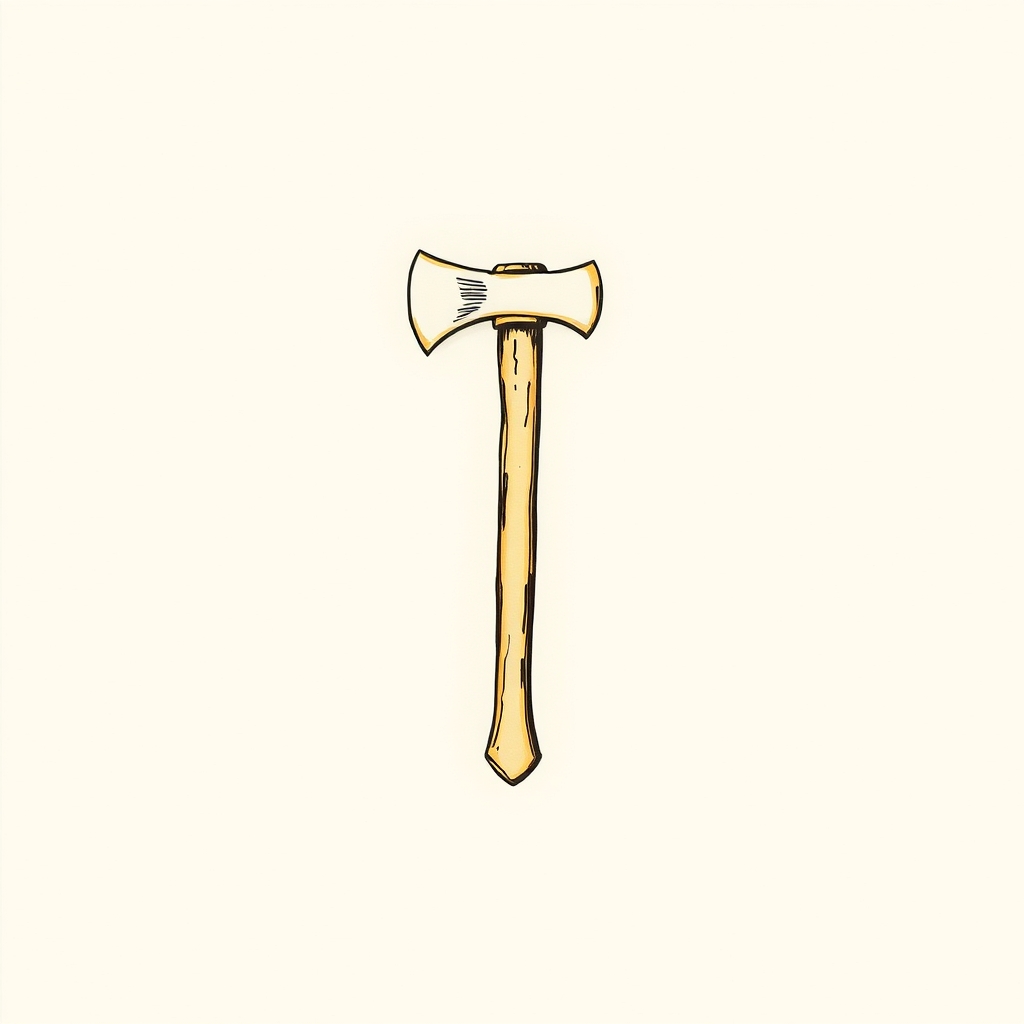
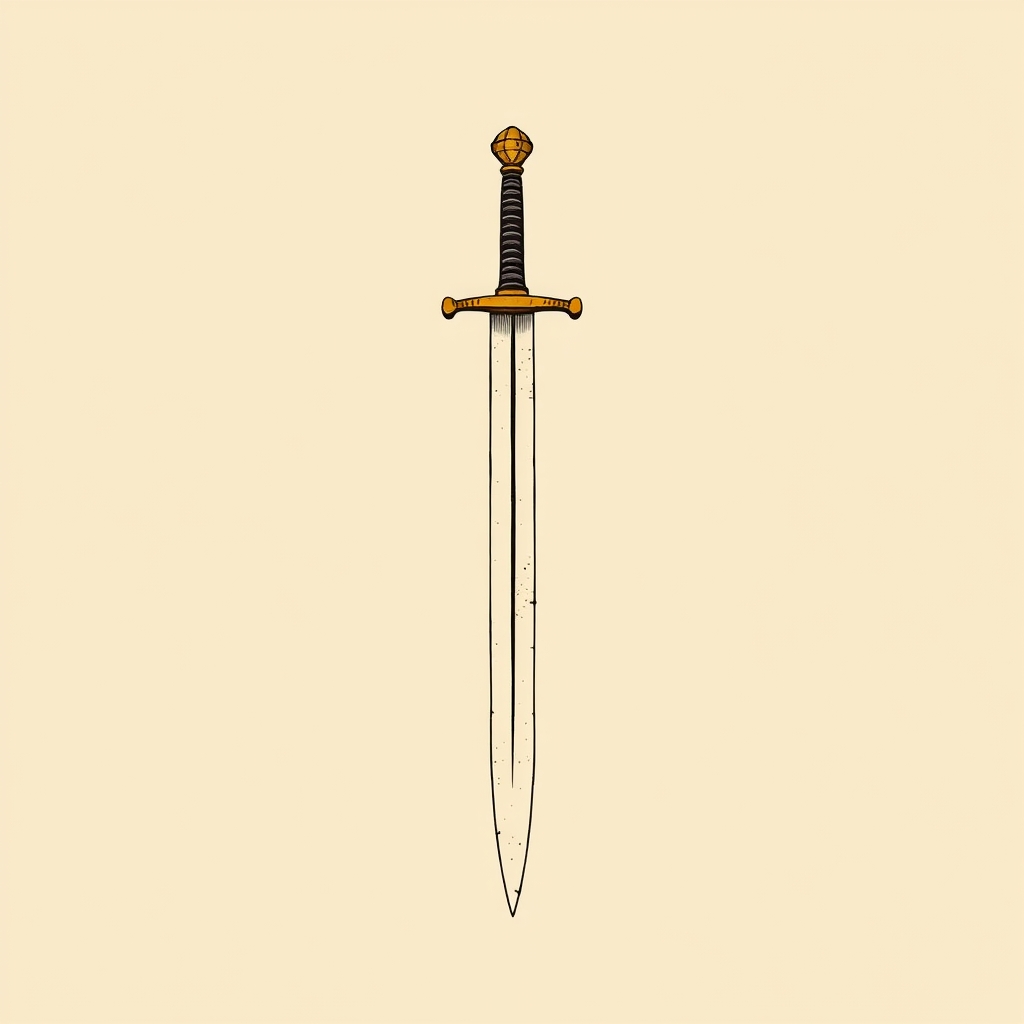
The axe or the sword, the instrument of Saint Guigner's martyrdom, is his ordinary attribute.
Cult and devotion in Brittany
The saint is honored in several Breton localities, notably in Ploudiry, Loc-Eguiner, Pluvigner, and Vannes.
Saints of Brittany, by D om Lobineau and Abbé Tresvaux.
Attributes and hagiographic sources
Guigner is traditionally depicted with an axe or a sword, instruments of his martyrdom, according to the accounts of Lobineau and Tresvaux.
The axe or the sword, instrument of the martyrdom of Saint Guigner, is his ordinary characteristic.
Saints of Brittany, by Dom Lobineau and Abbé Tresvaux.
Iconography
Signs and attributes
Entities
Narrative network
The names, places, and concepts most present in the entry, weighted by centrality in the text.
Frequently asked questions about Saint Guigner (Fingar)
Who was Saint Guigner (Fingar)?
An Irish prince converted by Saint Patrick, Guigner renounced the throne to lead the life of a hermit in Armorica and later as a missionary. Accompanied by his sister Piale and seven hundred companions, he was massacred in Cornwall by Prince Theodoric around 455. He is honored as a martyr and patron saint of several Breton parishes.
What is Saint Guigner (Fingar) the patron saint of?
Patronage of Saint Guigner (Fingar): Loc-Eguiner and Pluvigner.
How is Saint Guigner (Fingar) depicted in Christian art?
In iconography, Saint Guigner (Fingar) is recognizable by: axe and sword.
How did Saint Guigner (Fingar) die?
Saint Guigner (Fingar) suffered martyrdom for the Christian faith (5th century).
Which saints were contemporaries of Saint Guigner (Fingar)?
Contemporaries include: Saint Augustine of Hippo, Saint Honoratus of Arles, Saint James of Tarentaise and Saint Jerome of Stridon.
What are the other names of Saint Guigner (Fingar)?
Other forms of the name: Fingar and Eguiner.
Who are the relatives of Saint Guigner (Fingar)?
Relatives of Saint Guigner (Fingar): Clyton (father) and Sainte Piale (sister).
Annexes & related entities
Structured data for exploration: events, miracles, quotes, places, attributes, patronages, and important entities cited in the text.
Key Events
- Conversion by Saint Patrick in Hibernia
- Exile to Armorica after being driven out by his father
- Eremitic life in a cave, feeding on acorns
- Refusal of the royal crown upon his father's death
- Evangelization mission in Cornwall with 700 companions
- Massacred by Prince Theodoric