Bogumilus of Dobrów
Bogumilus of Dobrów (12th century), traditionally Archbishop of Gniezno who renounced his office to lead the life of a Camaldolese hermit; his cult was confirmed by Pius XI on May 27, 1925.
Contemporaries

Figures and markers around the normalized period for this entry.
Guided reading
5 reading sections
Biography
Born into the nobility of Greater Poland in the 12th century, Bogumił studied in Gniezno and then in Paris before becoming a priest, and later, traditionally, Archbishop of Gniezno.
Bogumił (Bogumilus) was born in the first half of the 12th century; late and unreliable biographies place his birth around 1135 near Dobrów or, according to another account, around 1116 in Koźmin, in Greater Poland. He belonged to the Polish nobility and tradition links him to the kin of Saint Adalbert (Wojciech); his uncle was said to be Archbishop Jan of Gniezno and his brother Bogufał is said to have joined the Cistercians. According to sources, he completed his initial studies in Gniezno under the guidance of his uncle, then finished his education in Paris. Ordained a priest, he is said to have served and built the Church of the Holy Trinity in Dobrów before becoming chancellor of Gniezno. Tradition then attributes to him, starting in 1167, the succession of his uncle to the archiepiscopal see of Gniezno. His exact ecclesiastical identity, however, remains debated by historians: no ancient source confirms with certainty an archbishop named Bogumił at that time, and some scholars have proposed other identifications. After a few years of episcopacy, he abandoned his office to withdraw into solitude, where he died around 1182.
Life and Work
Renouncing the episcopate, Bogumił became a Camaldolese hermit following the example of Saint Romuald and spent the end of his life in prayer and penance.
The work associated with the name of Bogumił is above all that of a renunciation. Tradition reports that he resigned from his see, around 1171-1172, due to the opposition of a part of the clergy who judged his severity excessive, but also out of a desire for a contemplative life. Inspired by the example of Saint Romuald, founder of the Camaldolese, and having, according to the account, obtained authorization from Pope Alexander III, he stripped himself of his dignity and retired to a deserted place near Dobrów. He is said to have donated his possessions and led the life of a hermit there, divided between fasting, prayer, and penance, for about ten years. Popular memory presents him as a thaumaturge granting his intercession for health, livestock, and fishing. The first biographies, written late, closely mix history and legend, so that the exact share of Bogumił's historical action remains difficult to establish.
Journey toward holiness
His reputation for holiness stems from his radical choice of humility and solitude, and from the reputation as a miracle-worker that became attached to his memory.
The holiness attributed to Bogumił rests on the consistency of a life directed toward detachment. Leaving the highest ecclesiastical dignity in Poland for the poverty and obscurity of a hermitage was perceived by medieval piety as a heroic act of humility and renunciation of honors. Tradition emphasizes his austere life, consisting of fasting and prolonged prayer in imitation of the Desert Fathers and Saint Romuald. The account of his death, accompanied by a vision of the Virgin Mary and the Child Jesus surrounded by angels calling him to heaven, sealed his reputation for holiness. From the Middle Ages, the faithful came to pray at his tomb and attributed graces obtained to him, which sustained a lasting local cult in Greater Poland. It is this uninterrupted popular veneration, rather than a formal and early canonical process, that formed the foundation of his cause.
Beatification and canonization
Following efforts initiated in the 17th century, Pope Pius XI confirmed the cult of Bogumił by a decree on May 27, 1925, and his feast day was set for June 10 for all of Poland.
The cult of Bogumił, attested since the Middle Ages, was the subject of official proceedings starting in the mid-17th century: the first requests for the confirmation of his veneration were presented under Archbishop Maciej Łubieński. The process concluded much later, when Pope Pius XI approved the cult of Bogumił by a decree signed on May 27, 1925. This act, which pertains to the confirmation of an immemorial cult (known as equipollent beatification), officially recognized the title of Blessed and extended his liturgical feast to June 10 for all of Poland. Hagiographic sources thus qualify him as Blessed (beatus) rather than a canonized saint in the strict sense, even if popular devotion commonly invokes him as "Saint Bogumił." Biographies do not report a specific miracle approved at the end of a trial, as the cause relied on the antiquity and continuity of the veneration.
Spirituality and heritage
Patron of the Archdiocese of Gniezno, Bogumił is venerated in Uniejów where his relics rest, and iconographic tradition depicts him as a bishop holding a fish.
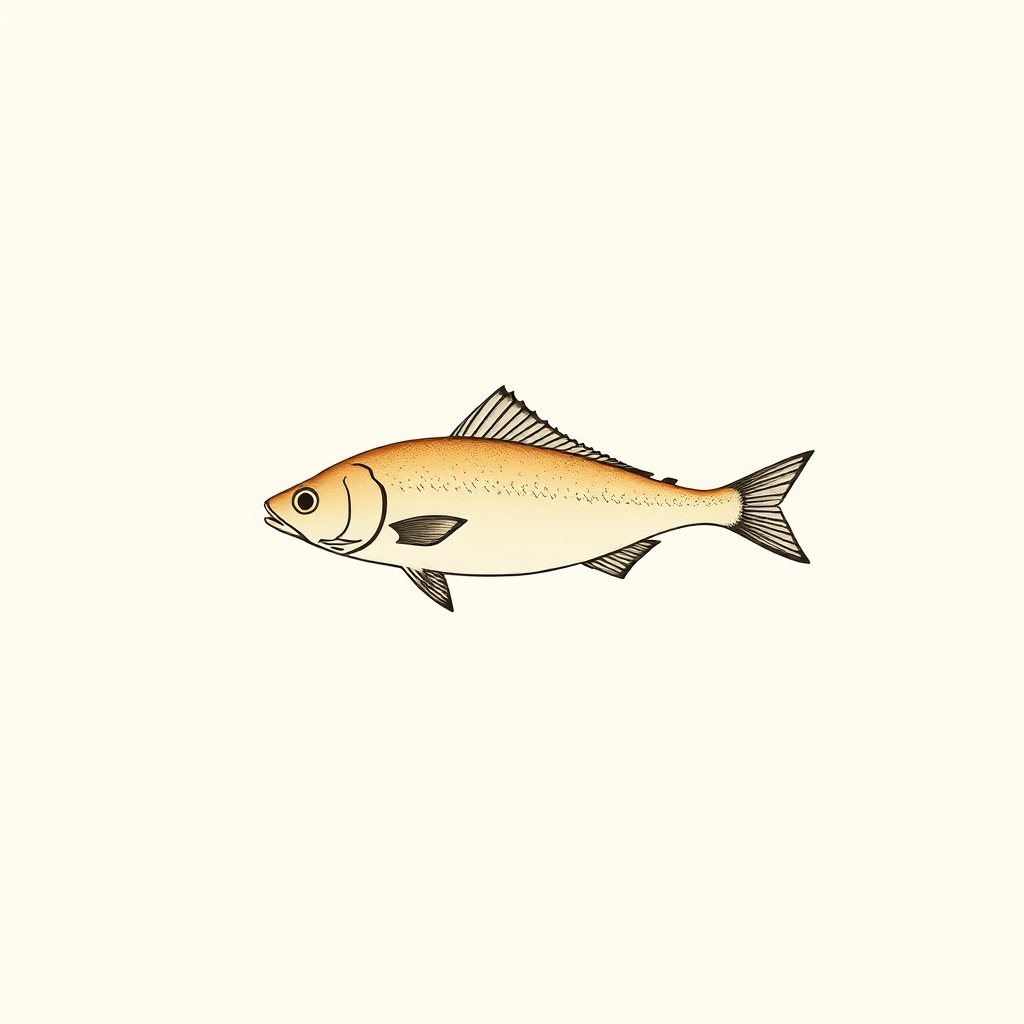
The legacy of Bogumił remains deeply linked to Greater Poland. Pope Paul VI conferred upon him the patronage of the Archdiocese of Gniezno, the historical cradle of Polish Christianity. His relics, transferred in 1668, are venerated in the Collegiate Church of the Assumption in Uniejów, which constitutes the main center of his cult; a stole attributed to him is also preserved at the Poznań Cathedral. Iconography depicts him as a bishop vested in pontifical insignia and the Camaldolese habit, most often holding a fish or walking on water, attributes referring to the accounts of his miracles linked to waters and fishing, as well as to the Marian vision of his death. His figure embodies, in Polish spirituality, the ideal of the bishop who renounces power for the hidden life of the hermit, making him a model of humility and contemplation still honored on June 10.
Iconography
Signs and attributes
Frequently asked questions about Bogumilus of Dobrów
Who was Bogumilus of Dobrów?
Bogumilus of Dobrów (12th century), traditionally Archbishop of Gniezno who renounced his office to lead the life of a Camaldolese hermit; his cult was confirmed by Pius XI on May 27, 1925.
What is Bogumilus of Dobrów the patron saint of?
Patronage of Bogumilus of Dobrów: Archidiocèse de Gniezno and Archdiocese of Gniezno.
How is Bogumilus of Dobrów depicted in Christian art?
In iconography, Bogumilus of Dobrów is recognizable by: fish, Camaldolese habit and episcopal insignia.
Which saints were contemporaries of Bogumilus of Dobrów?
Contemporaries include: Saint Norbert of Magdeburg, Saint Bernard of Clairvaux, Saint Stephen of Hungary and Saint Arthaud of Belley.
When did Bogumilus of Dobrów die?
Bogumilus of Dobrów died around 1182.
What are the other names of Bogumilus of Dobrów?
Other forms of the name: Bogumilus, Bogumił, Bogumilo di Gniezno and Bogumilo de Gniezno.
Who are the relatives of Bogumilus of Dobrów?
Relatives of Bogumilus of Dobrów: Jan (Jean), archevêque de Gniezno (uncle (according to tradition)) and Bogufał (brother (Cistercian, according to tradition)).
Annexes & related entities
Structured data for exploration: events, miracles, quotes, places, attributes, patronages, and important entities cited in the text.
Key Events
- Era / death: 12th c.
- Canonized in 1925 by Pius XI