Gabriel of Our Lady of Sorrows
Italian Passionist religious who died at 23 in 1862, canonized in 1920, venerated as the patron of youth, students, and seminarians.
Contemporaries

Figures and markers around the normalized period for this entry.
Guided reading
5 reading sections
Biography
Born in Assisi in 1838 under the name Francesco Possenti, this son of a papal official led a carefree youth before joining the Passionists.
Francesco Possenti was born on March 1, 1838, in Assisi, the eleventh of thirteen children of Sante Possenti, an official of the Papal States, and Agnese Frisciotti. His mother died when he was only four years old, and several of his brothers and sisters passed away during his childhood. The family settled in Spoleto, where young Francesco studied at the Jesuit college and proved to be a brilliant and well-liked student. Lively, elegant, and worldly, he enjoyed the amusements of high society: dances, theater, and fine clothing. Two serious illnesses from which he recovered, followed by the death of his sister Maria Luisa, who was taken by cholera in 1855, shook this lighthearted life and revived in him a long-deferred vocation. According to the tradition reported by his biographers, it was during a Marian procession in Spoleto that he felt the decisive call to leave everything behind. In 1856, at the age of eighteen, he entered the Passionists, the Congregation of the Passion of Jesus Christ founded by Saint Paul of the Cross. He took the habit and the religious name Gabriel of the Sorrowful Mother—Gabriel of the Virgin of Sorrows—in memory of his childhood devotion. He died young, on February 27, 1862, at the monastery of Isola del Gran Sasso, in the Abruzzo region.
Life and Work
Entering the Passionist novitiate in 1856, Gabriel took his vows in 1857 and pursued his studies for the priesthood until his premature death.
Gabriel's religious life was brief but of recognized intensity. Received into the Passionist novitiate in 1856, he took his vows on September 22, 1857. His short existence in the congregation, which lasted only about six years, was not marked by any brilliant external work: Gabriel did not have time to be ordained a priest or to exercise a public ministry. His "work" was entirely interior, made of scrupulous fidelity to the rule, humility, and fraternal charity in community life. He first pursued his philosophy studies in Pieve Torina, then, from 1859, his theology at the convent of Isola del Gran Sasso, in the Abruzzo region, in preparation for the priesthood. His companions and superiors testified to his regularity and serene joy, qualities all the more remarkable as they were accompanied by declining health. Afflicted with tuberculosis, he endured the illness without complaint. He passed away on the night of February 27, 1862, clutching an image of the Virgin of Sorrows, at the age of twenty-three. His reputation for holiness spread immediately after his death, carried by the account of his virtues and by the graces attributed to his intercession in the Abruzzo region.
Journey toward holiness
Gabriel's holiness rested on the perfect fulfillment of ordinary duties and on an ardent devotion to the Passion of Christ and the sorrows of the Virgin Mary.
Gabriel's spirituality is fully inscribed within the Passionist charism: the assiduous meditation on the Passion of Jesus Christ. To this Christological center is added a filial devotion to the Virgin of Sorrows, to whom he had dedicated his religious name and whom he honored as the companion of her Son's redemptive suffering. Several sources report that he made a personal vow to propagate devotion to the Mother of Sorrows. His path to holiness was not that of great, spectacular austerities or extraordinary phenomena, but that of perfection in the ordinary: punctuality, obedience, gentleness, and self-forgetfulness. This spirituality of the everyday, both accessible and demanding, explains the influence he subsequently exerted on the youth. The contrast between the worldly young man he had been and the fervent religious he became struck his contemporaries as a sign of grace. A statement reported by his biographers summarizes this transformation: he confided that the joy experienced in the religious house exceeded, almost beyond all description, the pleasures he had known in the world. His peaceful death, at such a young age, appeared as the confirmation of this hidden holiness.
Beatification and canonization
Beatified in 1908 by Pius X, Gabriel was canonized on May 13, 1920, by Benedict XV; his liturgical feast is set for February 27.
The canonization process was based on the reputation for holiness that spread upon Gabriel's death and on the numerous graces attributed to his intercession, which is particularly venerated in the Abruzzo region. Pope Pius X beatified him on May 31, 1908. Twelve years later, on May 13, 1920, Pope Benedict XV inscribed him in the catalogue of saints during a ceremony celebrated at the Vatican Basilica. His liturgical feast is celebrated on February 27, the anniversary of his death. Very early on, the Church recognized in this young religious a model for new generations: he was proclaimed patron of Catholic youth, students, and aspirants to the priesthood. In 1959, Pope John XXIII declared him patron of the Abruzzo region, where he had spent the final years of his life and where his sanctuary stands. The relative speed of his cause and the extent of his popular veneration testify to the lasting impression left by a life that was, however, so short and so discreet.
Spirituality and heritage
The sanctuary of Isola del Gran Sasso, which houses his relics, attracts many pilgrims every year, and Gabriel remains a reference figure for Catholic youth.
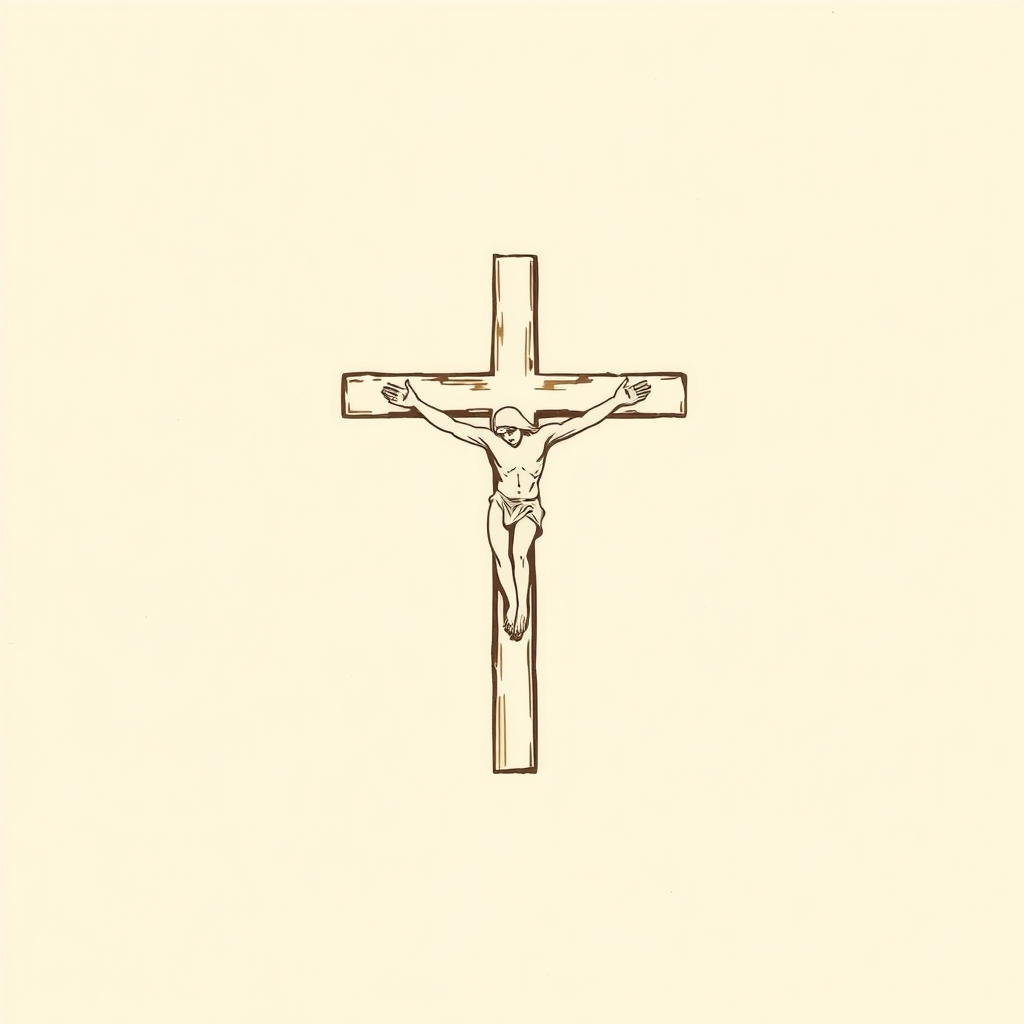
The legacy of Saint Gabriel of Our Lady of Sorrows is inseparable from the sanctuary dedicated to him in Isola del Gran Sasso, Italy, in the Abruzzo region, where his relics rest. This place of worship has become one of the most visited in Italy, attracting a great number of pilgrims each year, among whom are many young people and students who come to entrust their studies and exams to his intercession. Patron of Italian Catholic youth, students, and seminarians, Gabriel embodies an ideal of youthful holiness: sanctification in ordinary life, within everyone's reach. Several Italian municipalities count him as their patron, and his figure has inspired parishes, schools, and youth works far beyond the Abruzzo region. His message—finding in total surrender to God a joy greater than that of the world—continues to be proposed as an accessible path for younger generations. Represented in the Passionist habit, holding a crucifix or an image of the Virgin of Sorrows, he remains in popular devotion the "saint of youth," a witness to a faith lived with fervor and simplicity.
Iconography
Signs and attributes
Frequently asked questions about Gabriel of Our Lady of Sorrows
Who was Gabriel of Our Lady of Sorrows?
Italian Passionist religious who died at 23 in 1862, canonized in 1920, venerated as the patron of youth, students, and seminarians.
What is Gabriel of Our Lady of Sorrows the patron saint of?
Patronage of Gabriel of Our Lady of Sorrows: Jeunesse catholique, Catholic youth, Étudiants, Students, Séminaristes et clercs, Seminarians and clerics, Région des Abruzzes (Italie) and Abruzzo region (Italy).
What is Gabriel of Our Lady of Sorrows invoked for?
Gabriel of Our Lady of Sorrows is invoked for: Les études et les examens, Studies and exams, La persévérance des jeunes dans la foi and Perseverance of youth in the faith.
How is Gabriel of Our Lady of Sorrows depicted in Christian art?
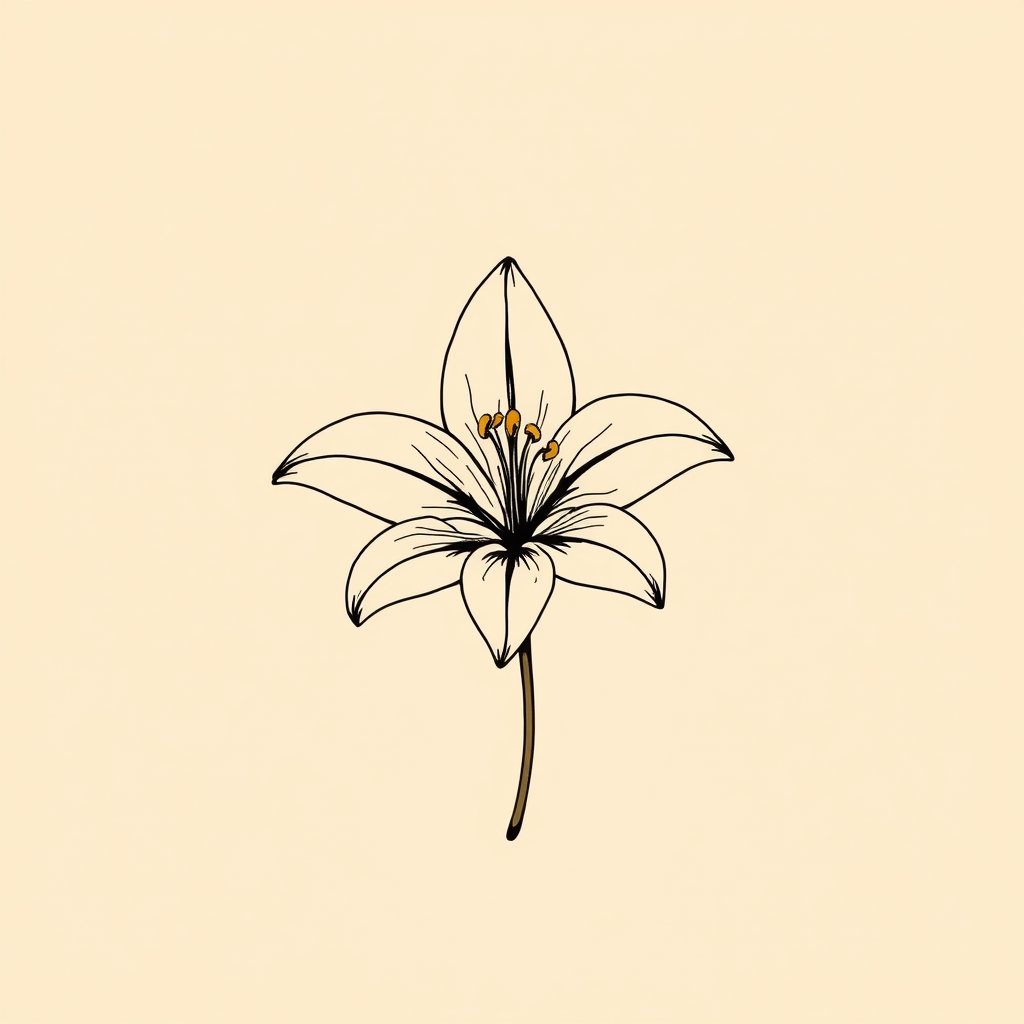
In iconography, Gabriel of Our Lady of Sorrows is recognizable by: Passionist habit, Crucifix, Image of Our Lady of Sorrows and Lily.
Which saints were contemporaries of Gabriel of Our Lady of Sorrows?
Contemporaries include: Jesús María Echavarría Aguirre, Pauline of the Agonizing Heart of Jesus, Narcisa de Jesús and Juan de Jesús López y González.
When did Gabriel of Our Lady of Sorrows die?
Gabriel of Our Lady of Sorrows died around 1862.
What are the other names of Gabriel of Our Lady of Sorrows?
Other forms of the name: Gabriele dell'Addolorata, Francesco Possenti, Gabriel Possenti and Gabriel de la Vierge des Douleurs.
Who are the relatives of Gabriel of Our Lady of Sorrows?
Relatives of Gabriel of Our Lady of Sorrows: Sante Possenti (father), Agnese Frisciotti (mother) and Maria Luisa Possenti (sister).
Annexes & related entities
Structured data for exploration: events, miracles, quotes, places, attributes, patronages, and important entities cited in the text.
Key Events
- Era / death: 1862
- Canonized in 1920 by Benedict XV
Quotes
-
The contentment and joy that I experience in this house almost defy description, compared to the amusements I enjoyed outside.
https://www.causesanti.va/it/santi-e-beati/gabriele-dell-addolorata.html