Agnes of Langeac
Agnes of Langeac (1602-1634), in religion Sister Agnes of Jesus, was a French Dominican nun known for her mystical life and her role as a spiritual mother to Jean-Jacques Olier, founder of the Sulpicians.
Contemporaries

Figures and markers around the normalized period for this entry.
Guided reading
5 reading sections
Biography
Birth and youth of Agnès Galand in Le Puy-en-Velay, marked by an early devotion and her entry into the Dominican Third Order.
Agnès Galand, known in religion as Agnès of Jesus (and commonly called Agnès of Langeac), was born on Sunday, November 17, 1602, in Le Puy-en-Velay, in the province of Velay (France). She was the third of seven children of Pierre Galand, a deeply Christian artisan cutler, and Guillemette Massiote, a lace maker. She was baptized the day after her birth, on November 18, 1602, at the Saint-Jean baptistery, located near the Cathedral of Notre-Dame du Puy.
From her childhood, Agnès manifested an early spiritual maturity and a deep attraction to prayer. At the age of seven, while praying in the Cathedral of Le Puy, she felt an interior call and decided to consecrate herself entirely to the Virgin Mary. As a sign of this vow of Marian servitude, she took an iron chain from her father's workshop and wore it tightened around her waist. During her youth, she distinguished herself by her active charity, distributing alms to the poor and showing particular solicitude for pregnant women and mothers in difficulty. In April 1621, she was received into the Third Order of Saint Dominic by her spiritual director, Father Esprit Panassière, a Dominican from the Saint-Laurent convent in Le Puy.
Life and Work
Entry into the monastery of Langeac, religious profession, and election as prioress at the age of twenty-four.
In 1623, desiring to dedicate herself fully to the contemplative life, Agnes left Le Puy-en-Velay to participate in the foundation of the new Dominican monastery of Saint Catherine of Siena in Langeac. She received the habit of the nuns there on October 4, 1623, and took the name Sister Agnes of Jesus. She pronounced her solemn vows on February 2, 1625. Upon her entry, she abandoned the iron chain she wore around her waist, considering that her religious vows fully accomplished her consecration.
Initially assigned to the humblest tasks of the community, notably in the kitchen, she edified her sisters through her obedience, her profound piety, and her charity. Quickly noticed for her spiritual and human qualities, she was appointed mistress of novices in 1626, then elected prioress of the monastery in 1627, at the age of only twenty-four. She exercised this office with great gentleness, watching over each of her sisters with maternal care and maintaining fervent regularity within the monastery. Under her leadership, the monastery of Saint Catherine of Siena became an ardent center of contemplation and prayer, particularly oriented toward intercession for the Church and the sanctification of priests.
Path to Holiness
Mystical experiences, prayers for Jean-Jacques Olier, and a decisive meeting leading to the foundation of the Sulpician seminaries.
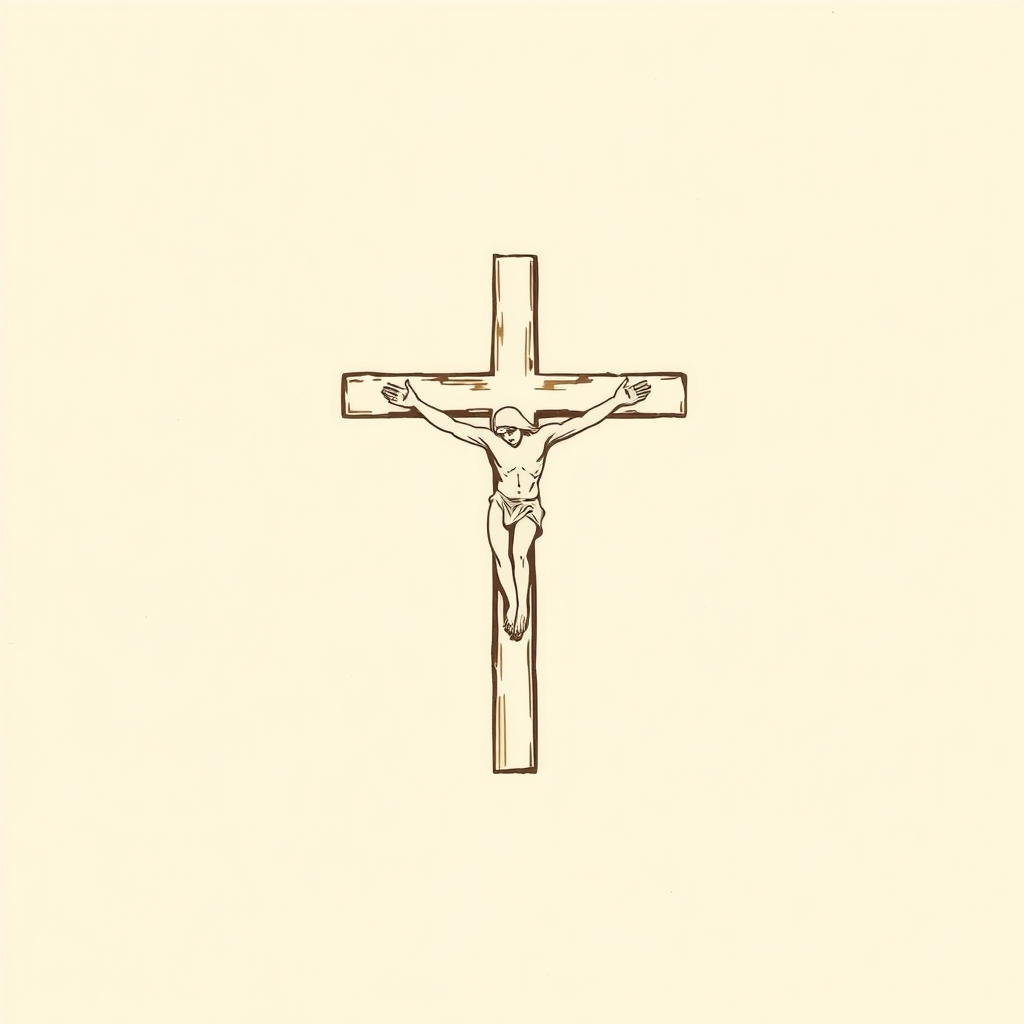
The mystical life of Agnes of Jesus was marked by extraordinary graces, ecstasies, and visions, which she experienced in the greatest discretion. In 1631, she received a vision of the Virgin Mary who asked her to pray intensely for the Abbot of Pébrac, Jean-Jacques Olier, a young cleric then engaged in a worldly and carefree life. Although she did not know him personally, Agnes from then on offered her prayers, fasts, and mortifications for his conversion and for him to fulfill his mission as a founder of seminaries. For his part, Jean-Jacques Olier was warned in a dream that he must meet a Dominican nun who would transmit a divine message to him. Their providential meeting took place in the parlor of the monastery of Langeac in 1634. Agnes revealed to him the will of the Virgin Mary and exhorted him to devote himself entirely to the renewal of the clergy and the formation of priests. This decisive interview sealed Olier's spiritual conversion. A few months later, after a final meeting on October 12, 1634, Agnes fell seriously ill, suffering from inflammation of the chest. She passed away holily on October 19, 1634, in Langeac, at the age of 31, after having bequeathed her crucifix to Jean-Jacques Olier as a pledge of spiritual support. Twenty years later, Olier would found the Society of the Priests of Saint-Sulpice (Sulpicians) and the first seminaries in France, attributing the fruitfulness of his work to the prayers of Agnes, whom he considered his spiritual mother.
Beatification and canonization
Diocesan inquiry, recognition of a childbirth miracle in 1952, and beatification by John Paul II in 1994.
From the moment of Agnes of Jesus' death, her reputation for holiness spread rapidly. Around 1650, the Bishop of Saint-Flour, Mgr de la Motte-Houdancourt, ordered the opening of a diocesan inquiry and had testimonies and memoirs regarding her life collected. However, due to historical unrest and the complexity of her mystical language, the process suffered long delays over the centuries.
The cause progressed decisively thanks to the recognition of a miracle attributed to her intercession. In 1952, in Langeac, a mother about to give birth and her child were in great danger of death. Following fervent prayers addressed to Agnes of Jesus, the delivery proceeded in a completely natural way, preserving the lives of both the mother and the newborn. This miracle, formally recognized by the Church, paved the way for her glorification.
Agnes of Jesus Galand of Langeac was solemnly beatified on November 20, 1994, by Pope John Paul II in St. Peter's Basilica in Rome. During the ceremony, the Holy Father highlighted the contemplative depth of the new blessed and her total abandonment to the divine will.
Spirituality and legacy
Christocentric and Marian spirituality, legacy among seminaries, and devotion of expectant mothers.
The spirituality of Agnes of Langeac is deeply marked by the French school of spirituality, centered on intimate union with the crucified Christ, love for the Eucharist, and a filial and total devotion to the Virgin Mary. Her life bears witness to a constant search for the will of God through humility and self-renunciation.
Nicknamed the "spiritual mother of seminaries," she left her Dominican community the specific mission of praying for priests, seminarians, and priestly vocations. Even today, the Dominican nuns of the Saint Catherine of Siena monastery in Langeac perpetuate this spiritual legacy in close union with the Society of Saint-Sulpice.
Furthermore, due to her constant solicitude for expectant mothers during her lifetime, Blessed Agnes remains widely invoked by couples desiring children and by women experiencing difficult pregnancies or complicated births.
Iconography
Signs and attributes

The supernatural in their life
The miracles of Agnes of Langeac
Frequently asked questions about Agnes of Langeac
Who was Agnes of Langeac?
Agnes of Langeac (1602-1634), in religion Sister Agnes of Jesus, was a French Dominican nun known for her mystical life and her role as a spiritual mother to Jean-Jacques Olier, founder of the Sulpicians.
What is Agnes of Langeac the patron saint of?
Patronage of Agnes of Langeac: Futures mères, Expectant mothers, Couples en désir d'enfant, Couples desiring children, Séminaires, Seminaries, Vocations sacerdotales and Priestly vocations.
What is Agnes of Langeac invoked for?
Agnes of Langeac is invoked for: Grossesses difficiles, Difficult pregnancies, Accouchements compliqués, Complicated childbirths, Désir d'enfant and Desire for a child.
How is Agnes of Langeac depicted in Christian art?
In iconography, Agnes of Langeac is recognizable by: Iron chain and Crucifix.
What miracles are attributed to Agnes of Langeac?
1 miracle are attributed to this saint, notably: Healing and Protection / deliverance.
Which saints were contemporaries of Agnes of Langeac?
Contemporaries include: Ana de Jesús, Venerable Anne of Jesus, Saint Francis de Sales (Bishop and Prince of Geneva) and Blessed John of Jesus-Mary.
When did Agnes of Langeac die?
Agnes of Langeac died around 1634.
What are the other names of Agnes of Langeac?
Other forms of the name: Agnès Galand, Agnès de Jésus and Agnès de Langeac.
Who are the relatives of Agnes of Langeac?
Relatives of Agnes of Langeac: Pierre Galand (father) and Guillemette Massiote (mother).
Annexes & related entities
Structured data for exploration: events, miracles, quotes, places, attributes, patronages, and important entities cited in the text.
Key Events
- Era / death: 1634
- Beatification in 1994 by John Paul II