Andrew of Phu Yen
Andrew of Phu Yen (1625-1644), known as the protomartyr of Vietnam, was a young lay catechist who died for his faith, beatified by Pope John Paul II in 2000.
Contemporaries

Figures and markers around the normalized period for this entry.
Guided reading
5 reading sections
Biography
Birth and youth of Andrew of Phu Yen, his upbringing by his mother Jeanne, and his meeting with Father Alexandre de Rhodes.
Andrew was born in 1625 (or 1626) in the province of Phu Yen, in the Kingdom of Annam (present-day Vietnam). Having lost his father at a very young age, he was raised by his mother Jeanne, a pious widow. Though physically frail, he was endowed with a sharp intelligence and was entrusted to Father Alexandre de Rhodes, a French Jesuit missionary. Andrew quickly surpassed his peers in the study of Christian doctrine and Chinese characters. In 1641, at the age of about fifteen, he received baptism along with his mother, his brothers, and his sisters.
Life and Work
Andrew's commitment as a catechist within the House of God and his missionary zeal.
In 1642, Father de Rhodes included Andrew among his closest collaborators. In 1643, after theological and cultural training, Andrew formally joined the association of catechists called the "House of God" (Domus Dei) in Hội An. The members promised to dedicate their lives to the service of the Church, to assist priests, and to propagate the Gospel. Andrew accompanied the missionaries in the provinces of Quảng Nam, Bình Định, and Quảng Ngãi, teaching the catechism with fervor. Father de Rhodes would praise his diligence, his purity, and his virginal soul.
Path to Holiness
The arrest of Andrew, his refusal to abjure his faith before the mandarin, and his martyrdom at Kẻ Chàm.
In July 1644, the governor Ông Nghè Bô received an order from Lord Nguyễn to use force against Christianity. On July 25, 1644, soldiers arrested Andrew in place of the head catechist, Ignatius. Beaten and bound, he refused before the mandarin to renounce his faith, affirming that he preferred death. On July 26, 1644, at Kẻ Chàm, he was led to the place of execution. He exhorted the Christians to remain firm. Forced to his knees, he was pierced by a lance and then beheaded, pronouncing the name of "Jesus" with his final breath at the age of 19.
Beatification and canonization
The transfer of his remains to Macau and his beatification by Pope John Paul II in 2000.
Father Alexandre de Rhodes collected Andrew's remains, which were transported to Macau and buried at the Society of Jesus college, while his head was sent to Rome. Father de Rhodes published his biography in 1652. On March 5, 2000, in Saint Peter's Square in Rome, Pope John Paul II proclaimed Andrew of Phú Yên blessed, presenting him as the protomartyr of Vietnam. As a martyr, his beatification did not require the recognition of a miracle of physical healing.
Spirituality and legacy
Andrew's spirituality of love, his patronage of Vietnamese catechists, and the Pope's tribute in 2025.
Andrew's spirituality is based on his motto: "Let us return love for love to our God, let us return life for life." Declared patron of Vietnamese youth and catechists, he inspires the local Church. The church of Mằng Lăng houses a shrine dedicated to his memory. In July 2025, for the 400th anniversary of his birth, the Pope addressed a video message to Vietnamese catechists, hailing this "great son of Vietnam" and recalling his example of unwavering faith.
Iconography
Signs and attributes
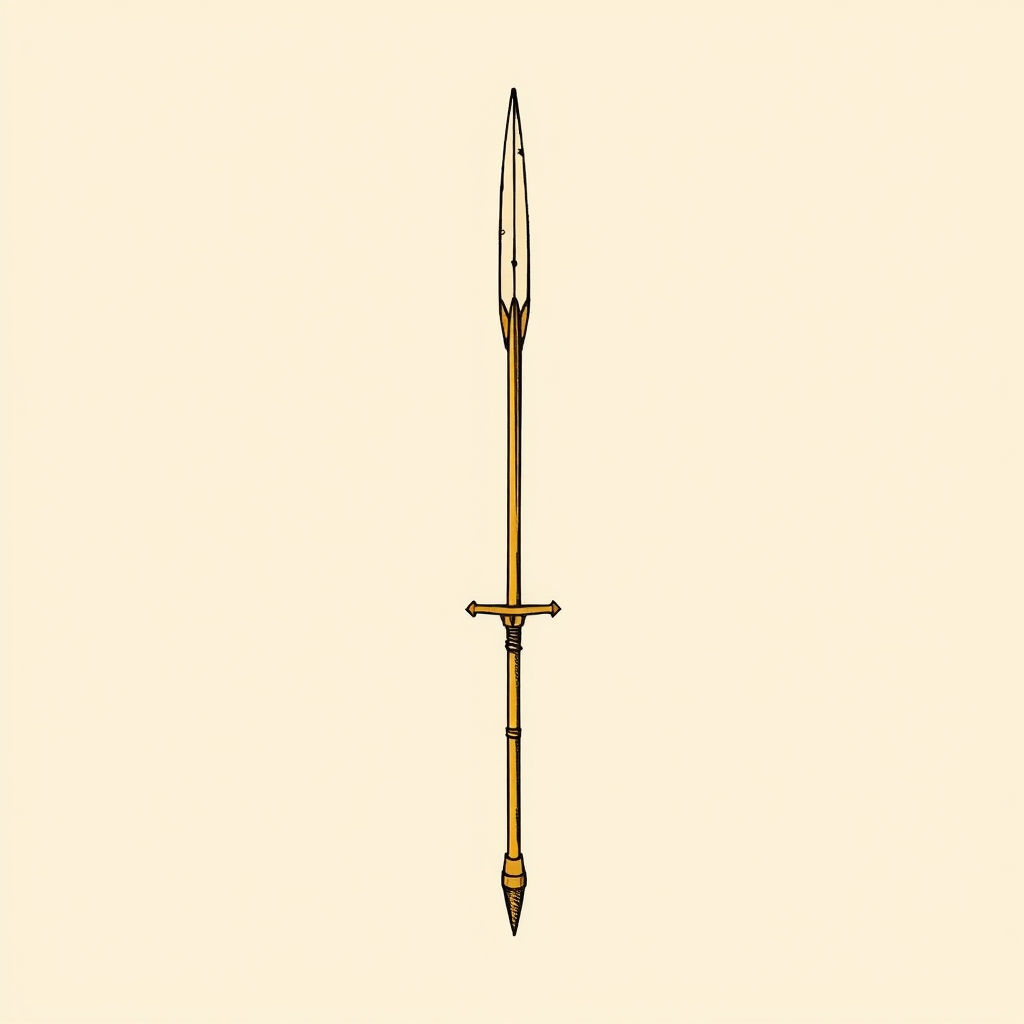
Frequently asked questions about Andrew of Phu Yen
Who was Andrew of Phu Yen?
Andrew of Phu Yen (1625-1644), known as the protomartyr of Vietnam, was a young lay catechist who died for his faith, beatified by Pope John Paul II in 2000.
What is Andrew of Phu Yen the patron saint of?
Patronage of Andrew of Phu Yen: Jeunesse vietnamienne, Vietnamese youth, Catéchistes vietnamiens and Vietnamese catechists.
How is Andrew of Phu Yen depicted in Christian art?
In iconography, Andrew of Phu Yen is recognizable by: Lance and Saber.
How did Andrew of Phu Yen die?
Andrew of Phu Yen suffered martyrdom for the Christian faith (17th century).
Which saints were contemporaries of Andrew of Phu Yen?
Contemporaries include: María de Jesús López Rivas, Mariana de Jesús de Paredes, Blessed Mariana de Jesús (de Paredes y Flores) and Saint Francis de Sales (Bishop and Prince of Geneva).
What are the other names of Andrew of Phu Yen?
Other forms of the name: Andrew of Phú Yên and Andrea di Phu Yen.
Who are the relatives of Andrew of Phu Yen?
Relatives of Andrew of Phu Yen: Jeanne (Mother).
Annexes & related entities
Structured data for exploration: events, miracles, quotes, places, attributes, patronages, and important entities cited in the text.
Key Events
- Era / death: 1644
- Beatification in 2000 by John Paul II
Quotes
-
Let us render love for love to our God, let us render life for life
https://vertexaisearch.cloud.google.com/grounding-api-redirect/AUZIYQG_X-awioBVdzbHhgyZ9VXgnsy9JaBIHHPaLKsk215kIti4-P7dQkLLzj8lytRZoXYFAUd2RVwsNWjgbDEDVnDBjhcX-gmJ4JsxENNWCAfMR0fbq52GDcPAPq6WJI6OE1LTDRVsjoeh903iUzCWlT4=