Saint Exuperance
A virgin from Troyes in the 4th century, Exuperantia chose to live in solitude at Isle-Aumont to dedicate herself to God. Under the guidance of the religious of Saint-Ursien, she led a life of prayer and silence until her death around 380. Her relics are honored today in Sainte-Savine and Saint-Mards-en-Othe.
Contemporaries

Figures and markers around the normalized period for this entry.
Guided reading
4 reading sections
SAINT EXUPERANTIA, VIRGIN (380).
Youth and vocation
Born in Troyes, Exuperantia showed an attraction for silence from an early age and consecrated her virginity to God.
Born in Troyes , Exuperan tia distinguished herself early on by her love for retreat and silence, and soon conceived a particular esteem for virginity. Age only increased in her the desire she had to renounce all human alliances and to consecrate her soul and body to God.
Spiritual retreat and death
Fleeing the urban bustle, she retired to a cell in Isle under the guidance of the religious of Saint-Ursien, where she died around 380.
However, the tumult and agitation of the city troubled her fervor; she resolved to seek a solitary place where, far from worldly distractions, she could attend more freely to prayer and good works. Already the religious of Saint-Ursien, established at Isle (Aumon t), were spre ading everywhere the good odor of Jesus Christ, and there was but one voice to exalt their holy and mortified life. It was under the wisdom of their direction that Exuperance went to place her virtue. A modest cell hid from profane eyes the secret of a holy life spent under the eye of God and her conscience, until death, the object of her desires, opened to her the doors of the eternal dwelling. This was around the year 380.
Cult and relics
Her remains, initially at Saint-Ursien, were transferred to Montier-la-Celle and then distributed between Sainte-Savine and Saint-Mards-en-Othe.
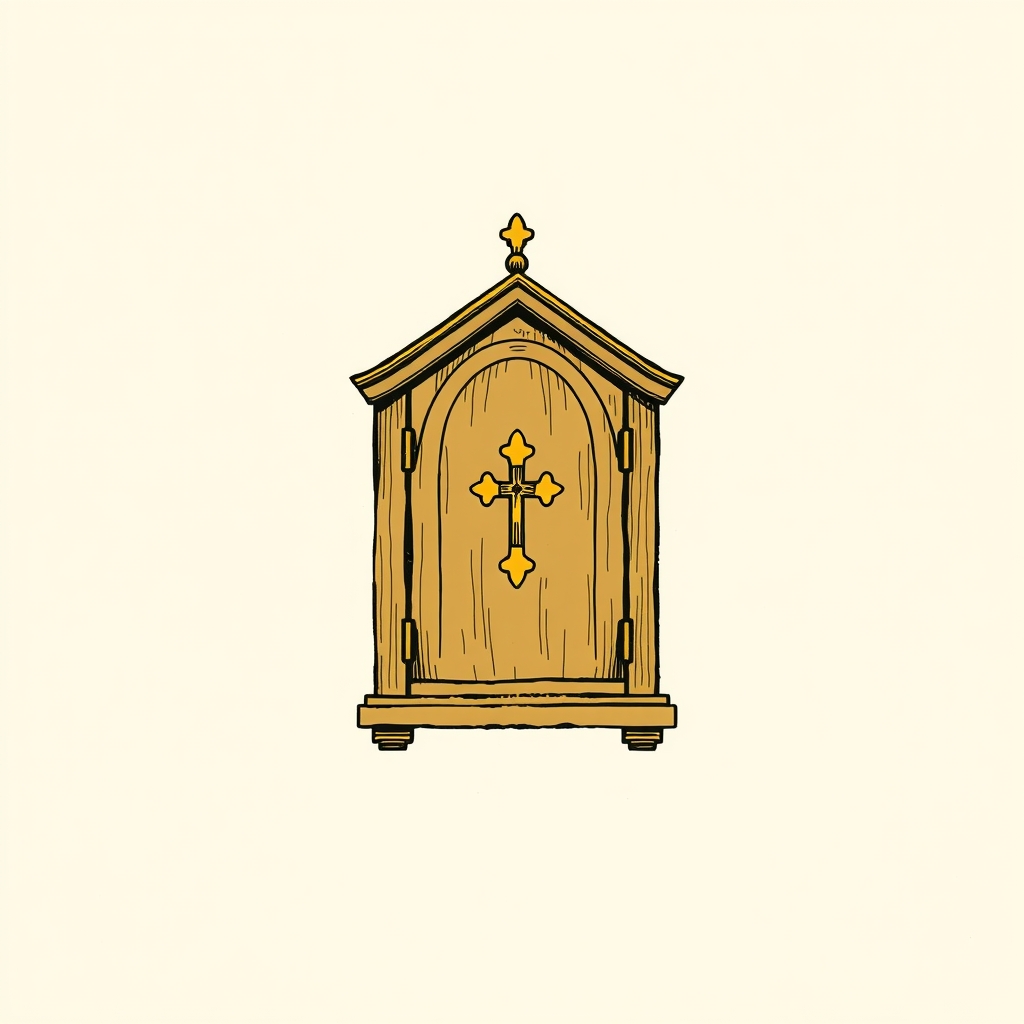
The body of the Trojan virgin rested in the church dedicated to Saint Ursien, and was only removed long after, to be transferred to the abb ey of Montier-la-Celle. He r precious relics (the entire body) are today (1872) enclosed in a gilded wooden reliquary, exposed to the veneration of the faithful in the church of Sainte-Savine . One of her bones is also honored in the parish church of Saint-Mards-en-Othe .
Sources
Mention of the local notes by the historian Defer.
Local notes, Defer .
Iconography
Signs and attributes
Entities
Narrative network
The names, places, and concepts most present in the entry, weighted by centrality in the text.
Frequently asked questions about Saint Exuperance
Who was Saint Exuperance?
A virgin from Troyes in the 4th century, Exuperantia chose to live in solitude at Isle-Aumont to dedicate herself to God. Under the guidance of the religious of Saint-Ursien, she led a life of prayer and silence until her death around 380. Her relics are honored today in Sainte-Savine and Saint-Mards-en-Othe.
How is Saint Exuperance depicted in Christian art?
In iconography, Saint Exuperance is recognizable by: gilded wooden reliquary.
Which saints were contemporaries of Saint Exuperance?
Contemporaries include: Saint Blaise, Saint Hilary of Poitiers, Saint Basil the Great (Archbishop of Caesarea) and Saint Baudilus.
When did Saint Exuperance die?
Saint Exuperance died around 400.
Annexes & related entities
Structured data for exploration: events, miracles, quotes, places, attributes, patronages, and important entities cited in the text.
Key Events
- Born in Troyes
- Vow of virginity and renunciation of human alliances
- Retreat in a solitary place at Isle (Aumont) to flee the tumult of the city
- Life of prayer under the guidance of the religious of Saint-Ursien
- Died around 380