Rafaela Veintemilla Villacis
Rafaela Veintemilla Villacis (Rafaela of the Passion) was an Ecuadorian religious sister, foundress of the Congregation of the Augustinian Daughters of the Most Holy Savior in Lima.
Contemporaries

Figures and markers around the normalized period for this entry.
Guided reading
5 reading sections
Biography
Youth of Rafaela Veintemilla Villacis in Ecuador, her brother's opposition to her vocation, imprisonment, and exile to Peru.
Rafaela María Mercedes Antonia Magdalena de Veintemilla y Villacís was born on March 22, 1836, in Quito, Ecuador. Coming from a wealthy and deeply Christian family, she was the youngest of ten children. Her parents were Ignacio Veintemilla and Josefa Villacís. Her mother, a very devout follower of Saint Mariana de Jesús (the "Lily of Quito"), died when Rafaela was only four years old. At the age of nineteen, she also lost her father. From her youth, Rafaela felt a keen desire to dedicate herself to God. She wished to enter the Poor Clares, but her older brother, General Ignacio de Veintemilla (who would later become president and then dictator of Ecuador), opposed it because he wanted her to manage the family home. Subject to this fraternal authority, she remained in the world while leading a life of prayer and rigorous penance, taking private vows of poverty, chastity, and obedience, and wearing the habit of Saint Mariana de Jesús. In 1882, her brother Ignacio proclaimed himself dictator, which provoked a military uprising the following year. Due to these political upheavals, Rafaela was arrested and imprisoned for eight months without any regard for her rank. In September 1883, after her release, the family was banished from Ecuador. Rafaela then went into exile in Peru and settled in Lima, where she arrived on September 18, 1883, aboard the steamship Islai.
Life and Work
Settlement in Lima, meeting with Father Eustasio Esteban, and foundation of the Congregation of the Augustinian Daughters of the Most Holy Savior.
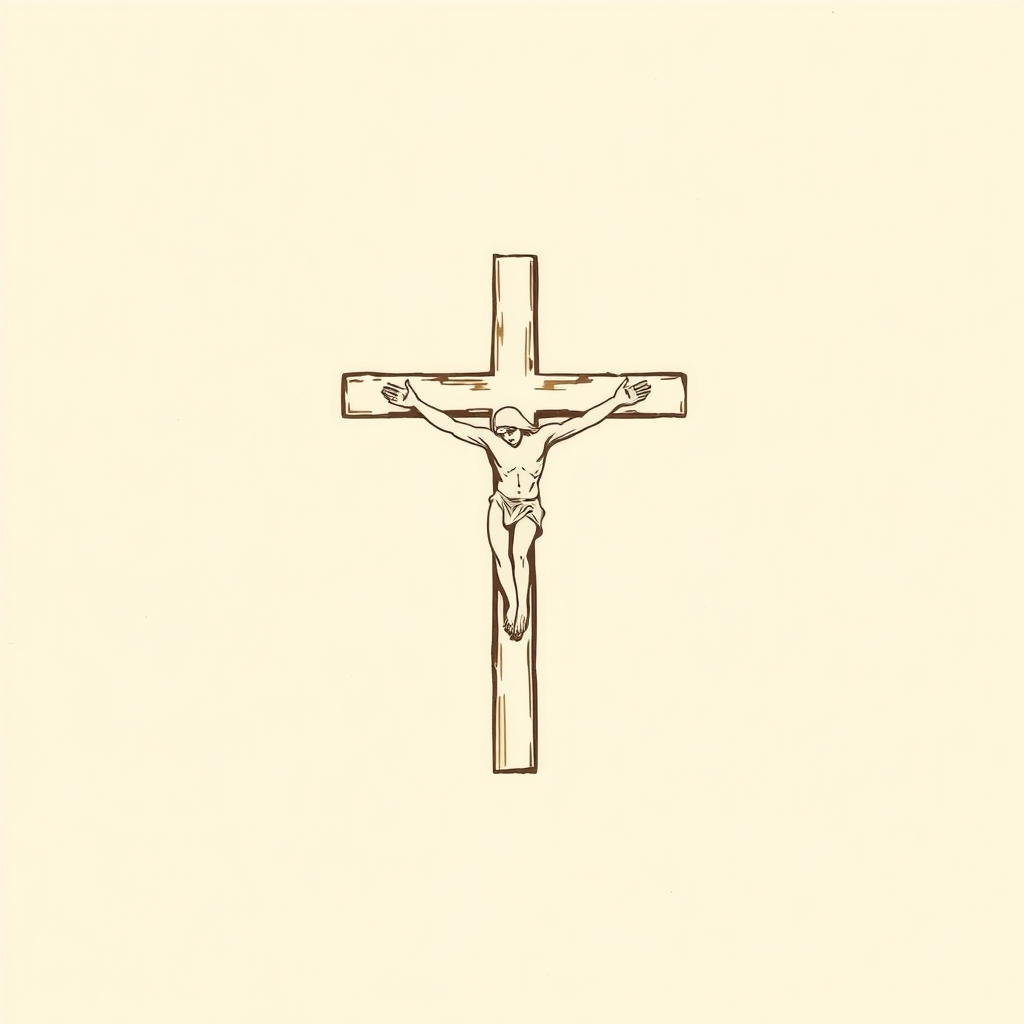
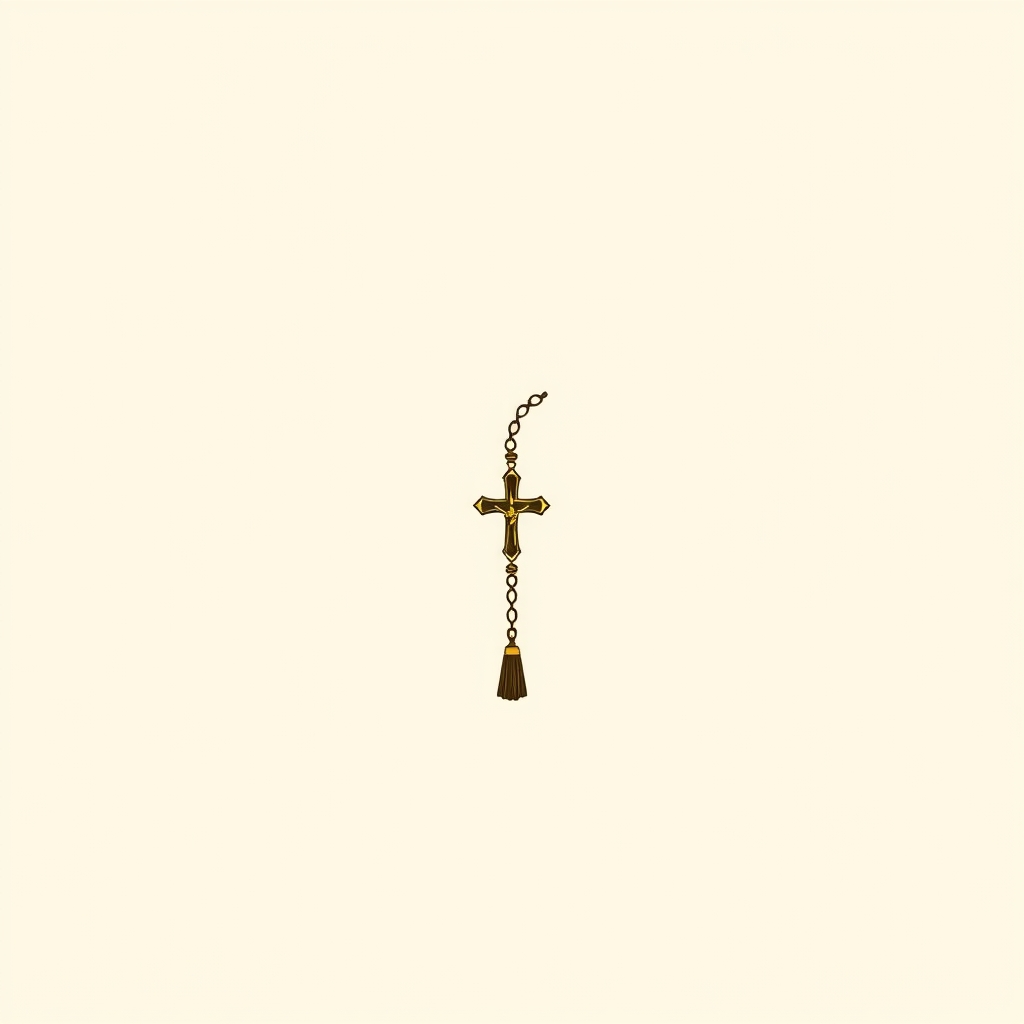
In Lima, Rafaela continued her life of piety and became actively involved in parish works. She enrolled in the Confraternity of the Rosary at the Church of Saint Dominic, of which she became the president. In 1894, she met Father Eustasio Esteban, a Spanish priest of the Order of Saint Augustine (OSA) who had recently arrived in Peru. Under his spiritual direction, she discerned a call to found a new religious family. In 1895, she separated from her family to move into a modest apartment and founded the Congregation of the Augustinian Daughters of the Most Holy Savior (Religiosas Agustinas Hijas del Santísimo Salvador), in collaboration with Father Eustasio Esteban. She then adopted the religious name Rafaela de la Pasión ("Rafaela of the Passion"). The institute's primary mission was the "Holy Work of Preservation" (Santa Obra de la Preservación), which consisted of welcoming, feeding, instructing, and protecting young girls and children in situations of extreme poverty and moral danger. The sisters of the congregation adopted the Rule of Saint Augustine and were distinguished by a life of simplicity, dressed in black with a crucifix on their chest and a rosary at their waist. Despite material difficulties, misunderstandings, and slander, the foundress maintained the work with firmness and devotion.
Path to holiness
Death of Rafaela de la Pasión in 1918 and the successive transfers of her mortal remains to Lima.
After a whole life dedicated to the service of the most destitute and to prayer, Rafaela de la Pasión died holily in Lima on November 25, 1918, at the age of 82. Her mortal remains were first buried in the garden of the convent of Nuestra Señora del Prado in Lima on August 28, 1980. Thirty-five years later, on November 23, 2015, they were transferred to the church of Nuestra Señora de la Consolación, located in the Rímac district of Lima.
Beatification and canonization
History of the beatification process of Rafaela de la Pasión, declared venerable by Pope Francis in 2018.
The cause for the beatification and canonization of Rafaela de la Pasión was introduced in the diocese of Lima. On February 6, 1987, the Congregation for the Causes of Saints granted the nihil obstat for the opening of the diocesan inquiry. The diocesan inquiry was officially opened on March 30, 1987, and closed on April 6, 1989. The decree of validity for the diocesan inquiry was signed on March 6, 1992. The Positio on her heroic virtues was submitted to Rome in 2001. On November 7, 2018, Pope Francis authorized the promulgation of the decree recognizing her heroic virtues, thereby declaring her venerable.
Spirituality and legacy
Augustinian spirituality of Rafaela de la Pasión and the endurance of her work for disadvantaged children.
The spirituality of the Venerable Rafaela de la Pasión is deeply rooted in the Augustinian tradition, centered on the search for God in community, fraternal love, and union with Christ. It is also characterized by an intense devotion to the Passion of the Lord, the Eucharist, and the Virgin Mary. Her legacy endures through the Congregation of the Augustinian Daughters of the Most Holy Savior, which continues to work in Peru and other countries for the education and protection of disadvantaged children and youth, faithful to the charism of its founder.
Iconography
Signs and attributes
Frequently asked questions about Rafaela Veintemilla Villacis
Who was Rafaela Veintemilla Villacis?
Rafaela Veintemilla Villacis (Rafaela of the Passion) was an Ecuadorian religious sister, foundress of the Congregation of the Augustinian Daughters of the Most Holy Savior in Lima.
How is Rafaela Veintemilla Villacis depicted in Christian art?
In iconography, Rafaela Veintemilla Villacis is recognizable by: black habit, crucifix and rosary.
Which saints were contemporaries of Rafaela Veintemilla Villacis?
Contemporaries include: Jesús María Echavarría Aguirre, Pauline of the Agonizing Heart of Jesus, Narcisa de Jesús and Juan de Jesús López y González.
When did Rafaela Veintemilla Villacis die?
Rafaela Veintemilla Villacis died around 1836.
What are the other names of Rafaela Veintemilla Villacis?
Other forms of the name: Rafaela María Mercedes Antonia Magdalena de Veintemilla y Villacís and Rafaela de la Pasión.
Who are the relatives of Rafaela Veintemilla Villacis?
Relatives of Rafaela Veintemilla Villacis: Ignacio Veintemilla (father), Josefa Villacís (mother) and Ignacio de Veintemilla (brother).
Annexes & related entities
Structured data for exploration: events, miracles, quotes, places, attributes, patronages, and important entities cited in the text.
Key Events
- Era / death: 1836-1918
- Decree of venerability by Francis