Son of a king of Scotland in the 13th century, Alexander renounced his crown to follow the example of his sister, Saint Matilda. After learning farm work, he retired incognito as a shepherd at the Cistercian abbey of Foigny in France. He led a life of humility there until his death, revealing his sanctity through a miraculous healing and a glorious apparition.
Contemporaries

Figures and markers around the normalized period for this entry.
Guided reading
4 reading sections
BLESSED ALEXANDER, CISTERCIAN RELIGIOUS,
AT FOIGNY IN THE DIOCESE OF LAON (13th CENTURY).
Royal origins and call to religious life
Son of a King of Scotland, Alexander is exhorted by his sister Saint Matilda to renounce earthly goods to follow the example of his brothers who were already religious.
Blessed Alexander was th e son of a King of Scotland, and the youngest of three brothers who had already embraced the religious life. Saint Matilda, their sister, who also ran in the ways of the Lord, addressed the following speech to young Alexander:
"What! My brother, while we have all exchanged the earth for heaven, will you be the only one of our family to attach yourself to the perishable goods of this world?"
Cistercian humility at Foigny
After an agricultural apprenticeship, Alexander settled in France at the Abbey of Foigny, where he lived hidden as a simple Cistercian shepherd and cheesemaker.
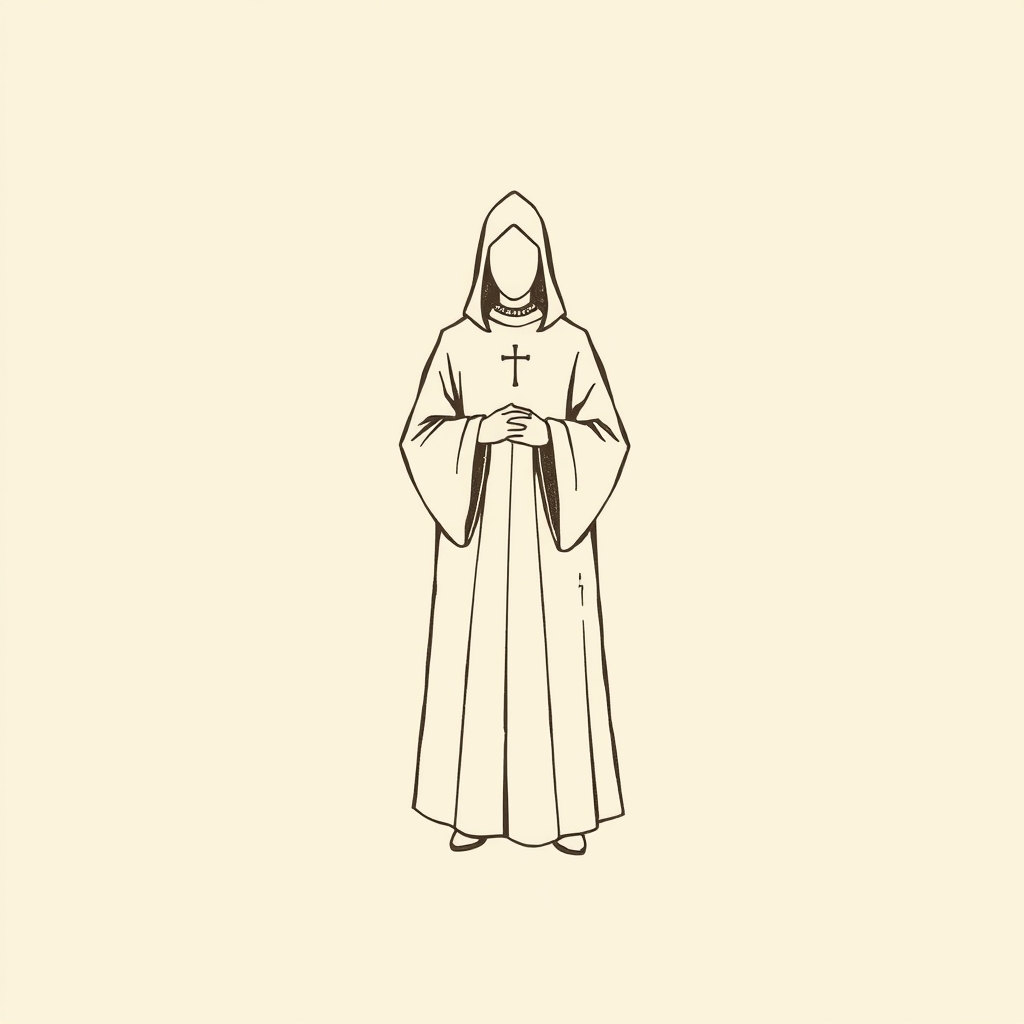
The young man began to weep: the struggle between the flesh and the spirit was painful. In the end, he told his sister "to do with him what she would." The pious princess took him by the hand and led him to a farm where she had him learn to milk, to obtain butter, and to make cheese. When the apprenticeship was finished, both crossed the sea and came to Foigny, in France. The young man en tered the Cistercians as a shepherd and pro ved himself very expert in the art of cheesemaking. He was accepted as such, lived, and died in this humble function. Saint Matilda, upon leaving her brother, had bid him an eternal farewell, observing to him that their sacrifice would be much more pleasing to God if they never saw each other again on earth.
Posthumous miracle and double crown
After his death, he appears to a sick monk, revealing through two crowns his renunciation of earthly royalty for heavenly glory.
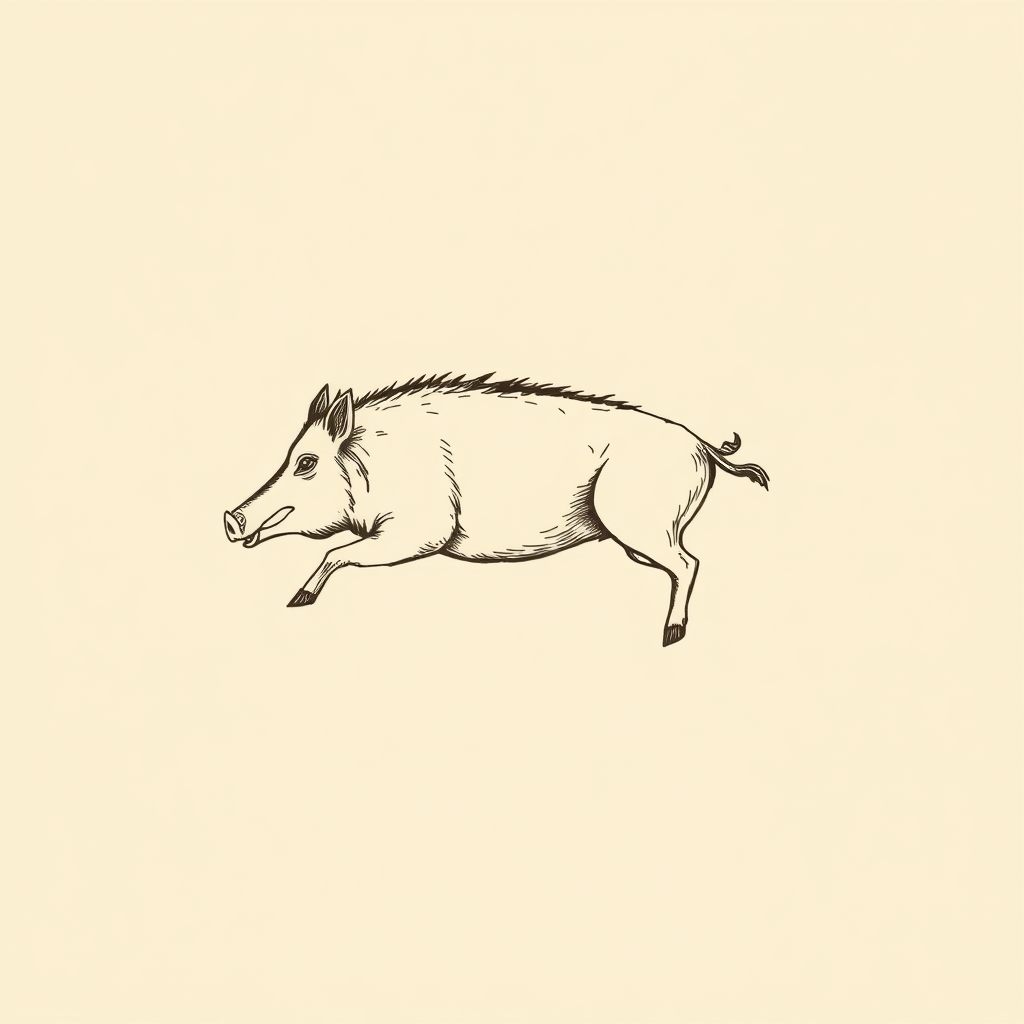
Now, it happened after the death of the blessed Alexander that a religious, afflicted with a chest ailment, had the thought of going to pray at his tomb. The faith of the consumptive was rewarded: the blessed Alexander appeared to him shining like a sun, wearing two crowns, one on his head, the other in his hand. As the religious seemed to ask with his gaze what this double symbol meant, the Blessed one said to him: "The crown that I carry in my hand is the earthly crown that I abandoned for the love of Jesus Christ; the other is that of the elect; it is common to me with all the Saints. To give you confidence in this vision, be healed." He was indeed healed, but only revealed on his deathbed the apparition with which he had been favored. One then recalled a hunting promise of the monastery's shepherd; for one day when an enormous wild boar had crossed into his herd of cows, he asked for his knife from the breathless hunter who was pursuing it and, with a skillfully delivered blow, struck down the animal. By connecting this fact with the vision of the religious, one arrived at an almost certainty. Saint Matilda, moreover, was n ot far away: she had retired to the surroundings in a place named Lapion and from her one learne d the whole truth.
Sources
The account relies on the Acta Sanctorum for the date of May 3rd.
Acta Sanctorum , May 3rd.
Iconography
Signs and attributes



Entities
Narrative network
The names, places, and concepts most present in the entry, weighted by centrality in the text.
The supernatural in their life
The miracles of Blessed Alexander of Foigny
Frequently asked questions about Blessed Alexander of Foigny
Who was Blessed Alexander of Foigny?
Son of a king of Scotland in the 13th century, Alexander renounced his crown to follow the example of his sister, Saint Matilda. After learning farm work, he retired incognito as a shepherd at the Cistercian abbey of Foigny in France. He led a life of humility there until his death, revealing his sanctity through a miraculous healing and a glorious apparition.
What is Blessed Alexander of Foigny the patron saint of?
Patronage of Blessed Alexander of Foigny: shepherds and cheesemakers.
What is Blessed Alexander of Foigny invoked for?
Blessed Alexander of Foigny is invoked for: chest diseases and healing of those with chest diseases.
How is Blessed Alexander of Foigny depicted in Christian art?
In iconography, Blessed Alexander of Foigny is recognizable by: two crowns (one on his head, one in his hand), shepherd's or Cistercian habit, cheese, knife and slain wild boar.
What miracles are attributed to Blessed Alexander of Foigny?
2 miracles are attributed to this saint, notably: Healing and Sign / wonder.
Which saints were contemporaries of Blessed Alexander of Foigny?
Contemporaries include: Saint Anthony of Padua (Ferdinand), Saint Arthaud of Belley, Saint Thomas Aquinas and Saint Bernard of Clairvaux.
When did Blessed Alexander of Foigny die?
Blessed Alexander of Foigny died around 1300.
Who are the relatives of Blessed Alexander of Foigny?
Relatives of Blessed Alexander of Foigny: Roi d'Écosse (father), Sainte Mathilde (sister) and Inconnus (brothers (two, religious)).
Annexes & related entities
Structured data for exploration: events, miracles, quotes, places, attributes, patronages, and important entities cited in the text.
Key Events
- Renunciation of the Scottish throne following his sister's advice
- Learning farm work (milking, cheesemaking)
- Travel to France and entry into Foigny Abbey
- Hidden life as a shepherd and cheesemaker with the Cistercians
- Posthumous apparition to a sick religious
Quotes
-
The crown I hold in my hand is the earthly crown I abandoned for the love of Jesus Christ; the other is that of the elect.
Words reported during the apparition to the sick religious