Giuseppe Marcinò
Italian Capuchin priest (1589-1655), zealous preacher and Minister General of his order, he was a great peacemaker and propagator of Eucharistic devotion.
Contemporaries

Figures and markers around the normalized period for this entry.
Guided reading
5 reading sections
Biography
Youth, entry into the Capuchins, and formation of Giuseppe Marcinò.
Giuseppe Marcinò was born on October 24, 1589, in Caltagirone, Sicily, into a wealthy and pious family. He was the son of Pietro Marcinò and Laura Barone. Of the nine children in the family, eight dedicated themselves to religious life, with five choosing to become Capuchins. After receiving a solid humanist education from the Jesuit fathers in his hometown, Giuseppe felt the call to religious life. On September 7, 1607, he entered the novitiate of the Order of Friars Minor Capuchin at the convent of San Filippo d'Agira, where he took the religious name of Fra' Innocenzo (Innocent). He continued his studies in philosophy and theology at the convents of Vizzini, Syracuse, and Malta. It was in Malta that he was ordained a priest in 1613. Desirous of going on a mission, he traveled to Rome from 1615 to 1617 to deepen his theology and study Hebrew and Arabic. However, a serious illness forced him to abandon his missionary plans and return to Sicily. Back on his native island, he taught Hebrew at the public high school in Syracuse in 1617, and then theology, logic, and philosophy in various convents of the province of Syracuse between 1619 and 1629.
Life and work
Preaching ministry, responsibilities within the Capuchin Order, and diplomatic missions.
Father Innocenzo da Caltagirone quickly distinguished himself through his oratorical talents and pastoral zeal. He preached seventeen Lenten seasons throughout Sicily, attracting considerable crowds. He actively promoted Eucharistic devotion, notably through the introduction and dissemination of the Quarant'Ore prayer (the Forty Hours of continuous adoration of the Blessed Sacrament). His spiritual and administrative qualities led him to hold high offices within his order: Provincial Minister of Syracuse (1635-1638), Visitor and Provincial Minister of Messina (1638-1640), and Provincial Minister of Otranto (1642-1643). On May 22, 1643, during the general chapter held in Rome, he was elected Minister General of the Capuchin Order, succeeding Giovanni da Moncalieri. During his seven-year term (1643-1650), he visited almost all the provinces of the order in Western Europe on foot and barefoot, accompanied by the lay brother Francesco Cascio. In 1647, he was sent by Pope Innocent X as a peace envoy to the courts of France and Spain. During his travels, he collected and authenticated more than 150 relics of saints, including relics of Saint Lucy offered by Archduchess Claudia de' Medici. At the end of his mandate, he retired to the convent of Caltagirone in 1651, where he died on November 16, 1655.
Path to Sainthood
Reputation for holiness and stages of the beatification process.
During his lifetime, Father Innocenzo da Caltagirone enjoyed an immense reputation for holiness. Due to the numerous miracles, unexplained healings, and gifts of prophecy attributed to him (notably during his generalate), the people nicknamed him "the wonder-worker of the earth" (il taumaturgo della terra). Although the collection of documents and testimonies began as early as 1664 under the impetus of Minister General Fortunato da Cadore, the diocesan informative process was not officially opened until 1890. The process was validated by the Congregation for the Causes of Saints in 1992, and the Positio super virtutibus (the file documenting the heroic nature of his virtues) was officially submitted in Rome on February 12, 1996.
Beatification and canonization
Recognition of the heroic nature of his virtues by Pope Benedict XVI.
On April 3, 2009, Pope Benedict XVI received in private audience the Prefect of the Congregation for the Causes of Saints and authorized the promulgation of the decree recognizing the heroic nature of the virtues of Giuseppe Marcinò (in religion Innocenzo da Caltagirone), thus conferring upon him the title of Venerable. His spoglie (mortal remains) rest in the chapel dedicated to him within the church of the Capuchin convent of Caltagirone, which remains to this day an important place of pilgrimage for the faithful.
Spirituality and legacy
Franciscan spiritual legacy and commemorations.
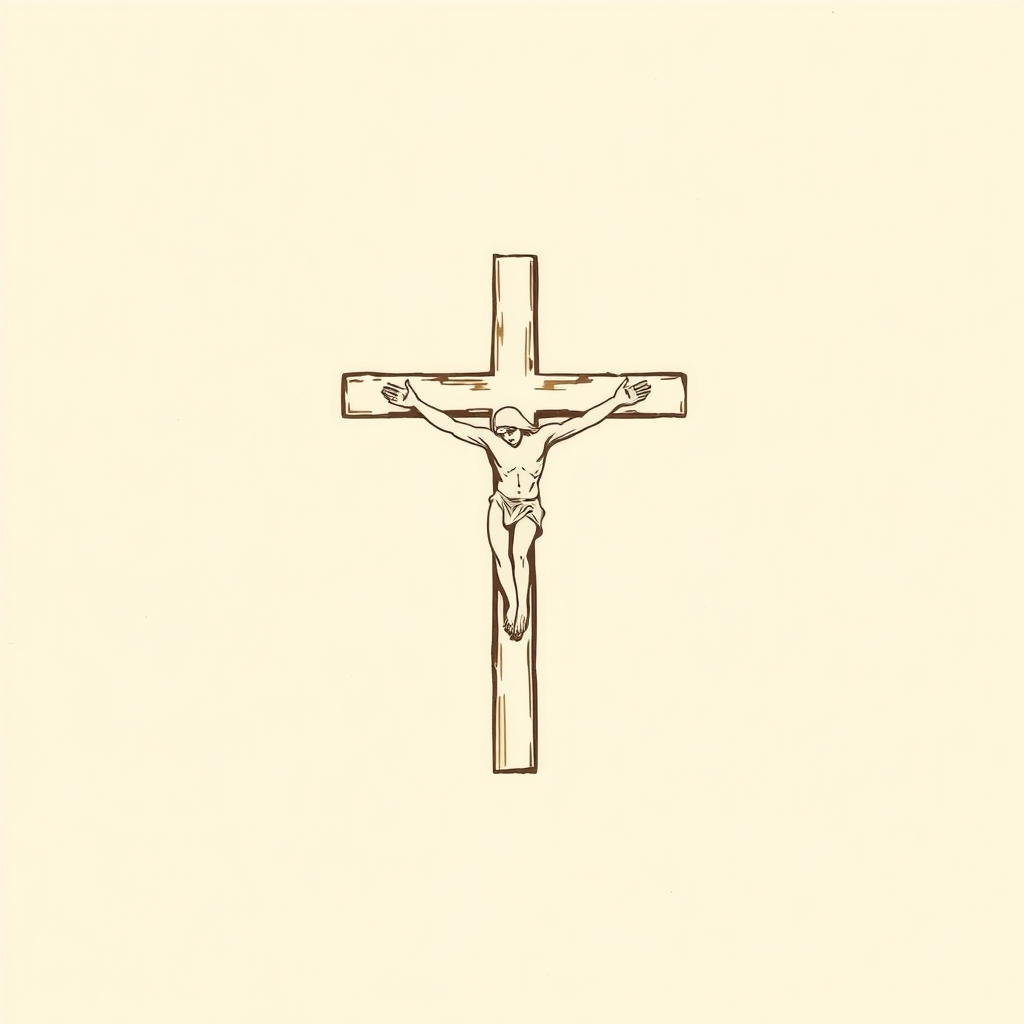
The spirituality of the Venerable Innocenzo da Caltagirone is deeply rooted in the Franciscan charism of poverty, humility, and simplicity. Even when he held the supreme office of Minister General of his order, he took care to perform the humblest tasks, such as washing dishes in the kitchen at the convent in Rome. He nurtured an intense devotion to Christ crucified (he is traditionally depicted holding a crucifix in his hand) and an ardent love for the Eucharist, which he strove to propagate through preaching and adoration. A peacemaker, he left his mark on the history of the Order of Capuchins through his rigorous pastoral visits and his constant concern for fidelity to the Rule of Saint Francis. Every year, on the last Sunday of September, the Capuchin province of Sicily and the city of Caltagirone celebrate his solemn commemoration in the presence of numerous pilgrims.
Iconography
Signs and attributes
Frequently asked questions about Giuseppe Marcinò
Who was Giuseppe Marcinò?
Italian Capuchin priest (1589-1655), zealous preacher and Minister General of his order, he was a great peacemaker and propagator of Eucharistic devotion.
How is Giuseppe Marcinò depicted in Christian art?
In iconography, Giuseppe Marcinò is recognizable by: Crucifix.
Which saints were contemporaries of Giuseppe Marcinò?
Contemporaries include: María de Jesús López Rivas, Mariana de Jesús de Paredes, Blessed Mariana de Jesús (de Paredes y Flores) and Saint Francis de Sales (Bishop and Prince of Geneva).
When did Giuseppe Marcinò die?
Giuseppe Marcinò died around 1655.
What are the other names of Giuseppe Marcinò?
Other forms of the name: Innocenzo da Caltagirone, fra' Innocenzo and Innocent de Caltagirone.
Who are the relatives of Giuseppe Marcinò?
Relatives of Giuseppe Marcinò: Pietro Marcinò (father) and Laura Barone (mother).
Annexes & related entities
Structured data for exploration: events, miracles, quotes, places, attributes, patronages, and important entities cited in the text.
Key Events
- Era / death: 1589-1655
- Decree of venerability by Benedict XVI