Rosella Stàltari
Italian religious sister (1951-1974) of the congregation of the Daughters of Mary Most Holy Co-Redemptrix, declared Venerable by Pope Francis.
Contemporaries

Figures and markers around the normalized period for this entry.
Guided reading
5 reading sections
Biography
Birth of Rosa Stàltari in Antonimina in 1951, early maternal orphan, raised at the Vincenzo Scannapieco Institute in Locri.
Rosa Stàltari, affectionately called "Rosella", was born on May 3, 1951, in Antonimina, a village in the province of Reggio Calabria, Italy. Coming from a very modest but deeply Christian family, she was the daughter of Antonio Staltari and Maria Reale. Her life was marked from early childhood by bereavement: her mother passed away when she was only two years old. Her father, unable to provide for her needs alone and wishing to ensure her a serene upbringing, entrusted her to the "Vincenzo Scannapieco" Institute in Locri, an establishment for abandoned children managed by the Daughters of Our Lady of Mount Calvary. Rosella remained there until the age of fourteen, receiving a solid Christian education and obtaining her middle school diploma (licenza media).
Life and work
Studies in Reggio Calabria, entry into the Daughters of Mary Most Holy Co-Redemptrix, and mission as a teacher in Palermo.
In 1965, Rosella was welcomed in Reggio Calabria into the "Maria Mater Gratiae" institute (also called "Maria Mater Divinae Gratiae"). This establishment was directed by a recently founded religious congregation: the Daughters of Mary Most Holy Co-Redemptrix (Figlie di Maria Santissima Corredentrice). She continued her studies there and in 1968 obtained a diploma as a business secretary as well as a qualification to teach in nursery schools. During this period, she had the decisive meeting with the founder of the congregation, Father Vittorio Dante Forno, whom she chose as her spiritual director, and the co-founder, Sister Maria Salemi. Attracted by the charism of the institute, she asked to be admitted. After two years of postulancy, she began her novitiate on July 2, 1972, and pronounced her temporary vows on July 2, 1973. Shortly after her religious profession, in 1973, she was sent to Palermo, in Sicily, to work as a teacher for children, particularly orphans, at the "Pietro Ardizzone" institute. Despite fragile health, subject to frequent convulsive seizures and fainting spells, she gave of herself without counting the cost, willingly taking on the humblest tasks to relieve her sisters.
Path to holiness
Rosella's premature death in 1974 in Palermo and the opening of her diocesan inquiry in 2002.
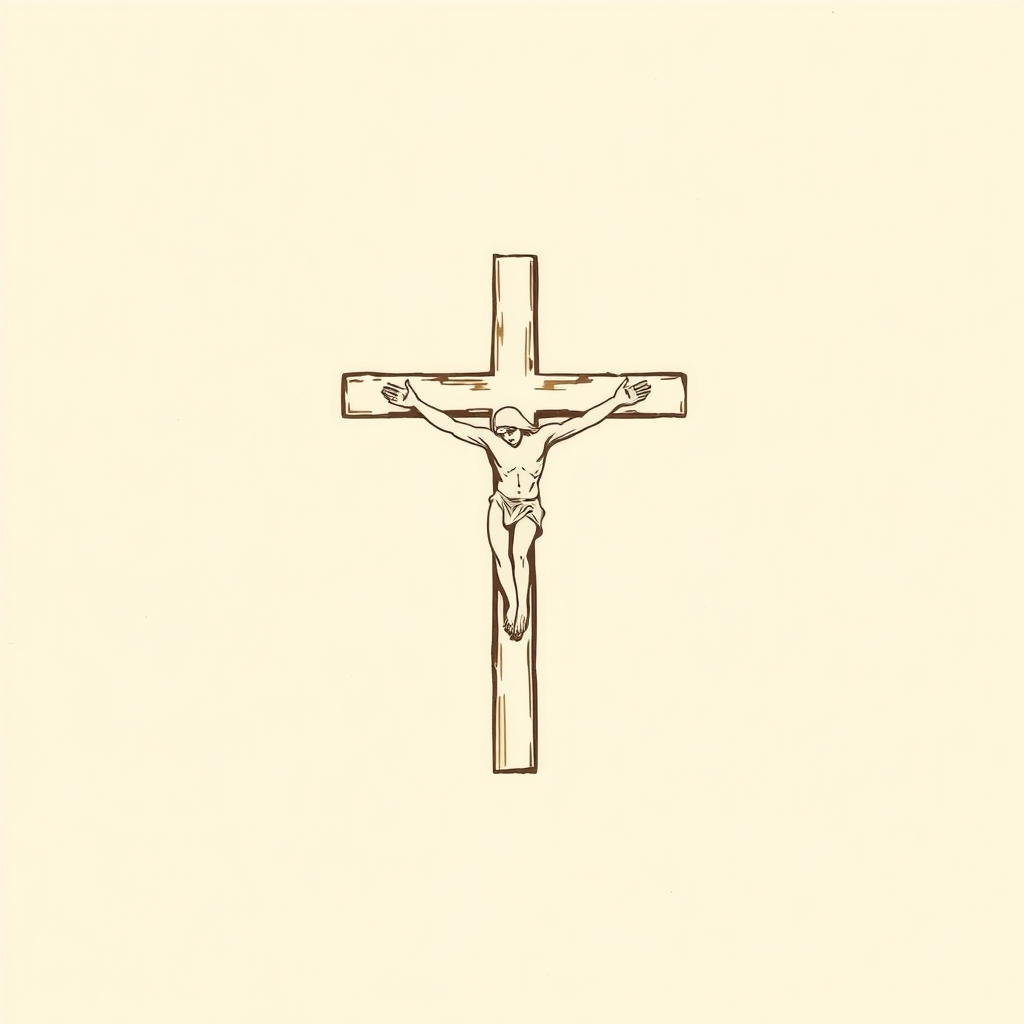
Rosella's earthly life ended in a sudden and premature manner. During the night of January 3 to 4, 1974, at only 22 years of age, she passed away peacefully in her bed in Palermo. The following morning, a fellow sister discovered her lifeless, holding a small statuette of the Virgin Mary clutched in her hands and wearing her religious profession crucifix around her neck.
The reputation of holiness of the young nun spread rapidly, both in her native Calabria and in Sicily. On September 24, 2002, the diocesan inquiry for her beatification was officially opened in the Diocese of Locri-Gerace. This investigative phase concluded on October 14, 2006.
Beatification and canonization
Recognition of her heroic virtues by Pope Francis in 2020 and the instruction of a process for a miracle.
On December 21, 2020, Pope Francis authorized the Congregation (now Dicastery) for the Causes of Saints to promulgate the decree recognizing the heroic nature of her virtues, thus conferring upon her the title of Venerable.
A diocesan process concerning an alleged miracle attributed to her intercession was also instructed and closed at the diocesan level, paving the way for the examination of her cause for a future beatification.
Spirituality and legacy
Spirituality of offering and humility, and the creation of the Rosella Staltari Volunteer Association in 2017.
The spirituality of Rosella Stàltari is deeply rooted in the charism of the Daughters of Mary Most Holy Co-Redemptrix, which consists of offering oneself to God in union with the Virgin Mary at the foot of the Cross, particularly to support the ministry of priests. Rosella lived this total gift in the simplicity, humility, and silence of daily life, defining herself in her writings as the "onniniente" (the all-nothing) abandoning herself into the hands of the All. Her spiritual legacy remains very much alive, particularly through the "Rosella Staltari" Volunteer Association, founded on July 14, 2017, with the support of her congregation, which strives to disseminate her writings, promote her spirituality, and carry out concrete solidarity actions for families and vulnerable people.
Iconography
Signs and attributes
Frequently asked questions about Rosella Stàltari
Who was Rosella Stàltari?
Italian religious sister (1951-1974) of the congregation of the Daughters of Mary Most Holy Co-Redemptrix, declared Venerable by Pope Francis.
How is Rosella Stàltari depicted in Christian art?
In iconography, Rosella Stàltari is recognizable by: crucifix and statuette of the Virgin Mary.
Which saints were contemporaries of Rosella Stàltari?
Contemporaries include: Pauline of the Agonizing Heart of Jesus, Felipe de Jesús Munárriz and 50 companions, Mariano de Jesús Euse Hoyos and Teresa of Jesus of the Andes.
When did Rosella Stàltari die?
Rosella Stàltari died around 1974.
What are the other names of Rosella Stàltari?
Other forms of the name: Rosa Stàltari and Rosella.
Who are the relatives of Rosella Stàltari?
Relatives of Rosella Stàltari: Antonio Staltari (father) and Maria Reale (mother).
Annexes & related entities
Structured data for exploration: events, miracles, quotes, places, attributes, patronages, and important entities cited in the text.
Key Events
- Era / death: 1951-1974
- Decree of venerability by Francis