Saint Kentigern
Mungo
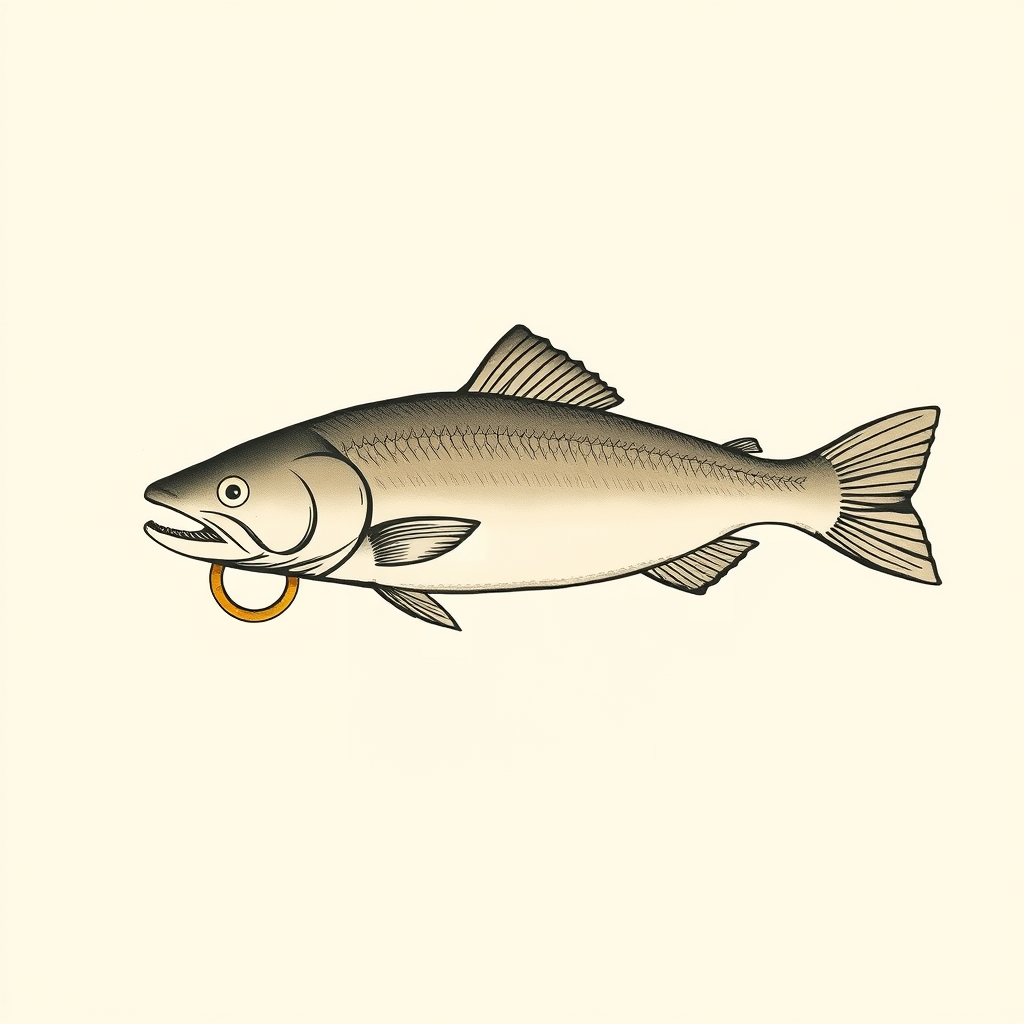
Bishop of Glasgow in the 6th century, Kentigern (known as Mungo) was a great evangelizer of Scotland and Northern Europe. After an exile in Wales where he founded a famous monastery, he returned to organize the Scottish Church. He is famous for his miracles involving animals, notably the salmon with the ring featured on the coat of arms of Glasgow.
Contemporaries

Figures and markers around the normalized period for this entry.
Guided reading
5 reading sections
SAINT KENTIGERN, BISHOP OF GLASGOW (601).
Youth and Vocation
Born of Pictish royal blood, Kentigern was trained by Saint Serf before retiring as a hermit near Glasgow, where he was eventually elected bishop.
Born around the ye ar 516, K entigern was of the royal blood of the Picts, and was placed from his tenderest youth under the guidance of Saint Serf, abbot and bishop of Culross. The innocence of his manners, his gentleness, and his piety made him dear to all who knew him; which caused him to be give n the nickname Mongho, which means the beloved. Having retired to a deser t near Glasghu, where he led a very austere life, he was obliged to leave his solitude and yield to the entreaties of the clergy and the people who requested him as bishop.
Episcopacy and Evangelization
Bishop of Glasgow, he traveled his diocese on foot to convert the pagans, teach agriculture, and fight against the Pelagian heresy.
After his consecration, he gathered at Glasgho, today Glasgow, a large number of pious people who retraced the life of the first Christians. He often visited his vast diocese, and always on foot, spreading the light of the Gospel everywhere; everywhere, too, spreading the lights of civilization, everywhere teaching the Scottish highlanders to clear their lands. The pagans, touched by his instructions, renounced their false gods, and came in crowds to ask for baptism. His zeal was not limited to destroying idolatry, but he applied himself to maintaining the purity of the faith among his flock and to preserving it from Pelagianism, which was t hen making p rogress in Scotland.
The apostolic labors of Saint Kentigern were animated by the spirit of prayer which had led him to make it a rule to recite the entire choir office every day. He also engaged in other practices of piety, and afflicted his body with astonishing martyrdoms, spending all of Lent in solitude where he communed only with God. As he burned with the desire to extend the kingdom of Jesus Christ, he formed disciples whom he sent to preach the faith in the North of Scotland, the Orkney Islands, Norway, and Iceland.
Exile and foundation in Wales
Forced into exile by King Morcant, he took refuge in Wales with Saint David and founded the monastery of Klenalwy.
The pious Byddech Haë l, King of the Southern Picts, having been dethroned by the impious Morcant, the holy bishop of Glasgow, of whom he was a relative and protector, was forced to take refuge in 512 among the Britons of Wales. He spent some time with Saint D avid at Men evia, then went to found, at the confluence of the Elwy and Clyde rivers, a monastery which was named Klenalw y. He es tablished a school there which became famous and from which emerged a great number of figures renowned for their virtues and their learning. Soon there were up to nine hundred and sixty religious divided into three classes: the first, of those who had not studied and who were employed in agricultural work; the second, which was hardly more literate, was in charge of domestic tasks; the third, composed of the most educated, had the duty of performing the divine office, and it was divided into several sections which succeeded one another in the choir, to sing the praises of God without interruption day and night.
Return and end of life
Returning to Glasgow, he met Saint Columba and continued his pastoral work until his death in 601.
Kentigern entrusted the government of this numerous community to Saint Asaph, the most illustrious of his disciples, who founded a bishopric to which his name was given, and who wrote the Life of his master. Byddech having been restored to his throne after the death of the usurper Morcant, Saint Kentigern returned to Glasgow around the year 509, and, in 505, he had a conference with Saint Columba, who was evangelizing the northern Picts, to whom the holy bishop had already sent missionaries. Byddech and his successors had such confidence in our Saint that they undertook nothing without consulting him. They supported his pious projects for the good of religion. Saint Kentigern died in 601, at the age of eighty-five, and was buried in the cat hedral of Glasgow, wh ich chose him as its principal patron. His tomb has always been held in great veneration there until the establishment of Calvinism in Scotland.
Miracles and iconography
Tradition reports several miracles, notably the plowing with a wolf and the discovery of a ring in a salmon, symbols of Glasgow.
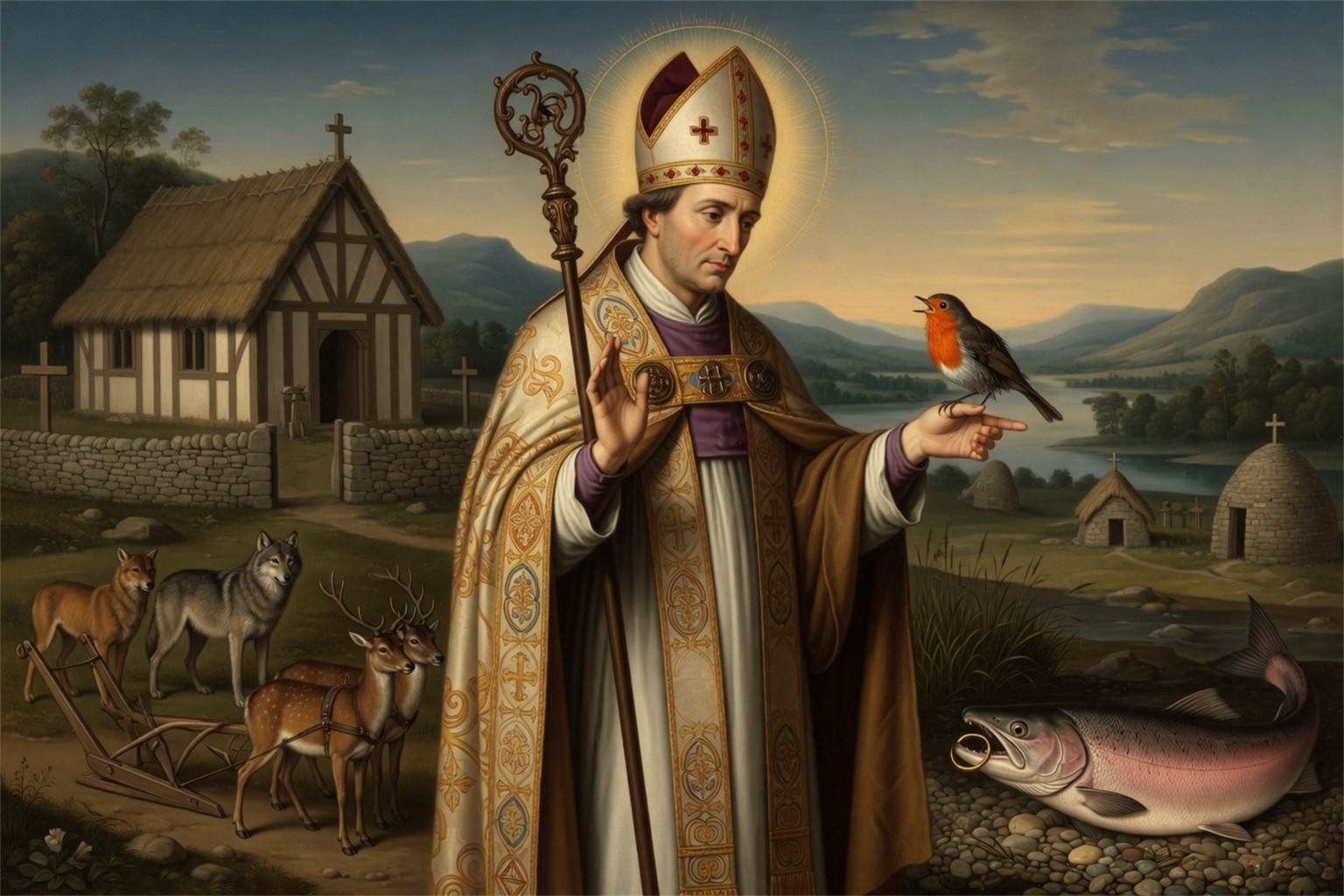
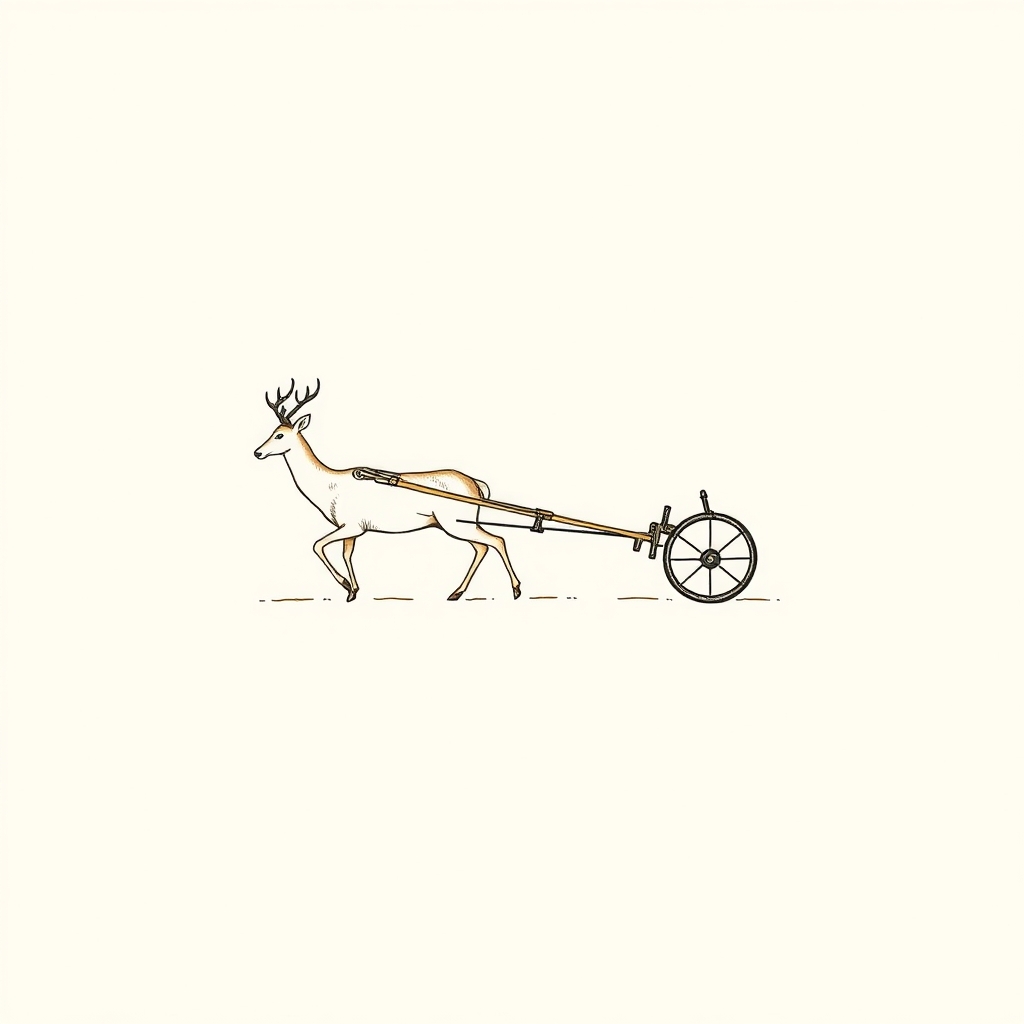
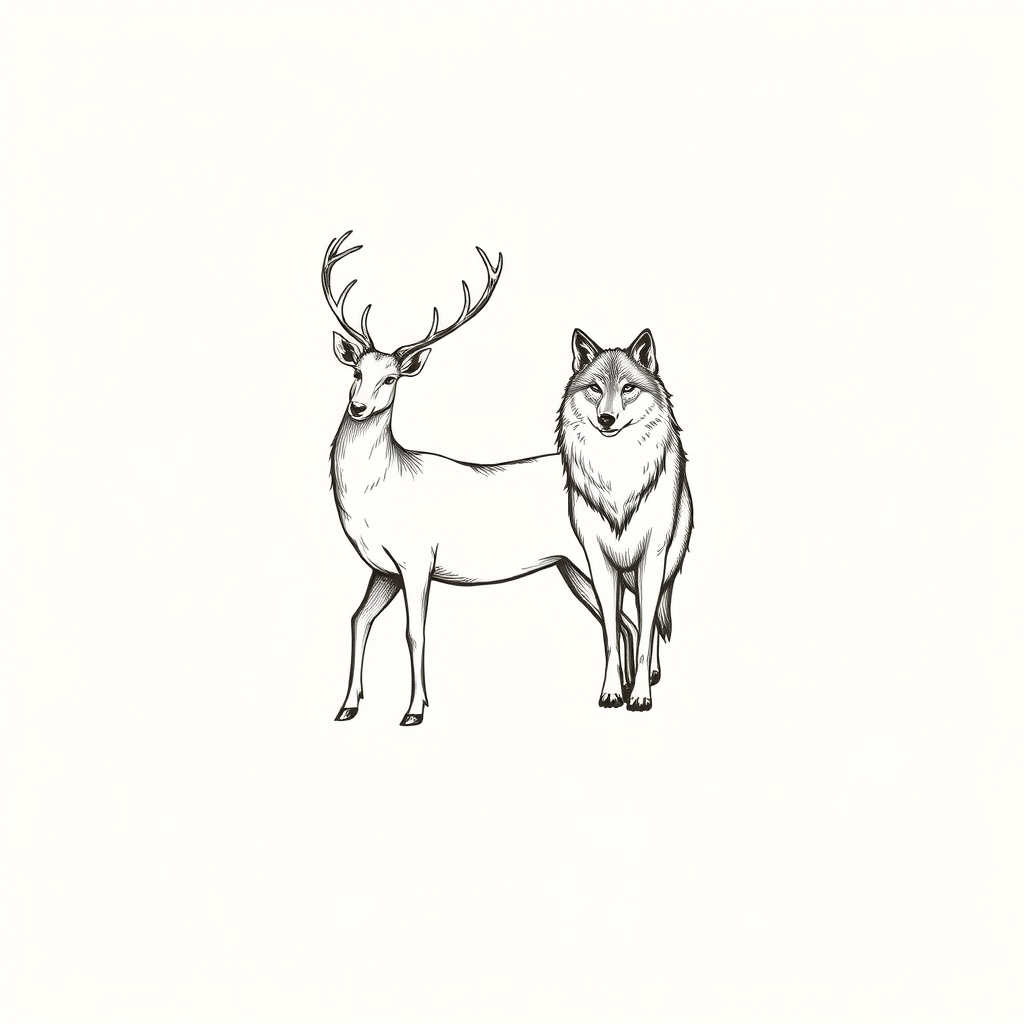
Saint Kentigern has been depicted driving a plow pulled by deer, or by a deer and a wolf. It is said that a cattle plague having taken away the monastery's teams, it was impossible to carry out the sowing. Saint Kentigern called a herd of deer that roamed the nearby forest and transformed them into draft animals for the plow. But a wolf, tempted by the ease of snatching these animals thus chained, came one fine day to make its first meal of one of them, while waiting to be able to crunch the second: but it had reckoned without their owner. The latter ordered the wolf to take the place of the deer it had devoured, and thus the plowing could continue. There is more than a legend here: it is a living image of the apostolic labors of Saint Kentigern, who had encountered in the mountains of Scotland only men as cruel as the wolves, whom he made into Christians as gentle as lambs.
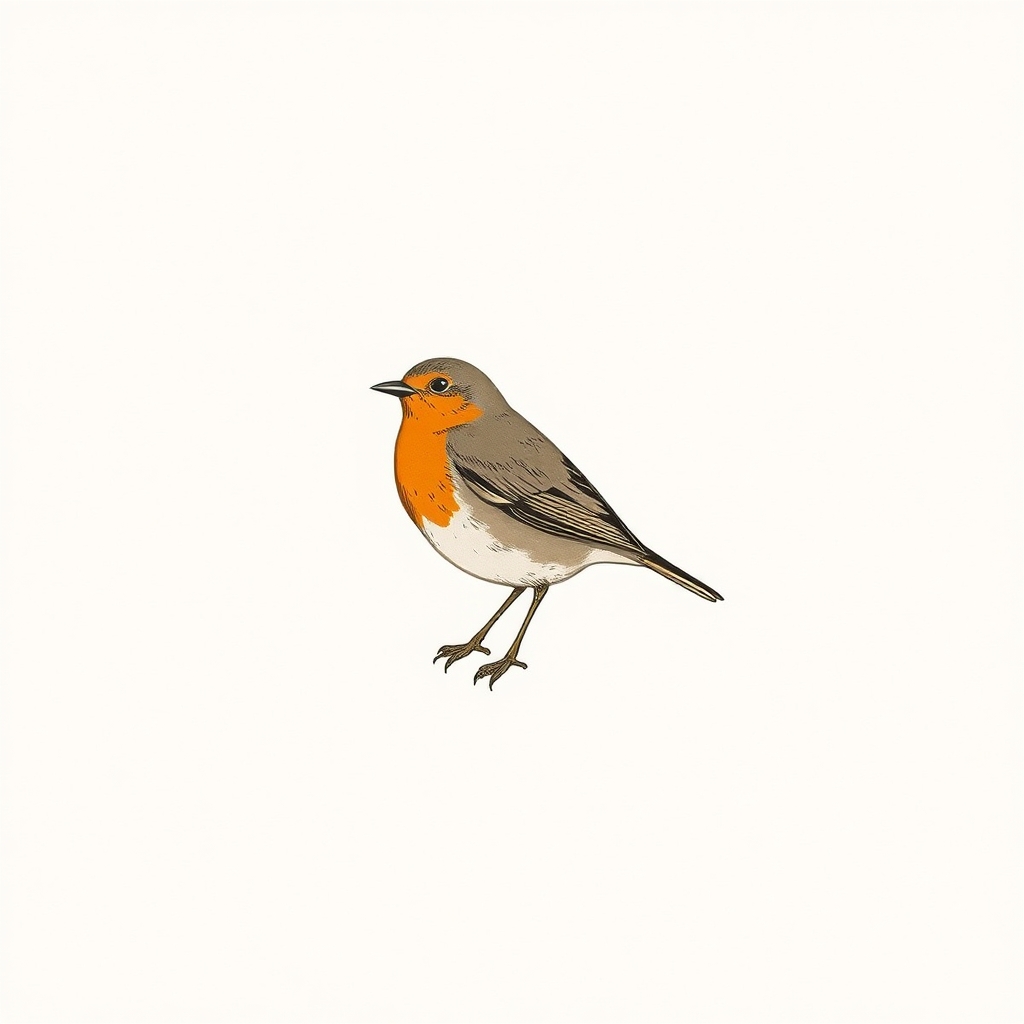
We also see Saint Kentigern restoring life to a bird; this bird belonged to the teacher who formed his childhood. Now, our Saint had received the mission of feeding it. One fine day, one of his fellow students had the damnable idea of wringing the neck of the bird; fearing the rod and the loud voice of the magister, Saint Kentigern prayed to God to restore life to the animal and was heard. — Fish also played a role in the life of this friend of God: a woman had lost her wedding ring, which she valued highly. Desperate, she went to pray to our Saint to intercede on her behalf; he prayed, and a salmon came to deposit the ring on the sand of the shore of the Clyde. There is a salmon in the coat of arms of the city of Glasgow, and it is claimed that its adoption dates back to this charitable act of the great bishop.
Iconography
Signs and attributes
Entities
Narrative network
The names, places, and concepts most present in the entry, weighted by centrality in the text.
The supernatural in their life
The miracles of Saint Kentigern (Mungo)
Frequently asked questions about Saint Kentigern (Mungo)
Who was Saint Kentigern (Mungo)?
Bishop of Glasgow in the 6th century, Kentigern (known as Mungo) was a great evangelizer of Scotland and Northern Europe. After an exile in Wales where he founded a famous monastery, he returned to organize the Scottish Church. He is famous for his miracles involving animals, notably the salmon with the ring featured on the coat of arms of Glasgow.
What is Saint Kentigern (Mungo) the patron saint of?
Patronage of Saint Kentigern (Mungo): Glasgow.
What is Saint Kentigern (Mungo) invoked for?
Saint Kentigern (Mungo) is invoked for: protection of draft animals and finding lost objects (allusion to the ring).
How is Saint Kentigern (Mungo) depicted in Christian art?
In iconography, Saint Kentigern (Mungo) is recognizable by: plough drawn by deer, deer and wolf, resurrected bird (robin) and salmon with a ring in its mouth.
What miracles are attributed to Saint Kentigern (Mungo)?
3 miracles are attributed to this saint, notably: Sign / wonder and Resurrection.
Which saints were contemporaries of Saint Kentigern (Mungo)?
Contemporaries include: Saint Priest (Prix), Saint Gregory the Great (Pope and Doctor of the Church), Saint Die (Didier, Deodat) and Saint Augustine of Canterbury.
When did Saint Kentigern (Mungo) die?
Saint Kentigern (Mungo) died around 601.
What are the other names of Saint Kentigern (Mungo)?
Other forms of the name: Mongho and Mungo.
Who are the relatives of Saint Kentigern (Mungo)?
Relatives of Saint Kentigern (Mungo): Byddech Haël (parent).
Annexes & related entities
Structured data for exploration: events, miracles, quotes, places, attributes, patronages, and important entities cited in the text.
Key Events
- Born circa 516
- Education by Saint Serf at Culross
- Retreat in a wilderness near Glasgow
- Consecrated as Bishop of Glasgow
- Exile to Wales in 512 following the usurpation by Morcant
- Foundation of the monastery of Llanelwy
- Return to Glasgow around 509 (conflicting text date)
- Meeting with Saint Columba in 505 (conflicting text date)
- Died in 601 at the age of 85