Saint Bardon of Mainz
A monk of Fulda who became Archbishop of Mainz in the 11th century, Bardon was distinguished by his monastic austerity and immense charity toward the poor. Close to Emperors Conrad and Henry III, he received a visit from Pope Leo IX and publicly predicted the date of his own passing.
Contemporaries

Figures and markers around the normalized period for this entry.
Guided reading
6 reading sections
SAINT BARDON, ARCHBISHOP OF MAINZ (1051).
Youth and formation at Fulda
Born in Wetterau, Bardon was educated at the abbey of Fulda where he studied the writings of Saint Gregory the Great with passion, sensing his future episcopate.
Born in Wetterau, towards the end of the 1 0th century, he was raised in the famous a bbey of Fulda. By a sort of presentiment of his future elevation, he studied with ardor, in his youth, the works of S aint Gregory the Great, and when his companions asked him the reason for this predilection for the writings of the holy Pope: "You will see," he would answer them laughing, "that one day I will be a bishop."
Elevation to the Episcopate
A protégé of Emperor Conrad, he directed the abbeys of Kaiserswerth and Hersfeld before being appointed Archbishop of Mainz in 1034.
Emperor Conrad, w ho was fond of him and who had successively appointed him abbot of Kaiserswerth and Hersfeld, designated him in 1034 for the bishopric of Mai nz.
Austerity and Papal Counsel
Bardon led a life of extreme deprivation that impaired his health, prompting Pope Leo IX to urge him to moderate his asceticism.
Bardon continued, in his new dignity, the simple and austere life he had led in the cloister. He never ate meat, drank barely a few drops of wine, fasted frequently, and practiced many other austerities, which, combined with his usual labors, so impaired his health that Pope Leo IX, who visited him while pass ing through Mai nz, strongly urged him to follow a less rigorous regimen, in order to preserve himself longer for his Church.
Devotion to the indigent
The archbishop dedicates his time and resources to the poor, transforming his palace into a refuge for the needy.
His charity for the poor knew no bounds; his palace was continually filled with indigent people who came to solicit aid, and when he went out, he was always escorted by a crowd of unfortunate souls who showered him with blessings.
End of life and revelation
After publicly announcing his death in Paderborn before Emperor Henry III, Bardon passed away on June 11, 1051.
Having known the day of his death through revelation, he announced it publicly on the day of Pentecost in Paderborn, in the pre sence of Emperor Hen ry III. He indeed died on June 11, 1051.
Documentary sources
The account is based on the Acta Sanctorum and the works of Godescard.
Acta Sanctorum. — Cf. Godescard, etc.
Iconography
Signs and attributes
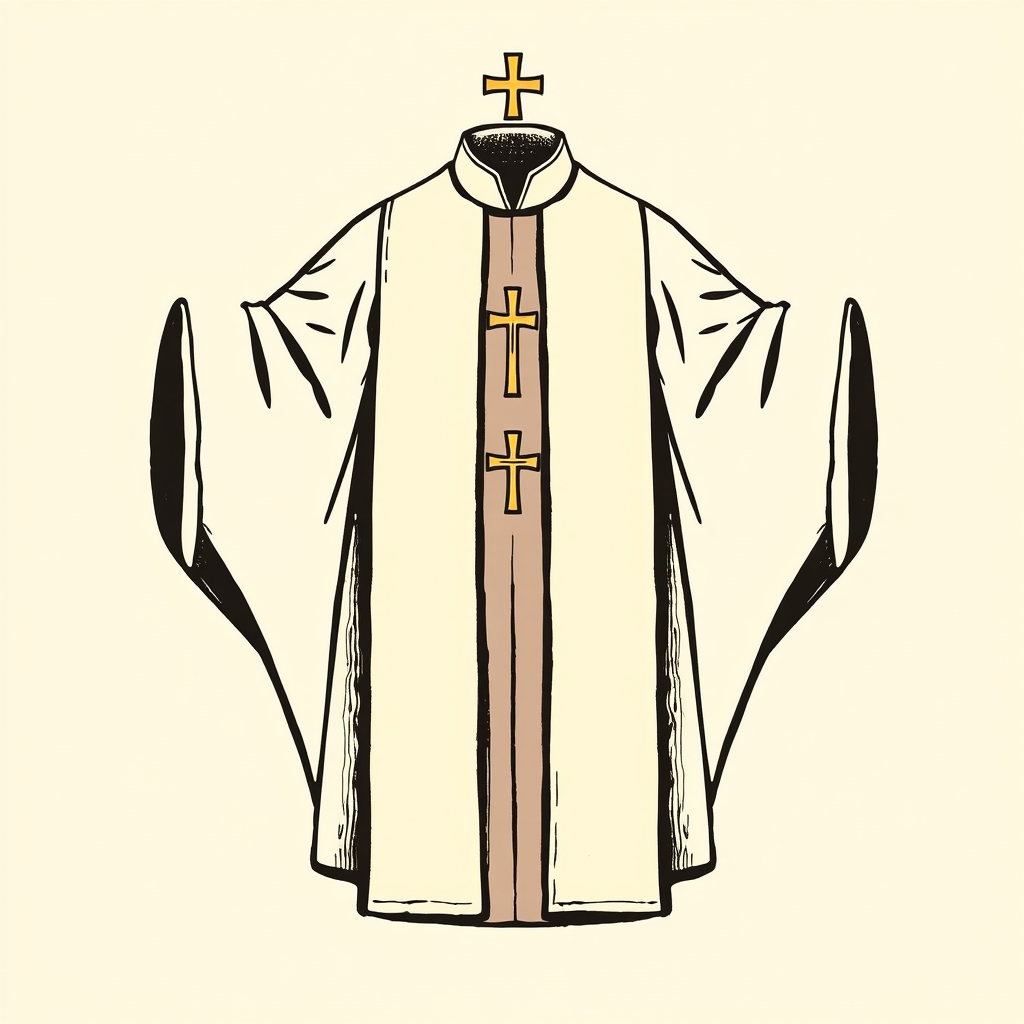

Entities
Narrative network
The names, places, and concepts most present in the entry, weighted by centrality in the text.
The supernatural in their life
The miracles of Saint Bardon of Mainz
Frequently asked questions about Saint Bardon of Mainz
Who was Saint Bardon of Mainz?
A monk of Fulda who became Archbishop of Mainz in the 11th century, Bardon was distinguished by his monastic austerity and immense charity toward the poor. Close to Emperors Conrad and Henry III, he received a visit from Pope Leo IX and publicly predicted the date of his own passing.
What is Saint Bardon of Mainz the patron saint of?
Patronage of Saint Bardon of Mainz: Mainz.
How is Saint Bardon of Mainz depicted in Christian art?
In iconography, Saint Bardon of Mainz is recognizable by: episcopal vestments and crozier.
What miracles are attributed to Saint Bardon of Mainz?
1 miracle are attributed to this saint, notably: Prophecy / infused knowledge.
Which saints were contemporaries of Saint Bardon of Mainz?
Contemporaries include: Saint Bernard of Menthon (Apostle of the Alps), Saint Stephen of Hungary, Saint Norbert of Magdeburg and Saint Bernard of Clairvaux.
When did Saint Bardon of Mainz die?
Saint Bardon of Mainz died around 1051.
What are the other names of Saint Bardon of Mainz?
Other forms of the name: Bardo.
Annexes & related entities
Structured data for exploration: events, miracles, quotes, places, attributes, patronages, and important entities cited in the text.
Key Events
- Born in Wetterau at the end of the 10th century
- Education at Fulda Abbey
- Appointed abbot of Kaiserswerth and Hersfeld by Emperor Conrad
- Appointment to the bishopric of Mainz in 1034
- Visit of Pope Leo IX to Mainz
- Public announcement of his death on Pentecost in Paderborn
Quotes
-
You will see that one day I will be a bishop
Oral tradition reported by the Acta Sanctorum