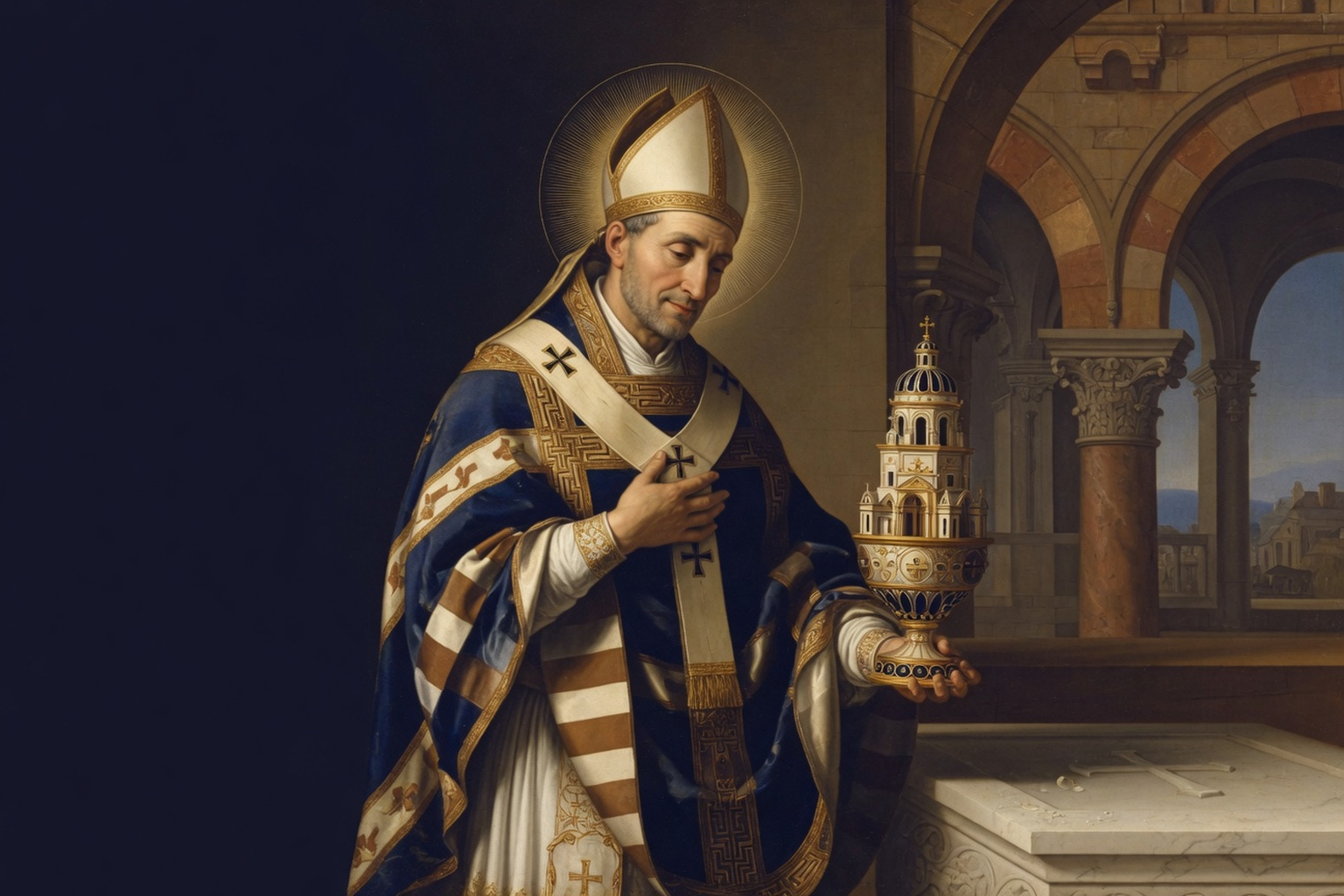
Saint Felix of Bourges
The twenty-fifth Bishop of Bourges in the 6th century, Saint Felix distinguished himself by his wisdom and serenity in the face of insults. He participated in the fourth Council of Paris in 573 and commissioned a precious vessel for the Eucharist. His tomb became a site of miracles, notably for the healing of fevers through the use of marble dust.
Contemporaries

Figures and markers around the normalized period for this entry.
Guided reading
4 reading sections
SAINT FELIX, OF BOURGES (576).
Episcopate and Character
Felix succeeded Saint Probatien as the twenty-fifth bishop of Bourges, distinguishing himself by his serenity in the face of outrages.
Saint Felix , the twenty-fifth bishop of Bourge s, succeeded Saint Probatie n. His rare wisdom and eminent holiness should have drawn to him the admiration and love of all men; nevertheless, he was exposed to the hatred, insults, and outrages of a great number; but his greatness of soul did not allow him to be troubled by them; he received adversity and prosperity with the same serenity of countenance.
Conciliar activity
In 573, he participated in the fourth Council of Paris and intervened in political and ecclesiastical affairs concerning the bishopric of Chartres.
In 573, he attended the fourth Council of Paris a nd subscribed to the letter that this Council wrote to King Sigis brot, requesting him not to take the side of Pr omotus, who had been ordaine d bishop of Chartres despite the opposition of the people to his election.
Miracles and relics
His holiness was revealed after his death through miraculous healings and the discovery of his incorrupt body twelve years after his burial.
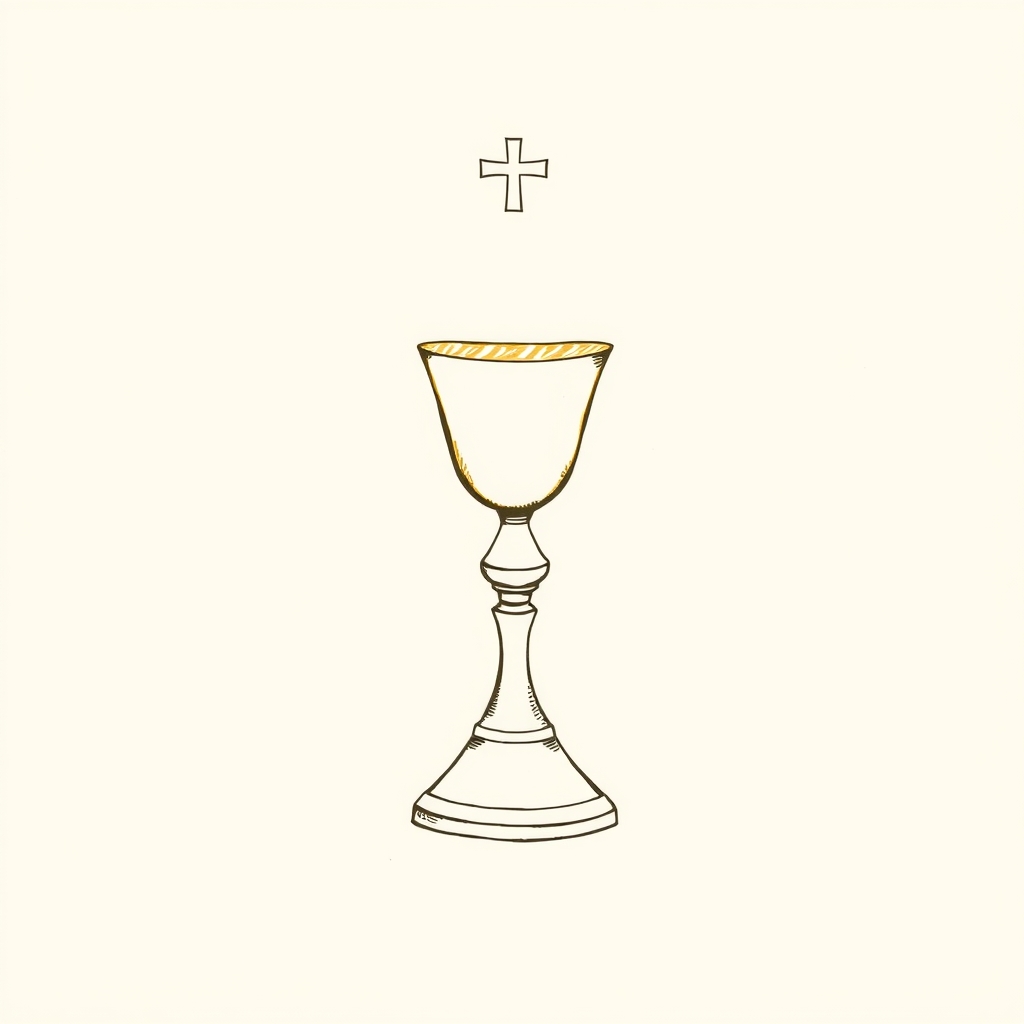
His virtue, which he had carefully kept hidden during his life, appeared with brilliance after his death; a blind man recovered his sight at his tomb, and his body was found whole twelve years after he ha d been b uried. Fortunatus held a precious vessel that Felix had had made in the shape of a tower to preserve the Holy Eucharist.
Cult and tradition
Gregory of Tours reports the use of dust from his tomb to cure fever, a tradition that persists in Berry.
Gregory of Tours says that many of the faithful were cured of fever by mixing into their drink a little dust scraped from the marble of his tomb. This ancient custom still exists throughout Berry .
Iconography
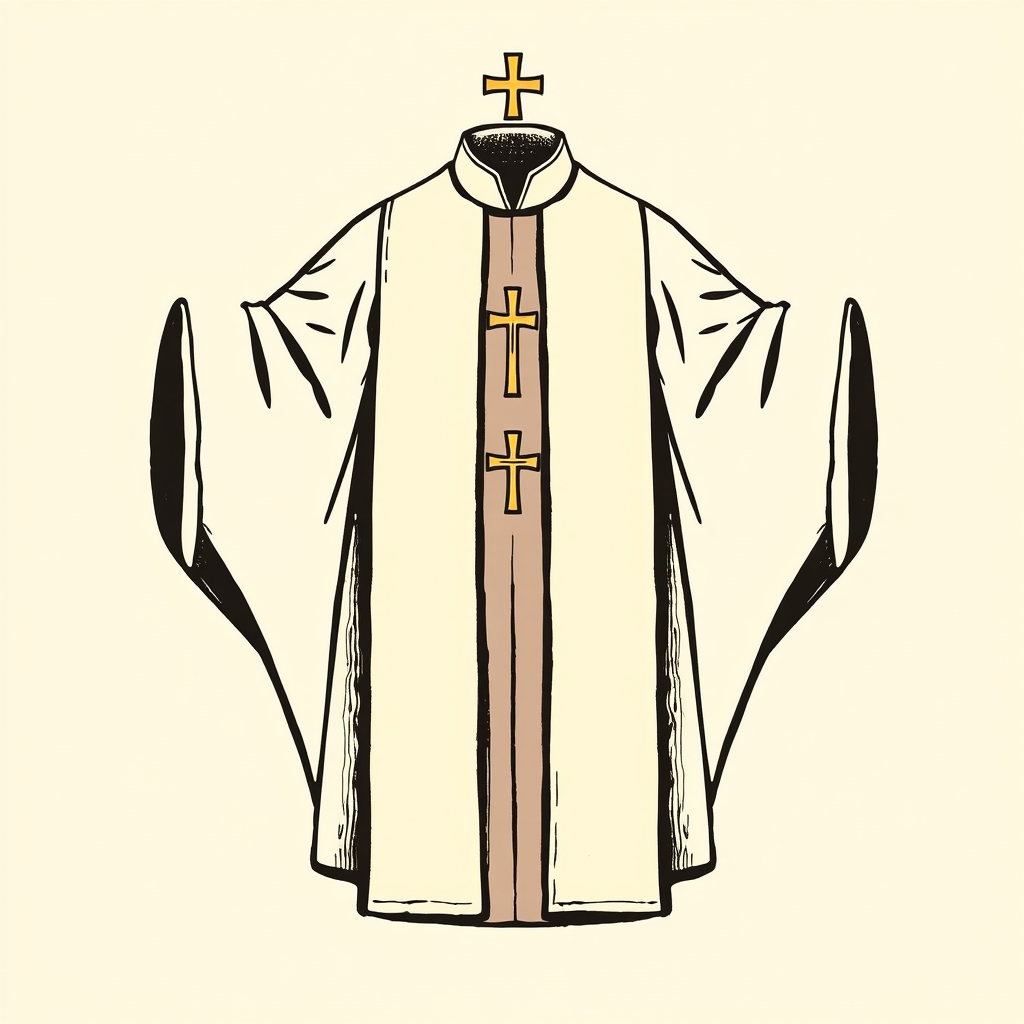
Signs and attributes
Entities
Narrative network
The names, places, and concepts most present in the entry, weighted by centrality in the text.
The supernatural in their life
The miracles of Saint Felix of Bourges
Frequently asked questions about Saint Felix of Bourges
Who was Saint Felix of Bourges?
The twenty-fifth Bishop of Bourges in the 6th century, Saint Felix distinguished himself by his wisdom and serenity in the face of insults. He participated in the fourth Council of Paris in 573 and commissioned a precious vessel for the Eucharist. His tomb became a site of miracles, notably for the healing of fevers through the use of marble dust.
What is Saint Felix of Bourges the patron saint of?
Patronage of Saint Felix of Bourges: Bourges.
What is Saint Felix of Bourges invoked for?
Saint Felix of Bourges is invoked for: healing of blindness and healing of fever.
How is Saint Felix of Bourges depicted in Christian art?
In iconography, Saint Felix of Bourges is recognizable by: eucharistic vessel in the shape of a tower and episcopal vestments.
What miracles are attributed to Saint Felix of Bourges?
3 miracles are attributed to this saint, notably: Healing and Incorruptibility.
Which saints were contemporaries of Saint Felix of Bourges?
Contemporaries include: Saint Remigius (Apostle of the Franks), Saint Antide of Besançon, Saint Eugene of Carthage and Saint Nicaise of Reims.
When did Saint Felix of Bourges die?
Saint Felix of Bourges died around 576.
What are the other names of Saint Felix of Bourges?
Other forms of the name: Félix.
Annexes & related entities
Structured data for exploration: events, miracles, quotes, places, attributes, patronages, and important entities cited in the text.
Key Events
- Succeeded Saint Probatien as Bishop of Bourges
- Participation in the fourth Council of Paris in 573
- Signature of the letter to King Sigisbrot regarding the election of Promotus to Chartres
- Burial and discovery of the body intact twelve years after his death