Born in Lucca and educated in Salerno, Leo became the second abbot of the monastery of Cava in 1050. Known for his humility, he performed arduous manual labor and sold wood to help the poor. He died in 1075 after passing his office to Blessed Peter.
Contemporaries

Figures and markers around the normalized period for this entry.
Guided reading
7 reading sections
SAINT LEO, SECOND ABBOT OF THE MONASTERY OF CAVA,
IN THE KINGDOM OF NAPLES (1075).
Origins and monastic formation
Leo was born in Lucca but grew up in Salerno, where he embraced the monastic life under the guidance of Alferius, founder of the Abbey of La Cava.
Leo was born in the city of Luc ca, in Tuscany; but he left his native land early and was raised in Salerno (Kingd om of N aples). He devoted himself to the monastic life and was formed in piety under the guidance of Alfe rius, founder and f irst abbot of the monastery of La Cava.
Succession as head of La Cava
Noted for his virtues, Leo became the companion of Alfieri before succeeding him as abbot in 1050.
The holy founder, in consideration of the extraordinary graces with which he saw God favoring his young disciple, chose him as his companion in order to give more weight to the influence that the examples of his virtue could exert on the other religious. When, in 1050, he was chosen to succeed Saint Alfieri, he endeavored to continue with vigor the edifice of piety that his predecessor had placed on such solid foundations.
Practice of humility
The abbot distinguished himself by his extreme humility, performing arduous manual labor and selling wood to provide for the needs of the poor.
Far from elevating himself above his brothers, he lowered himself beneath them and took upon himself with visible joy all the manual labor that was done in the community. He would go himself to cut wood in the forest, carry the load back on his shoulders, go to sell it at the market, and distribute the proceeds to the poor. He thus sought to tame the spirit of pride and vanity, which is so quick to poison all good works.
Advisor to the Prince
Leo exerted a moral influence over Gisulf, Prince of Salerno, managing to moderate his difficult temperament through his admonitions.
Gisulf, Prince of Salerno, held our Saint in high esteem, and more than once he moderated his proud and cruel temper upon the stern admonitions of the modest abbot.
Final years and succession
Aged, Leo entrusted the monastery to the blessed Peter before passing away in 1075, becoming the object of an immediate cult.
Leo, having become very old, relieved himself of the direction of his monastery to the blessed Peter who had been for some time at Cluny, and who, having been made bishop of Policastro, had left his bishopric to work for his salvation in solitude. Saint Leo die d in 1075 and was immediately honored with a public cult.
Documentary sources
The text is based on the works of Godescard and the Acta Sanctorum of the Bollandists.
Taken from Godescard, Brussels edition. — Cf. Acta Sanctoru m, volume III of July.
The Ordeal of Peter Igneus
Evocation of the miracle of Peter Igneus, who emerged unscathed from the fire, prompting the conversion of a simoniacal bishop.
Saint Peter, whom a council of bishops, most of whom were guilty of the same crime, had refused to judge. Finally, it is historically certain that Pete r Igneus eme rged miraculously safe and sound from this ordeal. As for the simoniacal bishop, this prodigy converted him; he renounced his dignity and became a monk in the very congregation of Vallombrosa.
Iconography
Signs and attributes

Entities
Narrative network
The names, places, and concepts most present in the entry, weighted by centrality in the text.
Frequently asked questions about Saint Leo of Cava
Who was Saint Leo of Cava?
Born in Lucca and educated in Salerno, Leo became the second abbot of the monastery of Cava in 1050. Known for his humility, he performed arduous manual labor and sold wood to help the poor. He died in 1075 after passing his office to Blessed Peter.
What is Saint Leo of Cava the patron saint of?
Patronage of Saint Leo of Cava: Cava Abbey.
How is Saint Leo of Cava depicted in Christian art?
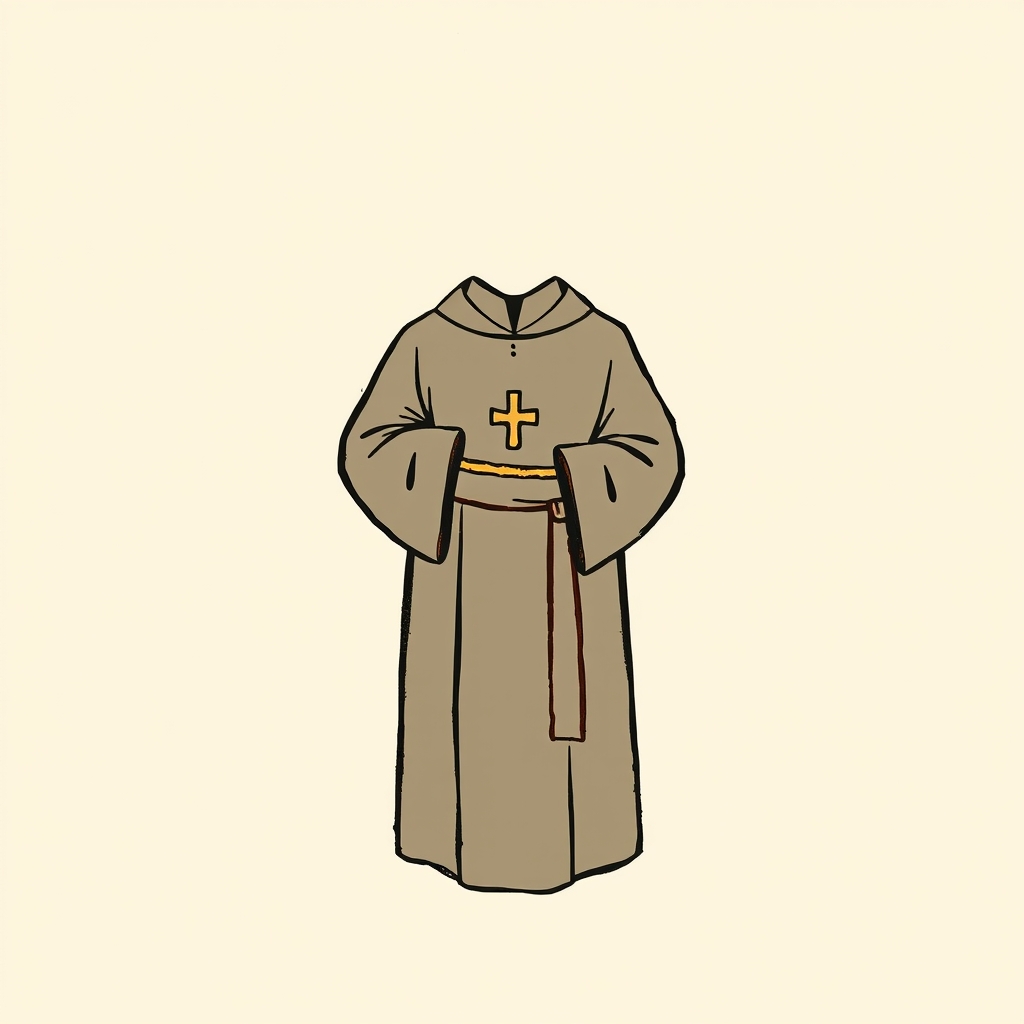
In iconography, Saint Leo of Cava is recognizable by: wood on his shoulders and Benedictine habit.
Which saints were contemporaries of Saint Leo of Cava?
Contemporaries include: Saint Bernard of Menthon (Apostle of the Alps), Saint Stephen of Hungary, Saint Norbert of Magdeburg and Saint Bernard of Clairvaux.
When did Saint Leo of Cava die?
Saint Leo of Cava died around 1100.
Annexes & related entities
Structured data for exploration: events, miracles, quotes, places, attributes, patronages, and important entities cited in the text.
Key Events
- Education in Salerno
- Entered the monastery of La Cava under the direction of Alfieri
- Election as abbot in 1050
- Manual labor and sale of wood for the poor
- Resignation from his office in favor of Blessed Peter
- Died in 1075