Saint Apronia
Evronia
Sister of Saint Epvre, Apronia (or Evronia) lived first in Toul before retiring to Troyes where she died around 420. Recognized for her piety and secluded life, her relics were later transferred to Toul by Bishop Saint Gerard. Her cult has remained alive through the centuries, notably in Toul and its surroundings.
Contemporaries

Figures and markers around the normalized period for this entry.
Guided reading
4 reading sections
SAINT APRONIA OR APRONE,
COMMONLY SAINT EVRONIA, VIRGIN (circa 420). — SAINT EVRARD, SHEPHERD,
Life and piety of Saint Apronia
Sister of Saint Evre, Apronia led a life of piety in Toul before retiring to Troyes after the death of her brother.
Saint Evronia, sister of Saint Evre , had followed her brother to Toul, and there, following his example, she devoted herself to all the exercises of piety. But upon the death of the pious bishop, the love of her homeland reawakened in h er hea rt, and she came to settle in Troyes, where she edified the inhabitants by her holy and retired life. She lived for a few more years; and, when God had reunited her with the beloved brother she had mourned on earth, He judged her worthy of sacred honors, and her name did not take long to take its place in various martyrologies.
Translation and cult of the relics
Having died in Troyes around 420, her remains were transferred to Toul by Saint Gerard to enrich the cathedral and the Abbey of Saint-Épvre.
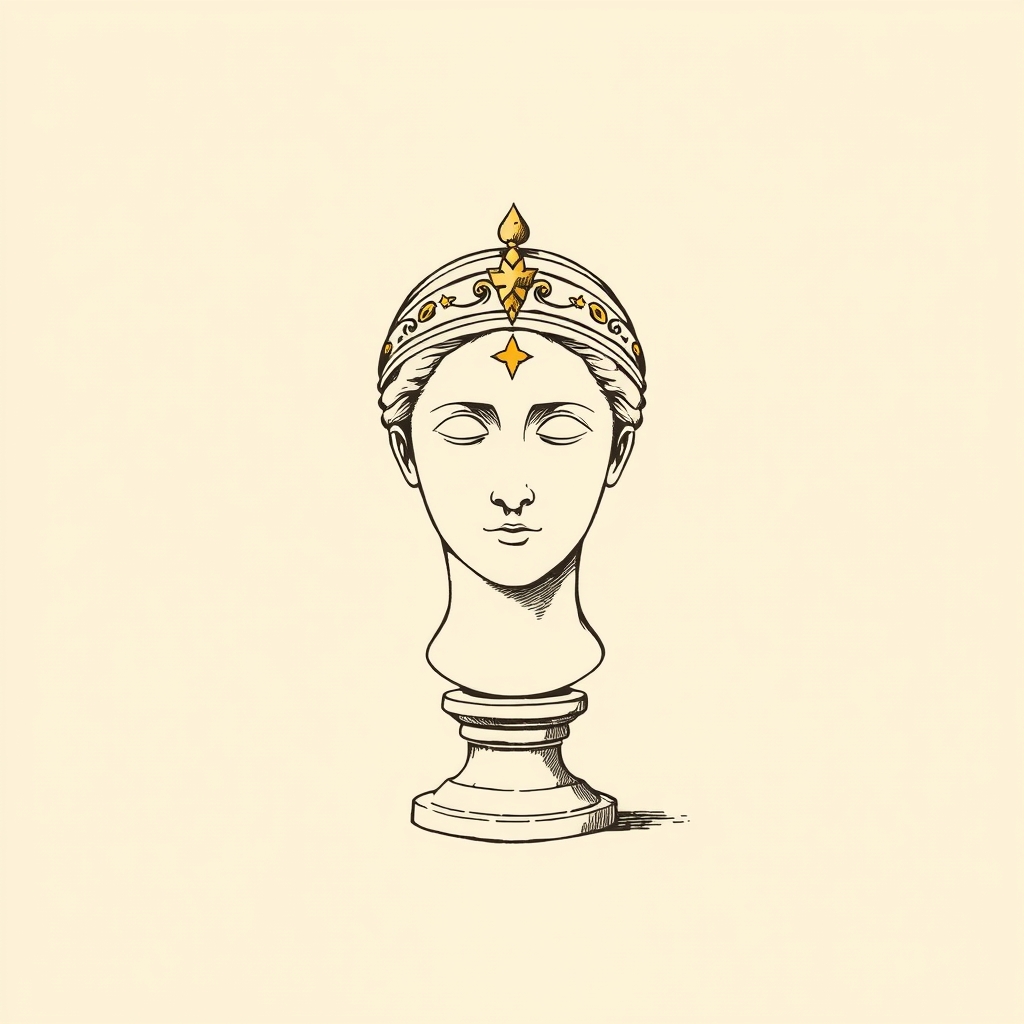
She departed this world around the year 420 and was buried in Troyes where she had died: Saint Gerard, desirous of enriching with holy relics the cathedral he was having built, requested and obtained from the people of Troyes the body of the sister of one of his illustrious and holy predecessors. He placed the most notable portions in a magnificent reliquary to be displayed in his church in Toul and gifted the remainder to the Abbey of Saint-Épvre, where it was kept until the Revolution of 1793 in a bust remarkable for its richness, remade in 1398 by Waudric of Vaucouleurs, a canon of Toul. During that time of blood and disaster, the portion of the Saint's relics that was honored at the cathedral was saved, along with those of several other Saints, by the piety of Father Aubry, then vicar of the chapter, who, after calm was restored, placed them in the former collegiate church, which had become the parish church of Saint-Gengoult, of which he had been appointed pastor. The portion venerated at Saint-Épvre was secured by Dom Nicolas Bassigny, prior of the monastery, who, in 1803, gifted it to Father de Goussonville, who died as pastor of Montenoy. The latter presented it on July 14, 1820, to Mr. Antoine, pastor of Saint-Épvre in Nancy, for his parish. Mr. Antoine detached a small part for the church of Houdreville and placed what he had kept in a decent reliquary. Today, the head of Saint Aprone has r eturned to the cathedral of Toul, though we shall not say by what means; the bones that accompanied it have remained at Saint-Gengoult, and the relic from the Benedictine abbey is venerated in the two churches we have just named.
Post-Revolutionary Rescue and Transfers
After being saved during the Revolution of 1793, the relics were distributed between Nancy, Toul, and Houdreville in the 19th century.
We owe this notice to the kindness of Abbé Guillaume, canon of Nancy.
Source of the notice
The biographical notice is derived from the works of Abbé Guillaume, canon of Nancy.
We owe this notice to the kindness of M. l'abbé Guillaume, canon of Nancy.
Iconography
Signs and attributes
Entities
Narrative network
The names, places, and concepts most present in the entry, weighted by centrality in the text.
Frequently asked questions about Saint Apronia (Evronia)
Who was Saint Apronia (Evronia)?
Sister of Saint Epvre, Apronia (or Evronia) lived first in Toul before retiring to Troyes where she died around 420. Recognized for her piety and secluded life, her relics were later transferred to Toul by Bishop Saint Gerard. Her cult has remained alive through the centuries, notably in Toul and its surroundings.
How is Saint Apronia (Evronia) depicted in Christian art?
In iconography, Saint Apronia (Evronia) is recognizable by: reliquary bust and shrine.
Which saints were contemporaries of Saint Apronia (Evronia)?
Contemporaries include: Saint Augustine of Hippo, Saint Honoratus of Arles, Saint James of Tarentaise and Saint Jerome of Stridon.
When did Saint Apronia (Evronia) die?
Saint Apronia (Evronia) died around 500.
What are the other names of Saint Apronia (Evronia)?
Other forms of the name: Aprone and Évronie.
Who are the relatives of Saint Apronia (Evronia)?
Relatives of Saint Apronia (Evronia): Saint Épvre (brother).
Annexes & related entities
Structured data for exploration: events, miracles, quotes, places, attributes, patronages, and important entities cited in the text.
Key Events
- Followed her brother Saint Epvre to Toul
- Return to Troyes after her brother's death
- Holy and secluded life in Troyes
- Died around 420
- Translation of her relics from Troyes to Toul by Saint Gerard