Saint Evrard
A former Duke of Italy under Lothair I, Evrard abandoned his titles to live as an anchorite in the desert of Moiron. Having become a shepherd out of humility, he dedicated his life to prayer and charity toward the poor. His tomb became a place of pilgrimage famous for its miracles, particularly for harvests and the infirm.
Contemporaries

Figures and markers around the normalized period for this entry.
Guided reading
6 reading sections
HONORED IN THE DIOCESE OF LANGRES (8TH CENTURY).
Renunciation and Eremitic Life
Former Duke of Italy under Lothair I, Evrard abandoned his rank for a life of penance and poverty as a shepherd in the desert of Moiron.
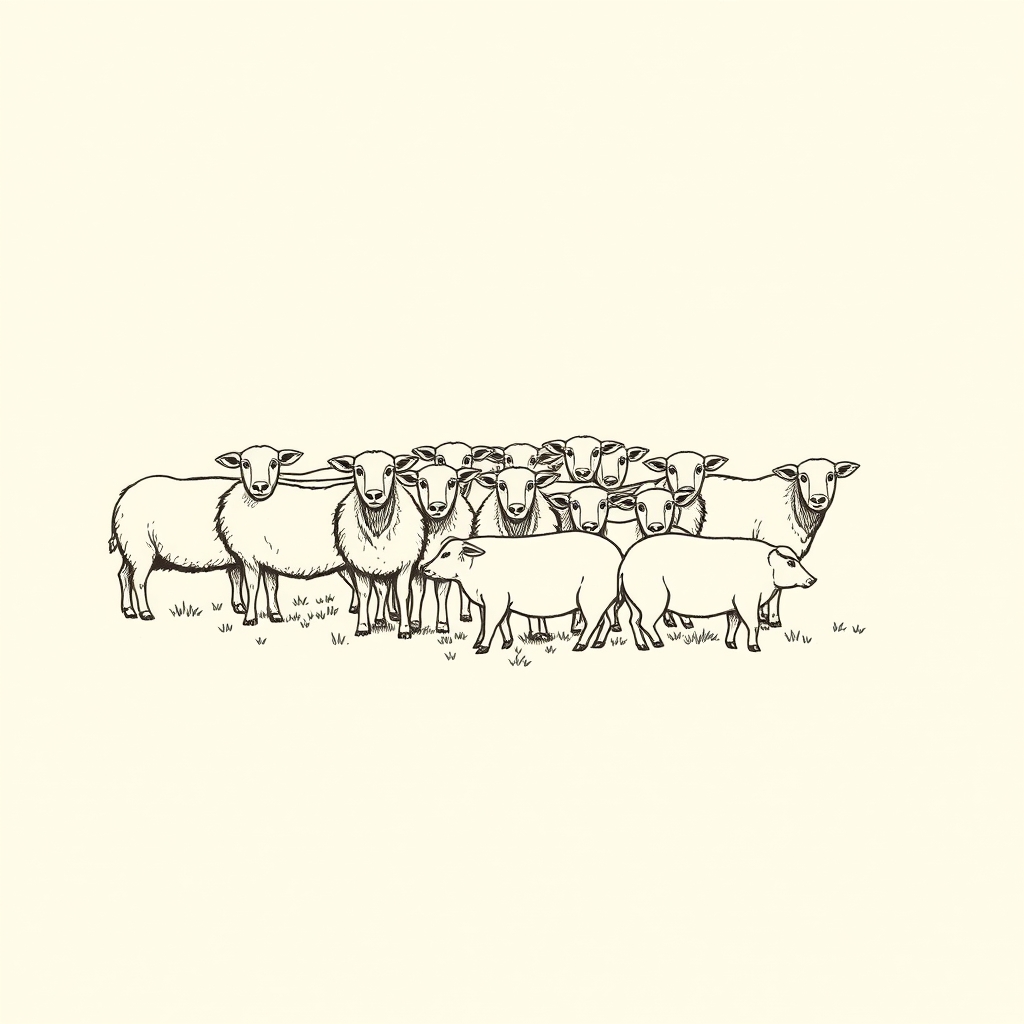
Evrard was a Duke of Italy, in the time of Lothair I, Emperor of the West. He bade farewell to human grandeur to ensure the salvation of his soul in a solitary and penitent life. Having retired to the desert o f Moiron (commune of Luzy, Haute-Marne), he lived there on roots and bitter herbs. He tended a flock of sheep and pigs; but he gave them to the poor of the neighborhood.
Miracles and first burial
His charity and his miracles earned him the devotion of the inhabitants of Alençon and Luzy, where he was initially buried.
His charity and several miracles that he performed had earned him the veneration of the inhabitants of Alençon.
Those of Luzy paid him their last respects and initially buried him in a simple grave. But the Bishop of Langre s, learning that wonders were being accomplished through the intercession of the Saint, had his bones exhumed, and, as the forest of La Garenne and the greater part of the Moiron valley where Saint Evrard grazed his flock belonged to the bishopric, he built a chapel there at his own expense and deposited the relics of the anchorite.
Translation and pilgrimage
The Bishop of Langres had his relics transferred to a dedicated chapel in Moiron, which became a center of pilgrimage for the sick and for farmers.
It became the destination of a well-frequented pilgrimage. One could see a large number of ex-votos there, such as crutches left by the lame and the paralyzed after their healing. The Saint was invoked there with marvelous success for weather favorable to harvests and field work.
Architecture and military orders
The guarding of the tomb was entrusted to religious knights whose constructions recall those of the Templars or the Hospitallers.
It appears that the bishops of Langres had appointed to the guarding of the tomb the religious knights of Corgebin, of Esnouveaux, and of the Anbe valley. They inhabited a house whose thick walls and ogival vaulted rooms attest to a construction of a military order, like those of the Templars or the k nights of Saint J ohn of Jerusalem. The primitive chape l was replaced, in the 13th century, by the one that still exists and which presents the characteristics of Romanesque architecture.
Survival of relics and traditions
Despite the profanations of 1793, the relics were saved and are the subject of annual processions between Luzy and Verbiesles.
In 1791, the inhabitants of Luzy, with the authorization of M. de La Luzerne, welcomed into their parish church the shrine, the bust, and the arm-shaped reliquary that contained the relics of Saint Evrar d. Profaners laid a sacrilegious hand upon this treasure in 1793. However, pious women saved the fragments, which remain the object of a vibrant cult. There are two feasts of Saint Evrard, one on Easter Monday, the other on July 15. On the latter, the bust of the Saint is carried in procession from Luzy to Verbiesles. The procession of the inhabitants of Verbiesles meets that of Luzy halfway; they proceed together to the church of Verbiesles where a sermon is then preached in honor of the pious shepherd, and the relic returns to Luzy, preceded by the double procession which separates between the two villages.
There was a chapel under the invocation of Saint Evrard in the parish church of Saint-Pierre and Saint-Paul in Langres. A proper office for our Sai nt was celebrated there.
Iconography and sources
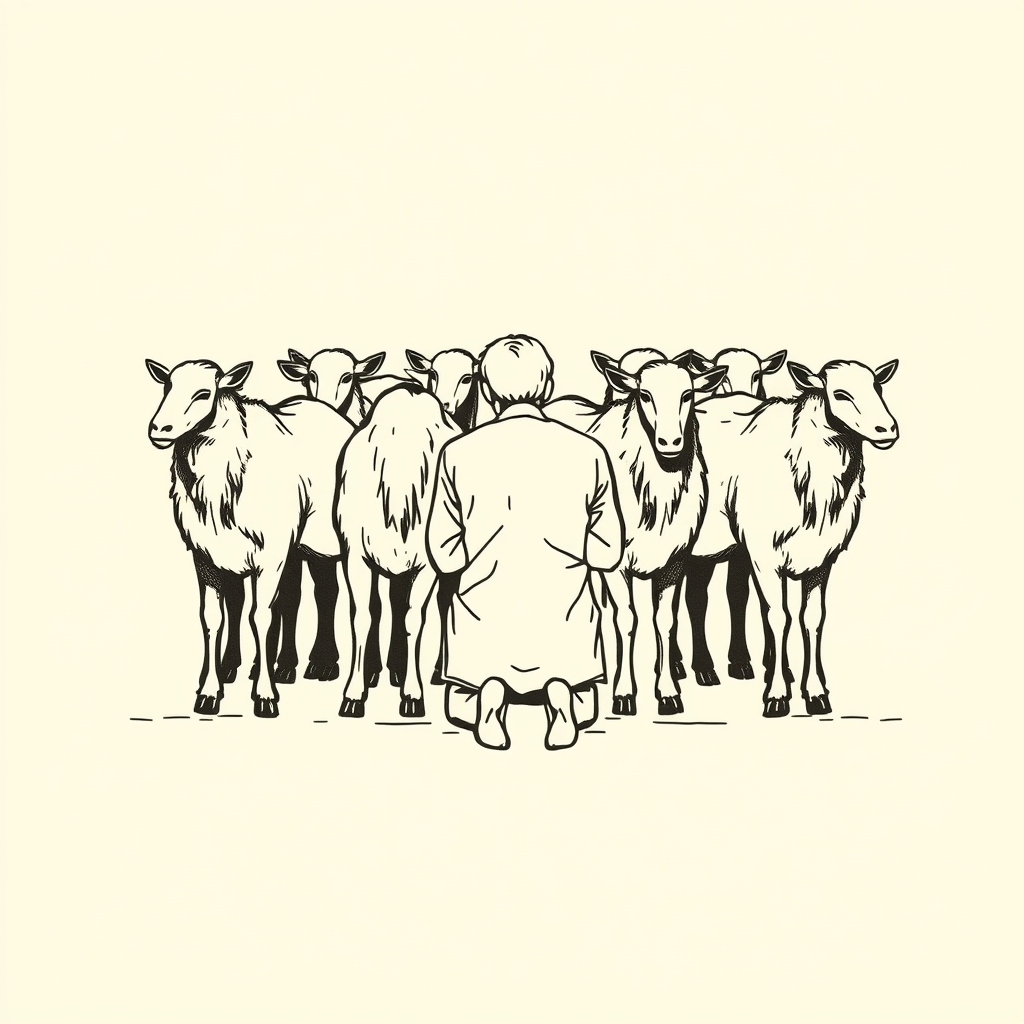
The saint is traditionally depicted as a shepherd in the midst of his flock, according to the works of the hagiographer Fabié Godard.
He is depicted kneeling in the midst of his flock.
Taken from The Saints of the Haute-Marne Department, by M. Fabié Godard .
Iconography
Signs and attributes
Entities
Narrative network
The names, places, and concepts most present in the entry, weighted by centrality in the text.
The supernatural in their life
The miracles of Saint Evrard
Frequently asked questions about Saint Evrard
Who was Saint Evrard?
A former Duke of Italy under Lothair I, Evrard abandoned his titles to live as an anchorite in the desert of Moiron. Having become a shepherd out of humility, he dedicated his life to prayer and charity toward the poor. His tomb became a place of pilgrimage famous for its miracles, particularly for harvests and the infirm.
What is Saint Evrard the patron saint of?
Patronage of Saint Evrard: Luzy and Verbiesles.
What is Saint Evrard invoked for?
Saint Evrard is invoked for: favorable weather for harvests, field work and healing of the lame and paralyzed.
How is Saint Evrard depicted in Christian art?
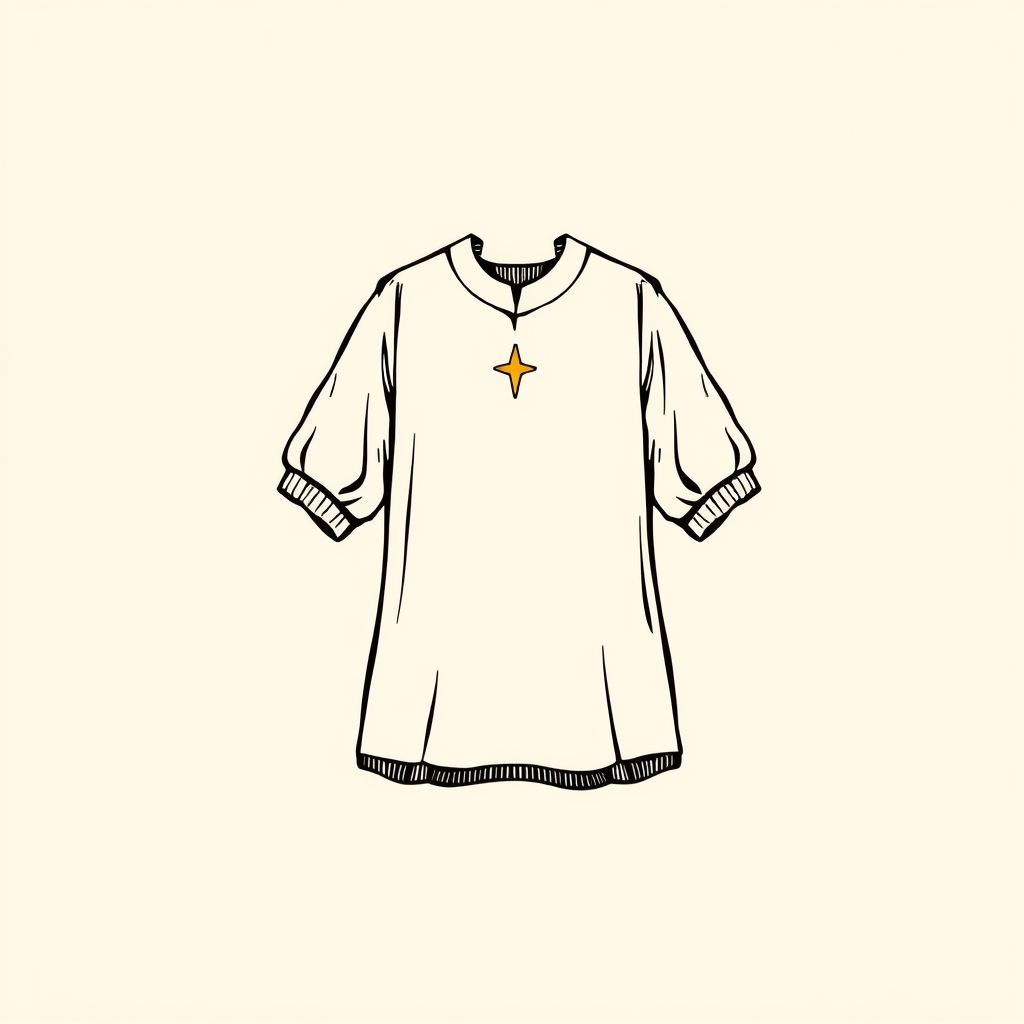
In iconography, Saint Evrard is recognizable by: kneeling in the middle of a herd, flock of sheep and pigs and shepherd's clothing.
What miracles are attributed to Saint Evrard?
3 miracles are attributed to this saint, notably: Healing and Sign / wonder.
Which saints were contemporaries of Saint Evrard?
Contemporaries include: Saint Hidulph of Trier, Saint Ghislain (Guillain), Saint Lambert (Landebert) and Saint Amand of Maastricht.
When did Saint Evrard die?
Saint Evrard died around 800.
Annexes & related entities
Structured data for exploration: events, miracles, quotes, places, attributes, patronages, and important entities cited in the text.
Key Events
- Renunciation of the splendors of the court of Lothair I
- Solitary retreat in the desert of Moiron
- Life of penance as a shepherd
- Exhumation and translation of relics by the Bishop of Langres
- Rescue of relics during the French Revolution in 1793