A Cretan monk of the 8th century, Andrew traveled to Constantinople to oppose the iconoclastic policy of Emperor Constantine Copronymus. After courageously defending the veneration of sacred images, he endured numerous torments before being killed by a fisherman who severed his foot. His body, initially thrown with those of criminals, was miraculously identified by possessed individuals who were subsequently healed.
Contemporaries

Figures and markers around the normalized period for this entry.
Guided reading
6 reading sections
SAINT ANDREW OF CRETE, MARTYR IN CONSTANTINOPLE (761).
Origins and historical context
Originally from Crete, Andrew lived in a monastery during the iconoclastic persecution led by Emperor Constantine V Copronymus.
Saint Andrew of Crete, or the Calyb ite, who should not be confused with Saint Andrew of Crete, Archbishop of Gortyn (July), was a native of the island from which he took his surname, and he lived there very holily in a monastery, at th e time when the Emperor Constant ine Copronymus (718-775) was cruelly persecuting the Church for the venerati on of holy images.
Mission to Constantinople
Refusing to flee the imperial edict against sacred images, Andrew went to Constantinople to publicly defend orthodoxy.
When he learned of the edict by which this prince forbade, under great penalties, the rendering of any honor to those sacred figures that represent to us Jesus Christ or his holy Mother and the other Saints, far from being terrified by it like many others who fled for that reason outside the lands of the empire, he came generously into the very city o f Constantinop le, in order to fight heresy and impiety there in the place where they were causing the most havoc. Dès qu'il y fut arrivé, il ouvrit publiquement la bouche pour défendre la vérité orthodoxe, et sans craindre les magistrats ni l'empereur même, il exhorta les fidèles à demeurer constants dans la doctrine de l'Église, et les nouveaux hérétiques à rentrer dans le sein de leur mère, que la lâcheté leur avait fait abandonner. As soon as he arrived there, he publicly opened his mouth to defend the orthodox truth, and without fearing the magistrates or the emperor himself, he exhorted the faithful to remain constant in the doctrine of the Church, and the new heretics to return to the bosom of their mother, whom cowardice had caused them to abandon.
Confrontation with the Emperor
Andrew directly challenges the emperor in the Basilica of Saint Mamas, denouncing his cruelty toward the Orthodox faithful.
One day, Constantin e having had a throne placed in the Ba silica of Saint Mamas, di splayed there with great ostentation all his imperial pomp, and moreover gave very cruel orders against the Orthodox, having some murdered with blows from ox-hide whips, throwing others into the fire, plucking out the eyes of some, and cutting out the tongues of others: Andrew, burning with divine zeal, split through the crowd, addressed the emperor in person, and reproached him for his impiety. The tyrant, unable to endure this freedom, ordered his archers to seize him; and at the same time they took him, tore off his cloak, ripped his tunic, and committed several other outrages against him.
Tortures and steadfastness
Despite the flagellations and attempts at corruption by the emperor, the saint maintains his defense of the veneration of images.
The emperor then ordered that he be stripped and whipped with the greatest rigor. Then the martyr, lifting his eyes to heaven, cried out with strength: "I will never despise your image, O my Savior, I will never mistreat your figure; let them tear my body, let them tear out my tongue, let them cut off my feet, I am ready to suffer all things rather than fail in the respect I owe to your divine Majesty.
The guards gave him a thousand blows with ox-sinews and left him all covered in blood. Others threw stones at him, and everyone strove to do him some outrage. But all these torments could not diminish his constancy in the least, and he spoke always with the same firmness as before.
Constantine did not want to put him to death, so as not to give him the glory of martyrdom; but he desired extremely to be able to seduce him, so that his example might serve to corrupt the other orthodox; he therefore had him taken to prison, and in several conferences he had with him, he tried to win him over with fine promises; but, finding him always just as invincible, he had him whipped again and finally abandoned him to the executioners to be put to death in the place of public executions.
Martyrdom and posthumous miracles
Brutally executed by a fisherman, his body is miraculously identified by possessed persons who are healed upon contact with him.
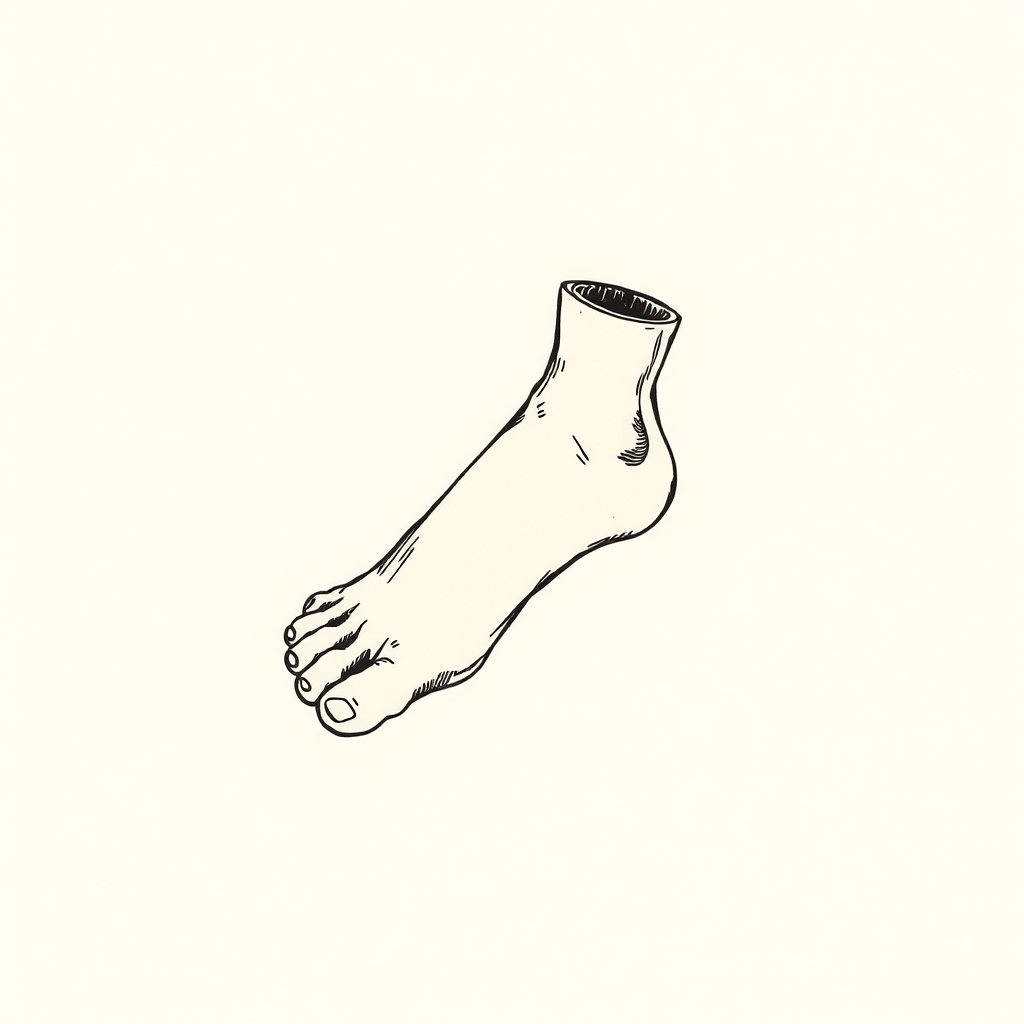
As he was being led to his execution, a fisherman ran after him, and having taken a large butcher's knife, he cut off his foot. This blow was so cruel and so painful that it took the life of our blessed Martyr. His body was left in the fields to be the prey of dogs and vultures; it was then buried with those of the criminals; but by a miraculous effect of divine power, a group of possessed persons came to the place of his burial, and having opened the earth with their fingernails, they distinguished him from the other bodies and exposed him to the sight of the faithful. They received as a reward the grace of being delivered from the demons that possessed them. This holy body was interred with the honor due to his merit, and several miracles have since occurred at his tomb.
Posterity and sources
The saint is traditionally depicted with an icon of the Virgin; the account is derived from the works of Father Giry.
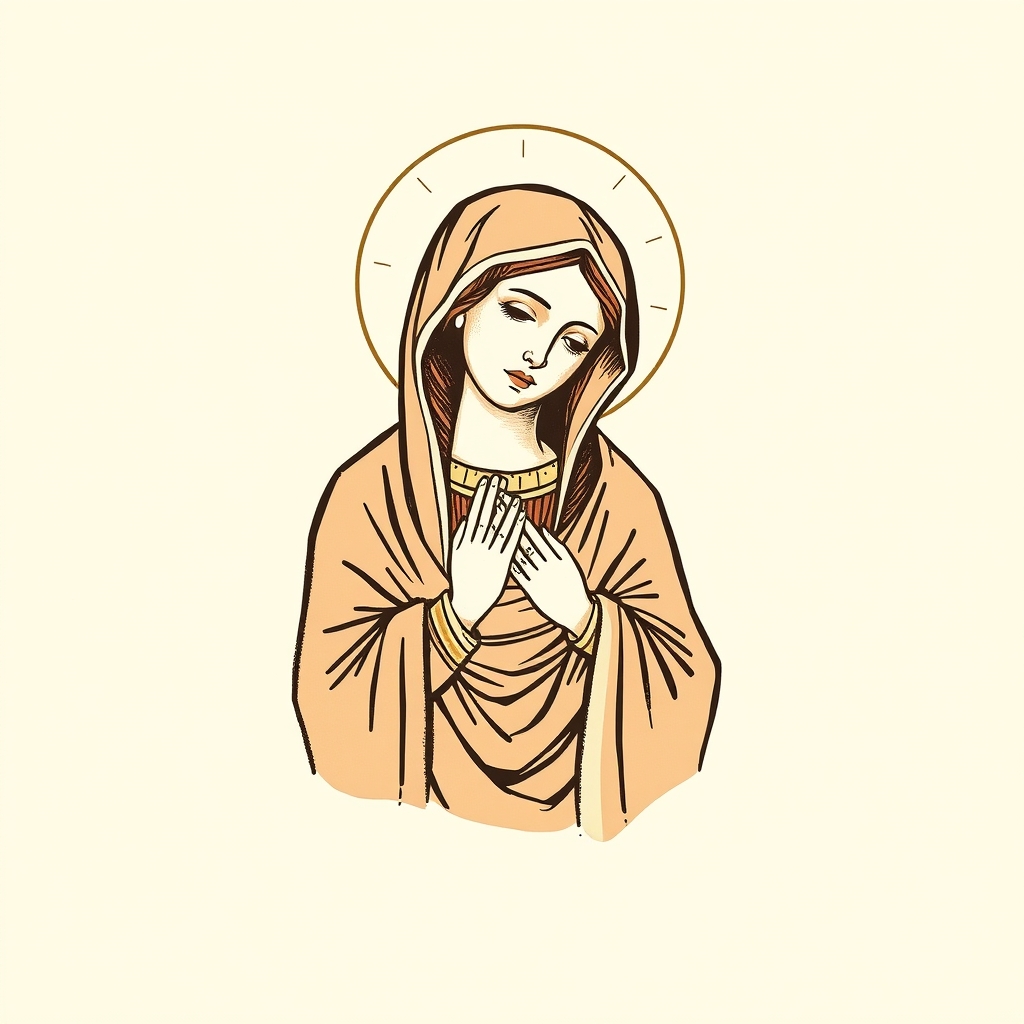
Saint Andrew of Crete is often characterized among the Greeks by an image of the Mother of God, serving to recall the holy cause to which he sacrificed his life.
We have preserved the account of Father G iry.
Iconography
Signs and attributes

Entities
Narrative network
The names, places, and concepts most present in the entry, weighted by centrality in the text.
The supernatural in their life
The miracles of Saint Andrew of Crete (the Calybite)
Frequently asked questions about Saint Andrew of Crete (the Calybite)
Who was Saint Andrew of Crete (the Calybite)?
A Cretan monk of the 8th century, Andrew traveled to Constantinople to oppose the iconoclastic policy of Emperor Constantine Copronymus. After courageously defending the veneration of sacred images, he endured numerous torments before being killed by a fisherman who severed his foot. His body, initially thrown with those of criminals, was miraculously identified by possessed individuals who were subsequently healed.
What is Saint Andrew of Crete (the Calybite) invoked for?
Saint Andrew of Crete (the Calybite) is invoked for: deliverance of the possessed.
How is Saint Andrew of Crete (the Calybite) depicted in Christian art?
In iconography, Saint Andrew of Crete (the Calybite) is recognizable by: image of the Mother of God, severed foot and butcher's knife.
How did Saint Andrew of Crete (the Calybite) die?
Saint Andrew of Crete (the Calybite) suffered martyrdom for the Christian faith (8th century).
What miracles are attributed to Saint Andrew of Crete (the Calybite)?
3 miracles are attributed to this saint, notably: Exorcism and Healing.
Which saints were contemporaries of Saint Andrew of Crete (the Calybite)?
Contemporaries include: Saint Hidulph of Trier, Saint Ghislain (Guillain), Saint Lambert (Landebert) and Saint Amand of Maastricht.
What are the other names of Saint Andrew of Crete (the Calybite)?
Other forms of the name: Le Calybite.
Annexes & related entities
Structured data for exploration: events, miracles, quotes, places, attributes, patronages, and important entities cited in the text.
Key Events
- Monastic life in Crete
- Departure for Constantinople to combat the iconoclast heresy
- Public confrontation of Emperor Constantine Copronymus at the Basilica of Saint Mamas
- Imprisonment and attempts at seduction by the emperor
- Torture with ox-hide whips and stoning
- Died following the amputation of a foot by a fisherman
Quotes
-
I will never despise your image, O my Savior, I will never mistreat your figure; let them tear my body, let them tear out my tongue, let them cut off my feet, I am ready to suffer all things rather than fail in the respect I owe to your divine Majesty
Words reported during his martyrdom