Blessed Salvador of Horta
A 16th-century Spanish Franciscan religious, Salvador of Horta lived a life of humility as a shepherd, shoemaker, and then cook friar. Famous for his numerous healing miracles and ecstasies, he ended his days in Sardinia. His cult was officially authorized by Pope Clement XI.
Contemporaries

Figures and markers around the normalized period for this entry.
Guided reading
5 reading sections
BLESSED SALVADOR OF HORTA, CONFESSOR (1567).
Youth and entry into religious life
Born in Spain to modest parents, Salvador worked as a shepherd and then as a shoemaker before entering the Franciscan Order at the age of twenty.
Salvador , nicknamed ' of O rta' because of his long stay in the convent of Orta, in the dioce se of T ortosa, Spain, was born in Santa Colo ma, in the diocese of Girona, to poor and pious parents. Having lost them in his childhood, he turned his attention to tending a flock, and later prac ticed the profession of shoemaker in Barcelona. In these various states, he regulated his conduct so well that he drew the attention of everyone. At twenty, responding to the inspiration of the Holy Spirit, he entered the convent of Santa Maria de Jesus, outside the city walls, enrolled in the Order of Saint Francis, and pron ounced his solemn vows. Assigned as a companion to the brother cook, he fulfilled the duties of this arduous and humble position with great simplicity, and soon showed brilliant marks of high perfection. From then on, God granted him the glory of miracles, and the brothers were convinced that he would illustrate the Order with eminent holiness. But the servant of God, aspiring to an even more perfect life, went to the convent of Santa Maria de Jesus in Tortosa, then to the solitude of Santa Maria degli Angeli in Orta, where regular discipline flourished particularly; he lived in another monastery as well, and returned to Barcelona. Everywhere he excelled in the practice of virtues. He showed admirable obedience, observed poverty to such a degree that he was happy to lack the necessities, and kept the most perfect chastity. In his ardor to mortify his flesh, he flagellated himself every day, never walked except barefoot, wore the harshest hair shirts under his coarse tunic, observed the most rigorous fasts almost continuously, and took very short sleep on the ground or on a simple board, in order to have more time to give to prayer and the contemplation of heavenly things. God glorified his holiness with the gift of miracles of the first order. With the sign of the cross and the sprinkling of holy water, he gave sight to the blind, strengthened the walk of the lame, loosened the tongues of the mute, and opened the ears of the deaf. He sometimes revealed the secrets of hearts and made predictions.
Monastic life and ascetic rigors
He led a life of humility as an assistant cook and traveled between several convents, practicing extreme asceticism consisting of fasting, flagellations, and absolute poverty.
The very special devotion he had for the most holy Virgin and for the apostle Sa int Paul earned h im the grace of enjoying their presence. The fame of his holiness spread on all sides, and crowds flocked from the most distant lands to see him. The sick, in particular, came to him in order to be healed. The Saint, having gone to Sardinia by or der of hi s superiors, received on this island the warning of his approaching death, and redoubled his fervor in the practice of virtues. Finally, having been struck by a dangerous illness, he received the sacraments of the Church with the greatest devotion, then, after having kissed the image of the crucified Savior and exchanged delightful colloquies with Jesus and his most holy Mother, he fell asleep in the Lord at Cagl iari, in the year 1567, on March 18. Immediately he began to be honored by public veneration. These marks of devotion, having persisted and increased day by day, were authorized by Pope Clement XI.
Supernatural gifts and healings
God granted him the gift of prophecy and numerous miracles of physical healing (the blind, the lame, the deaf) as well as the reading of hearts.
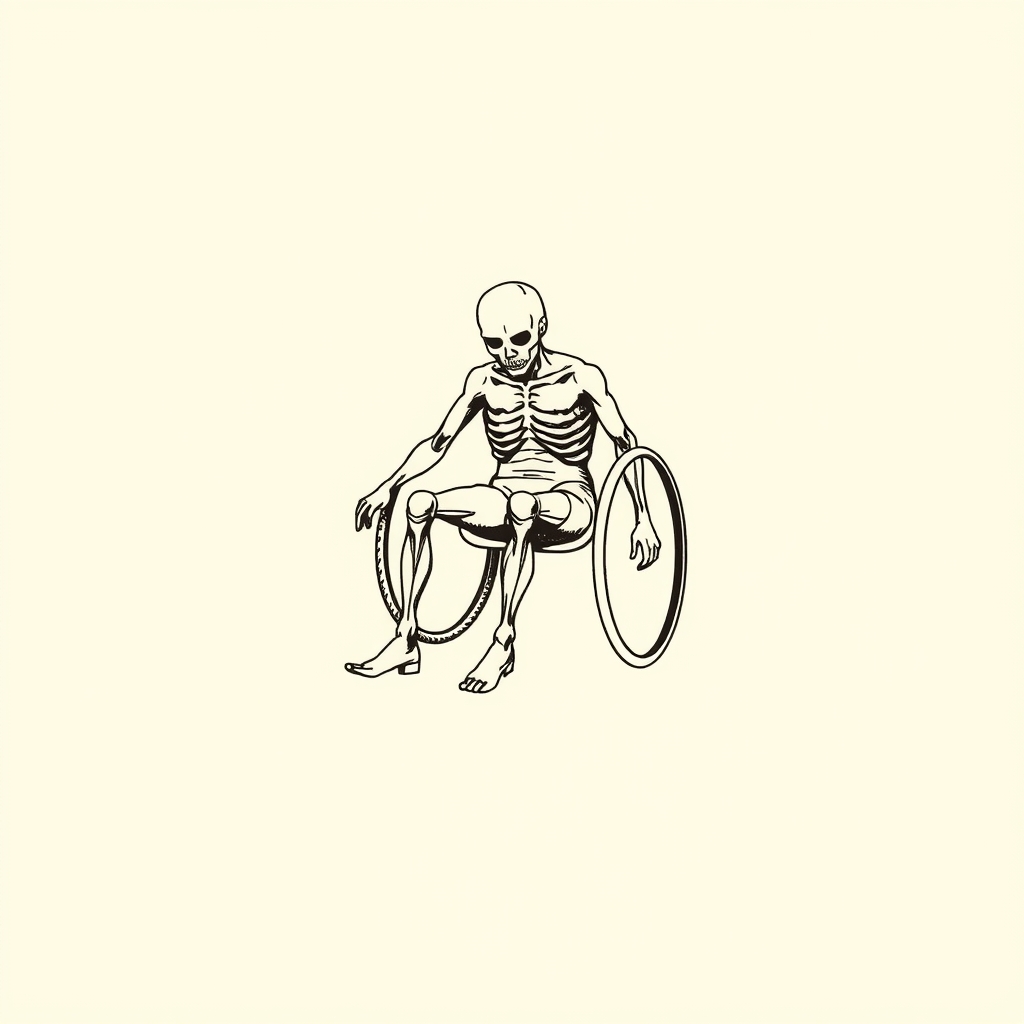
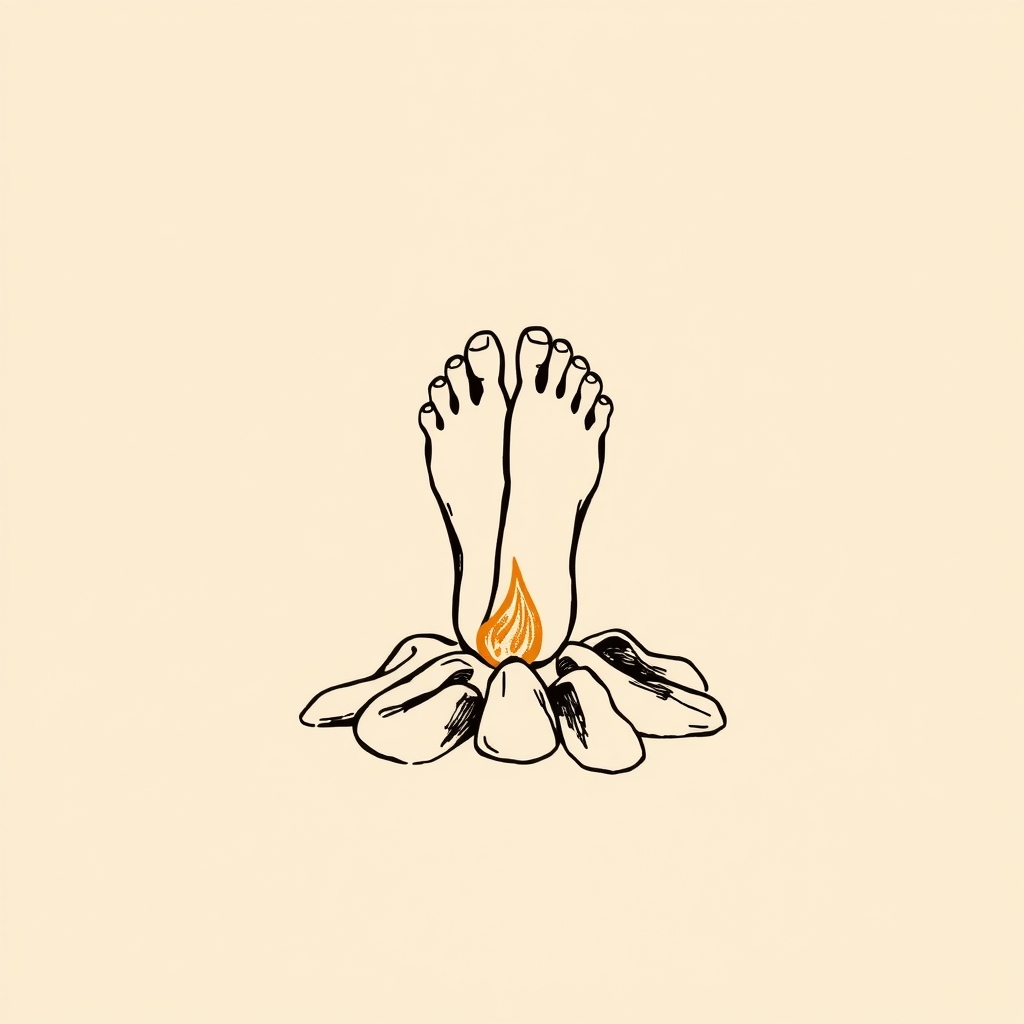
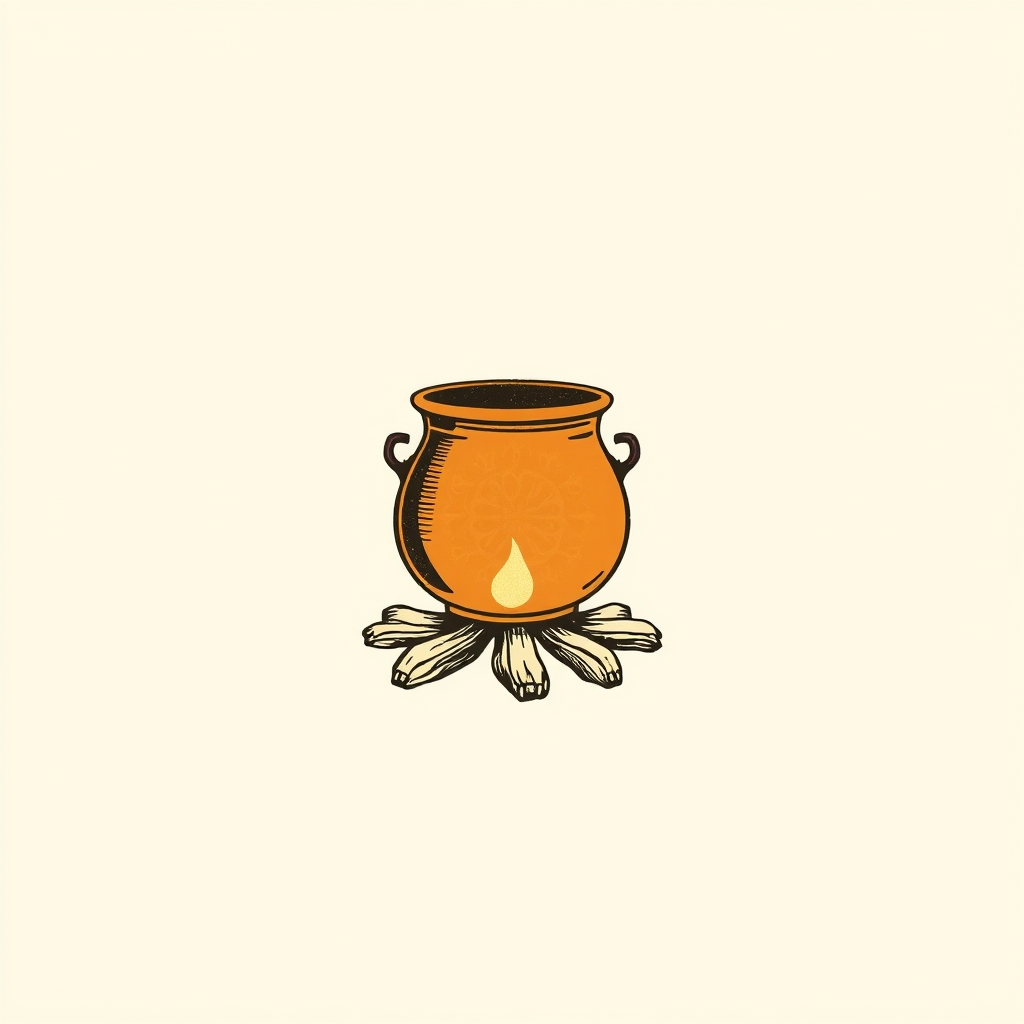
He is depicted surrounded by cripples and paralytics whom he healed; placing his feet on burning coals, to recall that Blessed Salvador, having inadvertently placed the soles of his bare feet on embers brought to him in winter to warm himself, felt no harm from them; near him is a cauldron on the fire, to recall that once he was put in charge of the kitchen as a disgrace, and that another time the meal he had forgotten to attend to was found ready; he enters into ecstasy near a pomegranate served to him at the table, which provided him the occasion to admire the works of God: on this occasion, he was raised from the ground in the presence of numerous witnesses; — he is invoked in Cagliari against fever.
Final years in Sardinia and veneration
Sent to Sardinia, he died there in 1567 in Cagliari; his veneration was later officially recognized by Pope Clement XI.
Franciscan Breviary.
Iconographic attributes and devotion
The saint is traditionally depicted with the sick, burning coals, or a cauldron, recalling his domestic miracles and his ecstasies.
He is depicted surrounded by cripples and paralytics whom he healed; placing his feet on burning coals, to recall that when Blessed Salvador inadvertently placed the soles of his bare feet on embers brought to him in winter to warm himself, he felt no harm from them; near him is a cauldron on the fire, to recall that once he was put in charge of the kitchen as a disgrace, and that another time the meal he had forgotten to attend to was found ready; he enters into ecstasy near a pomegranate served to him at the table, which provided him the occasion to admire the works of God: on this occasion, he was raised from the ground in the presence of numerous witnesses; — he is invoked in Cagliari against fever. Franciscan Breviary.
Iconography
Signs and attributes


Entities
Narrative network
The names, places, and concepts most present in the entry, weighted by centrality in the text.
The supernatural in their life
The miracles of Blessed Salvador of Horta
Frequently asked questions about Blessed Salvador of Horta
Who was Blessed Salvador of Horta?
A 16th-century Spanish Franciscan religious, Salvador of Horta lived a life of humility as a shepherd, shoemaker, and then cook friar. Famous for his numerous healing miracles and ecstasies, he ended his days in Sardinia. His cult was officially authorized by Pope Clement XI.
What is Blessed Salvador of Horta the patron saint of?
Patronage of Blessed Salvador of Horta: Cagliari.
What is Blessed Salvador of Horta invoked for?
Blessed Salvador of Horta is invoked for: fever and healing of the blind, lame, mute, and deaf.
How is Blessed Salvador of Horta depicted in Christian art?
In iconography, Blessed Salvador of Horta is recognizable by: crippled and paralyzed, feet on burning coals, cauldron on the fire, pomegranate and levitation.
What miracles are attributed to Blessed Salvador of Horta?
5 miracles are attributed to this saint, notably: Healing, Mastery of the elements, Sign / wonder and Multiplication / provision.
Which saints were contemporaries of Blessed Salvador of Horta?
Contemporaries include: Blessed John of Jesus-Mary, Ana de Jesús, Venerable Anne of Jesus and Saint Francis de Sales (Bishop and Prince of Geneva).
When did Blessed Salvador of Horta die?
Blessed Salvador of Horta died around 1567.
What are the other names of Blessed Salvador of Horta?
Other forms of the name: Salvador.
Who are the relatives of Blessed Salvador of Horta?
Relatives of Blessed Salvador of Horta: Parents (anonymes) (parents).
Annexes & related entities
Structured data for exploration: events, miracles, quotes, places, attributes, patronages, and important entities cited in the text.
Key Events
- Born in Santa Coloma
- Herding livestock during childhood
- Worked as a shoemaker in Barcelona
- Entered the convent of Santa Maria de Jesús at age 20
- Solemn vows in the Order of Saint Francis
- Prolonged stay at the convent of Orta
- Mission to Sardinia by order of his superiors
- Died in Cagliari after a dangerous illness