Saint Publia of Antioch
A noble widow of Antioch in the 4th century, Publia founded a community of virgins dedicated to prayer. She distinguished herself by her courage in the face of Emperor Julian the Apostate by continuing to sing psalms denouncing idols despite his threats. For this act of faith, she was publicly beaten by imperial soldiers.
Contemporaries

Figures and markers around the normalized period for this entry.
Guided reading
6 reading sections
SAINT PUBLIA OF ANTIOCH, ABBESS (4th century).
Introduction and sources
The account of the life of Saint Publia is reported by the historian Theodoret, offering testimony on the communities of virgins in the 4th century.
An incident from the life of Saint Pub lia, recounted by Theod oret in his Ecclesiastical History , provides us with valuable information on the internal constitution of Christian communities of virgins in the 4th century.
Origins and descendants
Coming from an illustrious family of Antioch, Publia became a widow prematurely and raised her son John, who would become an influential and respected priest.
“The city of Antioch,” says this historian, “counted then, among the models of virtue and charity that the faith of Christ had produced within its bosom, a noble widow by the name of Pub lia. Coming from an illustrious family, she had lost her husband in the flower of his age . A son, John, remained to her from this union broken prematurely by death. But the son was worthy of his mother. He dedicated himself to the service of God, became a priest, and during a long career of devotion and holy works, was like the prince of the clergy of Antioch, although his modesty had led him to refuse on various occasions to ascend to the episcopal seat, to which the votes of the people had called him. Publia gathered in her home a community of virgins who committed themselves, by a perpetual vow, to live in chastity and obedience. Under the direction of the noble widow, the holy maidens occupied themselves with prayer and assiduously sang the praises of the Lo rd. One day, the a postate emperor happened to pass by this pious house. He heard the voices of the holy maidens who were chanting, alternating the choir. He lent an ear to their songs and caught these words of David: *Similes sibi fiant qui faciunt ea, et omnes qui confidunt in eis*: 'The idols of the nations are silver and gold; they are the perishable work of a mortal hand.' Then the other choir replied: *Similes illis fiant qui faciunt ea, et omnes qui confidant in eis*: 'May those who make idols and all who worship them become like them!' Julian, irritated, gave the order to the virgins to be silent and to no longer repeat their seditious songs in the future. Publia, without taking account of the injunction, had all the voices sing Psalm 67: *Exsurgat Deus et dissipentur inimici ejus*: 'Let God arise and let his enemies be scattered!' The fury of the apostate was a remedy. He sent to seize the mistress of the choir. The venerable mistress appeared before him. Without respect for her white hair and for the holiness that breathed from her face, he had her slapped by the soldiers of his escort. The heroic Christian endured this outrage while blessing the Lord, and returned to her retreat, where she continued the pious songs that once calmed the furies of Saul, while they then overexcited those of an apostate emperor.
The community of virgins
Publia transforms her home into a monastery of virgins dedicated to chastity, obedience, and perpetual praise.
Excerpt from the General History of the Church, by Abbé Darras. — Cf. Theodoret, Ecclesiastical History, book II, chap. 14.
Confrontation with the Emperor
During the passage of Emperor Julian the Apostate, the community sang psalms denouncing idolatry, provoking the sovereign's anger.
“The city of Antioch,” says this historian, “counted then, among the models of virtue and charity that the faith of Christ had produced within its bosom, a noble widow by the name of Publia. Descended from an illustrious family, she had lost her husband in the flower of his youth. A son, John, remained to her from this union broken prematurely by death. But the son was worthy of his mother. He dedicated himself to the service of God, became a priest, and during a long career of devotion and holy works, was like the prince of the clergy of Antioch, although his modesty had caused him to refuse on various occasions to ascend the episcopal seat, to which the numismatic suffrages had called him. Publia gathered in her home a community of virgins who committed themselves, by a perpetual vow, to live in chastity and obedience. Under the direction of the noble widow, the holy maidens occupied themselves with prayer and assiduously sang the praises of the Lord. One day, the apostate emperor happened to pass before this pious house. He heard the voices of the holy maidens who were psalmodizing, alternating the choir. He lent an ear to their chants and caught these words of David: *Similes sibi fiant qui faciunt ea, et omnes qui confidunt in eis*: 'The idols of the nations are silver and gold; they are the perishable work of a mortal hand.' Then the other choir took up: *Similes illis fiant qui faciunt ea, et omnes qui confidant in eis*: 'May they become like them, the makers of idols and all who adore them!' Julian, irritated, gave the order for the virgins to be silent and to no longer repeat their seditious chants in the future. Publia, without taking account of the injunction, had all the voices sing Psalm LXVII: *Exsurgat Deus et dissipentur inimici ejus*: 'Let God arise and let his enemies be scattered!' The fury of the apostate was a remedy. He sent to seize the mistress of the choir. The venerable mistress appeared before him. Without respect for her white hair and for the holiness that breathed upon her face, he had her slapped by the soldiers of his escort. The heroic Christian suffered this outrage while blessing the Lord, and returned to her retreat, where she continued the pious chants that once calmed the furies of Saul, while they then overexcited those of an apostate emperor.
The torment and the fidelity
Arrested and struck by soldiers on the emperor's orders, Publia endures the outrage with serenity and continues her sacred chants.
“The city of Antioch,” says this historian, “counted then, among the models of virtue and charity that the faith of Christ had produced within its bosom, a noble widow by the name of Publia. Descended from an illustrious family, she had lost her husband in the flower of his youth. A son, John, remained to her from this union prematurely broken by death. But the son was worthy of his mother. He dedicated himself to the service of God, became a priest, and during a long career of devotion and holy works, was like the prince of the clergy of Antioch, although his modesty had caused him to refuse on various occasions to ascend to the episcopal seat, to which the votes of the people had called him. Publia gathered in her home a community of virgins who committed themselves, by a perpetual vow, to live in chastity and obedience. Under the direction of the noble widow, the holy maidens occupied themselves with prayer and assiduously sang the praises of the Lord. One day, the apostate emperor happened to pass before this pious house. He heard the voices of the holy maidens who were chanting, alternating the choir. He lent an ear to their songs and caught these words of David: Similes sibi fiant qui faciunt ea, et omnes qui confidunt in eis: “The idols of the nations are of silver and gold; they are the perishable work of a mortal hand.” Then the other choir took up: Similes illis fiant qui faciunt ea, et omnes qui confidant in eis: “May they become like them, the makers of idols and all who adore them!” Julian, irritated, gave the order to the virgins to be silent and to no longer repeat their seditious chants in the future. Publia, without taking account of the injunction, had all the voices sing Psalm LXVII: Exsurgat Deus et dissipentur inimici ejus: “Let God arise and let his enemies be scattered!” The fury of the apostate was a remedy. He sent to seize the mistress of the choir. The venerable mistress appeared before him. Without respect for her white hair and for the holiness that breathed upon her face, he had her slapped by the soldiers of his escort. The heroic Christian underwent this outrage while blessing the Lord, and returned to her retreat, where she continued the pious chants that once calmed the furies of Saul, while they then overexcited those of an apostate emperor.”
References
The text is based on the General History of the Church by Abbé Darras and the Ecclesiastical History by Theodoret.
Excerpt from the General History of the Church, by Abbé Darras. — Cf. Theodoret, Ecclesiastical History, book II, chap. 14.
Iconography
Signs and attributes

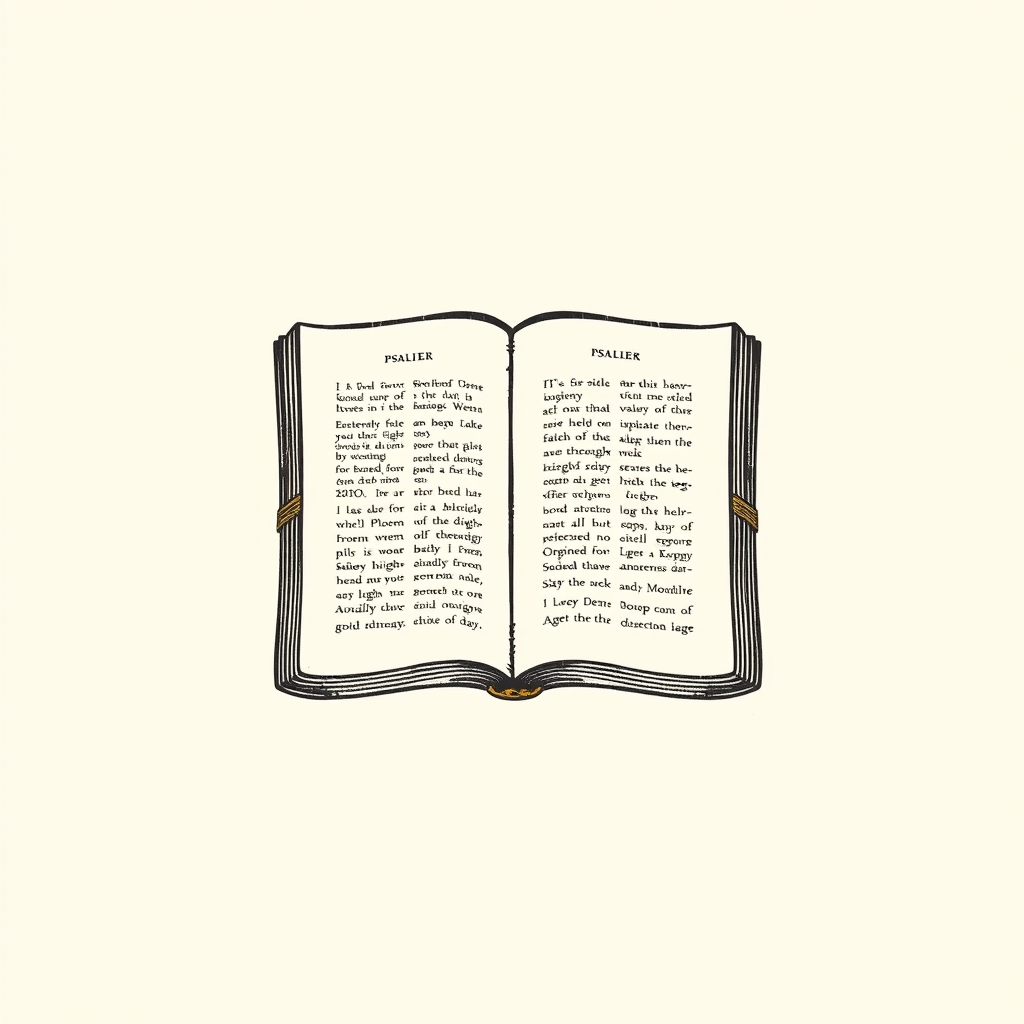
Entities
Narrative network
The names, places, and concepts most present in the entry, weighted by centrality in the text.
Frequently asked questions about Saint Publia of Antioch
Who was Saint Publia of Antioch?
A noble widow of Antioch in the 4th century, Publia founded a community of virgins dedicated to prayer. She distinguished herself by her courage in the face of Emperor Julian the Apostate by continuing to sing psalms denouncing idols despite his threats. For this act of faith, she was publicly beaten by imperial soldiers.
How is Saint Publia of Antioch depicted in Christian art?
In iconography, Saint Publia of Antioch is recognizable by: white hair and psalter.
Which saints were contemporaries of Saint Publia of Antioch?
Contemporaries include: Saint Blaise, Saint Hilary of Poitiers, Saint Basil the Great (Archbishop of Caesarea) and Saint Baudilus.
When did Saint Publia of Antioch die?
Saint Publia of Antioch died around 400.
Who are the relatives of Saint Publia of Antioch?
Relatives of Saint Publia of Antioch: Jean (son).
Annexes & related entities
Structured data for exploration: events, miracles, quotes, places, attributes, patronages, and important entities cited in the text.
Key Events
- Marriage and birth of her son John
- Premature widowhood
- Foundation of a community of virgins in Antioch
- Confrontation with Emperor Julian the Apostate
- Public outrage (slapped by soldiers) on the emperor's orders
Quotes
-
Similes illis fiant qui faciunt ea, et omnes qui confidant in eis
Psalms (cited by Theodoret) -
Exsurgat Deus et dissipentur inimici ejus
Psalm 67