Kateri Tekakwitha
A Mohawk virgin born in 1656 and died in 1680, Kateri Tekakwitha was, in 2012, the first North American Indigenous person raised to the honors of the altar.
Contemporaries

Figures and markers around the normalized period for this entry.
Guided reading
5 reading sections
Biography
Born around 1656 in a Mohawk village in present-day New York State, Kateri Tekakwitha lost her parents to a smallpox epidemic and grew up marked by the disease before her conversion to Christianity.
Kateri Tekakwitha was born around 1656 in Ossernenon (today Auriesville, in New York State), in the land of the Agniers (Mohawks) of the Iroquois Confederacy. Her father was a Mohawk chief who remained attached to the traditions of his people; her mother was a Christian Algonquin, baptized and raised in contact with French settlers, who had been captured and then integrated into the Mohawk community. Around 1660, a smallpox epidemic took her parents and her younger brother; the child survived but was left with a scarred face and very weakened eyesight. Taken in by an uncle, she grew up in the village, which is the origin of her nickname "Tekakwitha," often translated as "she who gropes her way." Attracted by the faith to which she had been introduced by passing Jesuit missionaries, she requested baptism and received it at Easter 1676, at about twenty years of age, from the hands of Father Jacques de Lamberville, taking the name Catherine—Kateri in the Mohawk language—in reference to Saint Catherine of Siena. Her conversion earned her the hostility of part of her entourage. On the advice of her confessor, she fled in the autumn of 1677 to the mission of Saint-François-Xavier at Sault-Saint-Louis (Kahnawake), near Montreal, where she died on April 17, 1680, at about twenty-four years of age.
Life and Work
At the mission of Sault-Saint-Louis, Kateri led a life of intense prayer, penance, and service, pronouncing a private vow of perpetual virginity in 1679.
At the mission of Saint-François-Xavier du Sault-Saint-Louis, a community of Christian Amerindians gathered around the Jesuits, Kateri Tekakwitha gave the full measure of her fervor. She made her first communion on Christmas 1677 and organized her life around prayer, assisting the elderly and the sick, and manual labor. She distinguished herself by an ardent devotion to the Eucharist and the Passion of Christ. On March 25, 1679, the day of the Annunciation, she pronounced a private vow of perpetual virginity, a rare and noted choice in the Amerindian context of her time, which earned her the reputation of being the first Iroquois virgin. Under the influence of penitential practices shared by some of her companions, she imposed austere mortifications upon herself—fasting, vigils, and macerations—which her spiritual directors eventually had to moderate. Her health, already weakened by the aftereffects of smallpox, declined rapidly. Her two main biographers, the Jesuits Claude Chauchetière and Pierre Cholenec, direct witnesses or close to the mission, recorded from the 1690s the account of this brief existence, which possessed a spiritual intensity that left a lasting impression on the community.
Path to Holiness
Kateri's reputation for holiness was established immediately after her death, nurtured by her life of prayer, her purity, and a miracle reported by her biographers.
The holiness of Kateri Tekakwitha lies in the radical nature of a faith embraced against the current of her environment and lived in evangelical simplicity, generosity, and an ardent love for Christ. Her short existence combined an intense life of prayer, a noted Eucharistic devotion, and a chastity consecrated by vow. According to the testimony of Father Pierre Cholenec, shortly after her death, which occurred "very gently" as she was pronouncing the names of Jesus and Mary, her face, previously disfigured by smallpox scars, appeared transfigured and beautified—a detail that tradition retained as a sign of the purity of her soul. Her grave at Sault-Saint-Louis very early became a place of pilgrimage, and several healings were attributed to her by the faithful. Her Jesuit biographers contributed to spreading her fame from the end of the 17th century, both in Canada and in France. This reputation for holiness, maintained for centuries by Catholic Indigenous communities and by the Canadian and American Church, paved the way for the introduction of her cause.
Beatification and canonization
Declared venerable by Pius XII in 1943, beatified by John Paul II in 1980, and canonized by Benedict XVI on October 21, 2012, Kateri Tekakwitha is the first Native American from North America to be raised to the altars.
The cause of Kateri Tekakwitha culminated, after several centuries of popular devotion, in her declaration as venerable by Pope Pius XII on January 3, 1943. Pope John Paul II beatified her on June 22, 1980, in Rome; in 1983, he designated her as the second patroness of the Pontifical Mission Societies and the mission Church. The path to canonization opened when Benedict XVI recognized, by a decree promulgated on December 19, 2011, a miracle attributed to her intercession: the healing, in 2006, of young Jake Finkbonner, a child from Washington State suffering from a fulminant infection of 'flesh-eating' bacteria (necrotizing fasciitis caused by streptococcus), who was cured after his family prayed to Kateri and a relic was placed upon him. The canonization was celebrated by Benedict XVI at St. Peter's Basilica in Rome on October 21, 2012, making Kateri Tekakwitha the first Native American woman from North America to be proclaimed a saint. Her liturgical feast is set for April 17, the day of her death, in the general calendar and in Canada; in the United States, and according to certain French-speaking sources, it is celebrated on July 14.
Spirituality and Heritage
Nicknamed the "Lily of the Mohawks," Kateri Tekakwitha is venerated as the patroness of Indigenous peoples and ecology, a figure of reconciliation between Amerindian traditions and the Christian faith.
Nicknamed the "Lily of the Mohawks," Kateri Tekakwitha has become a major figure in North American Catholic spirituality and a symbol of evangelization that respects Indigenous cultures. She is honored as the patroness of Amerindians, of ecology and the environment, of people in exile, of orphans, and of those who are mocked for their piety; John Paul II had also made her a patroness of the Church of the missions. Her cult radiates particularly at Sault-Saint-Louis–Kahnawake, in Quebec, where her tomb is located, as well as at the shrine of Auriesville and in Fonda, in the State of New York, places linked to her birth and her youth. Numerous parishes, schools, and institutions, as well as the Kateri Tekakwitha Conference which brings together Indigenous Catholics of North America, bear her name. Her figure, at the crossroads of Mohawk and Algonquin heritage and the Christian faith, is today invoked as a sign of reconciliation and dignity for the First Peoples.
Iconography
Signs and attributes
The supernatural in their life
The miracles of Kateri Tekakwitha
Frequently asked questions about Kateri Tekakwitha
Who was Kateri Tekakwitha?
A Mohawk virgin born in 1656 and died in 1680, Kateri Tekakwitha was, in 2012, the first North American Indigenous person raised to the honors of the altar.
What is Kateri Tekakwitha the patron saint of?
Patronage of Kateri Tekakwitha: Peuples amérindiens (Native Americans), Native American peoples, Écologie et environnement, Ecology and environment, Personnes en exil, People in exile, Orphelins et personnes ayant perdu leurs parents and Orphans and people who have lost their parents.
What is Kateri Tekakwitha invoked for?
Kateri Tekakwitha is invoked for: La protection des peuples autochtones, Protection of Indigenous peoples, La sauvegarde de l'environnement et de la création, Protection of the environment and creation, Le réconfort des exilés et des orphelins and Comfort for exiles and orphans.
How is Kateri Tekakwitha depicted in Christian art?
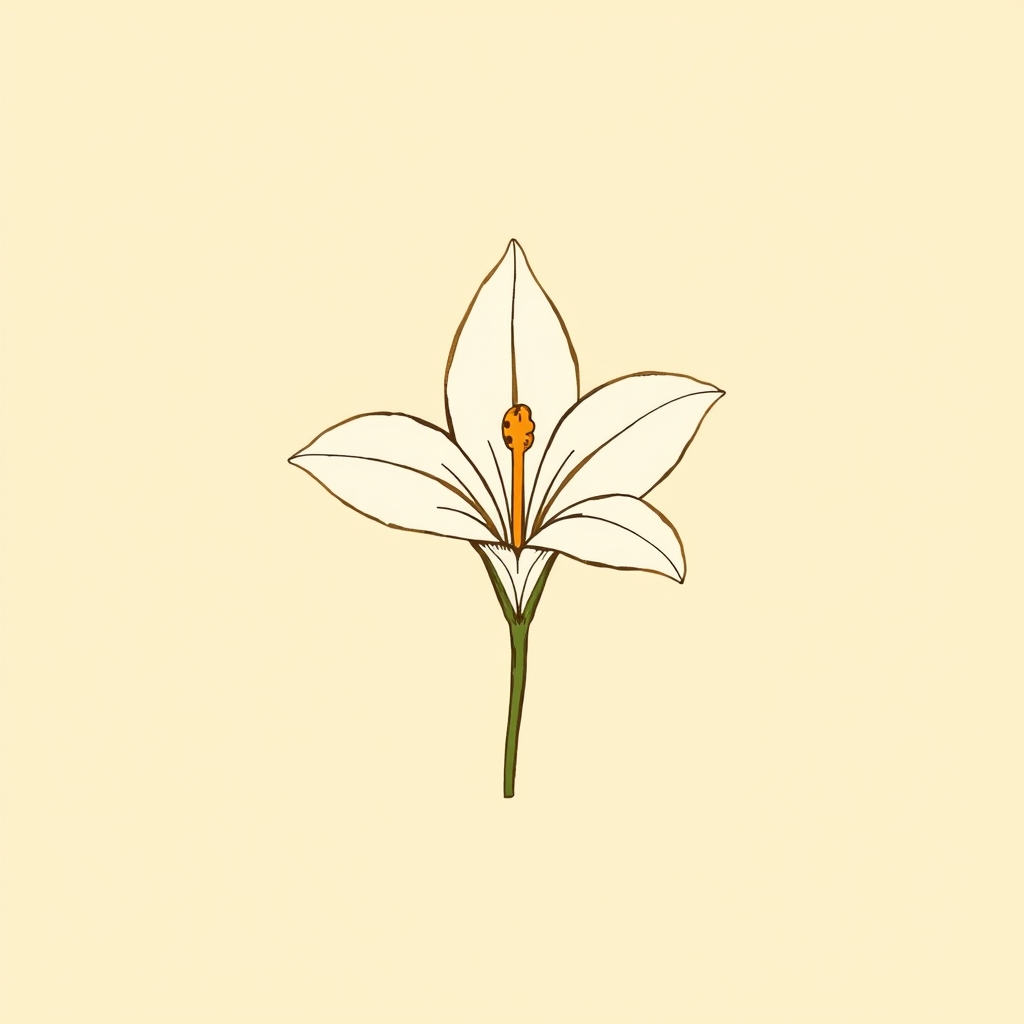
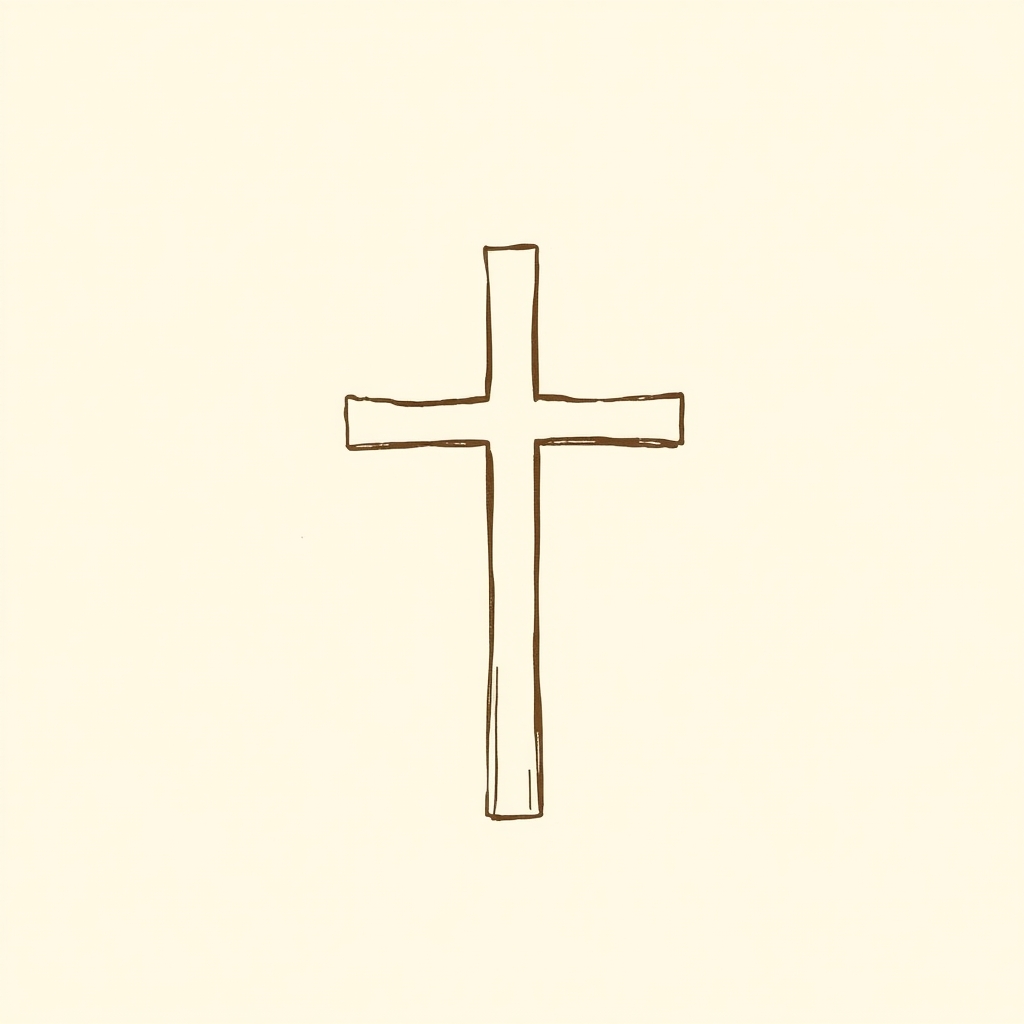
In iconography, Kateri Tekakwitha is recognizable by: Lily (symbol of purity), Cross and Turtle or wampum evoking her Mohawk origins.
What miracles are attributed to Kateri Tekakwitha?
2 miracles are attributed to this saint, notably: Healing and Sign / wonder.
Which saints were contemporaries of Kateri Tekakwitha?
Contemporaries include: Mariana de Jesús de Paredes, Blessed Mariana de Jesús (de Paredes y Flores), María de Jesús López Rivas and Venerable Agnes of Jesus.
When did Kateri Tekakwitha die?
Kateri Tekakwitha died around 1680.
What are the other names of Kateri Tekakwitha?
Other forms of the name: Catherine Tekakwitha, Tekaouïta, Tegakwitha, Lys des Mohawks and Lily of the Mohawks.
Who are the relatives of Kateri Tekakwitha?
Relatives of Kateri Tekakwitha: Père mohawk (chef agnier) (father) and Mère algonquine chrétienne (mother).
Annexes & related entities
Structured data for exploration: events, miracles, quotes, places, attributes, patronages, and important entities cited in the text.
Key Events
- Era / death: 1680
- Canonized in 2012 by Benedict XVI