Anna Schäffer
A German laywoman from Mindelstetten, immobilized by severe burns and marked with the stigmata, Anna Schäffer offered her suffering and exercised an apostolate through letters; she was canonized in 2012 by Benedict XVI.
Contemporaries

Figures and markers around the normalized period for this entry.
Guided reading
5 reading sections
Biography
Anna Schäffer was born in 1882 in Mindelstetten, Bavaria, into a modest artisan family; a servant from adolescence, she dreamed of missionary religious life before an accident changed her existence.
Anna Schäffer was born on February 18, 1882, in Mindelstetten, a village in the Diocese of Regensburg, in Lower Bavaria, the third of six children in a poor family whose father was a carpenter. A gifted student but without the means to continue her studies, she lost her father at the beginning of 1896 and had to earn her living as a domestic servant from the age of fourteen, working successively in several houses in the region, in Regensburg, Sandersdorf, Landshut, and Stammham. Deeply pious since her first communion, which she described as "the most beautiful day of her life," she nurtured a desire to enter a missionary congregation and worked to save the required dowry. According to hagiographic sources, she had an interior experience in 1898 that foretold long sufferings. Her plan for religious life was shattered on February 4, 1901: while working in a laundry, she fell into a vat of boiling lye and severely burned both her legs up to the knees. The wounds never healed; despite numerous operations and stays at the university clinic in Erlangen, she remained almost continuously bedridden for the last twenty-five years of her life.
Life and Work
Bedridden by her incurable wounds, Anna Schäffer transformed her room into a place of apostolate, welcoming visitors and writing countless letters of spiritual comfort.
Deprived of the religious life to which she aspired, Anna Schäffer gradually understood her illness as a vocation: to offer her suffering for the salvation of souls and the Church. From her bed, which she described as a workshop where she could conform herself to the cross of Christ, she developed a true apostolate. She spoke of three "keys to Heaven": suffering, the needle, and the pen. Skilled at needlework, she embroidered, despite her weakened hands, pious images, notably of the Sacred Heart, which she gave away. Above all, she maintained an abundant correspondence: some 183 letters and notes written between 1910 and 1925 are attributed to her, through which she advised and consoled numerous visitors and recipients who came to her seeking comfort and spiritual direction. Pope John Paul II summarized this dimension by saying that her room had become "the cradle of a vast epistolary apostolate." She also left notebooks where she recorded her interior experiences, which she described with simplicity as "dreams," written in a modest language reflecting her limited education. Her condition deteriorated over the years, with convulsions and, towards the end, the loss of sight and speech.
Journey toward holiness
Animated by an intense Eucharistic and Marian devotion, Anna Schäffer lived her suffering as an offering of love; according to her confessors and hagiographic sources, she received the stigmata in 1910.
The spirituality of Anna Schäffer was rooted in a fervent Eucharistic devotion: she received communion almost daily and drew her strength from it, declaring that she felt so fulfilled that she would not want to change her bed of pain. Her inner life was marked by a Marian devotion, by an attachment to the Sacred Heart of Jesus, and by an attitude of abandonment and expiation. Her confessors, including Father Karl Rieger who brought her communion for years, testified that she never complained despite constant pain. According to hagiographic sources and the tradition received by the Church, she received the stigmata on October 4, 1910, felt as marks of fire on her hands, feet, and heart, which she long strove to conceal, as well as mystical phenomena and visions. Her pains intensified, it is said, on Thursdays, Fridays, and feast days, in union with the Passion. This transformation of trial into a gift of love fostered, during her lifetime and after her death, a solid reputation for holiness. According to several sources, among her last words was the invocation 'Jesus, for you I live!'
Beatification and canonization
Dying in 1925, Anna Schäffer was beatified by John Paul II in 1999 and canonized by Benedict XVI on October 21, 2012, following the recognition of two healings deemed medically inexplicable.
Anna Schäffer died on October 5, 1925, in Mindelstetten, at the age of forty-three. The reputation of holiness that surrounded her quickly sparked an influx of pilgrims to her grave and numerous accounts of graces and healings attributed to her intercession. The cause for beatification was introduced in 1973, and a vast investigation collected thousands of testimonies. Pope John Paul II proclaimed her blessed on March 7, 1999, in Rome; the miracle accepted for the beatification was the rapid and complete healing of a young man who had suffered a severe head injury following an accident, which was deemed medically inexplicable. She was subsequently canonized by Pope Benedict XVI on October 21, 2012, in Saint Peter's Square at the Vatican; the miracle recognized for the canonization was the healing, deemed scientifically inexplicable by the medical consultation in 2010, of a woman suffering from ascites resulting from liver cirrhosis, who recovered after praying to Saint Anna Schäffer. Her liturgical memorial is set for October 5.
Spirituality and heritage
A figure of the apostolate of suffering, Anna Schäffer is venerated in Mindelstetten, where her relics attract pilgrims, and is proposed as a model for the sick and the laity.
The spiritual heritage of Anna Schäffer makes her one of the great modern figures of the "apostolate of suffering" and a model for the laity, the sick, and caregivers. Her remains rest in the parish church of Mindelstetten, which has become a place of pilgrimage where people continue to seek her intercession; sources report that very many graces and healings have been recorded there since the end of the 1920s, with more than fifteen thousand accounts having been registered over the decades. Her birthplace and her room, preserved as a memorial, as well as centers and associations bearing her name, maintain her memory in Bavaria and beyond. Often invoked by the sick, the infirm, and those who bear a physical or moral cross, she is presented by the Church as a witness to hope and the spiritual fruitfulness of suffering offered out of love, following the example of Christ. Her canonization in 2012 strengthened the reach of her message, disseminated through her letters and writings, which have been translated into several languages.
Iconography
Signs and attributes

The supernatural in their life
The miracles of Anna Schäffer
Frequently asked questions about Anna Schäffer
Who was Anna Schäffer?
A German laywoman from Mindelstetten, immobilized by severe burns and marked with the stigmata, Anna Schäffer offered her suffering and exercised an apostolate through letters; she was canonized in 2012 by Benedict XVI.
What is Anna Schäffer invoked for?
Anna Schäffer is invoked for: Les malades, The sick, Les personnes souffrantes et infirmes and The suffering and the infirm.
How is Anna Schäffer depicted in Christian art?
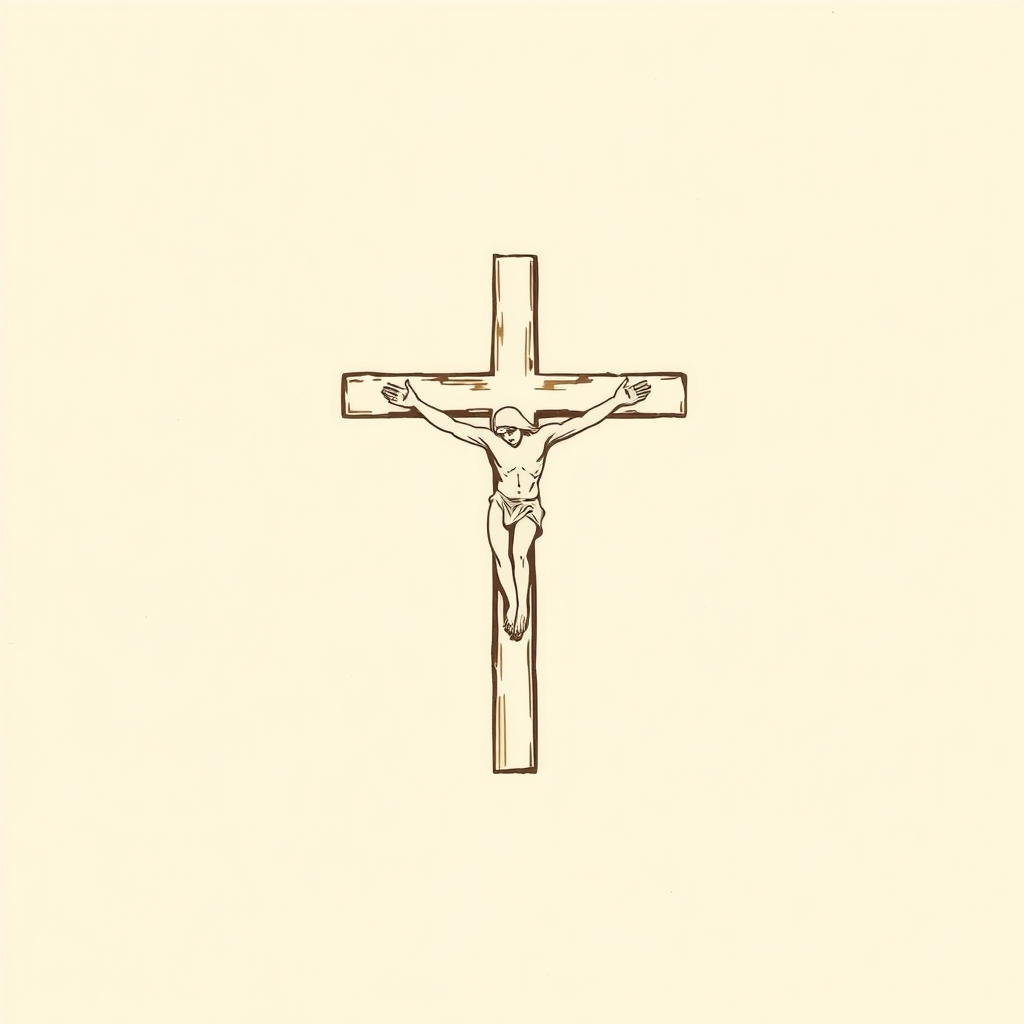
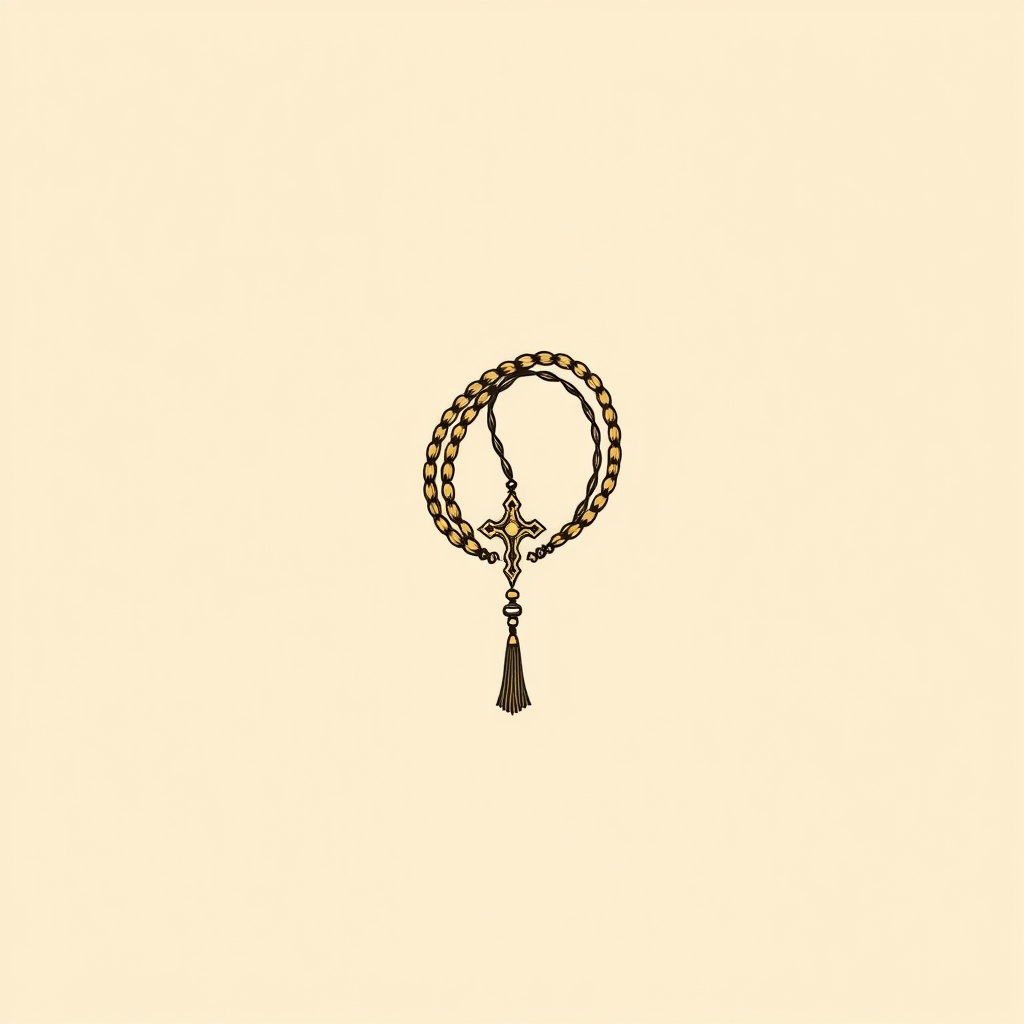
In iconography, Anna Schäffer is recognizable by: Stigmata, Crucifix, Rosary and Embroidery / needle.
What miracles are attributed to Anna Schäffer?
2 miracles are attributed to this saint, notably: Healing.
Which saints were contemporaries of Anna Schäffer?
Contemporaries include: Pauline of the Agonizing Heart of Jesus, Felipe de Jesús Munárriz and 50 companions, Mariano de Jesús Euse Hoyos and Teresa of Jesus of the Andes.
When did Anna Schäffer die?
Anna Schäffer died around 1925.
What are the other names of Anna Schäffer?
Other forms of the name: Anna Schaffer and Anna Schäffer di Mindelstetten.
Annexes & related entities
Structured data for exploration: events, miracles, quotes, places, attributes, patronages, and important entities cited in the text.
Key Events
- Era / death: 1925
- Canonized in 2012 by Benedict XVI
Quotes
-
Jesus, for you I live!
https://www.anna-schaeffer.de/biography.html -
I cannot write with a pen how happy I am every time after Holy Communion.
https://en.wikipedia.org/wiki/Anna_Sch%C3%A4ffer