Junípero Serra
Junípero Serra (1713-1784) was a Spanish Franciscan, founder of the first missions in Upper California, canonized on September 23, 2015, by Pope Francis.
Contemporaries

Figures and markers around the normalized period for this entry.
Guided reading
5 reading sections
Biography
Born in Majorca in 1713, Miquel Josep Serra became a Franciscan under the name Junípero and set out in 1749 to evangelize New Spain.
Miquel Josep Serra Ferrer was born on November 24, 1713, in Petra, on the island of Majorca, in the Kingdom of Spain. Coming from a peasant family, he received his education from the Franciscans in Palma and entered the Order of Friars Minor, where he took his vows in September 1731, taking the religious name Junípero, in memory of Brother Juniper, one of the first companions of Saint Francis of Assisi. Ordained a priest around 1737, he became a doctor of theology and taught philosophy at the Lullian College of Palma, notably occupying the chair of Duns Scotus. Recognized for his eloquence as a preacher, he abandoned this academic career to answer a missionary vocation. In 1749, he embarked from Cadiz with his confrere and future biographer Francisco Palóu, reached Veracruz and then Mexico City, and placed himself at the service of the Apostolic College of San Fernando. He would dedicate the rest of his life to the missions of the New World and died on August 28, 1784, at the Mission San Carlos Borromeo, in Carmel, near Monterey, in Upper California.
Life and Work
A missionary in the Sierra Gorda and later in California, Serra founded the first Franciscan missions of Alta California, from San Diego to San Francisco.
Starting in 1750, Junípero Serra worked for nearly nine years at the missions of the Sierra Gorda, in present-day Mexico, where he directed five missions and evangelized the Pame populations. In 1769, in the context of Spanish expansion to the north and following the expulsion of the Jesuits, he was sent to Alta California as president of the missions. He founded the first mission there, San Diego de Alcalá, on July 16, 1769. This was followed notably by San Carlos Borromeo de Carmelo (1770), which became his residence, then San Antonio de Padua and San Gabriel (1771), San Luis Obispo (1772), San Francisco de Asís and San Juan Capistrano (1776), Santa Clara (1777), and San Buenaventura (1782). Serra thus founded the first nine of the twenty-one missions that would line the Californian coast. He organized religious, agricultural, and artisanal life there, and endeavored on several occasions to intervene with military authorities to defend the indigenous populations against abuses, while remaining a figure discussed today due to the colonial mission system he helped to establish.
Path to Holiness
Endurance, apostolic zeal, and the motto "Siempre adelante" characterize the missionary spirituality of Junípero Serra.
The reputation for holiness of Junípero Serra rests on his tireless apostolic zeal and his ascetic endurance. Despite a leg injury that caused him suffering throughout his life, he traveled thousands of kilometers on foot and by sea to found and visit the missions. Tradition attributes to him a motto that has remained famous, "Siempre adelante, nunca atrás" ("Always forward, never back"), an expression of his perseverance in proclaiming the Gospel. In the canonization homily, Pope Francis recalled that Serra "knew how to say, and above all knew how to live by saying: Siempre adelante!," seeing in it the impetus of a "Church that goes forth" from itself to bring the tenderness of God to all. A man of prayer and penance, attached to Franciscan poverty and a fervent Marian devotion, he is presented by the Church as a model of missionary drive. His confrere Francisco Palóu wrote a biography shortly after his death that durably fixed his memory and contributed to his fame as a saint.
Beatification and canonization
Beatified in 1988 by John Paul II, Junípero Serra was canonized on September 23, 2015, in Washington by Pope Francis, the first canonization celebrated on United States soil.
Junípero Serra was beatified by Pope John Paul II on September 25, 1988, in Rome. His canonization was celebrated by Pope Francis on September 23, 2015, during his apostolic journey to the United States, during a Mass at the Basilica of the National Shrine of the Immaculate Conception in Washington. This was the first canonization ever celebrated on the territory of the United States. For this canonization, Pope Francis used a procedure dispensing with the second miracle usually required. The liturgical memorial of Saint Junípero Serra is set for August 28, the anniversary of his death; in the United States, it is celebrated on July 1. His canonization, due to the historical debate over the mission system and the treatment of Native American populations, sparked intense controversy, with Pope Francis having presented him as a defender of the dignity of indigenous communities in the face of mistreatment.
Spirituality and Heritage
Nicknamed the "Apostle of California," Serra is honored as the founder of the California missions, a tutelary figure of American Catholic Hispanicity, and a subject of memorial debates.
Junípero Serra is often nicknamed the "Apostle of California" or the "father of the California missions." The missions he founded are at the origin of several major Californian cities, among which are San Diego, San Francisco, and San Buenaventura (Ventura), and several of them remain places of worship and memory. His residence and tomb are located at the Mission San Carlos Borromeo, in Carmel. A statue representing him long stood among those that the State of California placed in the United States Capitol, a sign of his importance in the history of the region. The first saint of Hispanic origin canonized on American soil, he has become a reference figure for Latin American Catholics in the United States. His legacy remains disputed, however: starting from the years 2015 to 2020, several of his statues were toppled or defaced during protests denouncing the impact of the missions on indigenous peoples, which has reignited the debate over his memory.
Iconography
Signs and attributes
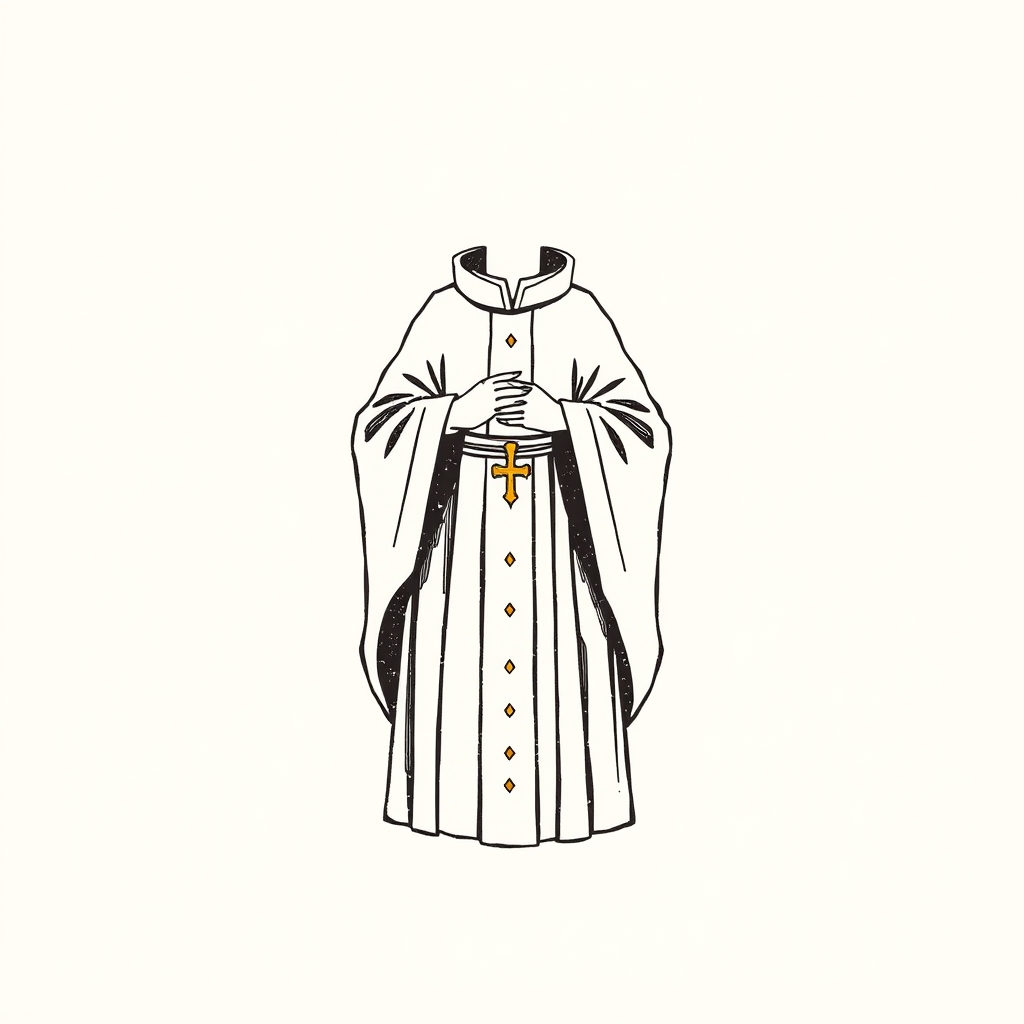
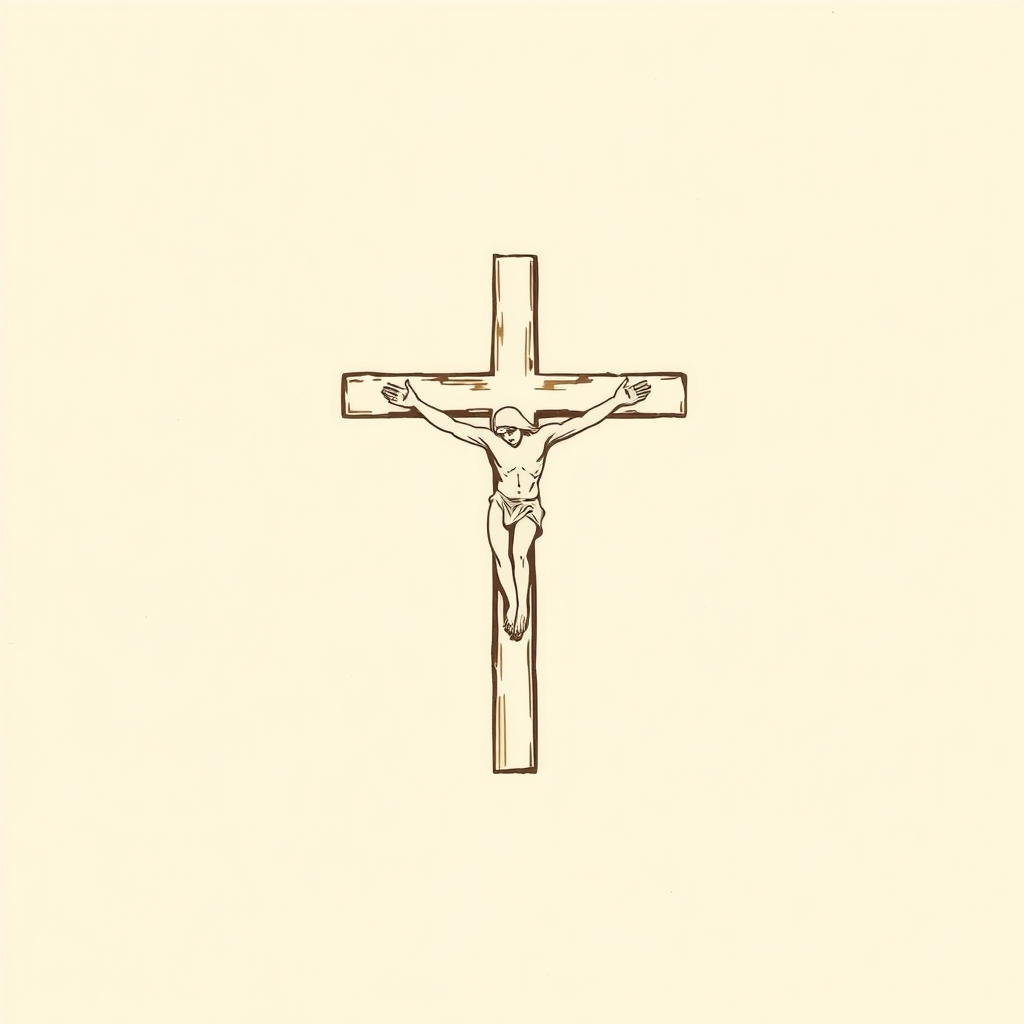
Frequently asked questions about Junípero Serra
Who was Junípero Serra?
Junípero Serra (1713-1784) was a Spanish Franciscan, founder of the first missions in Upper California, canonized on September 23, 2015, by Pope Francis.
What is Junípero Serra the patron saint of?
Patronage of Junípero Serra: Californie, California, vocations missionnaires and missionary vocations.
How is Junípero Serra depicted in Christian art?
In iconography, Junípero Serra is recognizable by: Franciscan habit, crucifix and model or plan of a mission.
Which saints were contemporaries of Junípero Serra?
Contemporaries include: Venerable Agnes of Jesus, Blessed Mary Anne of Jesus, Saint Alphonsus Liguori and Saint Mary Frances of the Five Wounds of Jesus.
When did Junípero Serra die?
Junípero Serra died around 1784.
What are the other names of Junípero Serra?
Other forms of the name: Miquel Josep Serra Ferrer, Miguel José Serra Ferrer and Junipero Serra.
Annexes & related entities
Structured data for exploration: events, miracles, quotes, places, attributes, patronages, and important entities cited in the text.
Key Events
- Era / death: 1784
- Canonized in 2015 by Francis
Quotes
-
Siempre adelante, nunca atrás (Always forward, never back).
Motto attributed to Junípero Serra, recalled by Pope Francis, canonization homily, Washington, September 23, 2015 (vatican.va)